
Have you ever cooked brown rice, only to find it still hard and chewy when you sit down to eat? It’s frustrating, especially when you’re expecting a soft, fluffy meal.
You’re not alone—many people struggle with this exact problem. But why does this happen, and how can you fix it? Understanding the simple reasons behind tough brown rice can transform your cooking and make every bite enjoyable. Keep reading, and you’ll discover easy tips to get perfectly cooked brown rice every time.
Common Causes Of Hard Brown Rice
Brown rice can stay hard even after cooking. Many factors cause this problem. Understanding these reasons helps you cook better rice. Here are the common causes of hard brown rice.
Incorrect Water Ratio
Brown rice needs more water than white rice. Using too little water keeps the rice firm. Water softens the grains during cooking. Measure water carefully for soft, fluffy rice.
Insufficient Cooking Time
Brown rice takes longer to cook than white rice. Short cooking times leave the grains tough. Follow the recommended time on the package. Cook rice until it feels tender to bite.
High Heat Settings
Cooking rice on very high heat can dry it out. High heat can burn the outside while the inside stays hard. Use low or medium heat to cook rice evenly and thoroughly.
Old Or Stale Rice
Rice stored for a long time loses moisture. Old rice absorbs water poorly during cooking. This makes the grains hard after cooking. Use fresh rice for the best texture and taste.
Lack Of Soaking
Soaking brown rice before cooking helps soften it. Soaking allows water to penetrate the grains. Without soaking, rice takes longer to cook and stays hard. Soak rice for at least 30 minutes before cooking.
Choosing The Right Brown Rice
Choosing the right brown rice is key to cooking it well. Different types of brown rice cook differently. Some need more water or time. Picking fresh rice also affects softness. Old rice might stay hard even after cooking. Proper storage keeps rice fresh and easy to cook. Let’s explore how to choose the best brown rice for your meals.
Types Of Brown Rice
Brown rice comes in several types. Long grain brown rice is light and fluffy. Short grain brown rice is sticky and chewy. Medium grain is a mix of both. Each type absorbs water differently. Choose the type that fits your recipe. Long grain needs less cooking time than short grain. Knowing the type helps avoid hard rice after cooking.
Checking Freshness
Fresh brown rice cooks softer and tastes better. Check the package date before buying. Avoid rice that is too old. Old rice loses moisture and hardness increases. Smell the rice; fresh rice has a mild nutty aroma. Rancid or off smell means it is stale. Using fresh rice improves cooking results and texture.
Storage Tips
Store brown rice in a cool, dry place. Use airtight containers to keep moisture out. Moisture makes rice spoil faster. Keep rice away from heat and sunlight. Refrigeration extends shelf life for cooked rice. Freeze extra rice to keep it fresh. Proper storage keeps rice soft and ready to cook.
Perfect Water-to-rice Ratios
Getting the water-to-rice ratio right is key for soft, fluffy brown rice. Too little water leaves the rice hard and chewy. Too much water makes it mushy. Understanding the perfect ratio helps you cook brown rice just right every time.
Standard Measurements
The usual water-to-rice ratio for brown rice is 2 to 1. Use two cups of water for one cup of rice. This amount works well for most cooking methods like boiling or steaming. Measuring carefully improves your chances of soft rice.
Adjusting For Texture Preferences
Want firmer rice? Use slightly less water, about 1.75 cups per cup of rice. For softer rice, add a bit more water, up to 2.25 cups. Small changes can affect texture, so try different amounts to find your favorite.
Using Broth Or Water
Water is standard for cooking rice, but broth adds flavor. Replace all or part of the water with broth for tasty rice. Keep the same ratio of liquid to rice for good results. Broth does not change cooking time or texture much.
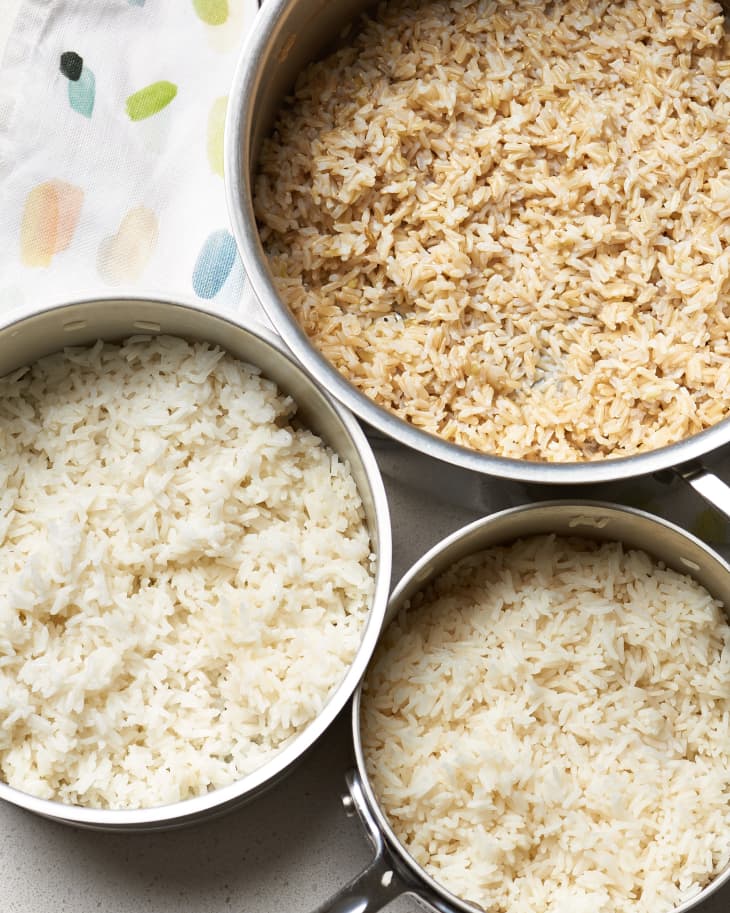
Credit: www.thekitchn.com
Effective Cooking Techniques
Effective cooking techniques help make brown rice soft and tasty. Brown rice has a tough outer layer. This layer needs enough water and time to cook well. Using the right methods can fix hard rice problems. These tips help you get better results every time.
Soaking Before Cooking
Soaking brown rice softens the grain. It absorbs water and cooks faster. Soak rice in cold water for 30 minutes or more. Drain it before cooking. This step saves cooking time. It also makes rice easier to digest.
Simmering Vs Boiling
Simmering cooks rice gently with low heat. Boiling uses high heat and bubbles. Simmering allows water to absorb slowly. It helps rice cook evenly and become soft. Boiling may cook outside but leave inside hard. Use a low flame and cover the pot. Let rice simmer until water is gone.
Using A Rice Cooker
A rice cooker controls heat and cooking time well. It keeps rice warm without drying it. Add the right water amount for brown rice. Follow your cooker’s instructions. Avoid opening the lid too soon. Let rice rest inside the cooker after cooking for soft texture.
Steaming Methods
Steaming is a gentle way to cook brown rice. It uses hot steam, not direct water. Place soaked rice in a steamer basket. Cover and steam for 40-50 minutes. Steam cooks rice evenly and keeps nutrients. Check rice for softness before serving.
Troubleshooting Common Issues
Brown rice can be tricky to cook just right. Sometimes it stays hard or cooks unevenly. This section helps fix common problems. Simple steps can improve your rice every time.
Reviving Undercooked Rice
Undercooked rice feels hard and crunchy. Add a little water to the pot. Cover it tightly and cook on low heat for 5-10 minutes. The steam softens the rice. Check often to avoid overcooking.
Avoiding Overcooked Or Mushy Rice
Too much water makes rice mushy. Measure water carefully before cooking. Use the right pot size to control heat. Turn off the heat when rice looks tender but still firm. Let rice rest covered for 10 minutes.
Dealing With Uneven Cooking
Rice cooks unevenly if heat spreads poorly. Stir rice gently once during cooking. Use a heavy-bottom pot to spread heat well. Avoid lifting the lid too often. This keeps steam inside for even cooking.

Credit: www.themerchantbaker.com
Expert Tips For Fluffy Brown Rice
Cooking brown rice can be tricky. It often turns out hard or sticky. These expert tips help make your brown rice soft and fluffy every time. Small changes in how you cook and handle rice matter a lot. Follow these steps to enjoy perfect brown rice.
Resting Time After Cooking
Let the rice rest after cooking. Turn off the heat and cover the pot tightly. Wait for 10 to 15 minutes. This step lets the steam finish cooking the rice. It softens the grains and stops them from being hard. Do not lift the lid during resting.
Fluffing Techniques
Use a fork, not a spoon, to fluff rice. Gently separate the grains by stirring lightly. Fluffing lets steam escape and keeps rice from clumping. Do this right after resting. Fluffing makes the rice light and airy.
Adding Flavor Enhancers
Add a pinch of salt or a small amount of oil before cooking. These help soften the rice and add taste. Try adding a bay leaf or garlic for extra flavor. Simple additions make your rice more delicious and less bland.

Credit: www.recipetineats.com
Frequently Asked Questions
Why Is My Brown Rice Still Hard After Cooking?
Brown rice remains hard if not cooked long enough. It needs 40-50 minutes simmering with enough water to soften the bran layer properly.
How Much Water Is Needed For Cooking Brown Rice?
Use 2 to 2. 5 cups of water per cup of brown rice. Insufficient water leads to undercooked, hard rice grains.
Does Soaking Brown Rice Help Soften It?
Yes, soaking brown rice for 30 minutes reduces cooking time and results in softer, more evenly cooked grains.
Can Cooking Temperature Affect Brown Rice Texture?
Yes, cooking brown rice on low heat prevents water evaporation, allowing grains to cook fully and become tender.
Conclusion
Brown rice stays hard when it lacks enough water or cooking time. Using fresh rice and soaking it before cooking helps soften grains. Stirring gently and checking water levels during cooking also improves texture. Patience matters; brown rice needs more time than white rice to cook well.
Follow these tips to enjoy soft, tasty brown rice every time. Cooking brown rice well is simple with the right steps. Keep trying and adjust as needed for the best results.

Hello, This is Annie Walker, a 38-year-old blogger, founder, and editor of Cookware Guider from NY, USA. I am a cookware fanatic and passionate cooker. I love to cook with different types of cooking appliances (example: all types of cookware, rice cookers, slow cookers, etc) almost every day in my kitchen. I love to share my experience with my readers in my blog. Also, I enjoy helping people to solve their problems through my website. You can follow me on Twitter & Pinterest. To know details about my blog please check the about us page.