
Choosing the right cookware can feel overwhelming, especially when safety is a top priority for you and your family. You want nonstick pans that make cooking easy but won’t release harmful chemicals or wear out quickly.
So, what is the safest nonstick cookware you can trust in your kitchen? This guide will help you understand your options, avoid common risks, and pick the best pans that keep your meals healthy and your cooking smooth. Keep reading to discover how to protect your health without giving up the convenience of nonstick cooking.
Health Risks Of Traditional Nonstick
Traditional nonstick cookware has been popular for its convenience and easy cleaning. But many people worry about health risks linked to its chemical coatings. These risks come from substances used to create the nonstick surface. Understanding these risks helps to make safer choices in the kitchen. This section explains the main health concerns tied to traditional nonstick pans.
Chemical Coatings And Toxins
Most traditional nonstick cookware uses a coating called PTFE (polytetrafluoroethylene). A well-known brand name for this chemical is Teflon. PTFE makes the pan surface slippery and prevents food from sticking. But chemicals used to make PTFE can be harmful.
One major concern is a chemical called PFOA (perfluorooctanoic acid). PFOA was used in the past to help create nonstick coatings. It is now mostly phased out, but older pans may still contain it.
- PFOA exposure may cause health problems like liver damage and developmental issues.
- PTFE itself is stable at normal cooking temperatures but can break down if overheated.
- Other toxic chemicals can be released during manufacturing or if the coating is scratched.
Here is a simple comparison of chemicals involved:
| Chemical | Use | Health Concern |
|---|---|---|
| PTFE | Nonstick surface | Safe under 260°C; toxic fumes if overheated |
| PFOA | Previously used in production | Linked to cancer, liver damage |
| Other additives | Coating durability | May release toxins if damaged |
Effects Of Overheating
Overheating nonstick pans causes the coating to break down and release toxic fumes. These fumes can cause flu-like symptoms known as “polymer fume fever.” Pets, especially birds, are highly sensitive to these fumes.
Typical temperature risks include:
- PTFE coatings start to degrade above 260°C (500°F).
- Smoke and fumes increase rapidly above 300°C (572°F).
- High heat from empty pans causes faster damage.
Signs of overheating include:
- Discoloration of the pan surface.
- Burning smell or visible smoke.
- Peeling or chipping of the coating.
To avoid overheating:
- Use low to medium heat settings.
- Never preheat an empty pan for long.
- Use pans only for recommended cooking tasks.
Potential Long-term Impacts
Long-term exposure to chemicals from traditional nonstick cookware may affect health. Studies link some chemicals to serious conditions.
Possible health effects include:
- Increased risk of cancer, especially from PFOA.
- Hormone disruption affecting growth and metabolism.
- Liver and kidney damage over time.
- Immune system problems.
People with frequent use of old or damaged pans face higher risks. Children and pregnant women are more sensitive to these toxins.
Regularly replacing old cookware and choosing safer alternatives can reduce these risks. Knowing the dangers helps protect your health.
Credit: feedmephoebe.com
Materials Behind Safe Nonstick Options
Choosing the safest nonstick cookware means understanding the materials behind it. Some coatings can release harmful chemicals when overheated. Others wear off quickly, losing their nonstick power. Safe nonstick options rely on materials that are stable, durable, and free from toxic substances. This section explains key materials that make nonstick cookware safe for everyday use.
Ceramic-based Coatings
Ceramic-based coatings are made from natural minerals and offer a non-toxic alternative to traditional nonstick surfaces. They do not contain PTFE or PFOA, chemicals often found in older nonstick pans. Ceramic coatings provide a smooth, slick surface that prevents food from sticking without the risk of harmful fumes.
Benefits of ceramic coatings:
- Safe at high temperatures (up to about 450°F or 230°C)
- Free from toxic chemicals like PFAS, PFOA, and PTFE
- Environmentally friendly manufacturing process
- Easy to clean with mild soap and water
Ceramic coatings do wear down faster than some other materials. They might lose their nonstick quality after several months of heavy use. To keep ceramic pans safe and effective:
- Avoid metal utensils that can scratch the surface
- Use low to medium heat settings
- Hand wash gently instead of using a dishwasher
Below is a quick comparison table of ceramic coatings versus traditional PTFE coatings:
| Feature | Ceramic Coating | PTFE Coating |
|---|---|---|
| Toxic Chemicals | None | May contain PFOA (in older pans) |
| Heat Resistance | Up to 450°F (230°C) | Up to 500°F (260°C), but may emit fumes above 500°F |
| Durability | Moderate; can wear off in 1-2 years | Longer lasting but can peel |
| Cleaning | Hand wash preferred | Dishwasher safe but hand wash recommended |
Anodized Aluminum
Anodized aluminum cookware has aluminum metal treated through an electrochemical process. This process creates a hard, non-reactive surface that resists scratching and corrosion. The anodized layer acts like a natural nonstick surface without harmful chemicals.
Advantages of anodized aluminum:
- Does not leach aluminum into food
- Highly durable and scratch-resistant
- Even heat distribution for better cooking
- Can be used with metal utensils safely
Anodized aluminum pans are often heavier than regular aluminum but lighter than cast iron. They provide a safer alternative to traditional nonstick coatings while offering good cooking performance.
To maintain anodized aluminum cookware:
- Clean with mild dish soap and a soft sponge
- Avoid harsh abrasive cleaners that can damage the surface
- Do not overheat empty pans to extend lifespan
Table below summarizes key points about anodized aluminum:
| Property | Description |
|---|---|
| Material Type | Electrochemically treated aluminum |
| Nonstick Quality | Moderate; improved by smooth anodized surface |
| Durability | High; resistant to scratches and corrosion |
| Safety | No toxic coating; safe for food contact |
Cast Iron And Seasoned Surfaces
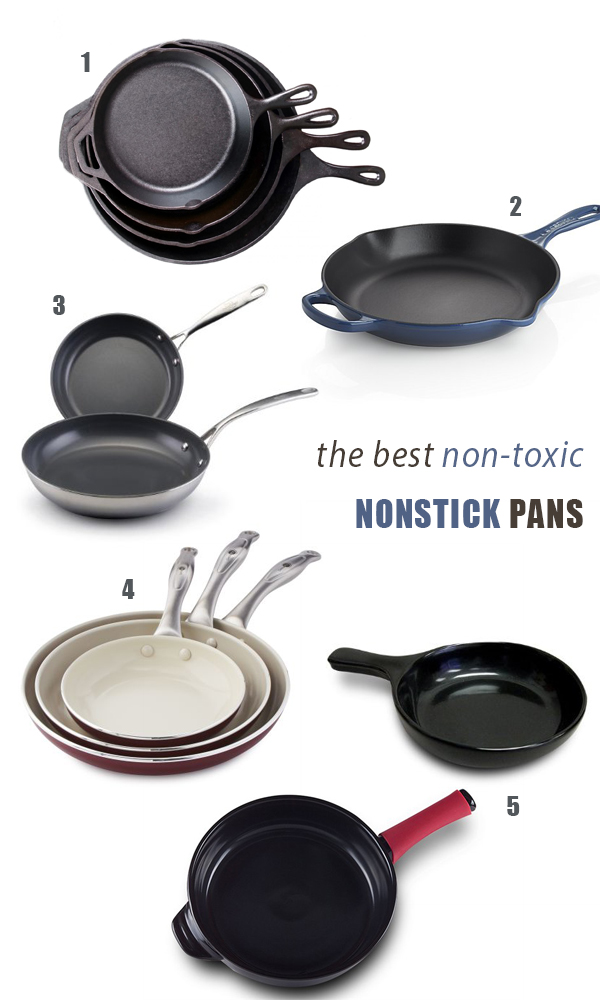
Cast iron cookware is naturally nonstick when properly seasoned. Seasoning is a layer of polymerized oil baked onto the pan’s surface. This creates a slick, durable coating that improves with use.
Why cast iron is safe:
- No synthetic chemicals or coatings
- Can last for decades with care
- Even heat retention and distribution
- Improves flavor of food over time
Seasoned cast iron requires regular maintenance:
- Clean without soap or use mild soap sparingly
- Dry immediately to prevent rust
- Apply a thin layer of oil after each use
- Re-season as needed by heating oil on the pan
Cast iron is heavy and requires more care than coated pans. It is ideal for those wanting a chemical-free, long-lasting nonstick option.
Stainless Steel Alternatives
Stainless steel cookware does not have a nonstick coating but can perform well when used correctly. It is safe, durable, and resistant to rust and corrosion. Cooking techniques like preheating and using enough oil help reduce sticking.
Benefits of stainless steel cookware:
- Contains no harmful coatings or chemicals
- Very durable and dishwasher safe
- Can withstand very high heat
- Does not react with acidic foods
Tips for using stainless steel effectively:
- Preheat pan before adding oil
- Use enough oil or butter to create a barrier
- Avoid moving food too soon to prevent sticking
- Clean with a non-abrasive cleaner to maintain surface
Stainless steel is best for those who prefer chemical-free cookware and don’t mind a learning curve for cooking techniques.
Key Features To Look For
Choosing the safest nonstick cookware means understanding key features that affect health and performance. Not all nonstick pans are created equal. Some materials can release harmful chemicals or wear out quickly. Focus on features that ensure safety, durability, and cooking quality. These features help you find cookware that lasts and protects your health.
Pfoa And Ptfe Free Labels
Check the label to confirm if cookware is PFOA and PTFE free. These chemicals are common in older nonstick coatings but can be harmful. PFOA (Perfluorooctanoic acid) was used in manufacturing but is linked to health risks. PTFE (Polytetrafluoroethylene) is the coating material in Teflon but can release toxic fumes at high heat.
Safe nonstick cookware will have labels such as:
- PFOA-free: Means no harmful PFOA was used or released.
- PTFE-free or low-PTFE: Indicates less or no PTFE, reducing toxic fume risk.
- Ceramic coating: A natural alternative without these chemicals.
Use this table to understand common labels:
| Label | Meaning | Health Impact |
|---|---|---|
| PFOA-Free | No PFOA used in coating | Safer, no chemical release |
| PTFE-Free | No PTFE coating | Less risk of fumes |
| Ceramic Coating | Natural, inorganic coating | Non-toxic and safe |
Always choose cookware clearly marked PFOA and PTFE free. This reduces health risks and improves safety.
Durability And Scratch Resistance
Durability is essential for safe nonstick cookware. Scratches can damage the coating, causing flakes to enter food. Strong materials last longer and stay safe.
Look for these durability features:
- Hard-anodized aluminum: Very tough and scratch resistant.
- Ceramic coatings: Hard but can wear with time.
- Reinforced coatings: Coatings mixed with minerals for strength.
Use nonmetal utensils to avoid scratches. Keep cookware clean and avoid abrasive scrubbers. Here is a comparison table for durability:
| Material | Scratch Resistance | Durability |
|---|---|---|
| Hard-Anodized Aluminum | High | Very durable |
| Ceramic Coating | Medium | Moderate, wears with use |
| Traditional PTFE | Low to Medium | Less durable, scratches easily |
Durable cookware saves money and keeps your food safe. Avoid scratched pans to prevent coating ingestion.
Heat Tolerance Levels
Heat tolerance shows the maximum temperature cookware can handle safely. High heat can damage coatings and release toxins. Safe nonstick pans have clear heat limits.
Important points about heat tolerance:
- PTFE coatings: Safe below 500°F (260°C), dangerous fumes above this.
- Ceramic coatings: Usually tolerate higher heat, up to 600°F (315°C).
- Hard-anodized pans: Handle high heat well but check coating specifics.
Follow the manufacturer’s heat guidelines strictly. Avoid overheating empty pans. Use medium to low heat for most cooking.
Here is a quick reference table for heat tolerance:
| Coating Type | Max Safe Temperature | Notes |
|---|---|---|
| PTFE (Teflon) | 500°F (260°C) | Release fumes if overheated |
| Ceramic | 600°F (315°C) | More heat resistant |
| Hard-Anodized | Varies, usually 500-600°F | Check label |
Cookware with high heat tolerance offers safety and versatility. Proper heat use preserves coating and food safety.

Credit: www.delish.com
Top Safe Nonstick Cookware Brands
Top Safe Nonstick Cookware Brands help make cooking healthier and easier. Choosing the right cookware means avoiding harmful chemicals and enjoying meals without sticking or burning. Safe nonstick pans often use ceramic, anodized aluminum, cast iron, or stainless steel. These materials offer durability and better health safety compared to older nonstick coatings. Let’s explore the best brands in each category that combine safety, quality, and performance.
Popular Ceramic Brands
Ceramic cookware is famous for its natural nonstick surface without harmful chemicals. It is free from PTFE and PFOA, which makes it a safer choice. Ceramic pans also heat evenly and clean easily.
- GreenPan: One of the first brands to offer ceramic nonstick cookware. Their Thermolon coating is non-toxic and scratch-resistant.
- Caraway: Known for stylish designs and eco-friendly materials. Their ceramic coating is free of heavy metals and safe for all stovetops.
- Zwilling Spirit: Combines German engineering with ceramic technology. Durable and suitable for high heat.
Below is a quick comparison of popular ceramic brands:
| Brand | Coating Type | Oven Safe | Price Range |
|---|---|---|---|
| GreenPan | Thermolon Ceramic | Up to 600°F | $$ |
| Caraway | Non-toxic Ceramic | Up to 550°F | $$$ |
| Zwilling Spirit | Ceramic | Up to 500°F | $$$ |
Choose ceramic cookware for easy cleanup and chemical-free cooking. These brands offer great options for health-conscious cooks.
Trusted Anodized Aluminum Options
Anodized aluminum cookware is strong and safe. The anodizing process hardens the surface and prevents aluminum from leaching into food. It also creates a natural nonstick layer without added chemicals.
- Calphalon: Offers hard-anodized aluminum pans with durable nonstick surfaces. Known for even heating and long-lasting use.
- All-Clad HA1: Combines anodized aluminum with stainless steel for durability and safe cooking.
- Circulon: Uses a unique raised circle nonstick pattern on anodized aluminum for better food release.
Key features of anodized aluminum cookware:
- Resists scratches and corrosion
- Distributes heat evenly
- Safe for daily cooking without toxic coatings
Here is a simple table highlighting these options:
| Brand | Material | Nonstick Type | Oven Safe |
|---|---|---|---|
| Calphalon | Hard-Anodized Aluminum | PTFE-based (PFOA-free) | Up to 450°F |
| All-Clad HA1 | Hard-Anodized Aluminum + Stainless Steel | PTFE-based (PFOA-free) | Up to 500°F |
| Circulon | Hard-Anodized Aluminum | PTFE-based (PFOA-free) | Up to 400°F |
Anodized aluminum pans are a smart choice for durability and safer nonstick performance.
Best Cast Iron And Stainless Steel Picks
Cast iron and stainless steel cookware are naturally safe options without chemical coatings. They require more care but last for decades. Both materials offer excellent heat retention and distribution.
- Lodge Cast Iron: Well-seasoned pans that build natural nonstick layers over time. Ideal for searing and slow cooking.
- Le Creuset Cast Iron: Enameled cast iron with a smooth, non-reactive surface. Easy to clean and does not require seasoning.
- All-Clad Stainless Steel: High-quality tri-ply stainless steel pans. Non-reactive, durable, and perfect for browning or sautéing.
Advantages of cast iron and stainless steel cookware:
- No synthetic coatings or toxins
- Can handle very high heat
- Develops natural nonstick surface with use
- Suitable for all cooking surfaces including induction
Summary table of top picks:
| Brand | Material | Coating | Oven Safe |
|---|---|---|---|
| Lodge | Cast Iron | Seasoned Natural Nonstick | Up to 500°F |
| Le Creuset | Enameled Cast Iron | Porcelain Enamel | Up to 500°F |
| All-Clad | Stainless Steel | None (Polished Surface) | Up to 600°F |
Cast iron and stainless steel offer timeless safety and cooking quality. They remain top choices for non-toxic cookware.
Maintenance Tips For Longevity
Maintaining the safest nonstick cookware is key to keeping it in top shape for years. Proper care helps preserve the nonstick surface and keeps your food healthy. Small habits can protect your pans from scratches and damage. Follow simple maintenance tips to enjoy cooking safely and easily.
Cleaning Without Damage
Cleaning nonstick cookware carefully prevents damage to the coating. Use warm water and a mild dish soap to wash your pans. Avoid harsh chemicals or abrasive sponges that can scratch the surface. A soft sponge or cloth works best. Let the pan cool before cleaning to avoid warping.
- Rinse pans immediately after use to remove food residue.
- Use a gentle scrubber for stuck-on food, like a nylon brush.
- Do not put nonstick pans in the dishwasher; hand wash only.
- For tough stains, soak the pan in warm, soapy water for 15 minutes.
Here is a quick guide on cleaning methods:
| Cleaning Method | Good For | Avoid |
|---|---|---|
| Soft sponge and mild soap | Daily cleaning | Scratches or coating damage |
| Nylon brush | Stuck food removal | Metal brushes or steel wool |
| Soaking in warm water | Heavy stains | Harsh chemicals or bleach |
Proper Storage Practices
Storing nonstick cookware correctly extends its life. Avoid stacking pans directly on top of each other. This can cause scratches and damage the coating. Use pan protectors or cloth between stacked pans. Store lids separately or upside down to save space and avoid pressure on pans.
Follow these tips for safe storage:
- Place soft cloth or paper towels between pans when stacking.
- Hang pans by their handles to avoid scratches.
- Store in a dry place to prevent rust on metal parts.
- Keep lids in a separate rack or holder.
Proper storage reduces wear and keeps pans ready for cooking. It also prevents accidental damage during daily kitchen use.
Avoiding Harmful Utensils
Using the right utensils protects the nonstick surface. Metal tools can scratch and wear down the coating. Use wooden, silicone, or plastic utensils for stirring and flipping. These materials are gentle and safe for your cookware.
Tips to avoid damage from utensils:
- Never use knives or forks to cut food directly in the pan.
- Choose heat-resistant silicone spatulas for cooking.
- Replace utensils if they have rough or sharp edges.
- Avoid using metal whisks or tongs inside nonstick pans.
Maintaining this habit keeps your cookware smooth and effective. It prevents peeling and extends the pan’s nonstick life.
Comparing Costs And Benefits
Choosing the safest nonstick cookware means balancing cost and benefits. Not all nonstick pans are equal in price or health safety. Some cost more but last longer and offer better health protection. Others are cheaper but may wear out fast or have chemicals that cause concern. Understanding the trade-offs helps make a smart purchase that fits your budget and health goals.
Initial Investment Vs Lifespan
Nonstick cookware prices range widely. Basic pans can cost under $20, while premium options reach over $100. A higher price often means better materials and longer lifespan. Cheaper pans may lose their coating quickly, leading to early replacement.
- Low-cost pans: Affordable but may last 1-2 years.
- Mid-range pans: Cost $40-$80, lasting 3-5 years with care.
- Premium pans: Over $100, can last 5+ years.
Here is a simple comparison:
| Price Range | Expected Lifespan | Durability | Replacement Frequency |
|---|---|---|---|
| Under $20 | 1-2 years | Low | High |
| $40 – $80 | 3-5 years | Medium | Moderate |
| Over $100 | 5+ years | High | Low |
Spending more initially can save money over time. A durable pan reduces waste and saves replacement costs.
Health Benefits Vs Price
The safest nonstick cookware avoids harmful chemicals like PFOA and PFAS. These substances may cause health risks when heated. Cookware labeled PFOA-free or made from ceramic coatings offers better safety.
Price often reflects the safety of materials used:
- Cheap nonstick pans might contain risky chemicals.
- Mid-range options usually have safer coatings.
- Premium cookware often uses non-toxic, natural materials.
Consider this quick guide:
| Price Range | Common Coating Type | Health Safety |
|---|---|---|
| Under $20 | Traditional PTFE with unknown PFOA status | Low to Moderate |
| $40 – $80 | PFOA-free PTFE or ceramic | Moderate to High |
| Over $100 | Ceramic, anodized aluminum, or other natural coatings | High |
Spending more can reduce exposure to toxic chemicals. This protects long-term health without much effort.
Environmental Considerations
Nonstick cookware impacts the environment during production and disposal. Some coatings release harmful chemicals that pollute air and water. Others use sustainable materials with less environmental harm.
Key environmental factors:
- Material source: Aluminum mining affects ecosystems.
- Manufacturing process: Chemicals used may cause pollution.
- End of life: Non-recyclable pans add to landfill waste.
Eco-friendly options include:
- Ceramic coatings: Made from natural minerals, biodegradable.
- Anodized aluminum: Durable, recyclable, less toxic.
- Cast iron: Long-lasting, recyclable, no chemical coatings.
Choosing pans with longer lifespan and recyclable materials lowers environmental impact. Avoid disposable or cheap pans that wear quickly and pollute more.
Credit: stahlkitchens.com
Frequently Asked Questions
What Materials Make Cookware Safest And Nonstick?
Ceramic, hard-anodized aluminum, and stainless steel with non-toxic coatings rank safest. They avoid harmful chemicals like PFOA and PTFE. These materials provide durability and excellent nonstick performance without toxic risks, making them ideal for health-conscious cooking.
Is Ceramic Cookware Safer Than Traditional Nonstick?
Yes, ceramic cookware is generally safer. It uses natural, non-toxic coatings that don’t release harmful fumes. Ceramic also withstands higher heat without degrading. This makes it a popular choice for those seeking nonstick options without chemical concerns.
How To Identify Safe Nonstick Cookware Brands?
Look for PFOA and PTFE-free labels. Choose reputable brands with transparent ingredient lists. Certifications from health or safety organizations add trust. Reading customer reviews and expert tests also helps ensure product safety and performance.
Can Nonstick Cookware Release Harmful Chemicals?
Some traditional nonstick pans release toxic fumes when overheated above 500°F. Safer options like ceramic or hard-anodized aluminum avoid this risk. Using cookware within recommended temperatures prevents chemical release, ensuring healthier cooking conditions.
Conclusion
Choosing safe nonstick cookware protects your health and improves cooking. Materials like ceramic, stainless steel, and cast iron offer good options. Avoid cookware with harmful chemicals or coatings that can release toxins. Regular care helps your pans last longer and stay safe.
Safe cookware makes cooking easier and better for your family. Take time to pick quality products that fit your needs. Cooking with safe pans brings peace of mind every day. Your kitchen deserves cookware that keeps you healthy and happy.

Hello, This is Annie Walker, a 38-year-old blogger, founder, and editor of Cookware Guider from NY, USA. I am a cookware fanatic and passionate cooker. I love to cook with different types of cooking appliances (example: all types of cookware, rice cookers, slow cookers, etc) almost every day in my kitchen. I love to share my experience with my readers in my blog. Also, I enjoy helping people to solve their problems through my website. You can follow me on Twitter & Pinterest. To know details about my blog please check the about us page.