
When you’re ready to pan fry chicken, one question often pops up: what temperature should you use? Getting this just right can make all the difference between juicy, golden chicken and dry or burnt pieces.
You want that perfect crispy outside and tender inside every time. You’ll discover exactly how to control your pan’s heat to achieve mouthwatering results. Keep reading, and you’ll never worry about frying chicken the wrong way again.
Choosing The Right Pan
Choosing the right pan is key to pan frying chicken well. The pan affects how evenly the chicken cooks and how crispy the outside gets. Picking the right type and size helps control the heat and prevents sticking. This makes the cooking process easier and the results tastier.
Cast Iron Vs Non-stick
Cast iron pans hold heat very well. They create a nice, even crust on chicken. These pans get very hot and keep heat steady. This helps cook chicken evenly without hot spots. Cast iron needs oil to stop food from sticking. It also requires care to keep it seasoned.
Non-stick pans need less oil. Chicken slides easily without sticking. They heat up quickly but do not hold heat long. Non-stick pans work well for gentle cooking. They are easier to clean but may not give a crispy crust like cast iron.
Size And Depth Matters
Choose a pan that fits your chicken pieces without crowding. Crowding lowers the pan’s temperature. This causes chicken to steam instead of fry. A wider pan allows heat to spread evenly. It gives chicken space to brown on all sides.
Depth is important too. A shallow pan helps moisture evaporate fast. This keeps the chicken crispy. A very deep pan may trap steam. This makes the chicken less crispy and soggy. Pick a pan with medium depth for best results.
Ideal Oil Selection
Choosing the right oil is key to pan frying chicken perfectly. The ideal oil helps cook the chicken evenly and creates a crispy outside. It also affects the flavor and how healthy the dish turns out. Picking oil with the right temperature range keeps the chicken juicy inside without burning the outside.
Smoke Points To Consider
Smoke point means the temperature where oil starts to burn and smoke. Using oil with a high smoke point is best for frying chicken. Oils that burn easily can give a bad taste. They can also produce harmful chemicals. For pan frying, choose oils with smoke points above 350°F (175°C). This keeps the oil stable and safe while cooking.
Best Oils For Crispiness
Oils like peanut, canola, and sunflower work well for crispy chicken. These oils have high smoke points and neutral flavors. They let the chicken brown nicely without burning. Olive oil is good for medium heat but not for very high heat frying. Using the right oil helps get a golden, crunchy crust that tastes great.
Setting The Perfect Temperature
Setting the perfect temperature is key to pan frying chicken well. Too hot, and the outside burns while the inside stays raw. Too low, and the chicken cooks slowly, becoming dry and greasy. The right heat makes the chicken crispy outside and juicy inside.
Optimal Heat Range
Set your pan to medium or medium-high heat. This means about 325°F to 375°F (160°C to 190°C). This range cooks the chicken evenly. It helps create a golden crust without burning. Keep the temperature steady for best results.
Using A Thermometer
A cooking thermometer helps keep the oil at the right heat. Insert it into the oil, not touching the pan. Check the temperature often. Adjust the stove heat to keep it in the correct range. This avoids overheating or cooling down too much.
Signs Of Proper Heat
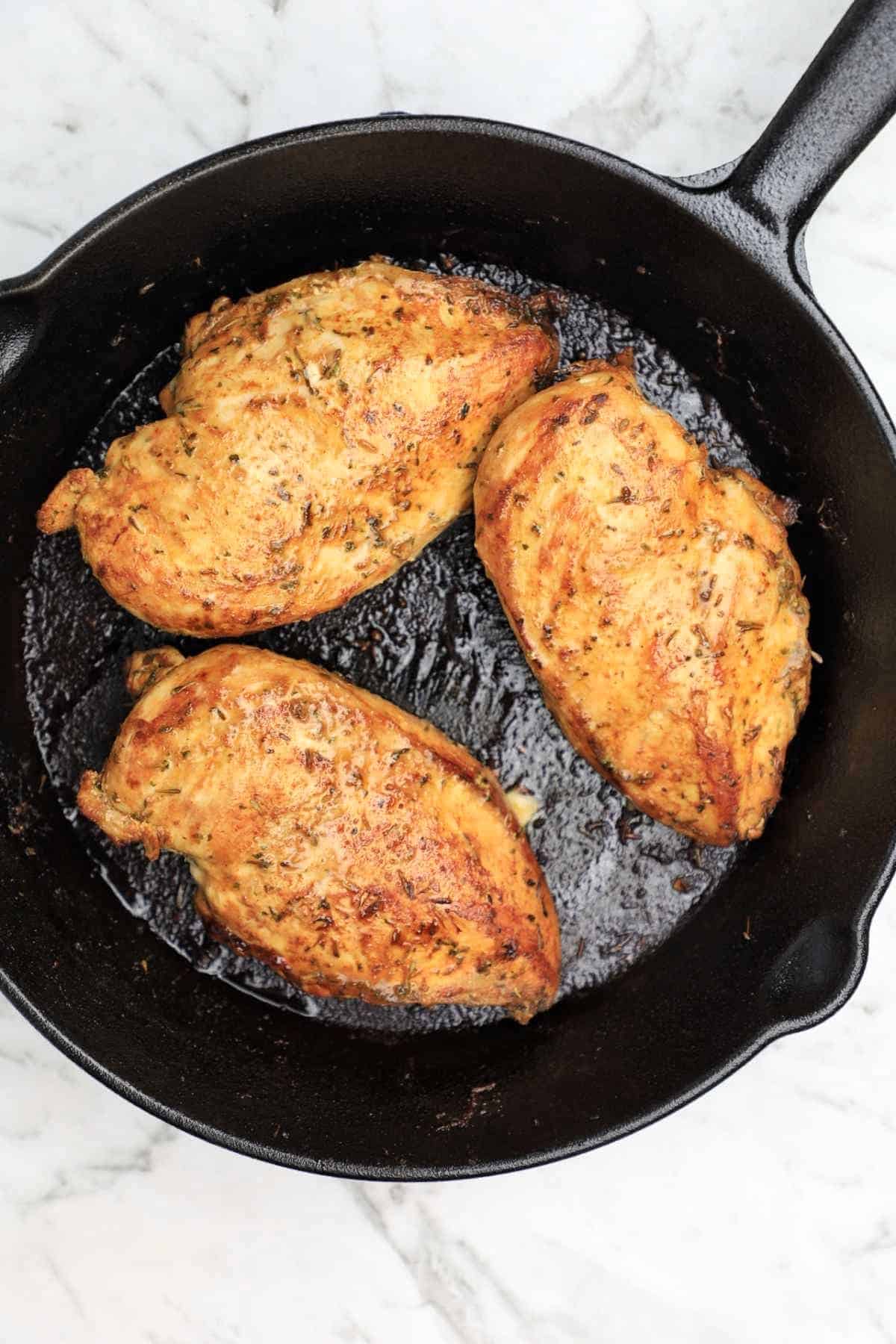
Look for small bubbles around the chicken edges when frying. The oil should shimmer but not smoke. The chicken should sizzle gently, not roar. If the oil smokes, lower the heat immediately. These signs show the heat is just right.
Credit: www.recipevibes.com
Preparing Chicken For Pan Frying
Preparing chicken for pan frying is a key step for great taste and texture. The right preparation helps the chicken cook evenly and become crispy outside. It also keeps the inside juicy and tender. Follow these simple steps before cooking.
Patting Dry For Crispiness
Start by patting the chicken dry with paper towels. Removing moisture helps the chicken brown better. Wet chicken can steam instead of fry, making it less crispy. Make sure to dry both sides well. This small step makes a big difference in texture.
Seasoning Tips
Season the chicken with salt and pepper before frying. Salt enhances the flavor and helps create a tasty crust. Add other spices like garlic powder, paprika, or herbs for extra flavor. Season evenly to avoid bland spots. Seasoning early lets the flavors soak in.
Breading And Coating Options
Choose a breading or coating if you want extra crunch. Use flour, breadcrumbs, or crushed crackers for different textures. Dip chicken in beaten eggs or milk before coating to help it stick. Press the coating gently to cover the chicken well. This layer seals in juices and adds crispiness.
Pan Frying Techniques
Pan frying chicken is a quick and tasty way to prepare a meal. Using the right techniques helps cook the chicken evenly and keeps it juicy. This section explains how to pan fry chicken with the best results.
Preheating The Pan
Start by heating the pan before adding oil or chicken. A hot pan helps create a crispy outside. Heat the pan on medium heat for about 3-5 minutes. Test by sprinkling a drop of water; it should sizzle and evaporate fast.
Managing Heat During Cooking
Keep the heat steady to avoid burning or undercooking. Medium to medium-high heat works well for chicken. Lower the heat if the chicken browns too fast. Adjust the temperature to cook the chicken through without drying it out.
Flipping And Timing
Flip the chicken only once or twice during cooking. This helps form a golden crust. Cook each side for 4-6 minutes depending on thickness. Use a timer to keep track and avoid guessing. The chicken is done when its internal temperature reaches 165°F (74°C).
Avoiding Common Mistakes
Avoiding common mistakes can make pan-frying chicken easier and tastier. Many cooks face problems that ruin texture and flavor. Fixing these errors helps keep chicken juicy and golden brown. Below are key points to watch out for during cooking.
Overcrowding The Pan
Putting too many pieces in the pan lowers the temperature. Chicken steams instead of frying. This causes soggy skin and uneven cooking. Cook in batches for crisp, well-cooked chicken every time.
Cooking On Too High Or Low Heat
Heat that is too high burns the outside before the inside cooks. Too low heat makes chicken dry and tough. Keep the oil at medium heat for even cooking and a crispy crust.
Not Letting Oil Heat Properly
Adding chicken to cold oil causes sticking and soggy texture. Wait for oil to shimmer before adding chicken. Hot oil seals the surface and locks in juices for better taste.
Checking Doneness
Checking doneness is very important when pan frying chicken. It ensures the chicken is safe to eat and tastes good. You want the chicken cooked through but not dry. Overcooking can make it tough. Undercooking can cause health risks. Use simple ways to check if the chicken is done.
Internal Temperature Guidelines
Use a meat thermometer for the best check. Insert it into the thickest part of the chicken. The safe temperature for cooked chicken is 165°F (75°C). At this temperature, harmful bacteria are killed. Avoid guessing by color or time alone. Temperature gives a clear and reliable sign.
Visual And Texture Cues
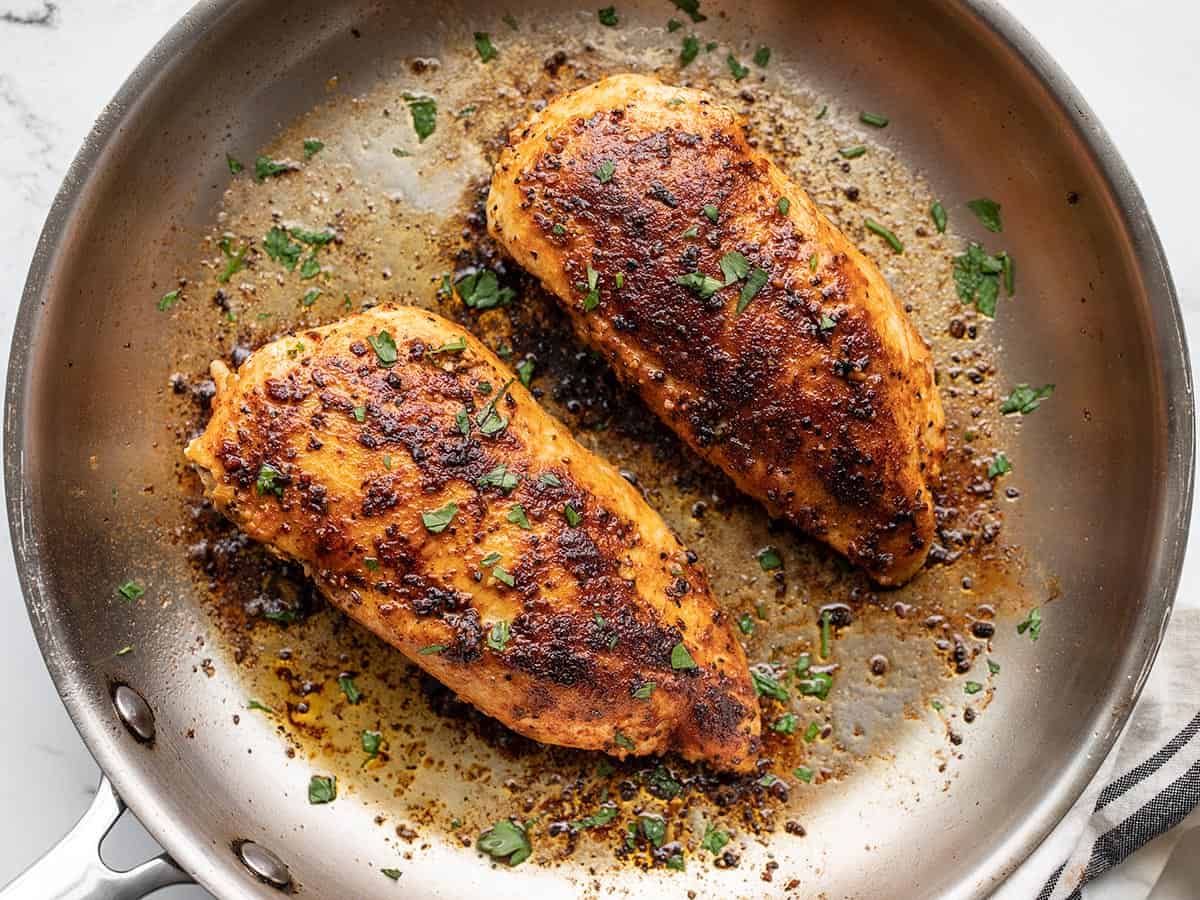
Look at the chicken’s color inside. The meat should be white or light tan, not pink. Juice should run clear, not red or pink. Press the chicken with a fork or finger. It should feel firm but not hard. Soft or squishy means undercooked. These signs help when you don’t have a thermometer.
Credit: www.budgetbytes.com
Resting And Serving
After pan frying chicken, the resting and serving steps are key for great taste. Resting lets the juices spread evenly inside. This keeps the chicken moist and tender. Serving the chicken properly keeps the crispiness and adds to the meal’s appeal.
Why Resting Matters
Resting chicken after frying helps keep it juicy. Cutting it right away lets juices run out. This makes the meat dry and less tasty. Let the chicken rest for 5 to 10 minutes. Cover it loosely with foil to keep warm. The heat inside will finish cooking the chicken gently.
Serving Suggestions For Crisp Chicken
Serve chicken on warm plates to keep it hot. Pair it with fresh salads or steamed vegetables. Add a squeeze of lemon for bright flavor. Use dipping sauces like honey mustard or spicy mayo. Serve crisp chicken with sides that balance the crunchy texture.
Credit: www.budgetbytes.com
Frequently Asked Questions
What Is The Ideal Pan Frying Temperature For Chicken?
The ideal temperature to pan fry chicken is 325°F to 375°F (163°C to 190°C). This range ensures the chicken cooks evenly and develops a crispy, golden crust without burning.
How To Maintain Temperature When Pan Frying Chicken?
Use medium to medium-high heat and adjust the burner as needed. Preheat the pan and avoid overcrowding to keep temperature steady for even cooking.
Can I Use High Heat To Pan Fry Chicken Faster?
High heat can burn the outside while leaving the inside raw. Medium-high heat is best for thorough cooking and a crispy crust without dryness.
Why Is Temperature Control Important When Pan Frying Chicken?
Proper temperature ensures chicken cooks evenly, stays juicy, and achieves a crispy exterior. It prevents burning or undercooking, enhancing flavor and food safety.
Conclusion
Pan frying chicken at the right temperature makes all the difference. Keep the oil around 350°F (175°C) for a crispy outside and juicy inside. Too hot, and the chicken burns; too low, and it gets soggy. Use a thermometer or test with a small piece first.
Cook evenly on both sides for best results. This simple step helps your chicken taste great every time. Now, enjoy your perfectly pan-fried chicken with confidence!

Hello, This is Annie Walker, a 38-year-old blogger, founder, and editor of Cookware Guider from NY, USA. I am a cookware fanatic and passionate cooker. I love to cook with different types of cooking appliances (example: all types of cookware, rice cookers, slow cookers, etc) almost every day in my kitchen. I love to share my experience with my readers in my blog. Also, I enjoy helping people to solve their problems through my website. You can follow me on Twitter & Pinterest. To know details about my blog please check the about us page.