
Choosing the right pan for frying can change the way your food tastes and cooks. You might think any pan will do, but the truth is, the type of pan you use makes a big difference.
Imagine crispy, golden fries or perfectly seared steaks—getting that result depends a lot on your pan. If you want to cook like a pro and enjoy meals that turn out just right every time, you need to know which pan suits your frying style best.
Keep reading, and you’ll discover the secret to picking the perfect frying pan for your kitchen.
Choosing The Right Pan
Choosing the right pan for frying affects how your food cooks and tastes. A good pan helps heat spread evenly. It also makes flipping and serving easier. Picking the best pan depends on what you cook and how you cook it. Consider the pan’s material, size, shape, handle, and weight. Each factor plays a role in your frying experience.
Material Matters
The pan’s material controls heat fast and steady. Cast iron holds heat well and gives a crispy finish. Stainless steel pans heat quickly and resist rust. Non-stick pans are easy to clean and good for delicate food. Aluminum pans heat fast but can warp with high heat. Copper pans provide precise heat control but need more care.
Size And Shape Considerations
Choose a pan size that fits your stove and food amount. A 10-inch pan works for most frying tasks. Shallow pans are good for quick frying and flipping. Deep pans hold more oil for frying bigger items. Round pans spread heat evenly, while square pans offer more cooking space. Pick a shape that matches your cooking style.
Handle And Weight
A sturdy handle helps control the pan safely. Handles made of metal or heat-resistant plastic stay cool longer. A heavy pan feels stable but can tire your hand. Lightweight pans are easier to lift and move. Balance between weight and comfort is key for daily cooking. Check the handle’s grip before buying.

Credit: www.bbcgoodfood.com
Popular Pan Types For Frying
Choosing the right pan for frying makes a big difference in cooking. Different pans suit different frying styles. Some pans heat evenly, while others prevent food from sticking. Knowing popular pan types helps pick the best one for your kitchen.
Cast Iron Pans
Cast iron pans hold heat very well. They get very hot and cook food evenly. Great for frying steaks and vegetables. They need seasoning to stay nonstick. Heavy but very durable. Perfect for high-heat frying.
Stainless Steel Pans
Stainless steel pans are strong and last long. They do not react with acidic foods. Heat spreads slower than cast iron. Food can stick if the pan is not hot enough. Ideal for frying with oil or butter.
Nonstick Pans
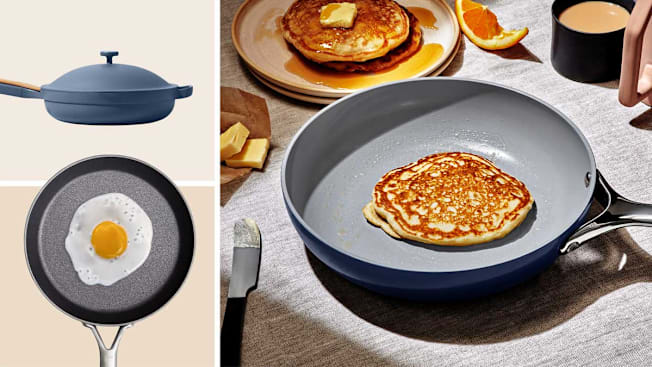
Nonstick pans prevent food from sticking. Good for frying eggs or delicate fish. They need low to medium heat. Easy to clean and light to handle. Coating can wear off over time. Best for quick and easy frying.
Carbon Steel Pans
Carbon steel pans heat fast and evenly. Similar to cast iron but lighter. They become naturally nonstick after seasoning. Great for stir-frying and searing. Strong and long-lasting. Requires care to avoid rust.
Copper Pans
Copper pans heat up very quickly. They offer excellent temperature control. Often lined with stainless steel inside. Expensive but great for precise frying. Handle with care to keep shiny. Best for cooks who want control.
Heat Conductivity And Distribution
Heat conductivity and distribution are key factors in choosing the best pan for frying. These qualities determine how quickly and evenly the pan heats up. A pan with good heat conductivity cooks food faster and more evenly. Poor heat distribution causes hot spots. Hot spots burn food in some areas while leaving others undercooked.
Understanding how different materials handle heat helps pick the right pan. Each material has unique properties affecting cooking results. Some materials heat quickly but unevenly. Others heat slower but spread heat smoothly. Knowing these differences improves frying success.
Which Materials Heat Best
Copper is one of the best heat conductors. It heats quickly and spreads heat evenly. This quality makes copper pans ideal for frying delicate foods. Aluminum also heats fast and distributes heat well. Many pans use aluminum cores to boost performance.
Stainless steel heats slower and unevenly. It can cause hot spots during frying. Combining stainless steel with aluminum or copper layers improves heat distribution. Cast iron heats slowly but holds heat very well. It gives steady heat, perfect for frying thicker cuts.
Impact On Cooking Performance
Good heat distribution prevents burning and uneven cooking. Food cooks uniformly with less effort. Pans that heat quickly reduce cooking time. This saves energy and keeps food juicy.
Pans with poor heat distribution require constant attention. You must move food to avoid burning. Even heat helps achieve the right texture and color. The right pan improves taste and appearance of fried food.
Credit: www.consumerreports.org
Durability And Maintenance
Durability and maintenance are key factors when choosing a frying pan. A durable pan lasts long and saves money. Proper care keeps the pan working well and looking good. Different pans need different care and cleaning. Knowing how to maintain your pan helps it perform better over time.
Cleaning Tips
Clean your pan after each use. Use warm water and mild soap. Avoid harsh scrubbers that can damage the surface. For stuck food, soak the pan in water first. Use a soft sponge to gently remove residue. Dry the pan completely to stop rust or stains.
Seasoning Requirements
Some pans, like cast iron, need seasoning. Seasoning creates a non-stick layer and protects the pan. To season, apply a thin layer of oil and heat the pan. Repeat this regularly to keep the surface smooth. Non-stick and stainless steel pans usually do not need seasoning.
Longevity Of Different Pans
Cast iron pans can last for decades with care. Stainless steel pans resist rust and stay strong for years. Non-stick pans wear out faster and need gentle use. Copper pans require regular polishing to keep their shine. Choose a pan that fits your cooking style and care habits.
Cooking Techniques For Perfect Sizzles
Cooking techniques matter a lot for the perfect sizzle. A great pan alone does not guarantee crispy, tasty food. How you prepare and use the pan plays a big role. Small steps make a big difference in frying success.
Follow simple tips to get that satisfying sound and golden color. These tips help your food cook evenly and lock in flavor. Let’s explore key techniques for frying with the best pan.
Preheating Your Pan
Always preheat your pan before adding oil or food. A hot pan helps food cook quickly and evenly. It stops sticking and creates that crisp crust you want. Heat the pan on medium for a few minutes. Test by dropping a small water drop. If it dances, the pan is ready.
Oil Selection And Usage
Choose oil with a high smoke point like vegetable or canola oil. These oils stay stable at high heat and do not burn quickly. Use just enough oil to cover the bottom of the pan. Too much oil makes food greasy. Too little causes sticking. Spread the oil evenly for good contact with food.
Temperature Control
Keep the pan temperature steady during frying. Too hot burns food outside while leaving inside raw. Too low makes food soggy and oily. Adjust heat as you cook to maintain even sizzling. Watch and listen to the food. The right sizzle sounds steady and clear, not popping or smoking.
Special Considerations
Choosing the right pan for frying involves more than just the material and size. Special factors affect how well a pan works in your kitchen. These include how the pan interacts with your stove, if it can handle oven heat, and how much you want to spend. Understanding these points helps pick the best pan for your needs.
Induction Compatibility
Not all pans work on induction stoves. Induction cooking uses magnets to heat pans. The pan must be magnetic. Stainless steel and cast iron often work well. Aluminum and copper usually do not, unless they have a magnetic layer. Check if the pan says “induction compatible” before buying.
Oven Safety
Some pans can go in the oven, others cannot. Oven-safe pans let you finish cooking or keep food warm. Cast iron and stainless steel pans often handle oven heat well. Non-stick pans may have limits on temperature. Handles also matter; plastic handles might melt. Always check the manufacturer’s oven safety guidelines.
Cost Vs. Performance
High-quality pans cost more but last longer. Cheap pans may wear out quickly or cook unevenly. Consider how often you fry and your budget. Investing in a durable pan can save money over time. Balance cost with features like heat distribution and ease of cleaning.
Expert Tips For Frying Success
Frying is an easy and quick way to cook food. Using the right pan helps make the food crispy and tasty. Experts share tips that improve frying results. These tips help avoid errors and make food delicious every time.
Avoiding Common Mistakes
Use a pan that heats evenly to prevent hot spots. Avoid overcrowding the pan; food cooks better with space. Keep the oil hot but not smoking. Too low heat makes food greasy. Too high heat burns the outside but leaves inside raw. Dry food before frying to stop oil splattering. Use the right amount of oil to cover the food halfway.
Enhancing Flavor And Texture
Use pans with non-stick surfaces for easy flipping and less oil. Cast iron pans keep heat steady for crispier results. Preheat the pan well before adding food. This seals moisture inside and creates a golden crust. Add fresh herbs or spices to the oil for extra aroma. Let fried food rest on paper towels to drain excess oil. This keeps food crispy and light.

Credit: www.independent.co.uk
Frequently Asked Questions
What Materials Are Best For Frying Pans?
Stainless steel, cast iron, and non-stick pans are ideal for frying. Stainless steel heats evenly. Cast iron retains heat well. Non-stick pans prevent food from sticking and require less oil, making them healthier options.
Why Is Cast Iron Good For Frying?
Cast iron retains and distributes heat evenly. It creates a natural non-stick surface when seasoned properly. This pan type is durable and perfect for high-heat frying, ensuring food cooks thoroughly and develops a crispy texture.
Are Non-stick Pans Safe For Frying?
Yes, non-stick pans are safe if used correctly. Avoid overheating above 500°F to prevent coating damage. They reduce oil usage and make cleaning easier. Use silicone or wooden utensils to maintain the surface.
How Do Stainless Steel Pans Perform When Frying?
Stainless steel pans heat evenly and withstand high temperatures. They don’t react with food or alter flavors. Proper preheating and oil usage prevent sticking, making them excellent for frying various ingredients.
Conclusion
Choosing the right pan makes frying easier and tastier. Cast iron holds heat well for crispy results. Non-stick pans need less oil and clean fast. Stainless steel pans are strong and good for high heat. Think about what you cook most and how you clean.
A good pan fits your kitchen and cooking style. Test different types to find your favorite. Enjoy cooking with the pan that suits you best.

Hello, This is Annie Walker, a 38-year-old blogger, founder, and editor of Cookware Guider from NY, USA. I am a cookware fanatic and passionate cooker. I love to cook with different types of cooking appliances (example: all types of cookware, rice cookers, slow cookers, etc) almost every day in my kitchen. I love to share my experience with my readers in my blog. Also, I enjoy helping people to solve their problems through my website. You can follow me on Twitter & Pinterest. To know details about my blog please check the about us page.