
Are you tired of chicken that’s either dry or greasy when you pan fry it? The secret to perfect, juicy chicken lies in one simple thing: the right temperature.
Get this wrong, and you might end up with undercooked meat or a burnt outside. But when you know exactly what temp to pan fry chicken at, you unlock a whole new level of flavor and texture. Keep reading, because mastering this one step will change the way you cook chicken forever.
Choosing The Right Pan
Choosing the right pan is key to pan frying chicken perfectly. The type of pan affects heat distribution and cooking time. A good pan helps cook chicken evenly and prevents sticking. This makes the cooking process smooth and the result tasty.
Nonstick Vs Cast Iron
Nonstick pans are easy to clean and need less oil. They work well for delicate chicken pieces. Cast iron pans hold heat longer and create a crispy crust. They are heavy but last a long time. Cast iron is great for high-heat cooking and browning chicken.
Size And Thickness Matters
Choose a pan size that fits your chicken pieces without crowding. Crowded pans lower the temperature and cause steaming. Thick pans hold heat better and cook evenly. Thin pans heat up fast but can create hot spots. A thicker pan gives better control over cooking temperature.
Ideal Temperature Range
Cooking chicken in a pan needs the right temperature. Too hot, and the outside burns before the inside cooks. Too low, and the chicken turns dry and tough. The ideal temperature range helps cook chicken evenly and keeps it juicy.
Using the correct heat level ensures the chicken gets a nice golden crust. It also helps keep the meat tender and flavorful. Knowing this range saves time and improves your cooking results.
Medium To Medium-high Heat
Set your stove to medium or medium-high heat for pan frying chicken. This heat level warms the pan enough to brown the chicken well. It cooks the meat inside without burning the surface. Medium heat usually means around 300°F to 375°F in the pan.
This range helps the chicken cook through gently. The outside stays crispy while the inside remains moist. It also prevents the oil from overheating and smoking.
Avoiding Smoke And Burn
Overheated oil can smoke and ruin the chicken’s taste. Smoke shows the oil is too hot. Lower the heat if you see smoke.
Burnt chicken tastes bitter and dry. Watch the chicken as it cooks. If it browns too fast, reduce the heat. Keeping the temperature steady stops burning and keeps the flavor.
Tools To Measure Heat
Knowing the right temperature is key to pan frying chicken perfectly. Using the right tools helps measure heat accurately. This ensures the chicken cooks evenly without burning or sticking. There are simple ways to check the pan’s heat before adding chicken. These methods help you control the cooking process easily.
Using A Thermometer
A thermometer shows the exact temperature of the pan or oil. It helps avoid guessing and cooking mistakes. Digital thermometers are quick and easy to read. Insert the probe into the oil or touch the pan surface. Aim for about 350°F (175°C) for perfect pan frying. This tool gives clear numbers for best results.
Visual And Auditory Cues
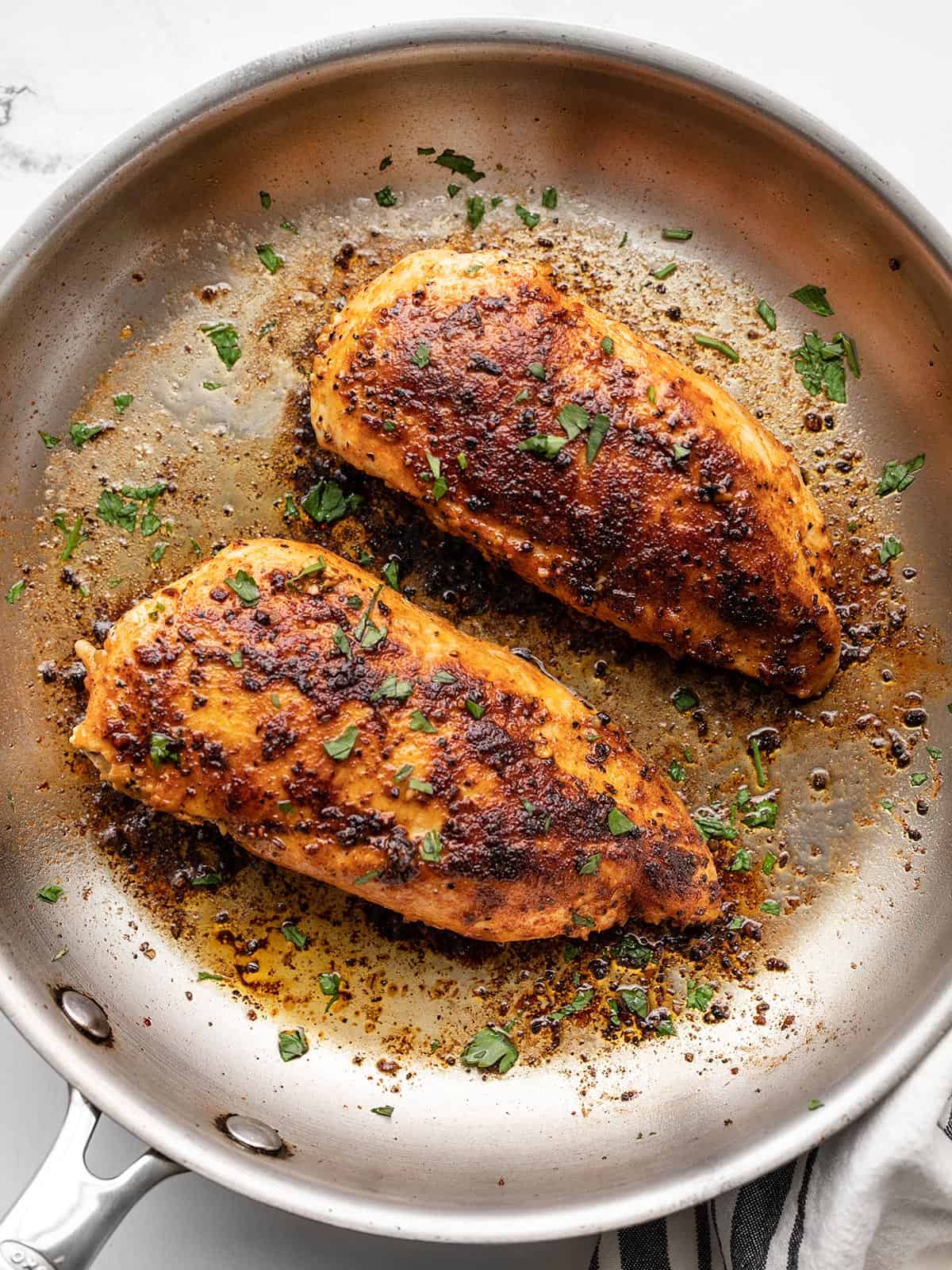
Look for bubbles around the pan’s surface when you add oil. Small, steady bubbles mean the pan is hot enough. Listen for a gentle sizzling sound when chicken touches the pan. Too loud or no sound means the heat is too high or low. These signs help you cook chicken with the right heat without a thermometer.
Credit: www.budgetbytes.com
Preparing Chicken For Frying
Preparing chicken for frying starts with careful steps. These steps help you get a tasty and crispy result. Proper preparation affects both the flavor and the texture of the chicken. Follow these simple tips to get the best pan-fried chicken.
Patting Dry For Crispiness
Always pat the chicken dry before frying. Use paper towels to remove moisture. Wet chicken makes oil splatter and reduces crispiness. Dry skin or meat fries better and stays crunchy. This step is quick but very important.
Seasoning And Breading Tips
Season the chicken well for good taste. Use salt, pepper, and your favorite spices. Let the flavors soak in for a few minutes. For breading, dip chicken in flour or breadcrumbs. Press gently to make the coating stick. A good breading creates a crunchy crust that holds flavors.
Maintaining Consistent Heat
Maintaining consistent heat is key to perfect pan-fried chicken. The right temperature helps cook the chicken evenly. It keeps the outside crispy and the inside juicy. If the heat is too high, the chicken may burn. Too low, and it will cook slowly and dry out. Managing the heat carefully makes a big difference.
Adjusting Burner Settings
Start with medium heat to warm the pan. Once the chicken is in, adjust the burner to keep the heat steady. Turn the burner down if the chicken browns too fast. Turn it up if the chicken cooks too slowly. Small changes help keep the temperature balanced. Watch the chicken closely to avoid burning or undercooking.
Handling Multiple Pieces
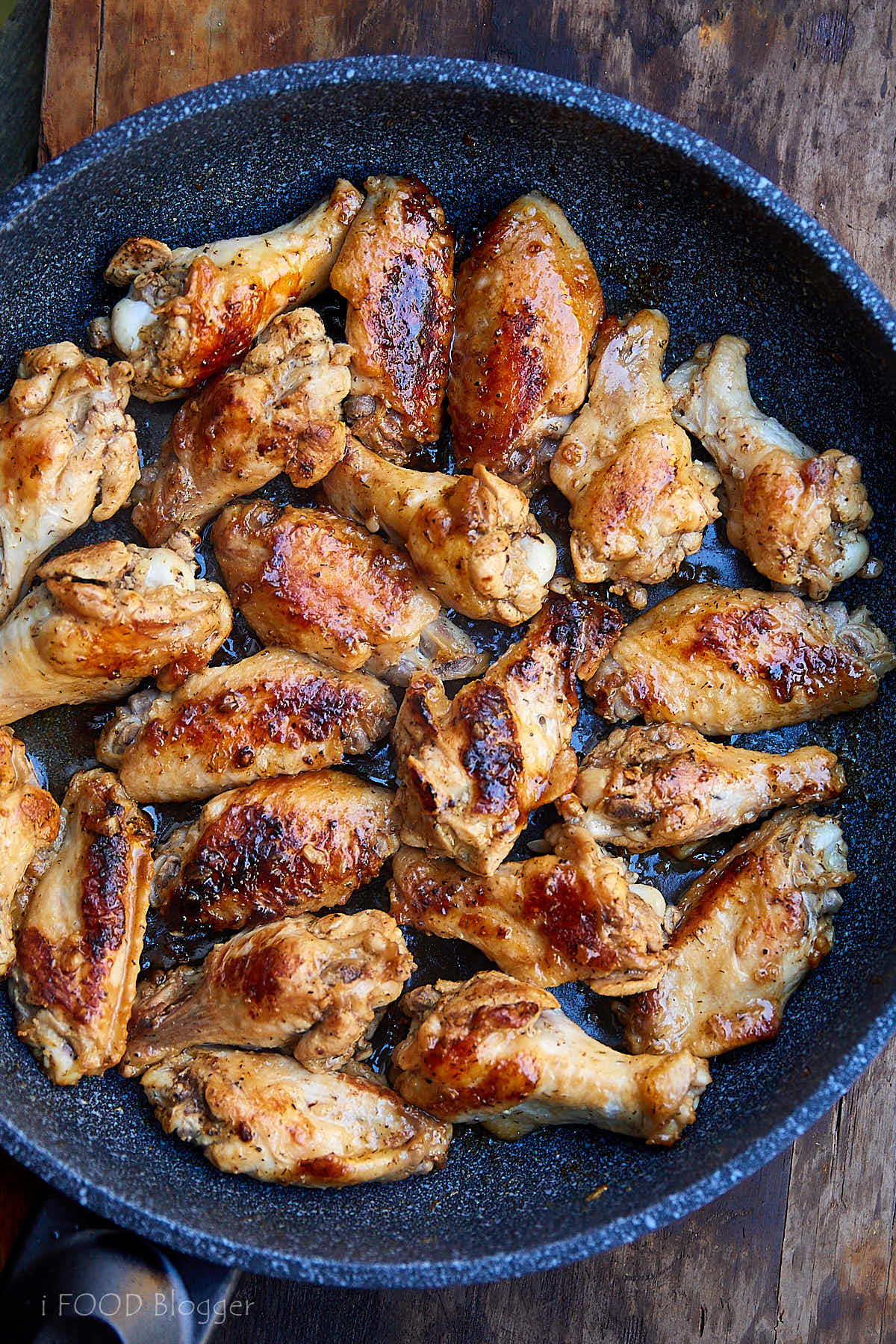
Adding many pieces can lower the pan’s heat quickly. Avoid crowding the pan to keep heat consistent. Cook in batches if needed. Give each piece enough space to cook well. Flip pieces often to cook evenly on both sides. Managing multiple pieces carefully keeps the temperature steady and the chicken tasty.
Credit: cravingtasty.com
Cooking Time And Signs Of Doneness
Cooking chicken in a pan requires the right time and clear signs to know when it’s done. Proper timing helps keep the chicken juicy and safe to eat. Watching for visual cues and checking temperature are key steps. These tips make pan frying simple and successful.
Golden Brown Crust
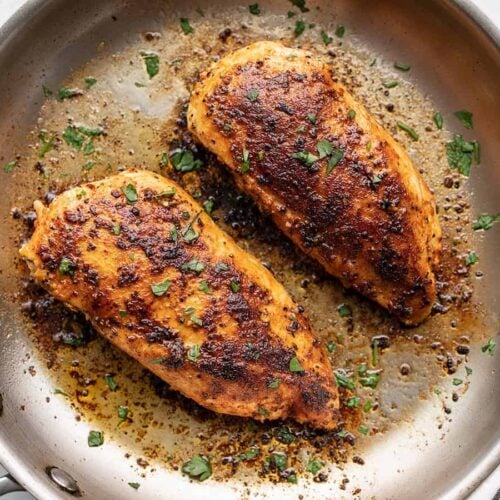
A golden brown crust shows the chicken cooked at the right heat. This crust forms when the pan is hot enough to brown the meat without burning. It should look even and crispy, not dark or blackened. This crust locks in juices and adds flavor. Flip the chicken gently once this crust appears on one side.
Internal Temperature Guidelines
Use a meat thermometer to check doneness. The safe temperature for cooked chicken is 165°F (74°C). Insert the thermometer in the thickest part of the meat. Avoid touching bone for an accurate reading. When the chicken hits this temperature, it is safe and fully cooked. This method ensures the chicken stays moist and tasty.
Common Mistakes To Avoid
Pan frying chicken seems easy. Yet, many make simple mistakes that ruin the dish. Avoiding these errors helps you cook juicy, tasty chicken every time. Focus on the right pan temperature and technique for the best results.
Overcrowding The Pan
Putting too many pieces in the pan lowers the heat fast. Chicken steams instead of fries. This stops browning and makes the meat soggy. Leave space between pieces. Cook in batches if needed. This keeps the temperature steady and chicken crispy.
Using Too High Or Too Low Heat
High heat burns the outside, leaving inside raw. Low heat cooks slowly but makes chicken dry. Use medium to medium-high heat. This cooks chicken evenly and keeps it juicy. Watch the oil temperature. It should be around 350°F (175°C) for perfect pan frying.
Tips For Extra Crispy Chicken
Getting chicken crispy on the outside and juicy inside is a favorite goal. The right frying temperature is key, but some extra steps make a big difference. Simple tricks help the coating stick and stay crunchy.
These tips work well with pan frying. They keep the chicken tasty and crisp without burning or being greasy. Small changes in your cooking routine bring better results every time.
Double Dredging Technique
Dip the chicken first in flour, then in beaten eggs. Coat it again in flour for a thicker crust. This second layer makes the chicken crunchier and holds the coating better.
Press the coating gently to stick well. Avoid shaking off too much flour. The double dredge traps moisture inside while crisping outside.
Resting After Cooking
Let the chicken rest on a wire rack after frying. This stops steam from softening the crust. Placing it on paper towels can make it soggy.
Resting also lets juices settle inside. The chicken stays juicy but the crust stays crunchy. Wait 5 minutes before serving for best texture.
Credit: www.budgetbytes.com
Frequently Asked Questions
What Temperature Is Best For Pan Frying Chicken?
The ideal pan fry temperature is medium-high heat, around 325°F to 375°F. This ensures a crispy outside and fully cooked inside without burning.
How Long Should Chicken Cook At Pan Frying Temperature?
Cook chicken for 6-8 minutes per side at medium-high heat. Time varies by thickness; use a thermometer to check for 165°F internally.
Can I Pan Fry Chicken At High Heat?
High heat can burn chicken outside while leaving inside undercooked. Medium-high heat balances browning and thorough cooking effectively.
Why Is Temperature Control Important When Pan Frying Chicken?
Proper temperature ensures even cooking, prevents dryness, and creates a crispy crust. It also avoids undercooking or burning the chicken.
Conclusion
Pan frying chicken at the right temperature makes a big difference. Keep the heat medium to medium-high for even cooking. Too hot can burn the outside while leaving the inside raw. Too low makes the chicken greasy and undercooked. Watch for a golden brown color and check the internal temperature.
Aim for 165°F (75°C) to ensure safety. With practice, you will get the perfect crispy and juicy chicken every time. Simple steps, great results. Enjoy your cooking!

Hello, This is Annie Walker, a 38-year-old blogger, founder, and editor of Cookware Guider from NY, USA. I am a cookware fanatic and passionate cooker. I love to cook with different types of cooking appliances (example: all types of cookware, rice cookers, slow cookers, etc) almost every day in my kitchen. I love to share my experience with my readers in my blog. Also, I enjoy helping people to solve their problems through my website. You can follow me on Twitter & Pinterest. To know details about my blog please check the about us page.