
When you cook rice, the key to perfect texture is getting the water-to-rice ratio just right. Too much water, and your rice turns mushy; too little, and it ends up dry and undercooked.
If you’ve ever struggled with soggy or crunchy rice, you’re not alone. But once you know the simple ratio that works every time, cooking rice becomes effortless. You’ll discover the exact water-to-rice measurements you need for fluffy, delicious rice every time you cook.
Ready to master your rice game? Keep reading!

Credit: www.recipetineats.com
Choosing The Right Rice
Rice comes in many varieties. Each type needs different care during cooking. Choosing the right rice affects the water to rice ratio. This helps you cook rice perfectly every time.
Some rice types absorb more water. Others cook faster or slower. Knowing the differences helps you get good texture and taste. It also prevents undercooked or mushy rice.
Types Of Rice
There are long grain, medium grain, and short grain rice. Long grain rice is slim and stays separate when cooked. Examples are basmati and jasmine rice.
Medium grain rice is slightly thicker. It cooks soft but not sticky. Short grain rice is almost round. It is sticky and clumps together after cooking.
Brown rice keeps its bran layer. It takes longer to cook and needs more water. White rice is polished and cooks faster with less water.
Rice Texture And Cooking Needs
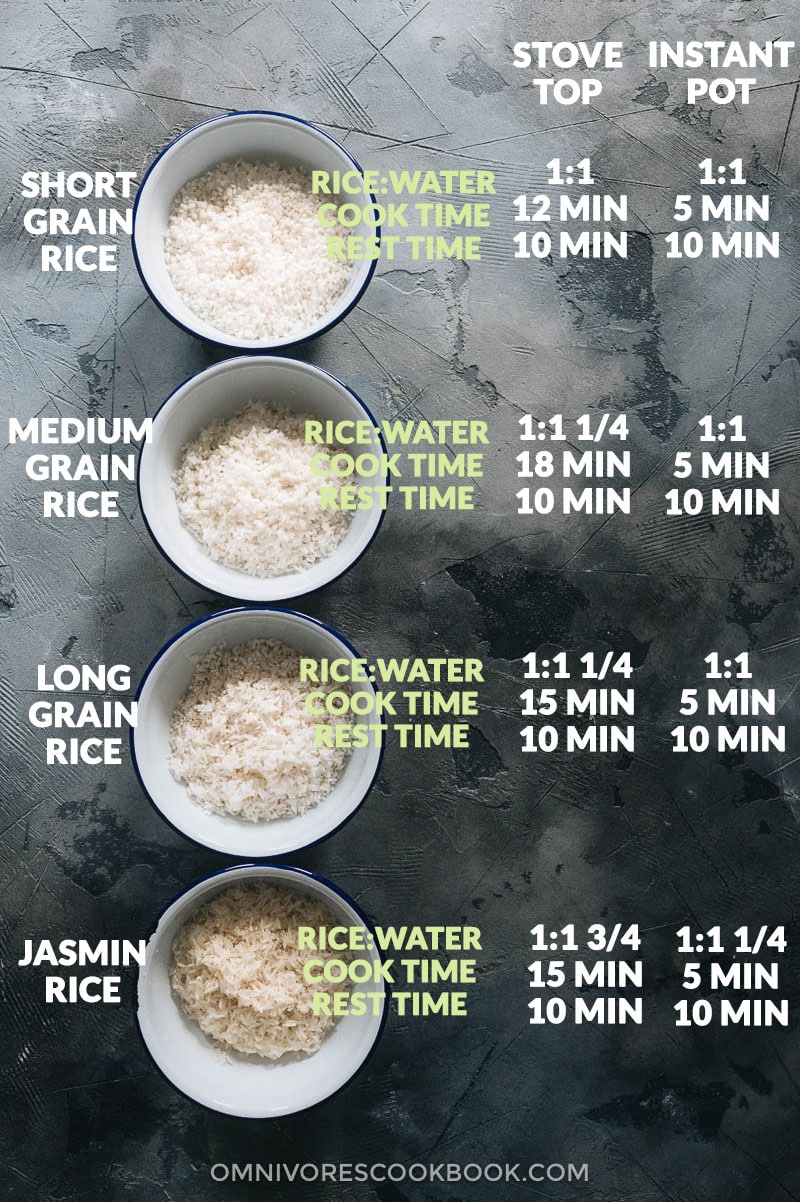
Long grain rice needs less water and cooks quickly. Use about 1.5 to 2 cups of water per cup of rice. Short grain rice needs more water for its sticky texture.
Brown rice usually requires more water and longer cooking time. About 2 to 2.5 cups of water per cup of rice works well. Pay attention to the rice type to adjust water properly.
Texture matters too. Firmer rice needs less water. Softer rice needs more water. Adjust water amounts based on your desired rice texture.
Basic Water To Rice Ratios
Understanding the basic water to rice ratio is key to cooking perfect rice. The right amount of water affects texture and taste. Using too much water makes rice mushy. Too little water leaves it hard or undercooked.
Each type of rice needs a slightly different water ratio. This guide covers the most common types. Follow these simple measures for fluffy and tasty rice every time.
White Rice Ratios
White rice usually needs 1.5 to 2 cups of water per cup of rice. Long grain white rice works best with 1.75 cups of water. Short grain rice needs about 1.5 cups. Use less water for firmer rice. Add more for softer rice.
Brown Rice Ratios
Brown rice requires more water because of its outer bran layer. Use 2 to 2.5 cups of water per cup of brown rice. This helps soften the grains and cook evenly. Cooking time is longer than white rice. Keep the lid on during cooking to trap steam.
Specialty Rice Ratios
Specialty rice types need unique water amounts. Jasmine rice uses about 1.5 cups of water per cup. Basmati rice needs 1.5 to 1.75 cups of water. Arborio rice, used for risotto, requires more water added gradually. Adjust water based on desired texture.
Adjusting Ratios For Cooking Methods
Adjusting the water to rice ratio depends on the cooking method. Different tools need different amounts of water. Using the right ratio helps cook rice perfectly every time. It avoids mushy or dry rice. Here are simple tips for popular cooking methods.
Stovetop Cooking
Use 1 cup of rice with 1.5 to 2 cups of water. White rice needs about 1.5 cups of water. Brown rice requires closer to 2 cups. Bring water to a boil before adding rice. Lower the heat and cover the pot. Let it simmer until water is absorbed.
Rice Cooker Tips
Follow the cooker’s measuring lines for water and rice. Most cookers need a 1:1 ratio for white rice. Brown rice usually needs a bit more water. Avoid opening the lid during cooking. Let the cooker finish its cycle for best results.
Instant Pot Ratios
Use 1 cup of rice with 1 cup of water. The sealed environment needs less water than stovetop. Set the Instant Pot to high pressure. Cook white rice for 4-6 minutes. Let the pressure release naturally for 10 minutes. Brown rice needs about 22-24 minutes.

Credit: www.youtube.com
Factors Affecting Water Amount
Understanding the water to rice ratio is not always simple. Several factors change how much water rice needs. These affect the cooking process and the final texture of the rice. Knowing these helps you cook rice perfectly every time.
Altitude And Water Evaporation
At higher altitudes, water boils at a lower temperature. This causes water to evaporate faster during cooking. You need to add more water than usual. This extra water replaces what evaporates. Otherwise, rice can turn dry or undercooked.
Rice Age And Absorption
Older rice tends to be drier. It absorbs more water than fresh rice. Fresh rice needs less water to cook well. Adjust the water amount based on the rice’s age. This prevents rice from becoming too soft or mushy.
Desired Rice Texture
The water amount changes with the texture you want. Use more water for softer, stickier rice. Use less water for firmer, separate grains. Knowing your preferred texture helps you measure water better.
Tips For Perfect Rice Every Time
Cooking rice perfectly is easier with a few simple tips. Small steps can make a big difference in texture and taste. Follow these easy methods to get fluffy, well-cooked rice every time.
Understanding how to handle rice before and after cooking helps avoid common problems. Simple habits improve your rice’s quality without extra effort.
Rinsing And Soaking Rice
Rinse rice under cold water until the water runs clear. This removes surface starch that makes rice sticky. Soaking rice for 20-30 minutes softens the grains and helps them cook evenly.
Do not skip rinsing and soaking. These steps keep rice light and fluffy.
Resting Time After Cooking
Let rice rest covered for 5-10 minutes after cooking. Resting lets moisture spread evenly. This makes rice less sticky and more tender.
Fluff rice gently with a fork after resting to separate grains. Avoid stirring too hard or the rice may become mushy.
Common Mistakes To Avoid
Do not lift the lid while rice cooks. Steam escapes and can cause uneven cooking. Avoid adding too much water; it makes rice soggy.
Do not rush cooking time. Undercooked rice is hard and dry. Overcooked rice turns mushy and sticky.
Credit: www.ameelectrical.co.uk
Frequently Asked Questions
What Is The Ideal Water To Rice Ratio?
The ideal water to rice ratio is generally 2:1, meaning 2 cups of water per 1 cup of rice. This ratio ensures fluffy and well-cooked rice without being too dry or mushy.
Does The Rice Type Affect Water Ratio?
Yes, rice type affects the water ratio. For example, brown rice needs more water (about 2. 5:1), while white rice usually requires 2:1. Adjusting water based on rice type is key for perfect texture.
How To Adjust Water Ratio For Sticky Rice?
For sticky rice, use less water than usual, about 1. 25:1. This reduced water amount helps rice grains stick together without becoming too soggy or watery.
Can Cooking Method Change Water To Rice Ratio?
Yes, cooking methods affect the ratio. For stovetop cooking, 2:1 works well. For rice cookers or instant pots, follow the device’s specific instructions for best results.
Conclusion
Cooking rice is simple with the right water to rice ratio. Use 2 cups of water for 1 cup of white rice. For brown rice, add a bit more water. This helps rice cook evenly and stay fluffy. Remember to adjust slightly for different rice types.
Practice makes perfect. Enjoy your perfectly cooked rice every time.

Hello, This is Annie Walker, a 38-year-old blogger, founder, and editor of Cookware Guider from NY, USA. I am a cookware fanatic and passionate cooker. I love to cook with different types of cooking appliances (example: all types of cookware, rice cookers, slow cookers, etc) almost every day in my kitchen. I love to share my experience with my readers in my blog. Also, I enjoy helping people to solve their problems through my website. You can follow me on Twitter & Pinterest. To know details about my blog please check the about us page.