
When it comes to cooking for yourself and your loved ones, safety should always come first. But with so many types of cookware available, how do you know which one is truly safe?
You might be surprised to learn that some pots and pans can release harmful chemicals or metals into your food. Choosing the right cookware isn’t just about style or price—it’s about protecting your health every time you cook. You’ll discover the safest cookware options that keep your meals healthy and your kitchen worry-free.
Keep reading to find out what you should be using to cook with confidence.
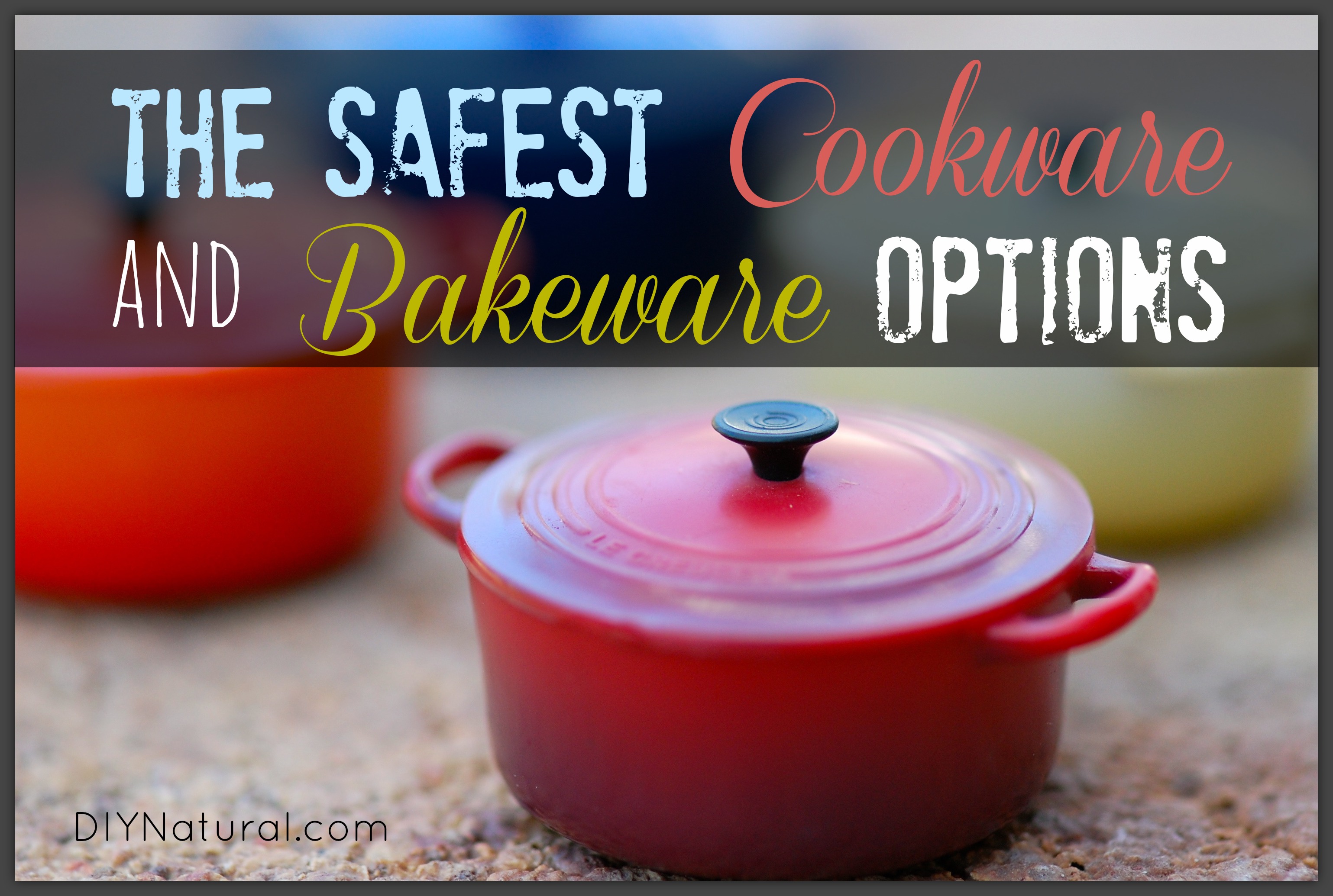
Credit: diynatural.com
Health Risks In Cookware
Choosing the right cookware is important for health. Some pots and pans can release harmful substances. These substances may mix with your food during cooking. Understanding the health risks helps you pick safer options. Below are common concerns about cookware safety.
Toxic Chemicals To Avoid
Some cookware contains chemicals that harm the body. Lead and cadmium are toxic metals found in cheap ceramics. They can cause serious health problems over time. Avoid cookware with these metals, especially if it is old or chipped. Also, steer clear of cookware with unknown coatings or cheap paint.
Effects Of Non-stick Coatings
Non-stick pans often use chemicals like PTFE or PFOA. When heated too much, these chemicals can break down. The fumes can cause flu-like symptoms in some people. Long-term exposure may affect the liver and thyroid. Use non-stick pans carefully and avoid overheating them.
Metal Leaching Concerns
Some metals can leach into food during cooking. Aluminum pans may release aluminum, especially with acidic foods. High levels of aluminum may affect the brain and bones. Copper cookware can leach copper if not lined properly. Stainless steel is safer but may release small amounts of nickel or chromium. Choose high-quality, well-made cookware to reduce metal leaching.
Safe Cookware Materials
Choosing safe cookware materials matters for your health and cooking results. Some materials do not react with food or release harmful chemicals. Others last long and keep heat well. This guide explains safe cookware options for your kitchen.
Stainless Steel Benefits
Stainless steel is strong and resists rust. It does not release chemicals into food. This material handles high heat well. It cleans easily and does not stain. Stainless steel works for many cooking styles.
Cast Iron Durability
Cast iron lasts for decades with proper care. It holds heat evenly and cooks food well. This material adds a small amount of iron to food, which some find healthy. It needs seasoning to prevent rust. Cast iron can go from stove to oven.
Ceramic And Glass Options
Ceramic and glass do not react with food. They are free from metals and toxins. These materials heat evenly and keep food safe. Ceramic coatings on pans avoid sticking without chemicals. Glass cookware works well in the oven.
Titanium And Anodized Aluminum
Titanium is lightweight and very strong. It does not react with food or wear easily. Anodized aluminum is treated to prevent aluminum from leaching. Both materials heat quickly and clean well. They offer safe, durable cooking options.
Durability And Maintenance
Durability and maintenance play a big role in choosing safe cookware. Strong cookware lasts longer and stays safe to use. Proper care keeps the cookware in good shape. It also helps avoid health risks from damaged surfaces. Knowing how to clean and care for your pots and pans is key. This section shares simple tips to keep your cookware safe and durable.
Cleaning Tips For Longevity
Wash cookware soon after use. Use warm water and mild soap. Avoid harsh chemicals that can damage the surface. Use soft sponges instead of steel wool. Dry cookware completely to stop rust or stains. Regular cleaning stops food build-up and keeps cooking safe.
Avoiding Common Damage
Do not use metal tools on non-stick surfaces. They scratch and ruin the coating. Avoid sudden temperature changes. Hot pans in cold water cause warping. Store cookware carefully to prevent dents or chips. Handle with care to keep the cookware strong and safe.
Seasoning And Care For Cast Iron
Cast iron needs special care to stay safe. Season it by applying a thin layer of oil. Heat the pan to bond the oil to the surface. This creates a natural non-stick layer. Avoid soap when cleaning cast iron. Use hot water and a brush instead. Dry it well and apply oil after each use. Proper seasoning stops rust and keeps the pan safe for cooking.
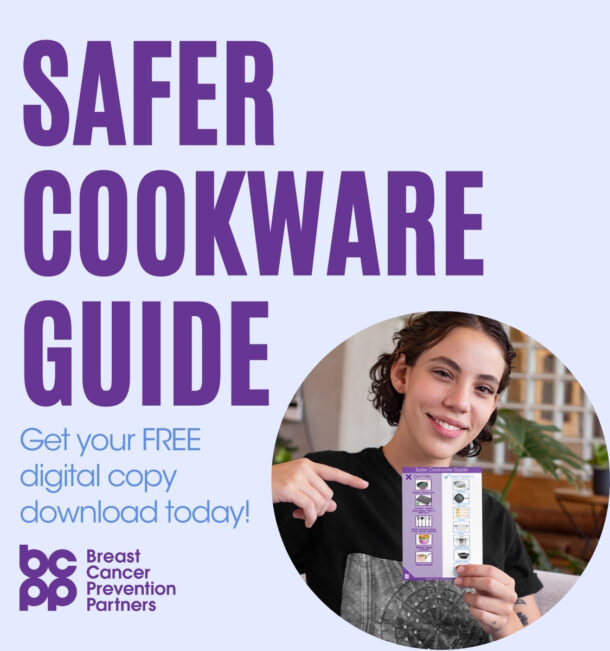
Credit: www.bcpp.org
Top Healthy Cookware Brands
Choosing healthy cookware is key for safe and tasty meals. Some brands focus on materials that do not release harmful chemicals. They also ensure durability and ease of use. Here are top cookware brands known for safe cooking options.
Trusted Stainless Steel Picks
Stainless steel is strong and does not react with food. Brands like All-Clad and Cuisinart offer high-quality stainless steel sets. These sets heat evenly and last for years. They are great for boiling, frying, and sautéing without worries.
Best Ceramic Cookware
Ceramic cookware is free from toxic coatings. GreenLife and Caraway make ceramic pots and pans that are safe to use. They provide non-stick surfaces without chemicals like PTFE or PFOA. These brands are easy to clean and gentle on foods.
High-quality Cast Iron Choices
Cast iron retains heat well and adds iron to food. Lodge and Le Creuset produce cast iron cookware that lasts decades. Their pieces are naturally non-stick when seasoned properly. Ideal for searing and slow cooking with strong heat.
Choosing Cookware For Your Kitchen
Choosing the right cookware for your kitchen is important for safety and cooking success. Different materials suit different cooking styles. Some are easier to clean, while others last longer. Your kitchen needs cookware that fits your habits and keeps food healthy.
Matching Cookware To Cooking Style
Think about how you cook most often. Do you fry, boil, or bake? Cast iron works well for frying and slow cooking. Stainless steel suits boiling and making sauces. Non-stick pans are great for eggs and pancakes. Choose cookware that fits your daily meals.
Budget-friendly Safe Options
Good cookware does not have to cost a lot. Aluminum pans with a safe coating offer good heat. Stainless steel is affordable and safe for many dishes. Look for products without harmful chemicals. Simple does the job and protects your health.
Balancing Safety And Performance
Cookware must be safe and perform well on your stove. Avoid materials that release toxins at high heat. Look for durability to avoid buying often. Good balance means you cook well and stay healthy. Choose pans that heat evenly and clean easily.
Credit: www.cleaneatingkitchen.com
Frequently Asked Questions
What Cookware Materials Are Safest For Daily Use?
Safe cookware materials include stainless steel, cast iron, and ceramic. They resist leaching harmful chemicals into food. These options are durable, non-toxic, and suitable for most cooking styles. Avoid cookware with non-stick coatings that can degrade at high heat.
Is Non-stick Cookware Safe For Cooking?
Non-stick cookware is safe if used properly at low to medium heat. Overheating can release toxic fumes. Choose PFOA-free and PTFE-free options for safer use. Regularly inspect for scratches to avoid ingesting coating particles.
Can Cast Iron Cookware Be Harmful?
Cast iron cookware is generally safe and adds dietary iron to food. However, acidic foods can react with iron, altering taste and color. Proper seasoning prevents rust and creates a natural non-stick surface.
Why Is Stainless Steel Cookware Recommended For Health?
Stainless steel is durable, non-reactive, and does not leach chemicals. It withstands high temperatures and resists corrosion. This makes it a healthy and versatile choice for safe cooking.
Conclusion
Choosing safe cookware helps protect your health every day. Materials like stainless steel, cast iron, and ceramic often offer the best safety. Avoid cookware that may release harmful chemicals when heated. Proper care and use extend the life of your pots and pans.
Remember, safe cookware means safer meals for you and your family. Make smart choices to enjoy cooking with peace of mind. Your kitchen deserves the safest tools for great food and health.

Hello, This is Annie Walker, a 38-year-old blogger, founder, and editor of Cookware Guider from NY, USA. I am a cookware fanatic and passionate cooker. I love to cook with different types of cooking appliances (example: all types of cookware, rice cookers, slow cookers, etc) almost every day in my kitchen. I love to share my experience with my readers in my blog. Also, I enjoy helping people to solve their problems through my website. You can follow me on Twitter & Pinterest. To know details about my blog please check the about us page.