
When you choose cookware, your health and safety should come first. You want pots and pans that won’t release harmful chemicals into your food.
So, is Tramontina cookware truly non-toxic? If you’re worried about what’s in your kitchen tools, this question matters a lot. Understanding what makes cookware safe can protect you and your loved ones every time you cook. Keep reading to discover the truth about Tramontina and whether it’s the right choice for your healthy cooking routine.

Credit: www.amazon.com
Tramontina Brand Background
Tramontina is a well-known brand in the cookware world. It started in Brazil in 1911 and grew to become a global name. The company is famous for making different kitchen products, including pots, pans, and utensils. People trust Tramontina because of its long history and focus on quality.
Tramontina’s History And Growth
The company began as a small factory making knives and tools. Over the years, it expanded its product range to include cookware. Today, Tramontina sells products in over 120 countries. Its growth shows a strong commitment to durable and reliable kitchenware.
Materials Used By Tramontina
Tramontina uses various materials such as stainless steel, aluminum, and non-stick coatings. The brand focuses on safe and healthy materials that do not release harmful chemicals. This approach helps keep the cookware non toxic and safe for everyday cooking.
Quality Standards And Certifications
- ISO certified manufacturing processes
- Compliance with international safety standards
- Use of PFOA-free non-stick coatings
These quality controls ensure that Tramontina products meet high safety and performance levels.
Why Choose Tramontina Cookware?
- Long-lasting and sturdy construction
- Safe materials that limit exposure to toxins
- Variety of options for different cooking needs
- Trusted brand with over 100 years of experience
:max_bytes(150000):strip_icc()/faw-tramontina-all-in-one-plus-pan-non-toxic-review-tout-f86e76d86c1343d7a698b10323b9127e.jpg)
Credit: www.foodandwine.com
Materials Used In Tramontina Cookware
Tramontina cookware is popular for its variety and quality. Understanding the materials used in Tramontina cookware helps assess if it is non-toxic and safe for daily cooking. This brand uses different materials, each with unique features and safety levels. Knowing these materials supports choosing cookware that fits health and cooking needs.
Stainless Steel Options
Tramontina offers a wide range of stainless steel cookware. This material is known for its durability and resistance to rust or corrosion. The stainless steel used is typically 18/10 grade, which means it contains 18% chromium and 10% nickel. This mix provides a smooth, shiny surface that is easy to clean and does not react with food.
Key benefits of Tramontina stainless steel cookware include:
- Non-reactive surface: No chemicals or metals leach into food.
- Long-lasting: Resists scratches and dents over time.
- Oven and dishwasher safe: Adds convenience in cooking and cleaning.
- Even heat distribution: Ensures food cooks uniformly.
Below is a quick comparison of stainless steel features:
| Feature | Description | Benefit |
|---|---|---|
| 18/10 Stainless Steel | High chromium and nickel content | Corrosion resistance and shiny finish |
| Multi-ply Construction | Layers of steel and aluminum | Better heat conduction and durability |
| Non-reactive Surface | Does not interact with acidic or alkaline foods | Preserves food taste and safety |
Stainless steel Tramontina cookware does not contain harmful chemicals. It is generally considered non-toxic and safe for all types of cooking.
Nonstick Coatings
Tramontina uses advanced nonstick coatings designed to be safe and efficient. Most nonstick pans use PTFE-based coatings, which prevent food from sticking and make cleaning easier. Tramontina’s coatings are often PFOA-free. PFOA is a chemical linked to health risks and is removed from many modern nonstick products.
Important points about Tramontina nonstick coatings:
- PFOA-free: Safer for human health.
- Durable surface: Resists scratches and peeling.
- Low oil cooking: Helps reduce fat use.
- Easy cleanup: Saves time and effort.
Despite safety improvements, nonstick coatings can degrade if overheated. Tramontina recommends using low to medium heat and avoiding metal utensils. This care keeps the coating intact and prevents toxic fumes from forming.
Here is a summary of common nonstick coating facts:
| Aspect | Details | Safety Note |
|---|---|---|
| Material | PTFE-based, PFOA-free | Safe below 500°F (260°C) |
| Care | Use soft utensils, avoid high heat | Prolongs coating life |
| Health | Non-toxic if used properly | Overheating can release fumes |
Cast Aluminum And Others
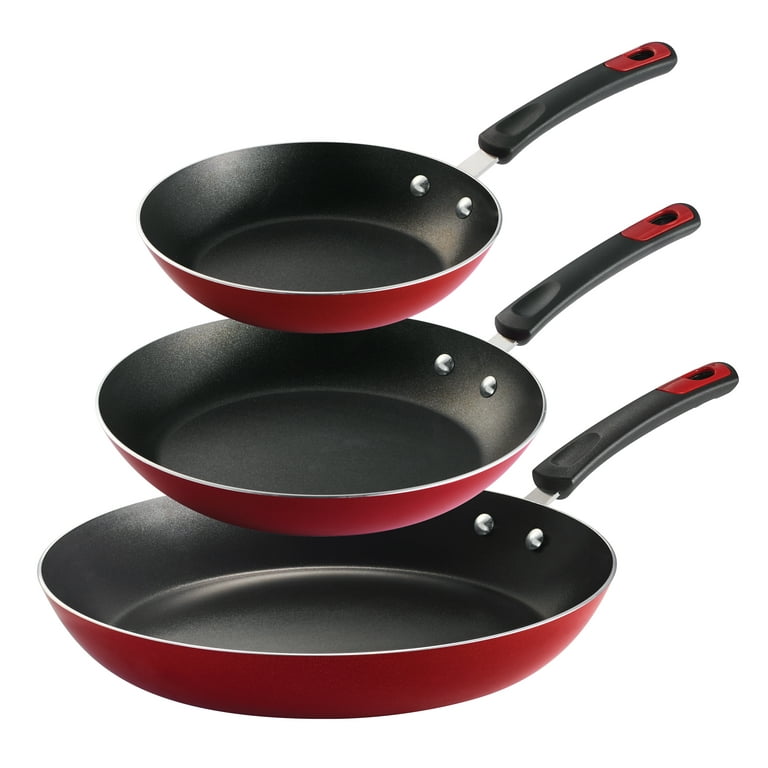
Tramontina also produces cookware using cast aluminum and other materials. Cast aluminum offers excellent heat conduction and is lightweight. It often comes with a nonstick or anodized finish to improve durability and safety.
Characteristics of cast aluminum cookware include:
- Fast heating: Saves cooking time and energy.
- Lightweight: Easier to handle than cast iron.
- Anodized surface: Harder and more resistant to scratches.
- Non-toxic when coated properly: Prevents aluminum from reacting with food.
Uncoated aluminum can react with acidic foods, causing a metallic taste and potential health concerns. Tramontina avoids this by using anodized or coated finishes. These finishes create a barrier that prevents aluminum from leaching into food.
Other materials sometimes used include carbon steel or enamel-coated steel. These materials offer different cooking benefits but always follow Tramontina’s safety standards to ensure non-toxicity.
| Material | Properties | Safety Features |
|---|---|---|
| Cast Aluminum | Lightweight, fast heat conduction | Anodized or coated to prevent leaching |
| Anodized Aluminum | Hard surface, scratch-resistant | Non-reactive and non-toxic |
| Carbon Steel | Durable, good heat retention | Seasoning required to prevent rust |
| Enamel-Coated Steel | Non-reactive, easy to clean | Safe and chemical-free surface |
Safety Of Nonstick Surfaces
Nonstick cookware offers easy cooking and cleaning, but safety matters most. Many worry about chemicals in nonstick surfaces and their effects on health. Understanding the safety of these coatings helps choose better cookware. Tramontina cookware uses nonstick surfaces designed to be safe and effective. This section explains key safety points about nonstick coatings and Tramontina’s technology.
Pfoa And Ptfe Concerns
Many nonstick coatings use chemicals called PTFE and PFOA. PTFE stands for polytetrafluoroethylene, a substance that creates the slick, nonstick surface. PFOA, or perfluorooctanoic acid, was once used to make PTFE but raised health concerns.
Why worry about PFOA?
- PFOA is linked to health risks like cancer and hormone disruption.
- It can stay in the environment for a long time.
- Many countries banned or limited PFOA use in cookware.
Today, most cookware brands, including Tramontina, avoid PFOA in their nonstick coatings. The concern now is mostly about PTFE overheating. At very high heat (over 500°F or 260°C), PTFE can break down and release fumes harmful to birds and people with respiratory issues.
Safe use tips for PTFE-coated pans:
- Cook on low to medium heat.
- Avoid heating empty pans.
- Use proper ventilation in the kitchen.
| Chemical | Health Concern | Status in Cookware |
|---|---|---|
| PFOA | Possible cancer risk, environmental persistence | Banned/Phased out in most modern cookware |
| PTFE | Fumes at very high heat can be harmful | Safe under normal cooking temperatures |
Tramontina’s Nonstick Technology
Tramontina uses advanced nonstick coatings that are free from PFOA. Their surfaces combine durability and safety for everyday cooking. The brand focuses on making pans that heat evenly and release food easily.
Key features of Tramontina’s nonstick cookware:
- PFOA-free coating: Safe for family use with no harmful chemical risks.
- Scratch-resistant layers: Last longer and keep nonstick quality intact.
- Even heat distribution: Helps cook food thoroughly without burning spots.
- Easy cleaning: Food slides off quickly, saving time and effort.
Tramontina also recommends these tips to keep their nonstick cookware safe and long-lasting:
- Use wooden or silicone utensils to avoid scratching.
- Wash pans gently by hand with mild soap.
- Avoid metal scrubbers or harsh cleaning tools.
These steps keep the nonstick surface intact and prevent chemical exposure. Tramontina’s nonstick pans are designed to be a safe, practical choice for everyday cooking without toxic risks.
Chemical-free Claims
Tramontina cookware often highlights its chemical-free claims, attracting buyers who want safe kitchen tools. The brand promotes products free from harmful substances like PFOA, PTFE, and heavy metals. These chemicals can cause health risks when heated and used daily. Chemical-free cookware means it does not release toxins during cooking. This feature adds peace of mind for users focused on health and safety. Understanding Tramontina’s claims helps buyers trust their cookware choice. The next sections explore certifications and customer feedback on safety.
Certifications And Testing
Tramontina cookware undergoes strict quality checks to support its chemical-free claims. The company follows international standards for safety and health. Many products are tested in labs to confirm they do not contain harmful chemicals.
- PFOA and PTFE Free: Most Tramontina non-stick lines are free from these chemicals.
- FDA Compliance: Materials used meet the U.S. Food and Drug Administration’s safety rules.
- European Standards: Products comply with EU regulations on food contact materials.
Below is a table showing some key certifications Tramontina cookware holds:
| Certification | Description | Relevance |
|---|---|---|
| NSF International | Ensures cookware is safe for food contact. | Verifies non-toxic materials. |
| LFGB (Germany) | Tests products for harmful substances. | Confirms chemical-free claims. |
| RoHS | Restricts hazardous substances in products. | Limits heavy metals and toxins. |
Testing also includes heat resistance and durability checks. These ensure the cookware remains safe under high temperatures. Tramontina’s transparency about testing builds trust with buyers.
Customer Reviews On Safety
Many customers share their experiences about Tramontina’s safety and chemical-free claims. Reviews often mention peace of mind when cooking without worrying about toxins. Users appreciate the brand’s clear information about materials.
- Positive Feedback: Customers note no strange odors or tastes during cooking.
- Health-Conscious Buyers: Many prefer Tramontina due to its chemical-free promise.
- Durability: Reviews say products hold up well without peeling or damage.
Some customers highlight improved cooking safety for families with children. The absence of harmful chemicals creates trust. Below are common themes found in user reviews related to safety:
- Confirmed chemical-free feel during use
- Easy cleaning without harsh residues
- Consistent cooking performance over time
- Good value for safe cookware
Negative comments are rare but mostly about minor scratches or wear, not safety. Overall, customer feedback supports Tramontina’s chemical-free claims. This shows the brand delivers on safety promises.
Comparing Tramontina With Other Brands
Choosing cookware affects your health and cooking quality. Many wonder if Tramontina cookware is non-toxic and how it compares to other brands. This section compares Tramontina with popular cookware brands based on materials, safety, and coating types.
Material Safety: Tramontina Vs Other Brands
Tramontina uses stainless steel, aluminum, and non-stick coatings. Their stainless steel is usually 18/10, which is safe and durable. Non-stick versions often use PTFE coatings, which are considered safe at normal cooking temperatures.
| Brand | Main Materials | Non-Toxic Features |
|---|---|---|
| Tramontina | Stainless steel, Aluminum, PTFE Non-stick | 18/10 Stainless steel, PFOA-free coatings |
| T-fal | Aluminum, Non-stick (PTFE) | PFOA-free, Safe coatings |
| Cuisinart | Stainless steel, Hard-anodized aluminum | 18/10 Stainless steel, PFOA-free non-stick |
| Lodge | Cast iron | Natural seasoning, No chemicals |
Non-stick Coatings: Health And Durability
Tramontina’s non-stick pans mostly have PTFE coatings free from PFOA chemicals. This coating is safe below 500°F and easy to clean. Some brands use ceramic coatings, which avoid chemicals but may wear out faster.
- Tramontina: PTFE, PFOA-free, durable if not overheated.
- T-fal: Similar PTFE coatings, known for good durability.
- Cuisinart: PTFE non-stick and ceramic options.
- Lodge: No chemical coating, uses natural seasoning.
Price And Value For Health-conscious Buyers
Tramontina offers affordable cookware with good safety standards. Prices are often lower than premium brands but quality remains reliable. Buyers get non-toxic options without paying too much.
- Tramontina: Affordable, good quality, safe materials.
- T-fal: Mid-range price, strong non-stick coatings.
- Cuisinart: Higher price, premium materials.
- Lodge: Affordable, chemical-free but requires seasoning care.
Maintenance Tips For Safe Use
Proper maintenance of Tramontina cookware ensures it stays non-toxic and safe for cooking. Following simple care steps extends the life of your pots and pans. It also keeps food flavors pure and prevents harmful residues. Clean and handle your cookware carefully to enjoy healthy meals every day.
Cleaning Tramontina Cookware Safely
Use warm water and mild dish soap for cleaning. Avoid harsh chemicals or abrasive scrubbers. These can damage the non-stick coating and release toxins.
- Let cookware cool before washing.
- Use a soft sponge or cloth.
- Rinse thoroughly to remove soap.
- Dry completely to prevent rust.
Proper Storage To Avoid Damage
Store cookware in a dry place. Stack pans carefully to prevent scratches. Use pan protectors or soft cloths between pieces.
| Storage Tip | Benefit |
|---|---|
| Use pan protectors | Prevents scratches on non-stick surface |
| Store in a dry cabinet | Prevents rust and corrosion |
| Keep lids separate | Avoids chipping and cracking |
Safe Cooking Practices
Do not overheat empty pans. High heat can damage coatings and release toxic fumes. Use medium or low heat settings.
- Preheat pans gently.
- Avoid metal utensils that scratch surfaces.
- Use wooden, silicone, or plastic tools.
- Do not use cookware if coating peels off.
Credit: www.walmart.com
Frequently Asked Questions
Is Tramontina Cookware Free From Harmful Chemicals?
Yes, Tramontina cookware is made without harmful chemicals like PFOA and PTFE. It uses safe, non-toxic materials ensuring healthy cooking.
What Materials Make Tramontina Cookware Non-toxic?
Tramontina cookware primarily uses stainless steel, ceramic, and aluminum with safe coatings, all non-toxic and safe for everyday use.
Can Tramontina Cookware Affect Food Taste Or Safety?
No, Tramontina cookware does not leach chemicals or alter food taste. It ensures safe, clean cooking for all meals.
Is Tramontina Ceramic Cookware A Safe Non-toxic Option?
Yes, Tramontina ceramic cookware is free from toxic substances. It offers a non-stick surface without harmful chemicals.
Conclusion
Tramontina cookware offers safe options for your kitchen. It uses materials that do not release harmful chemicals. Many users trust its quality for healthy cooking. Cleaning and care help keep it non-toxic over time. Choosing cookware without toxins supports better health daily.
Tramontina meets basic safety standards for cookware products. Your meals can stay safe and tasty with it. Trusting the right cookware matters for your family’s well-being. Simple care keeps the pans working their best. Safe cooking starts with choosing the right tools.

Hello, This is Annie Walker, a 38-year-old blogger, founder, and editor of Cookware Guider from NY, USA. I am a cookware fanatic and passionate cooker. I love to cook with different types of cooking appliances (example: all types of cookware, rice cookers, slow cookers, etc) almost every day in my kitchen. I love to share my experience with my readers in my blog. Also, I enjoy helping people to solve their problems through my website. You can follow me on Twitter & Pinterest. To know details about my blog please check the about us page.