
Are you wondering if cast iron cookware is actually good for your health? You’re not alone.
Many people love using cast iron for its durability and cooking performance, but questions about its impact on your well-being often come up. Could it add something beneficial to your meals, or might it pose hidden risks? Understanding the truth can help you make smarter choices in your kitchen and keep your family safe.
Keep reading to find out what science says about cast iron cookware and whether it deserves a spot in your cooking routine.
Health Benefits Of Cast Iron
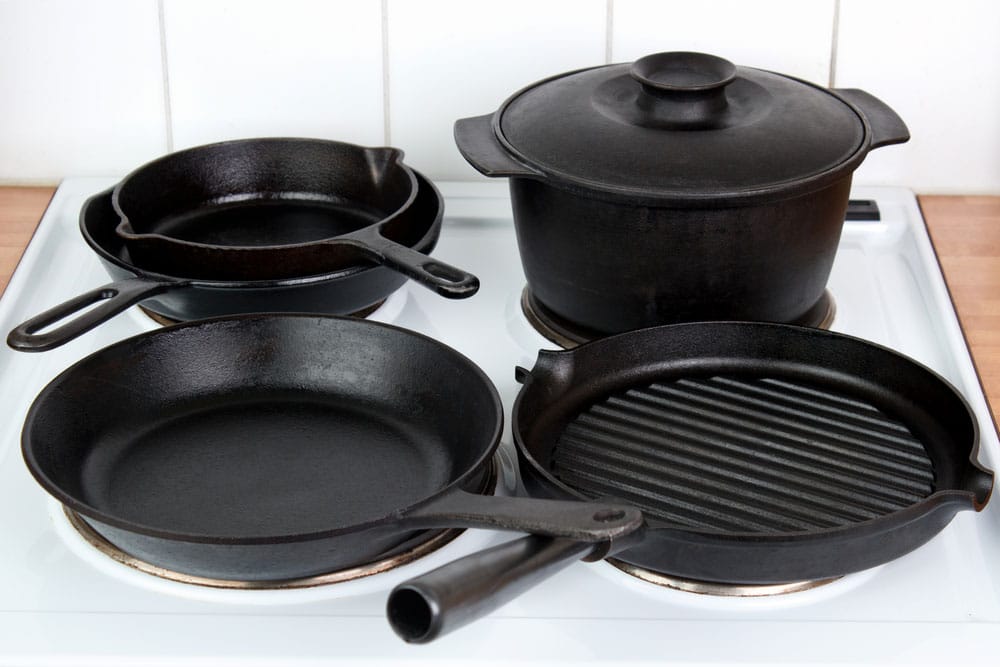
Cast iron cookware offers several health benefits that make it a popular choice in many kitchens. It not only helps in cooking delicious meals but also supports a healthy lifestyle. Using cast iron pots and pans can improve your diet and reduce exposure to harmful chemicals found in some non-stick cookware. These benefits make cast iron a smart option for everyday cooking.
Iron Supplementation Through Cooking
One of the key health benefits of cast iron cookware is its ability to increase iron intake. Iron is an essential mineral for the body. It helps carry oxygen in the blood and supports energy production.
Cooking with cast iron can add small amounts of iron to your food. This happens because tiny particles of iron leach from the pan into the meal during cooking. The amount varies depending on the food type and cooking time.
- Acidic foods like tomato sauce increase iron transfer.
- Longer cooking times release more iron.
- Well-seasoned pans leach less iron.
People with iron deficiency or anemia may benefit from this natural iron boost. For example, cooking iron-rich foods such as spinach or beans in cast iron can enhance their nutritional value.
| Food Type | Iron Increase (mg per 100g) |
|---|---|
| Tomato Sauce | 5.7 |
| Scrambled Eggs | 1.0 |
| Potatoes | 2.5 |
This simple method of iron supplementation can support better health without extra pills or supplements. It is especially helpful for children, pregnant women, and elderly people who need more iron.
Non-toxic Cooking Surface
Cast iron pans provide a natural, non-toxic cooking surface. Unlike some non-stick cookware, cast iron does not release harmful chemicals during cooking. This makes it safer for your health and the environment.
Many non-stick coatings can break down at high temperatures. This can release toxic fumes or particles into your food. Cast iron pans avoid this risk because they do not have synthetic coatings.
- Cast iron is made from natural materials.
- It does not contain chemicals like PFOA or PTFE.
- Properly seasoned cast iron creates a natural non-stick layer.
Seasoning means coating the pan with oil and heating it. This process creates a layer that prevents food from sticking. It also protects the pan from rust.
Maintaining a cast iron pan is easy and keeps it safe for cooking over many years. This durable cookware offers peace of mind for those who want healthy meals without chemical risks.
| Cookware Type | Toxic Chemicals Present | Durability | Non-Stick Surface |
|---|---|---|---|
| Cast Iron | No | High (decades) | Natural when seasoned |
| Non-Stick (Teflon) | Yes (PFOA, PTFE) | Low (few years) | Yes |
Credit: cathe.com
Potential Health Risks
Cast iron cookware is popular for many reasons, but some health risks exist. Understanding these risks helps you make smart choices. This section covers the main health concerns linked to cast iron pans.
Iron Overload Concerns
Cast iron cookware can add iron to your food. This is good for many people, especially those with low iron levels. But too much iron can cause problems. Iron overload happens when the body stores excess iron. It can damage organs like the liver and heart.
People with certain conditions should be careful:
- Hemochromatosis: A genetic disorder causing too much iron absorption.
- Liver disease: Excess iron may worsen liver problems.
- Children and pregnant women: They need proper iron levels but not overload.
Iron from cast iron pans varies by food type and cooking time. Acidic foods like tomato sauce increase iron leaching. Here is a simple comparison:
| Food Type | Iron Leached (mg per serving) |
|---|---|
| Tomato sauce (acidic) | 5 – 10 mg |
| Steak (neutral) | 1 – 3 mg |
| Eggs (low acid) | 0.5 – 1 mg |
Most people absorb only a small part of this iron. Still, cooking with cast iron every day might increase iron intake more than needed.
Seasoning And Maintenance Issues
Cast iron pans need seasoning to stay non-stick and rust-free. Seasoning means coating the pan with oil and heating it. Poor seasoning or bad care can cause health risks.
Common problems include:
- Rust formation: Rust can grow if the pan is not dried properly. Eating rust is not safe.
- Old or damaged seasoning: Can peel off into food. This is not toxic but may be unpleasant.
- Using wrong oils: Oils with low smoke points can create harmful compounds.
Proper care tips:
- Clean the pan with hot water and a brush. Avoid soap.
- Dry the pan completely after washing.
- Apply a thin layer of oil after each use.
- Re-season the pan regularly to maintain the coating.
Ignoring these steps can lead to poor cooking results and health risks. Proper maintenance keeps cast iron safe and useful for years.
Comparing Cast Iron To Other Cookware
Cast iron cookware stands out among kitchen tools for its unique qualities. Comparing cast iron to other cookware reveals key differences in health, durability, and cooking performance. Many people wonder if cast iron is healthier than pans with chemical coatings or made from other metals. This section breaks down these differences to help understand why cast iron remains popular despite modern alternatives.
Chemical Coatings Vs. Natural Material
Cast iron is made from a natural material without any synthetic coatings. Other cookware often has non-stick chemical coatings like Teflon or ceramic layers. These coatings can release harmful fumes if overheated. Cast iron does not carry that risk, making it a safer choice for health.
Benefits of Cast Iron’s Natural Surface:
- No toxic chemicals or synthetic layers.
- Allows seasoning that improves with use.
- Can add small amounts of iron to food, which may benefit some people.
Cookware with chemical coatings offers easy cleanup and non-stick convenience. Yet, these coatings can wear off or scratch, exposing the metal underneath, which may not be safe for all foods. Also, some coatings degrade over time and release particles.
| Feature | Cast Iron | Cookware with Chemical Coatings |
|---|---|---|
| Material | Natural iron | Metal with synthetic coating |
| Health Safety | No chemicals, safe if maintained | Risk of fumes or particles if overheated or scratched |
| Maintenance | Requires seasoning and drying | Easy to clean, but coating can wear off |
| Longevity of Surface | Improves with use | Degrades over time |
Durability And Longevity
Cast iron cookware is famous for its extreme durability. It can last for decades or even become a family heirloom. Other cookware types, especially those with coatings, tend to wear out faster.
Cast Iron Strength:
- Resists scratches, dents, and warping.
- Becomes more non-stick with seasoning over time.
- Can handle high heat without damage.
Cookware with non-stick coatings often loses its effectiveness after a few years. Scratches or chipping can ruin the surface, making it unsafe or unusable. Stainless steel pans are durable but may require more oil to prevent sticking.
| Cookware Type | Durability | Typical Lifespan | Maintenance Needed |
|---|---|---|---|
| Cast Iron | Very high | 50+ years with care | Seasoning, drying after use |
| Non-stick Coated | Moderate | 2-5 years | Avoid metal utensils, gentle cleaning |
| Stainless Steel | High | 10-20 years | Regular cleaning, avoid food sticking |
Credit: www.theindusvalley.in
Safe Usage Tips
Using cast iron cookware can be very healthy if you follow safe usage tips. Proper care keeps the pan safe and extends its life. The right steps prevent health risks and keep food tasting great. Learn how to use cast iron safely with easy tips below.
Proper Seasoning Techniques
Seasoning cast iron means creating a thin layer of oil that protects the pan and stops food from sticking. This layer also prevents rust and adds flavor over time. Proper seasoning is key for healthy cooking and long-lasting cookware.
Follow these steps for good seasoning:
- Clean the pan thoroughly with warm water and mild soap. Dry it completely.
- Apply a thin layer of oil all over the pan, including the handle and outside. Use oils with high smoke points like flaxseed, vegetable, or canola oil.
- Heat the pan upside down in the oven at 450°F (230°C) for 1 hour. Place foil below to catch drips.
- Let it cool in the oven before removing.
Repeat this process 2 to 3 times for a strong, non-stick surface. Avoid thick layers of oil; they can become sticky or flake off.
| Step | Action | Tip |
|---|---|---|
| 1 | Clean the pan | Use mild soap and dry fully |
| 2 | Apply oil | Use a thin layer of high-smoke oil |
| 3 | Heat in oven | 450°F for 1 hour, pan upside down |
| 4 | Cool down | Let pan cool inside oven |
Avoiding Rust And Contaminants
Rust and dirt can harm your health and ruin your cast iron pan. Keeping the pan dry and clean helps avoid rust. Proper storage and cleaning also stop unwanted chemicals or food bits from building up.
Here are key tips to prevent rust and contaminants:
- Dry the pan immediately after washing. Use a towel or heat on the stove for a few minutes.
- Never soak cast iron in water. It causes rust quickly.
- Store in a dry place. Avoid moist or damp cabinets.
- Re-season regularly to keep the protective oil layer strong.
- Use non-metal utensils to avoid scratching the seasoning.
- Clean with gentle tools like soft brushes or sponges. Avoid harsh scrubbing pads.
Rust spots can be removed by scrubbing with steel wool, then re-seasoning the pan. Avoid cooking acidic foods like tomatoes in unseasoned or poorly seasoned pans as they can damage the surface.
| Common Issue | Prevention | Action if Occurs |
|---|---|---|
| Rust | Dry pan immediately, store dry | Scrub with steel wool, re-season |
| Sticky residue | Use thin oil layers for seasoning | Clean with hot water, re-season |
| Food sticking | Maintain good seasoning | Reseason and avoid metal utensils |
Who Should Use Cast Iron
Cast iron cookware has been used for centuries due to its durability and cooking performance. It offers health benefits that suit certain groups of people better than others. Knowing who should use cast iron helps in choosing the right cookware for a healthy kitchen.
People With Iron Deficiency
Cast iron cookware naturally releases small amounts of iron into food during cooking. This can be helpful for people with iron deficiency or anemia. Eating food cooked in cast iron can increase iron intake, which supports better health.
Here are some key points about cast iron and iron deficiency:
- Iron absorption: Cooking acidic foods like tomato sauce increases iron release.
- Boosts iron levels: Regular use can help improve iron status over time.
- Natural source: Provides iron without supplements or pills.
However, the amount of iron added depends on:
- Food type (acidic foods release more iron)
- Cooking time (longer cooking increases iron transfer)
- Seasoning and condition of the pan (well-seasoned pans release less iron)
| Food Type | Iron Released (mg per serving) | Notes |
|---|---|---|
| Tomato sauce | 5.7 | High acidity helps iron release |
| Potatoes | 1.5 | Lower acidity, less iron |
| Eggs | 0.9 | Minimal iron transfer |
People with iron deficiency can benefit from cast iron cookware as part of a balanced diet. It offers a simple way to increase iron intake naturally.
Those Sensitive To Cookware Chemicals
Many modern cookware types use non-stick coatings and synthetic materials. These can release chemicals when heated, which may cause reactions in sensitive individuals. Cast iron offers a safe alternative for people who are sensitive to cookware chemicals.
Cast iron pans have no chemical coatings. The surface is made of pure iron with a natural layer of seasoning from oil. This means:
- No synthetic chemicals or toxins
- Safe at high cooking temperatures
- Durable and long-lasting without degrading
Some people experience allergies or skin irritation from chemical coatings. Cast iron avoids these issues because it is natural and simple. It is also easy to clean without harsh chemicals.
| Cookware Type | Chemical Concerns | Suitability for Sensitive Users |
|---|---|---|
| Non-stick pans | May release PFOA, PTFE fumes | Not recommended |
| Aluminum pans | Possible metal leaching | Use with caution |
| Cast iron | No synthetic chemicals | Highly suitable |
People with chemical sensitivities find cast iron a trustworthy choice. It minimizes risks linked to cookware chemicals and supports healthier cooking.

Credit: www.amazon.com
Frequently Asked Questions
Is Cast Iron Cookware Safe For Daily Use?
Yes, cast iron cookware is safe for daily use. It is durable and naturally non-toxic. Proper seasoning prevents rust and food sticking. This cookware can last for decades with good care, making it a healthy and eco-friendly cooking choice.
Does Cast Iron Cookware Add Iron To Food?
Yes, cast iron cookware adds small amounts of iron to food. This can boost dietary iron intake. The amount varies with food acidity and cooking time. It benefits those with iron deficiency but is safe for most people when used properly.
Can Cooking In Cast Iron Cause Health Risks?
Cooking in well-seasoned cast iron poses minimal health risks. Avoid using damaged or rusted pans to prevent contamination. Proper cleaning and maintenance keep the cookware safe. Overall, cast iron is a healthy cooking option with no significant risks.
How Does Cast Iron Affect Food Flavor?
Cast iron enhances food flavor by retaining heat evenly. It can create a natural non-stick surface with seasoning. This cookware often improves browning and texture. Many chefs prefer it for the rich, savory taste it imparts.
Conclusion
Cast iron cookware offers many health benefits. It adds iron to your food naturally. This can help prevent iron deficiency. The cookware heats evenly, making cooking safer. It does not release harmful chemicals. Proper care keeps it long-lasting and safe.
Use it regularly for nutritious meals. Simple, healthy cooking is possible with cast iron. Choose it for a natural way to improve your diet.

Hello, This is Annie Walker, a 38-year-old blogger, founder, and editor of Cookware Guider from NY, USA. I am a cookware fanatic and passionate cooker. I love to cook with different types of cooking appliances (example: all types of cookware, rice cookers, slow cookers, etc) almost every day in my kitchen. I love to share my experience with my readers in my blog. Also, I enjoy helping people to solve their problems through my website. You can follow me on Twitter & Pinterest. To know details about my blog please check the about us page.