
Are you looking for cookware that keeps your meals healthy and your kitchen safe? You’ve probably come across Drew Barrymore Cookware and wondered: Is it really non-toxic?
Choosing the right pots and pans is more than just about cooking—it’s about protecting your family from harmful chemicals. You’ll discover the truth about Drew Barrymore Cookware’s materials, safety features, and whether it’s the right choice for your home. Keep reading to make an informed decision that benefits your health and your cooking experience.
Drew Barrymore Cookware Materials
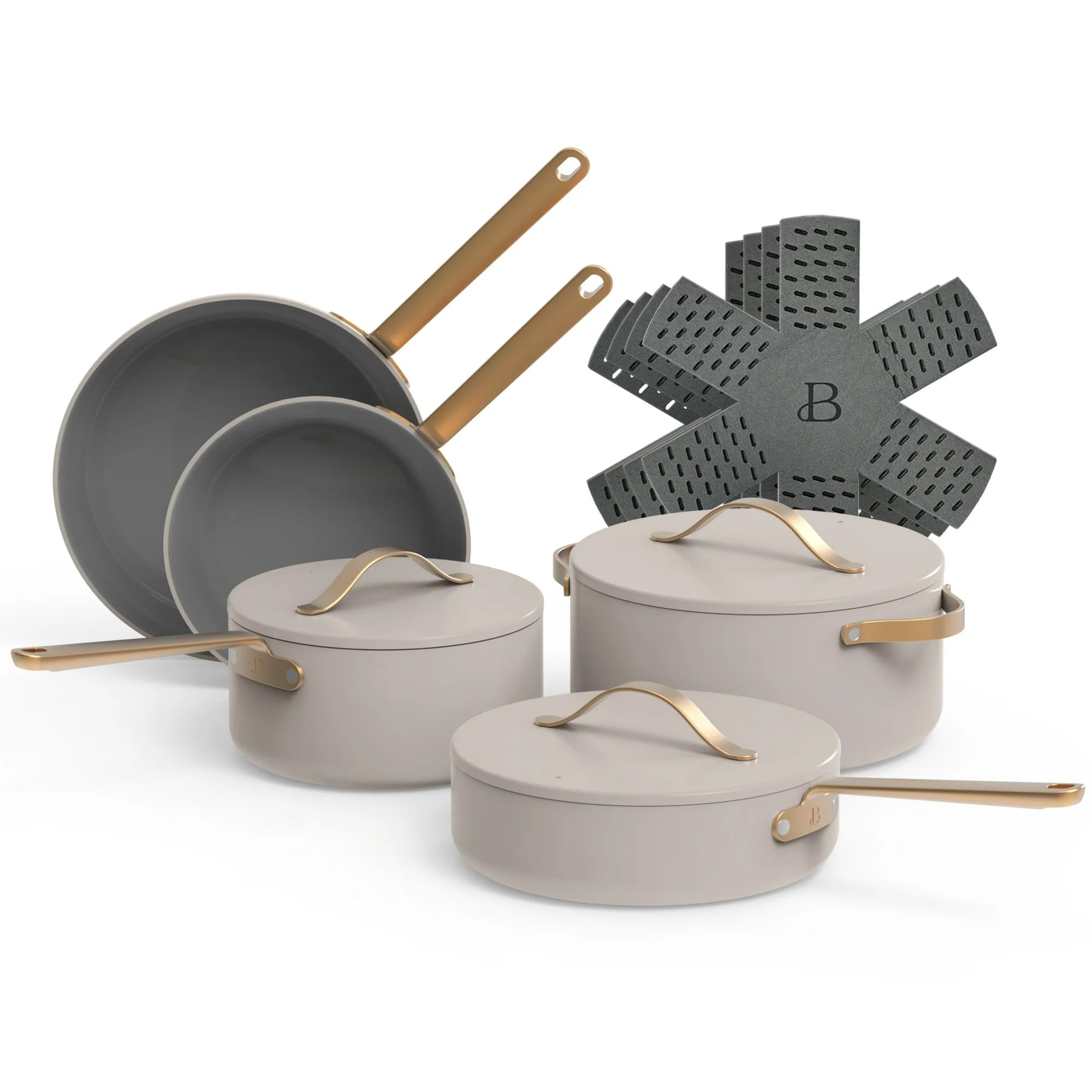
Drew Barrymore Cookware has gained attention for its stylish design and health-conscious approach. Many buyers wonder if this cookware is truly non-toxic and safe for everyday use. Understanding the materials used in these products helps to clarify their safety and performance. The choice of materials affects not only cooking quality but also whether harmful chemicals can leach into food. Drew Barrymore’s cookware line focuses on combining durability with safer, cleaner cooking options.
Types Of Materials Used
The Drew Barrymore cookware set typically includes several key materials designed to provide even heat and long-lasting use. Here are the main materials commonly found:
- Hard-Anodized Aluminum: This metal is treated to create a tough, non-reactive surface. It heats quickly and evenly, making it ideal for cooking.
- Stainless Steel: Often used for lids and handles, stainless steel adds durability and a sleek look. It resists rust and corrosion.
- Non-Stick Coating: The cookware features a non-stick layer to reduce the need for oil and ease cleaning. This coating is usually free from harmful chemicals.
Below is a table showing the common materials and their benefits:
| Material | Purpose | Benefits |
|---|---|---|
| Hard-Anodized Aluminum | Cookware body | Durable, even heat, non-reactive |
| Stainless Steel | Lids, handles | Rust-resistant, strong, stylish |
| Non-Stick Coating | Cooking surface | Easy clean, reduces oil, safe |
The hard-anodized aluminum base ensures fast and even cooking. Stainless steel parts add strength and a modern look. The non-stick surface is designed for health and convenience. This combination aims to deliver safe, effective cookware suitable for daily use.
Non-toxic Claims
Drew Barrymore cookware promotes non-toxic cooking by avoiding harmful chemicals often found in traditional pans. The brand claims its non-stick coating is free from substances like PFOA, PFAS, lead, and cadmium. These chemicals can be dangerous if they enter food or air during cooking.
Key points about the non-toxic features:
- PFOA-Free: No perfluorooctanoic acid, a chemical linked to health risks.
- PFAS-Free: The cookware avoids per- and polyfluoroalkyl substances, which are harmful and persistent in the environment.
- Lead and Cadmium-Free: No heavy metals that can contaminate food.
- Oven Safe: Materials withstand oven temperatures without releasing toxins.
The non-stick coating undergoes testing to ensure it meets safety standards. This testing helps reduce worries about chemical exposure during cooking. The brand also focuses on eco-friendly manufacturing practices, reducing harmful emissions and waste.
Below is a summary table of the main non-toxic claims:
| Feature | Safety Benefit |
|---|---|
| PFOA-Free | No toxic chemical release during cooking |
| PFAS-Free | Prevents environmental and health harm |
| Lead & Cadmium-Free | Safe food contact without heavy metals |
| Oven Safe | Durable without toxic breakdown |
These claims suggest Drew Barrymore cookware focuses on user health and safety. The choice of materials and coatings reduce risk of chemical exposure. This cookware offers a safer option for people wanting non-toxic kitchen tools.
Health And Safety Standards
Health and safety standards play a key role in deciding if cookware is safe for daily use. Drew Barrymore cookware claims to be non-toxic and safe for your kitchen. Understanding these standards helps you trust the cookware you choose. It tells you if harmful chemicals are kept away from your food. In this section, we explore how Drew Barrymore cookware meets important health and safety checks.
Certifications And Testing
Drew Barrymore cookware undergoes several tests and certifications to ensure it is non-toxic and safe. These checks prove the cookware does not release dangerous chemicals during cooking.
- FDA Approval: Confirms the materials used are safe for food contact.
- Prop 65 Compliance: Ensures no harmful chemicals like lead or cadmium are present.
- LFGB Certification: A German standard verifying the cookware meets strict food safety rules.
- Third-Party Testing: Independent labs test the cookware for toxins and durability.
These certifications show Drew Barrymore cookware passes strict safety rules. The products are checked for:
- Heavy metals
- PTFE and PFOA free coatings
- Heat resistance without chemical release
- Non-reactive cooking surfaces
| Certification | What It Tests | Why It Matters |
|---|---|---|
| FDA | Food contact safety | Prevents harmful chemicals in food |
| Prop 65 | Harmful chemicals like lead | Reduces cancer and birth defect risks |
| LFGB | Overall food safety and materials | Ensures cookware is safe and durable |
| Third-Party | Toxin-free and performance | Confirms manufacturer claims |
Comparison With Industry Standards
Drew Barrymore cookware meets or beats many industry standards for non-toxic cookware. These standards are set by global organizations to protect consumers.
- PTFE and PFOA Free: Many brands still use PFOA, a harmful chemical. Drew Barrymore cookware does not.
- Heavy Metal Limits: The cookware contains fewer heavy metals than the allowed limits.
- Durability Tests: It resists scratches and heat damage better than some competitors.
- Non-Stick Coating Safety: Uses safe ceramic-based coatings, unlike traditional non-stick coatings.
Here is a quick comparison table of Drew Barrymore cookware against common industry standards:
| Feature | Drew Barrymore Cookware | Industry Standard |
|---|---|---|
| PFOA/PTFE Content | None detected | Usually limited or present |
| Heavy Metal Levels | Below strict limits | Allowed up to specific levels |
| Coating Type | Ceramic, non-toxic | Often PTFE-based |
| Heat Resistance | Up to 450°F | Varies, some lower |
These standards make Drew Barrymore cookware a safe choice for health-conscious users. The brand’s focus on non-toxic materials and rigorous testing sets it apart from many other cookware options.
Customer Reviews And Feedback
Customer reviews and feedback provide valuable insights into whether Drew Barrymore cookware is truly non-toxic. Buyers often share their real-life experiences about the safety and health aspects of the cookware. These reviews help potential users understand if the products live up to their non-toxic claims. Analyzing this feedback reveals common opinions on the cookware’s materials, coatings, and overall safety for daily cooking.
User Experiences On Safety
Many users highlight their satisfaction with Drew Barrymore cookware’s safety features. Most reviews mention the absence of harmful chemicals like PFOA, PTFE, and lead. Customers appreciate the use of ceramic and other natural coatings that reduce health risks.
- Non-toxic materials: Several buyers confirm the cookware does not release toxins even at high temperatures.
- Safe cooking surface: Users report no chipping or peeling, which often causes exposure to harmful substances.
- Peace of mind: Many feel confident using the cookware for their families, especially children.
Some users share detailed feedback on durability and cleaning ease, which also relate to safety. Easy cleaning reduces the chance of bacteria build-up, enhancing food safety. Below is a summary table of common positive comments:
| Aspect | User Feedback |
|---|---|
| Material Safety | No toxic fumes or harmful chemicals detected |
| Coating Durability | Coating remains intact after months of use |
| Health Confidence | Users trust the cookware for everyday meals |
Common Concerns
Some customers express concerns about the cookware’s long-term safety and durability. A few mention that the ceramic coating can wear off after extended use. This wear might expose the underlying material, which raises safety questions.
- Coating wear: Peeling or scratching reported in a small number of reviews.
- Heat tolerance: Some users worry about toxic fumes if overheated beyond recommended limits.
- Cleaning care: Harsh scrubbing may damage the surface, reducing non-toxic protection.
Below is a list of common concerns shared by users:
- Coating may degrade after several months.
- Risk of fumes if cookware overheats.
- Need to avoid metal utensils to protect the surface.
- Care instructions must be followed strictly.
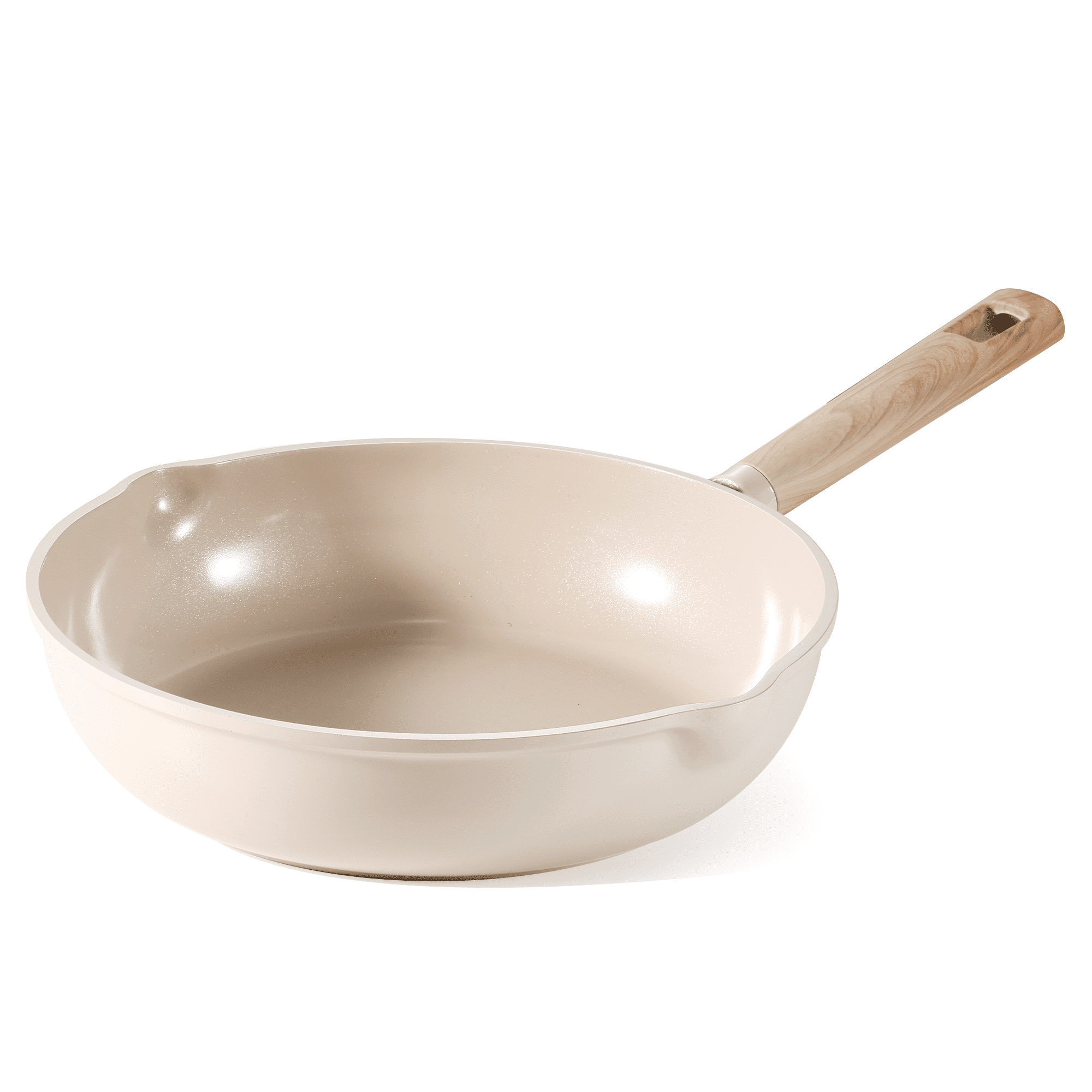
These concerns highlight the importance of proper use and maintenance. Following manufacturer guidelines can help maintain safety and extend the cookware’s life. Overall, while most users feel safe, cautious use is advised to avoid potential risks.
Credit: www.pirouette-editions.fr
Cleaning And Maintenance Tips
Keeping Drew Barrymore cookware clean and well-maintained helps preserve its non-toxic qualities. Proper cleaning and care extend the life of the cookware and keep it safe for cooking. Understanding the best ways to clean and maintain this cookware ensures it remains free from harmful substances. The following tips focus on simple steps to keep your cookware in top shape while avoiding damage or chemical exposure.
Best Practices For Longevity
To keep Drew Barrymore cookware lasting longer, follow these simple care tips. Proper use and cleaning prevent scratches and maintain the non-toxic surface.
- Hand wash with mild soap: Use warm water and a soft sponge. Avoid abrasive scrubbers that can damage the surface.
- Avoid high heat: Cook on low to medium heat to protect the coating and prevent warping.
- Dry immediately: After washing, dry the cookware with a soft cloth to avoid water spots and rust.
- Use wooden or silicone utensils: Metal tools can scratch the surface and reduce the cookware’s lifespan.
- Store carefully: Stack cookware with soft cloth or paper towels between pieces to prevent scratches.
Here is a simple guide to cleaning methods and their effects on cookware longevity:
| Cleaning Method | Effect on Cookware | Recommended? |
|---|---|---|
| Hand washing with mild soap | Preserves coating and finish | Yes |
| Dishwasher cleaning | May dull finish over time | No |
| Abrasive scrubbers | Scratches and damages surface | No |
| Soaking in water | Can cause rust spots if not dried | Use briefly |
Avoiding Harmful Chemicals
Maintaining the non-toxic nature of Drew Barrymore cookware means avoiding harsh chemicals during cleaning. Strong cleaners can break down the safe coating and introduce toxins.
Follow these guidelines to keep the cookware chemical-free:
- Skip bleach and ammonia: These chemicals can damage the surface and release harmful fumes.
- Use gentle, natural cleaners: Baking soda and vinegar work well for tough stains without toxicity.
- Rinse thoroughly: Remove all soap or cleaner residues to avoid chemical buildup on the cookware.
- Limit dishwasher use: Dishwasher detergents may contain chemicals that affect the cookware’s safety.
Here is a list of safe and unsafe cleaning agents for Drew Barrymore cookware:
| Cleaning Agent | Safety | Notes |
|---|---|---|
| Mild dish soap | Safe | Use with warm water |
| Baking soda | Safe | Good for stain removal |
| White vinegar | Safe | Use diluted for cleaning |
| Bleach | Unsafe | Avoid completely |
| Ammonia | Unsafe | Can damage coating |
Alternatives To Drew Barrymore Cookware
Drew Barrymore cookware has gained attention for its stylish design and promise of non-toxic materials. Many wonder if it truly offers a safe cooking experience free from harmful chemicals. While it meets some non-toxic standards, exploring other options can help you find the best cookware for your kitchen. Alternatives to Drew Barrymore cookware provide a range of materials and brands that focus on health and safety without sacrificing performance.
Other Non-toxic Brands
Several cookware brands prioritize non-toxic materials and safe cooking surfaces. These brands avoid harmful chemicals like PFOA, PTFE, lead, and cadmium. Here are some popular non-toxic cookware brands to consider:
- GreenPan: Uses Thermolon ceramic non-stick coating, free from PFAS, PFOA, lead, and cadmium.
- Caraway: Features ceramic-coated aluminum that is non-toxic and easy to clean.
- Lodge: Known for cast iron cookware, which is naturally non-toxic and durable.
- Le Creuset: Offers enameled cast iron that does not leach chemicals into food.
- All-Clad: Stainless steel cookware that is non-reactive and safe for cooking.
Choosing from these brands ensures you get cookware that meets strict safety standards. Some offer lifetime warranties and eco-friendly manufacturing processes. Below is a simple comparison table to help you decide:
| Brand | Material | Non-Toxic Features | Price Range |
|---|---|---|---|
| GreenPan | Ceramic Non-Stick | PFAS and PFOA free | $$ |
| Caraway | Ceramic Coated Aluminum | No toxic chemicals, eco-friendly | $$$ |
| Lodge | Cast Iron | Natural non-toxic, long-lasting | $ |
| Le Creuset | Enameled Cast Iron | No chemical leaching, durable | $$$$ |
| All-Clad | Stainless Steel | Non-reactive, safe cooking | $$$ |
Material Comparisons
The material of cookware affects its safety, durability, and cooking performance. Understanding different materials helps pick the best non-toxic option. Here is a comparison of popular cookware materials:
- Ceramic: Made from natural minerals, ceramic coatings are non-toxic and free from harmful chemicals. They provide a smooth non-stick surface but may wear out faster.
- Cast Iron: Heavy and durable, cast iron is naturally non-toxic. It can add iron to food and lasts for decades if cared for properly.
- Enameled Cast Iron: Cast iron coated with enamel prevents rust and chemical reactions. It is easy to clean and safe for all foods.
- Stainless Steel: Resistant to rust and corrosion. Non-reactive with acidic or alkaline foods, making it very safe for cooking.
- Aluminum: Lightweight and a good heat conductor. Must be anodized or coated to avoid leaching aluminum into food.
Here is a quick table summarizing key points:
| Material | Non-Toxic Level | Durability | Maintenance | Heat Conductivity |
|---|---|---|---|---|
| Ceramic | High | Moderate | Gentle cleaning | Moderate |
| Cast Iron | Very High | Very High | Seasoning needed | Low |
| Enameled Cast Iron | Very High | High | Easy cleaning | Low |
| Stainless Steel | High | High | Dishwasher safe | Moderate |
| Aluminum (Anodized) | High | Moderate | Hand wash preferred | High |
Choosing the right material depends on your cooking style and care routine. Cast iron suits slow cooking and searing. Ceramic is perfect for low-fat cooking. Stainless steel works well for boiling and frying without sticking. Each material offers a safe, non-toxic cooking experience when selected carefully.
Credit: www.amazon.com

Credit: www.ocupatucalle.com
Frequently Asked Questions
Is Drew Barrymore Cookware Free From Harmful Chemicals?
Yes, Drew Barrymore Cookware is non-toxic and free from harmful chemicals like PFOA and PFAS. It uses safe materials for healthy cooking.
What Materials Are Used In Drew Barrymore Cookware?
Drew Barrymore Cookware features ceramic non-stick coatings and aluminum bases. These materials ensure even heat and avoid toxic substances.
How Safe Is Drew Barrymore Cookware For Everyday Use?
It is very safe for daily cooking. The non-toxic coating prevents chemical leaching, making it ideal for family meals.
Does Drew Barrymore Cookware Release Toxins When Heated?
No, the cookware is designed to resist high heat without releasing harmful toxins, ensuring safe cooking every time.
Conclusion
Drew Barrymore cookware offers a safer choice for your kitchen. It uses materials that avoid harmful chemicals. You can cook without worrying about toxins in your food. The design focuses on health and everyday use. Many users find it easy to clean and durable.
Choosing non-toxic cookware helps keep your family healthy. Think about what you put in your meals. Safe cookware makes a real difference. Drew Barrymore’s line fits well for those who care about food safety. It’s a simple step toward better cooking habits.

Hello, This is Annie Walker, a 38-year-old blogger, founder, and editor of Cookware Guider from NY, USA. I am a cookware fanatic and passionate cooker. I love to cook with different types of cooking appliances (example: all types of cookware, rice cookers, slow cookers, etc) almost every day in my kitchen. I love to share my experience with my readers in my blog. Also, I enjoy helping people to solve their problems through my website. You can follow me on Twitter & Pinterest. To know details about my blog please check the about us page.