
When it comes to choosing the right cookware, you want something that makes cooking easier and food tastier. But here’s the question: is stainless steel cookware better than non-stick?
You might be wondering which option will give you the best results, last longer, and keep your kitchen safe. This decision can change how you cook every meal and how much you enjoy the process. Keep reading, because by the end of this article, you’ll know exactly which cookware suits your needs and why it matters to your cooking experience.
Benefits Of Stainless Steel Cookware
Stainless steel cookware offers many benefits that make it a top choice for kitchens. It stands strong against daily wear and heat. Cooks enjoy its reliable performance and safe cooking experience. This type of cookware suits many cooking styles and needs.
Durability And Longevity
Stainless steel is tough and lasts for years. It resists scratches, dents, and rust. It does not chip or peel like some coatings. This cookware can handle heavy use without damage. Investing in stainless steel means fewer replacements over time.
Heat Distribution And Retention
It heats evenly across the surface. This helps food cook uniformly without hot spots. The metal holds heat well, keeping food warm longer. This quality improves cooking control and results. It makes frying, sautéing, and simmering easier and better.
Safety And Non-toxicity
Stainless steel does not release harmful chemicals. It is free from coatings that might peel off. The material is stable at high cooking temperatures. This reduces risks of toxins mixing with food. It offers a clean and safe cooking surface every time.
Versatility In Cooking
This cookware works on all stove types, including induction. It suits boiling, frying, baking, and more. It can go from stove to oven without harm. Stainless steel pans handle acidic and alkaline foods well. It gives cooks freedom to try many recipes.
Advantages Of Non Stick Cookware
Non stick cookware offers many benefits that make cooking easier and more enjoyable. It suits busy kitchens and cooks of all skill levels. Its design helps food cook evenly and prevents sticking. This feature reduces frustration and saves time.
Non stick pans often need less oil or butter. This helps make meals healthier without losing flavor. The smooth surface also makes cleaning quick and painless.
Ease Of Cooking And Cleaning
Food slides off easily in non stick pans. There is less chance of burning or sticking. This helps keep food intact and looking good. Cleaning is simple. Usually, a soft sponge and warm water do the job. No scrubbing or soaking for hours.
Reduced Oil Usage
Non stick surfaces need very little oil. This lowers fat in meals naturally. It suits those who want light, healthy dishes. Cooking with less oil also means less smoke and mess. A cleaner kitchen and healthier meals.
Lightweight And User Friendly
Non stick cookware is lighter than many other types. It is easier to handle and move around. This helps people who have less strength or wrist problems. The pans heat up quickly, saving time. User-friendly design helps anyone cook with confidence.
Drawbacks Of Stainless Steel Cookware
Stainless steel cookware has many benefits, but it also has some drawbacks. These can affect how easy it is to use and maintain. Knowing these downsides helps in making a good choice for your kitchen.
Food Sticking Challenges
Stainless steel pans often cause food to stick. This happens because they lack a non-stick coating. Cooking eggs or fish can be tricky. Using enough oil and proper heat helps, but sticking still happens sometimes.
Maintenance And Cleaning Effort
Cleaning stainless steel pots takes more time. Burnt food and stains need scrubbing. Special cleaners may be needed to keep the shine. This means more effort than cleaning non-stick pans.
Higher Initial Cost
Stainless steel cookware usually costs more at first. The price is higher than many non-stick sets. It may seem expensive but can last longer with care. Still, the upfront cost can be a barrier for some buyers.
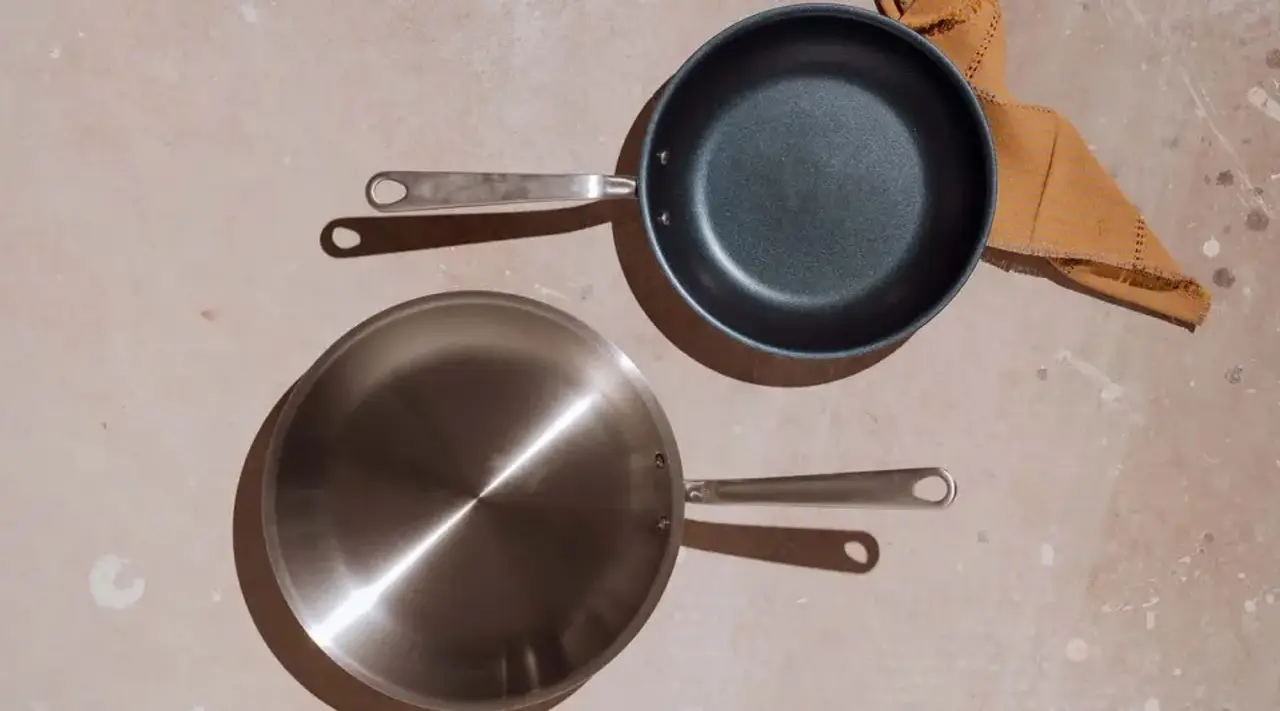
Credit: madeincookware.com
Limitations Of Non Stick Cookware
Non stick cookware offers convenience in the kitchen, but it has some clear limits. These limits affect how long the cookware lasts and how safe it is for cooking. Understanding these issues helps choose the best cookware for daily use.
Coating Durability And Scratches
Non stick coatings can wear out quickly. Using metal utensils can cause scratches. Scratches ruin the smooth surface and reduce non stick ability. Once damaged, food sticks more and cleaning gets harder. Scratched coatings may release tiny particles into food. This shortens the lifespan of the cookware.
Heat Sensitivity And Damage
Non stick pans do not handle high heat well. Excess heat can damage the coating and make it peel. Avoid using non stick cookware on very high flames. Overheating lowers the pan’s performance and safety. It also causes warping or permanent damage to the pan.
Health Concerns With Chemicals
Some non stick coatings contain chemicals that worry many people. Heating damaged coatings can release harmful fumes. These fumes may cause breathing issues in sensitive individuals. Choosing non stick cookware without harmful chemicals is important. Proper use and care reduce health risks during cooking.
Comparing Cooking Performance
Cooking performance is a key factor when choosing cookware. Stainless steel and non-stick pans behave differently on the stove. Each type suits different cooking tasks. Understanding their strengths helps you pick the right one for your kitchen.
Searing And Browning
Stainless steel excels in searing and browning. It heats evenly and keeps high temperatures well. This creates a nice crust on meats and vegetables. Non-stick pans do not get as hot. They often prevent food from sticking but do not brown as well.
Cooking Delicate Foods
Non-stick pans shine with delicate foods like eggs and fish. Their smooth surface stops food from sticking or breaking apart. Stainless steel can cause these foods to stick if not used carefully. Non-stick cookware offers easier release and less breakage.
Temperature Control
Stainless steel provides better temperature control. It responds quickly to heat changes. This helps prevent burning or undercooking. Non-stick pans heat up fast but cool down slowly. That can make it harder to keep precise temperatures.

Credit: proware-kitchen.co.uk
Cost And Value Considerations
Cost and value play a big role in choosing cookware. Stainless steel and non-stick pans differ in price and lifespan. Understanding these differences helps you pick the best option for your kitchen.
Upfront Investment
Stainless steel cookware usually costs more at first. It often comes with thicker metal and better construction. Non-stick pans are cheaper but may use lower-quality materials. The initial price can affect your budget. Spending more now might save money later.
Long-term Replacement Costs
Non-stick coatings wear out over time. You might need to replace these pans every few years. Stainless steel lasts much longer without damage. This means fewer purchases and less waste. Over time, stainless steel may cost less overall.
Resale And Durability
Stainless steel holds value well. You can resell it if you change kitchens. It resists scratches and dents better than non-stick. Non-stick pans lose value quickly after use. Durable cookware adds lasting value to your kitchen tools.
Choosing The Right Cookware For Your Needs
Choosing the right cookware affects your cooking experience. It depends on what you cook and how often. Different pans suit different needs. Stainless steel and non-stick have unique benefits. Understanding these helps you pick the best option.
Consider your cooking style. Also think about health concerns. Budget and care are important too. These factors guide your decision clearly.
Cooking Style And Frequency
Think about the dishes you cook most. Stainless steel works well for searing and browning. Non-stick pans are great for eggs and pancakes. Cook often? Durable cookware like stainless steel lasts longer.
Cook rarely? Non-stick might be easier to use and clean. Choose based on what fits your daily routine best.
Health And Safety Priorities
Stainless steel does not release chemicals. It stays safe even at high heat. Non-stick coatings can wear off over time. This may cause health concerns for some people.
Check if non-stick pans use safe materials. Choose pans without harmful chemicals. Health matters most in your kitchen.
Budget And Maintenance
Stainless steel cookware usually costs more upfront. It requires more care to keep shiny and clean. Non-stick pans cost less and clean easily.
Replace non-stick pans more often due to wear. Stainless steel lasts many years with proper care. Balance cost with how much time you want to spend cleaning.

Credit: www.360cookware.com
Frequently Asked Questions
Is Stainless Steel Cookware Healthier Than Non-stick?
Stainless steel cookware is generally safer as it doesn’t release chemicals when heated. Non-stick pans may emit fumes if overheated, posing health risks.
Does Stainless Steel Last Longer Than Non-stick?
Yes, stainless steel cookware is more durable and resistant to scratches. Non-stick coatings can wear off over time, reducing lifespan.
Can Stainless Steel Cookware Replace Non-stick Pans?
Stainless steel can replace non-stick for many cooking tasks but may require more oil to prevent sticking. Non-stick is better for delicate foods.
Which Cookware Heats More Evenly: Stainless Steel Or Non-stick?
Stainless steel with an aluminum or copper core heats more evenly. Basic non-stick pans may have uneven heating, affecting cooking quality.
Conclusion
Stainless steel and non-stick cookware both have strong points. Stainless steel lasts longer and handles high heat well. Non-stick pans make cooking and cleaning easier. Choose based on your cooking style and needs. Think about health, maintenance, and budget. Both types can help you cook tasty meals.
It’s all about what fits you best. Try both to see which one feels right. Cooking should be simple and fun. Your kitchen, your rules.

Hello, This is Annie Walker, a 38-year-old blogger, founder, and editor of Cookware Guider from NY, USA. I am a cookware fanatic and passionate cooker. I love to cook with different types of cooking appliances (example: all types of cookware, rice cookers, slow cookers, etc) almost every day in my kitchen. I love to share my experience with my readers in my blog. Also, I enjoy helping people to solve their problems through my website. You can follow me on Twitter & Pinterest. To know details about my blog please check the about us page.