
Are you worried about the safety of aluminum cookware in your kitchen? You’re not alone.
Many people wonder if using aluminum pots and pans can affect their health or change the taste of their food. Before you decide to toss out your favorite skillet or avoid buying new ones, it’s important to know the facts.
This article will clear up the confusion and help you make smart choices for your cooking and your well-being. Keep reading to find out what really matters when it comes to aluminum cookware and your safety.
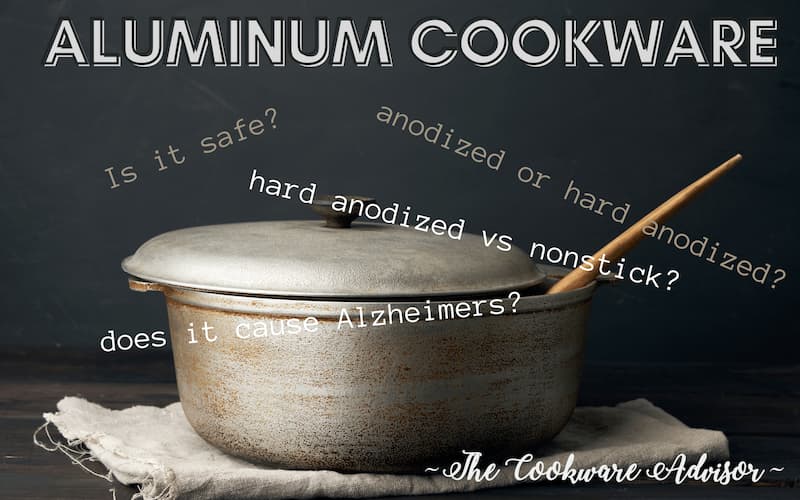
Credit: thecookwareadvisor.com
Aluminum Cookware Basics
Aluminum cookware is popular in many kitchens due to its light weight and good heat conduction. Many cooks use it daily but wonder about its safety and types. Understanding the basics of aluminum cookware helps to choose the right pieces and use them correctly. This section explains the main types of aluminum cookware and their common uses.
Types Of Aluminum Cookware
Aluminum cookware comes in different forms. Each type has unique features and uses. Knowing these types helps pick the best cookware for your needs.
- Uncoated Aluminum: Pure aluminum pans and pots without any covering. These are lightweight and heat up quickly.
- Anodized Aluminum: Treated to create a hard surface. This makes the cookware more durable and resistant to scratches and corrosion.
- Coated Aluminum: Aluminum with a non-stick coating. It makes cooking and cleaning easier but the coating can wear out over time.
- Aluminum Core Cookware: Cookware with an aluminum layer inside, surrounded by stainless steel. It combines good heat conduction with durability.
| Type | Features | Pros | Cons |
|---|---|---|---|
| Uncoated Aluminum | Lightweight, heats fast | Affordable, good heat conduction | Can react with acidic food, scratches easily |
| Anodized Aluminum | Hard surface, durable | Scratch-resistant, non-reactive | More expensive than uncoated |
| Coated Aluminum | Non-stick surface | Easy cooking and cleaning | Coating can chip or wear off |
| Aluminum Core Cookware | Aluminum inside, stainless steel outside | Even heating, durable exterior | Heavier than pure aluminum |
Each type suits different cooking styles and kitchen needs. Choosing the right one depends on budget, cooking habits, and care willingness.
Common Uses In Kitchens
Aluminum cookware is versatile and found in many kitchens. Its uses range from daily cooking to baking and frying.
Common uses include:
- Frying Pans and Skillets: Aluminum heats quickly and evenly, perfect for frying eggs, vegetables, and meats.
- Saucepans: Used for boiling, simmering, and making sauces. Aluminum’s fast heating saves cooking time.
- Baking Sheets and Pans: Aluminum’s heat conduction helps bake cookies, cakes, and bread evenly.
- Stockpots: Ideal for soups and stews. Lightweight aluminum makes large pots easy to handle.
Many professional kitchens use aluminum for these reasons. It is also common in home kitchens for:
- Quick cooking tasks
- Easy cleanup with non-stick coatings
- Budget-friendly cookware options
Care should be taken with acidic foods, as uncoated aluminum may react and affect taste. Using anodized or coated aluminum reduces this risk. Proper use extends the life of aluminum cookware and keeps food safe.
Health Concerns Linked To Aluminum
Many people wonder about the safety of aluminum cookware. Concerns arise because aluminum can react with food and enter the body. Understanding the health risks linked to aluminum helps make better cooking choices. This section explains how aluminum interacts with food and what possible health effects it may cause.
Aluminum And Food Interaction
Aluminum cookware can release small amounts of aluminum into food, especially under certain conditions. Acidic or salty foods increase this release. Examples include tomatoes, citrus fruits, and vinegar-based dishes. Cooking or storing such foods in aluminum pots may raise aluminum levels in the meal.
Factors affecting aluminum release:
- Food acidity: Higher acidity means more aluminum leaches out.
- Cooking time: Longer cooking increases aluminum transfer.
- Cookware condition: Scratched or worn aluminum releases more metal.
- Temperature: High heat speeds up aluminum leaching.
| Food Type | Effect on Aluminum Leaching |
|---|---|
| Acidic foods (tomatoes, citrus) | High increase in aluminum release |
| Salty foods | Moderate increase |
| Neutral foods (rice, pasta) | Low to no increase |
Aluminum exposure from cookware is usually low. The body absorbs only a small amount. Most of it leaves through urine. Still, frequent use with acidic foods might raise exposure levels.
Potential Health Risks
Scientists have studied aluminum’s effects on health for many years. The metal is linked to some health concerns, but evidence is not always clear. The body handles small amounts well, but high exposure may cause problems.
Possible health risks include:
- Neurological issues: Some studies suggest aluminum might affect brain health. It may link to diseases like Alzheimer’s, but proof is weak.
- Bone problems: High aluminum levels can interfere with calcium, harming bones.
- Kidney stress: People with kidney disease may have trouble removing aluminum, causing buildup.
Health experts set safe aluminum intake limits. The World Health Organization recommends less than 2 mg per kilogram of body weight each week. Most people do not reach this limit through food and cookware.
| Health Concern | Risk Level | Notes |
|---|---|---|
| Alzheimer’s Disease | Low to moderate | No strong evidence of direct cause |
| Bone Weakness | Moderate | High aluminum intake can affect calcium absorption |
| Kidney Damage | High (in kidney patients) | Reduced ability to clear aluminum from body |
To reduce risks, choose anodized aluminum cookware. It has a hard layer that prevents aluminum from leaching. Avoid cooking acidic or salty foods in plain aluminum pots.
Scientific Research Insights
Scientific research plays a key role in understanding the safety of aluminum cookware. Many people worry about aluminum leaching into food and causing health problems. Scientists have studied how much aluminum can enter food during cooking and what effects it might have on the body. This section summarizes key research findings and safety guidelines from health authorities.
Studies On Aluminum Exposure
Researchers have measured aluminum levels in food cooked with aluminum pots and pans. Results show some aluminum can transfer to food, especially acidic or salty dishes. Still, the amount is usually very small and below harmful limits.
- Acidic foods like tomato sauce increase aluminum leaching.
- Cooking time and temperature also affect aluminum levels.
- Aluminum absorption by the body is low, with most eliminated quickly.
One study tested aluminum content in various dishes cooked in aluminum cookware. Here is a simplified summary:
| Food Type | Aluminum Increase (mg/kg) | Notes |
|---|---|---|
| Tomato Sauce (acidic) | 2.5 | Higher leaching due to acidity |
| Boiled Potatoes | 0.3 | Minimal aluminum transfer |
| Stew (salted) | 1.2 | Moderate increase due to salt |
Studies agree: occasional use of aluminum cookware is unlikely to cause health risks. People with kidney problems should be cautious, as their bodies clear aluminum more slowly.
Regulatory Guidelines
Health agencies set limits to protect people from excessive aluminum exposure. These limits help decide if aluminum cookware is safe.
The World Health Organization (WHO) and the Food and Drug Administration (FDA) provide key safety limits:
- Provisional Tolerable Weekly Intake (PTWI): WHO recommends no more than 2 mg of aluminum per kg of body weight per week.
- FDA Regulation: Aluminum cookware must meet strict standards to limit leaching.
| Organization | Guideline | Limit |
|---|---|---|
| WHO | Provisional Tolerable Weekly Intake (PTWI) | 2 mg/kg body weight/week |
| FDA | Aluminum leaching limits in cookware | Varies by product type |
Following these guidelines keeps aluminum intake safe. Using anodized aluminum cookware reduces leaching further. Washing aluminum pots carefully also helps.
Regulators monitor new research to update safety rules. Current evidence supports safe use of aluminum cookware within recommended limits.
Credit: theskillfulcook.com
Safe Usage Tips
Aluminum cookware offers many benefits like light weight and good heat conduction. Yet, using it safely requires some care. Following simple tips can help avoid damage and keep your cookware lasting longer. These safe usage tips focus on preventing common problems like corrosion and pitting. Also, proper cleaning methods protect your cookware and maintain its quality. Understanding these easy steps ensures safe and effective use of aluminum pots and pans.
Avoiding Corrosion And Pitting
Aluminum can react with acidic or salty foods, causing corrosion or small pits on its surface. These pits can damage the cookware and may affect food taste. To protect your aluminum cookware, follow these guidelines:
- Avoid cooking highly acidic foods such as tomatoes, vinegar, or citrus for long periods in uncoated aluminum pots.
- Do not store acidic or salty foods in aluminum containers for a long time.
- Use anodized aluminum cookware if possible, as it has a protective layer that resists corrosion and pitting.
- Keep cookware dry after washing to prevent water spots and corrosion.
- Do not use metal utensils that can scratch the surface and expose raw aluminum to food.
| Cause of Corrosion | Effect on Cookware | Prevention |
|---|---|---|
| Cooking acidic foods for long time | Surface pitting and dullness | Limit cooking time; use anodized cookware |
| Storing salty or acidic foods | Corrosion and metal leaching | Avoid long storage in aluminum |
| Using metal utensils | Scratches and exposed aluminum | Use wooden or silicone utensils |
Following these steps helps keep the cookware smooth and safe for cooking. It also extends the life of your aluminum pots and pans.
Proper Cleaning Methods
Cleaning aluminum cookware correctly keeps it in good shape and free from damage. Harsh cleaning can wear down the surface, leading to corrosion or stains. Here are safe cleaning tips for aluminum cookware:
- Wash with warm water and mild dish soap using a soft sponge or cloth.
- Avoid strong detergents or bleach which can damage the aluminum surface.
- Do not use abrasive scrubbers like steel wool or rough brushes that scratch the cookware.
- For tough stains, soak the cookware in warm soapy water for 15-30 minutes before cleaning.
- Rinse thoroughly to remove all soap residue.
- Dry the cookware immediately with a soft towel to prevent water spots and oxidation.
Here is a quick cleaning routine you can follow:
- Fill sink with warm water and mild soap.
- Soak cookware for a few minutes if needed.
- Gently scrub with a soft sponge.
- Rinse well with clean water.
- Dry with a soft cloth right away.
Proper cleaning keeps the aluminum surface smooth and shiny. It also stops corrosion and pitting from forming. Regular care means your cookware stays safe and looks good for years.
Alternatives To Aluminum Cookware
Many people worry about using aluminum cookware because of health concerns. Fortunately, there are several safe and durable alternatives. These options can provide good cooking results without the risks some associate with aluminum. Choosing the right cookware depends on your cooking style, budget, and care preferences.
Stainless Steel Options
Stainless steel cookware is a popular choice for those who want a safe and long-lasting option. It does not react with acidic or alkaline foods, making it safe for all types of cooking. This metal is strong and resistant to scratches and rust.
Benefits of stainless steel cookware include:
- Does not leach chemicals into food.
- Can handle high temperatures for frying and sautéing.
- Easy to clean and often dishwasher safe.
- Offers even heating when combined with an aluminum or copper core.
Here is a simple comparison of stainless steel types used in cookware:
| Type | Composition | Best For | Care |
|---|---|---|---|
| 304 (18/8) | 18% Chromium, 8% Nickel | Everyday cooking | Dishwasher safe, avoid harsh cleaners |
| 316 (18/10) | 18% Chromium, 10% Nickel | More corrosion resistance | Hand wash recommended |
Stainless steel pans often come with layers of aluminum or copper inside. This design improves heat distribution and reduces hot spots.
Non-stick And Cast Iron Choices
Non-stick cookware is easy to use and clean. It requires less oil for cooking, which can make meals healthier. Most non-stick pans have a coating like PTFE (Teflon). This coating is safe if the pan is not overheated or scratched.
Key points about non-stick pans:
- Use low to medium heat to protect the coating.
- Use wooden or silicone utensils to avoid scratches.
- Not suitable for high-heat cooking methods like searing.
Cast iron cookware is heavy but very durable. It provides excellent heat retention and can be used at very high temperatures. Cast iron pans develop a natural non-stick surface called seasoning when properly cared for.
Benefits of cast iron include:
- Can last for decades with proper care.
- Adds small amounts of iron to food, which can be healthy.
- Great for frying, baking, and slow cooking.
Both non-stick and cast iron require special care:
- Non-stick pans: Avoid metal utensils and high heat.
- Cast iron pans: Clean without soap, dry thoroughly, and apply oil to prevent rust.

Credit: www.reddit.com
Frequently Asked Questions
Is Aluminum Cookware Safe For Daily Cooking?
Yes, aluminum cookware is generally safe for daily use. It is lightweight and conducts heat well. However, avoid cooking acidic foods in uncoated aluminum as it may leach small amounts of aluminum into food.
Does Aluminum Cookware Affect Food Taste?
Aluminum cookware rarely affects food taste if it has a non-stick or anodized coating. Uncoated aluminum may impart a metallic taste, especially with acidic or salty foods.
Can Aluminum Cookware Cause Health Problems?
There is no strong evidence linking aluminum cookware to health issues. The FDA considers aluminum safe for cooking. Use anodized or coated aluminum to minimize aluminum exposure.
How To Clean Aluminum Cookware Safely?
Clean aluminum cookware with mild detergent and soft sponges. Avoid abrasive cleaners or steel wool, which can damage the surface and increase aluminum leaching.
Conclusion
Aluminum cookware is generally safe when used properly. Avoid cooking acidic foods for a long time in it. Anodized aluminum adds extra protection against leaching. Clean it gently to keep the surface intact. Many people cook with aluminum without issues.
Choosing quality cookware matters for your health. Use aluminum pans wisely for safe and tasty meals. Trust your kitchen tools, but stay informed. Safety starts with knowing how to use them right.

Hello, This is Annie Walker, a 38-year-old blogger, founder, and editor of Cookware Guider from NY, USA. I am a cookware fanatic and passionate cooker. I love to cook with different types of cooking appliances (example: all types of cookware, rice cookers, slow cookers, etc) almost every day in my kitchen. I love to share my experience with my readers in my blog. Also, I enjoy helping people to solve their problems through my website. You can follow me on Twitter & Pinterest. To know details about my blog please check the about us page.