
If you love cooking and want cookware that can keep up with your kitchen adventures, you’ve probably asked yourself: Is Ninja cookware oven safe? Knowing this can save you time and prevent damage to your favorite pots and pans.
Imagine finishing a meal faster without switching dishes or worrying if your cookware will survive the oven’s heat. You’ll get clear answers and simple tips to make the most of your Ninja cookware—so you can cook with confidence every time.
Keep reading to discover what you need to know before putting your Ninja gear in the oven.
Ninja Cookware Materials
Ninja cookware is popular for its durability and modern design. Understanding the materials used in Ninja cookware helps in knowing if it is oven safe. The materials affect heat resistance, cooking performance, and maintenance. This section explains the common materials found in Ninja cookware and their heat resistance properties.
Types Of Materials Used
Ninja cookware mainly uses three types of materials for its pots and pans:
- Hard-Anodized Aluminum: This is a common base material. It is lightweight and provides good heat conduction. The hard-anodized surface resists scratches and corrosion, making it long-lasting.
- Stainless Steel: Some Ninja cookware features stainless steel layers or parts. It is strong, non-reactive, and easy to clean. Stainless steel adds durability but may be heavier than aluminum.
- Nonstick Coating: Ninja pans often have a nonstick layer. This coating helps food release easily and reduces oil use. The nonstick surface must be handled carefully to avoid damage.
The combination of these materials provides a balance between heat distribution, durability, and ease of cooking. Ninja also designs lids with tempered glass or stainless steel, supporting safe cooking and visibility.
| Material | Key Feature | Common Use in Ninja Cookware |
|---|---|---|
| Hard-Anodized Aluminum | Lightweight and scratch-resistant | Cookware bodies and pans |
| Stainless Steel | Durable and non-reactive | Handles, lids, and some cookware layers |
| Nonstick Coating | Food release and easy cleaning | Cooking surfaces of pans |
Heat Resistance Properties
The heat resistance of Ninja cookware depends on its materials and construction. Most Ninja cookware is designed to handle moderate oven temperatures but has limits.
Hard-anodized aluminum can generally withstand oven temperatures up to 500°F (260°C). This makes it suitable for many baking and roasting tasks.
Stainless steel components also tolerate high heat well. Handles and lids made from stainless steel often resist temperatures up to 400°F (204°C) or more.
The nonstick coating in Ninja cookware usually has a lower heat tolerance. Nonstick surfaces can start to break down or release fumes if exposed to temperatures above 400°F (204°C). This means care is needed when using nonstick pans in the oven.
| Material | Typical Oven Safe Temperature | Notes |
|---|---|---|
| Hard-Anodized Aluminum | Up to 500°F (260°C) | Good for most oven use |
| Stainless Steel | Up to 400°F (204°C) or higher | Durable and heat resistant |
| Nonstick Coating | Up to 400°F (204°C) | Avoid overheating to protect coating |
Handles made of silicone or plastic are not always oven safe. Ninja often uses stainless steel handles, which can handle oven heat better. Always check the specific product instructions before placing cookware in the oven.
Oven Safety Guidelines
When using Ninja cookware in the oven, following oven safety guidelines is essential. These rules help protect your cookware from damage and keep your kitchen safe. Knowing the right temperature limits and safe handling methods ensures your cooking experience is smooth and worry-free. Proper care extends the life of your cookware and keeps your meals tasty and healthy.
Manufacturer’s Temperature Limits
Ninja cookware comes with specific temperature limits set by the manufacturer. These limits are important to avoid warping, coating damage, or unsafe fumes. Ninja cookware is usually safe up to a certain oven temperature, but this varies by product type.
Here are key points about Ninja cookware temperature limits:
- Nonstick pans: Typically oven safe up to 450°F (232°C).
- Ceramic-coated cookware: Often safe up to 400°F (204°C).
- Handles and lids: Some parts may have lower heat resistance.
Check the product manual or Ninja’s official website for exact numbers. Exceeding these limits can cause:
- Peeling or cracking of the nonstick surface
- Warped cookware shape
- Potential health risks from damaged coatings
| Cookware Type | Max Oven Temperature | Notes |
|---|---|---|
| Nonstick Skillets | 450°F (232°C) | Avoid sudden temperature changes |
| Ceramic-Coated Pots | 400°F (204°C) | Use oven-safe lids only |
| Cast Aluminum | 450°F (232°C) | Handles may have lower limits |
Safe Usage Practices
Using Ninja cookware safely in the oven requires careful handling. Follow these practices to protect your cookware and avoid accidents.
- Preheat the oven: Always preheat before placing cookware inside. Avoid sudden temperature changes.
- Remove plastic or rubber parts: Detach any non-oven-safe handles or lids before use.
- Use oven mitts: Ninja cookware gets hot fast. Always use mitts or potholders to prevent burns.
- Place cookware on a stable rack: Avoid sliding cookware. Set it gently to prevent scratches or tipping.
- Follow manufacturer instructions: Read any care guides included with your cookware.
Additional tips include:
- Do not use cookware under a broiler unless specified
- Hand wash after oven use to maintain coating
- Allow cookware to cool before washing to avoid warping
These simple steps help keep Ninja cookware durable and safe for oven use. Proper care improves cooking results and protects your investment.
Comparing Ninja Cookware Models
Ninja cookware offers various products designed for different cooking needs. Understanding which models are safe for oven use is key to cooking efficiently and safely. Comparing Ninja cookware models helps identify which pieces can handle oven heat and which cannot. This section breaks down the oven safety of popular Ninja cookware models to guide your cooking choices.
Oven-safe Models
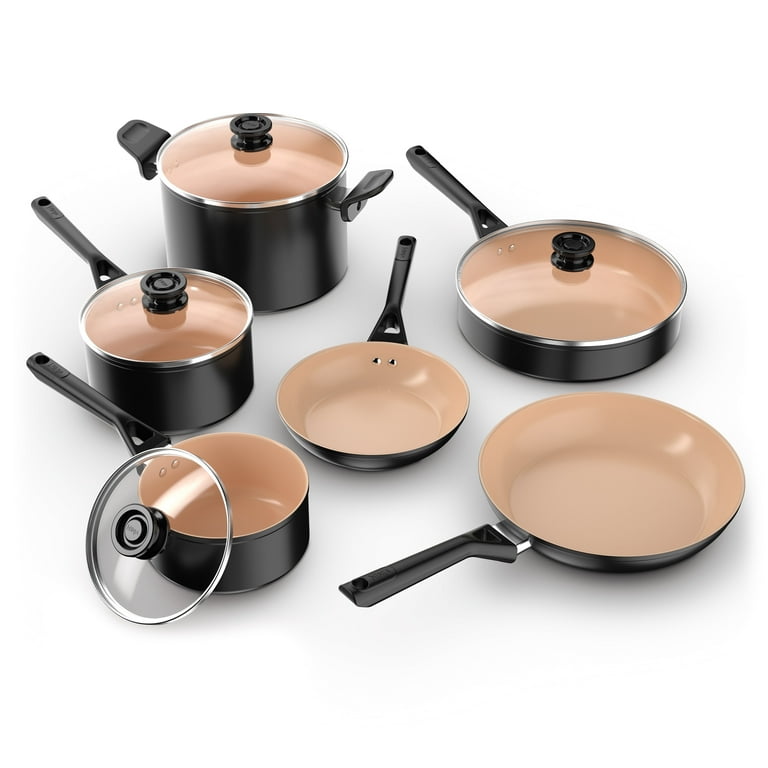
Certain Ninja cookware models are designed to withstand oven temperatures up to specific limits. These models usually have metal or silicone handles and use materials that tolerate heat well. Here are some common Ninja cookware pieces that are oven safe:
- Ninja Foodi Ceramic Cookware: Oven safe up to 450°F (232°C).
- Ninja Foodi NeverStick Cookware: Oven safe up to 400°F (204°C).
- Ninja Foodi Hard Anodized Cookware: Oven safe up to 500°F (260°C).
Oven-safe models have sturdy construction and heat-resistant handles. They allow you to start cooking on the stovetop and finish in the oven without switching pans. This flexibility saves time and keeps food flavors intact.
| Model | Max Oven Temperature | Handle Material | Key Feature |
|---|---|---|---|
| Foodi Ceramic | 450°F (232°C) | Silicone | Non-stick ceramic coating |
| Foodi NeverStick | 400°F (204°C) | Metal | Durable non-stick surface |
| Foodi Hard Anodized | 500°F (260°C) | Metal | Heavy-duty and scratch resistant |
Before using any Ninja cookware in the oven, check the product manual for exact temperature limits. Using the cookware within these limits keeps the pans safe and preserves their lifespan.
Models Not Suitable For Oven Use
Some Ninja cookware models are not safe for oven use due to their materials or handle design. These models often have plastic or rubber handles that can melt or get damaged under high heat.
- Ninja Foodi Air Fryer Pans: Usually not oven safe because of plastic parts.
- Ninja Non-Stick Skillets with Plastic Handles: Handle damage risk above 350°F (177°C).
- Ninja Ceramic Bakeware with Silicone Handles: Handle heat limits vary; often not recommended for oven use.
Using these models in the oven may cause permanent damage or release harmful fumes. It is safer to use them only on stovetops or in air fryer units as intended.
| Model | Oven Safety | Handle Material | Reason Not Oven Safe |
|---|---|---|---|
| Foodi Air Fryer Pan | No | Plastic | Plastic handles melt under high heat |
| Non-Stick Skillet | No | Plastic | Handle damage risk above 350°F |
| Ceramic Bakeware (with silicone handles) | No | Silicone | Heat limits often not suitable for oven |
Always verify the manufacturer’s guidelines before placing any Ninja cookware in the oven. Using non-oven-safe models in the oven may void warranties and cause safety hazards.
Credit: www.walmart.com
Potential Risks Of Oven Use
Using Ninja cookware in the oven can be convenient for many recipes. Yet, it carries some potential risks. Knowing these risks helps protect your cookware and your safety. Oven use can affect the materials and design of Ninja cookware, which may cause damage or hazards. Understanding these issues is important before placing your cookware in the oven.
Damage To Cookware
Ninja cookware is made with specific materials and coatings. These are designed mainly for stovetop cooking. Using them in the oven can cause problems like:
- Warping: High oven heat can change the shape of the pan or pot.
- Coating Damage: Non-stick surfaces can peel or crack under intense heat.
- Handle Damage: Plastic or silicone handles may melt or weaken.
Here is a simple table showing common damage types and their causes:
| Damage Type | Cause | Effect |
|---|---|---|
| Warping | High oven temperature | Uneven cooking, unstable cookware |
| Coating Peeling | Excessive heat exposure | Food sticks, reduced non-stick life |
| Handle Melting | Plastic handles in oven | Unsafe to hold, risk of burns |
To keep your Ninja cookware safe, always check the oven-safe temperature limit. Avoid heating above the recommended degrees. Remove cookware from the oven carefully to prevent sudden temperature changes. Sudden cooling or heating can cause cracking or warping.
Safety Hazards
Using Ninja cookware in the oven without caution creates safety risks. These hazards can affect you and your kitchen. Some common safety issues include:
- Burn Risks: Handles can become hot and cause burns.
- Toxic Fumes: Damaged coatings may release harmful chemicals.
- Fire Hazards: Melting parts may catch fire or smoke.
Follow these safety tips to reduce risks:
- Use oven mitts when handling hot cookware.
- Check if handles and lids are oven-safe.
- Do not use cookware beyond its temperature limits.
- Inspect cookware regularly for damage before oven use.
Here is a quick guide on safety precautions:
| Hazard | Cause | Prevention |
|---|---|---|
| Burns | Hot handles and surfaces | Use oven mitts, avoid plastic handles |
| Toxic Fumes | Coating damage or overheating | Do not overheat, replace damaged cookware |
| Fire | Melting parts or food spills | Keep oven clean, avoid plastic in oven |
Always follow manufacturer guidelines. Using Ninja cookware safely in the oven protects you and your kitchen.
Tips For Oven Cooking With Ninja Cookware
Ninja cookware offers versatility in the kitchen, including oven use. Knowing the right tips for oven cooking helps keep your cookware safe and your meals delicious. This section covers key advice for using Ninja cookware in the oven without damage. Follow these tips to extend the life of your pots and pans and cook with confidence.
Preheating Recommendations
Proper preheating is important for Ninja cookware when using the oven. Avoid sudden temperature changes that can warp or damage the cookware. Here are some essential preheating tips:
- Preheat the oven fully before placing the cookware inside. This ensures even cooking.
- Do not preheat empty Ninja cookware on high heat. Heat the oven first, then place the cookware.
- Check the maximum oven-safe temperature for your specific Ninja cookware model. Usually, it is up to 450°F (232°C).
- Use oven mitts when handling hot cookware to prevent burns.
- Avoid placing cold cookware directly into a hot oven. Let it warm up gradually.
Use this table as a quick reference for safe oven temperatures:
| Cookware Type | Max Oven Temperature | Preheating Tip |
|---|---|---|
| Hard Anodized | 450°F (232°C) | Preheat oven fully, then insert cookware |
| Nonstick | 400°F (204°C) | Avoid overheating; do not preheat empty pan |
| Stainless Steel | 500°F (260°C) | Can tolerate higher heat; still preheat oven first |
Cleaning After Oven Use
Cleaning Ninja cookware after oven use keeps it in good condition and ready for your next meal. Oven heat can cause food to stick or burn on the surface. Follow these cleaning tips for best results:
- Allow cookware to cool before washing. Sudden cooling may warp the pan.
- Use warm water and mild dish soap to clean. Avoid harsh chemicals or abrasive scrubbers.
- Soak stuck-on food for 10-15 minutes to loosen residue.
- Use a soft sponge or cloth to prevent scratching nonstick surfaces.
- Dry thoroughly to avoid water spots or rust on metal parts.
Here is a simple cleaning routine:
1. Cool cookware completely 2. Soak in warm, soapy water 3. Gently scrub with soft sponge 4. Rinse and dry well 5. Store in a dry placeNever put Ninja cookware with nonstick coating in the dishwasher. The harsh detergents reduce its lifespan. Hand washing after oven use maintains the cookware’s quality and appearance.
Credit: yourpghlawyer.com

Credit: www.visualsp.com
Frequently Asked Questions
Is Ninja Cookware Safe For Oven Use?
Yes, most Ninja Cookware is oven safe up to 450°F. Always check the specific product manual for exact temperature limits to avoid damage.
Can Ninja Cookware Handle High Oven Temperatures?
Ninja Cookware can generally withstand oven temperatures up to 450°F. Avoid exceeding this limit to maintain cookware quality and safety.
Are Ninja Cookware Lids Oven Safe?
Most Ninja Cookware lids are not oven safe. Remove lids before placing cookware in the oven to prevent melting or warping.
How To Check If Ninja Cookware Is Oven Safe?
Refer to the product manual or manufacturer’s website. Look for oven-safe symbols or temperature guidelines specific to your Ninja Cookware model.
Conclusion
Ninja cookware can safely go in the oven, but check temperature limits. Most pieces handle heat up to 450°F, perfect for many recipes. Avoid sudden temperature changes to keep the cookware in good shape. Always read the user guide for specific model details.
Using Ninja cookware in the oven adds cooking flexibility at home. Cook your favorite meals without worry or hassle. Simple steps keep your cookware lasting longer. Safe, easy, and reliable for everyday cooking needs.

Hello, This is Annie Walker, a 38-year-old blogger, founder, and editor of Cookware Guider from NY, USA. I am a cookware fanatic and passionate cooker. I love to cook with different types of cooking appliances (example: all types of cookware, rice cookers, slow cookers, etc) almost every day in my kitchen. I love to share my experience with my readers in my blog. Also, I enjoy helping people to solve their problems through my website. You can follow me on Twitter & Pinterest. To know details about my blog please check the about us page.