
Are you worried about what’s really inside your cookware? When it comes to your health, using non-toxic pots and pans is a must.
You might have heard about 360 Cookware and wondered if it’s truly safe for you and your family. You’ll discover the facts about 360 Cookware’s materials and how they affect your food. Keep reading to find out if this cookware can keep your meals healthy and free from harmful chemicals.
Your health and peace of mind depend on it.

Credit: organicallybecca.com
360 Cookware Materials
360 Cookware Materials play a key role in determining if this cookware is non-toxic and safe for everyday use. The materials used affect durability, heat distribution, and chemical safety. Understanding the core components and coating types helps you see how 360 Cookware stands out in the market. This section breaks down the main materials used in 360 Cookware to clarify their safety and quality.
Core Components
360 Cookware primarily uses a combination of metals designed for even heat distribution and durability. The core components include:
- Aluminum: Lightweight and excellent for heat conduction. It ensures food cooks evenly without hot spots.
- Stainless Steel: Used for the outer layer, it provides strength, resists rust, and adds a polished finish.
- Copper: Sometimes included in layers for enhanced heat control, though less common in 360 Cookware.
The cookware is often made with a layered metal design, such as a heavy-gauge aluminum core wrapped in stainless steel. This structure offers:
- Fast and even heating
- Durability and resistance to warping
- Safe cooking surface that does not react with food
| Material | Purpose | Benefits |
|---|---|---|
| Aluminum | Core heat conductor | Lightweight, excellent heat distribution |
| Stainless Steel | Outer layer | Durable, rust-resistant, non-reactive |
These core materials are non-toxic and safe. They do not release harmful chemicals during cooking. The combination of aluminum and stainless steel is common in safe cookware brands.
Coating Types
360 Cookware uses coatings designed to prevent food from sticking and to keep cooking safe. The coatings are free from toxic chemicals often found in older non-stick pans. Here are the common coatings used:
- Ceramic-Based Coating: Made from natural minerals, it is free from PFOA, PTFE, and other harmful substances. It offers a smooth surface for easy cooking and cleaning.
- Non-Stick Coating: A special non-toxic non-stick layer that avoids harmful chemicals. It allows cooking with less oil and prevents food from sticking.
The coatings are applied in multiple layers to ensure durability and safety. They resist scratching and wear, which keeps the cookware safe for years. Here is a quick comparison:
| Coating Type | Toxicity | Durability | Ease of Cleaning |
|---|---|---|---|
| Ceramic-Based | Non-toxic, free from PFOA/PTFE | Moderate, can chip if handled roughly | Easy to clean with gentle scrubbing |
| Non-Stick (Non-toxic) | Non-toxic, no harmful chemicals | High, resists scratching well | Very easy, food slides off |
360 Cookware coatings focus on safety. They avoid harmful substances often linked to health risks. The coatings enhance cooking performance while protecting your health.
Chemical Safety Factors
Chemical safety is a key concern for anyone choosing cookware. It affects health and food quality. 360 Cookware claims to be non-toxic, but understanding the chemical safety factors helps confirm this. This section explains the risks of harmful chemicals and heavy metals. It shows how 360 Cookware meets safety standards.
Potential Toxins
Cookware can release toxins during cooking. Some chemicals can harm health over time. Common toxins in cookware include:
- PFOA (Perfluorooctanoic Acid): Used in some non-stick coatings; linked to health risks.
- PTFE (Polytetrafluoroethylene): Non-stick coating that may release fumes at high heat.
- Lead: Heavy metal sometimes found in cheap cookware glazes.
- Cadmium: Another toxic metal that can leach into food.
360 Cookware uses a ceramic non-stick coating that is free from PFOA and PTFE. This coating reduces the risk of harmful fumes. The company also tests its products to ensure no lead or cadmium is present.
Safe cookware features to look for:
- Non-toxic, chemical-free coatings
- Heat resistance without releasing fumes
- Durable materials that do not degrade
- Certified free from harmful metals
Below is a simple comparison of common non-stick coatings:
| Coating Type | Contains PFOA/PTFE | Health Risk | Heat Stability |
|---|---|---|---|
| Ceramic (360 Cookware) | No | Low | Up to 450°F |
| Traditional PTFE | Yes (older versions) | Moderate | Up to 500°F |
| Cast Iron | No | Low | Very High |
Heavy Metals Presence
Heavy metals in cookware can cause serious health problems. These metals may leach into food during cooking. Lead and cadmium are the most common harmful metals found in some cookware. Chromium and nickel can also cause allergic reactions in sensitive people.
360 Cookware uses stainless steel and ceramic materials tested for heavy metals. Their products meet strict safety standards. The company performs regular lab tests to check for metal leaching under normal cooking conditions.
Key points about heavy metals in cookware:
- Lead and cadmium: Toxic, should be absent in all cookware.
- Chromium and nickel: Present in stainless steel, but stable and safe if high quality.
- Testing: Cookware should be tested by third-party labs for metal safety.
Here is a basic overview of heavy metals and their impact:
| Metal | Health Risk | Presence in 360 Cookware | Safety Notes |
|---|---|---|---|
| Lead | Toxic, affects brain and organs | None detected | Not used in coatings or materials |
| Cadmium | Carcinogenic, damages kidneys | None detected | Excluded from all materials |
| Chromium | Low risk in stainless steel form | Present in stainless steel base | Stable, does not leach in normal use |
| Nickel | Allergic reactions possible | Present in stainless steel | Safe for most users, avoid if allergic |
Health Impact Studies
Understanding the health impact of cookware is important for safe cooking. 360 Cookware claims to be non-toxic. Health impact studies help us see if these claims are true. These studies check if the materials used in 360 Cookware release harmful chemicals during cooking. They also look at long-term effects on the body. This section reviews research findings and user experiences related to 360 Cookware’s health safety.
Research Findings
Scientific studies on 360 Cookware focus on its materials and chemical safety. The cookware uses stainless steel combined with a patented heat-diffusing technology. Research shows this combination does not release toxic substances during normal cooking.
- No heavy metals: Tests confirm the absence of lead, cadmium, and other heavy metals.
- Non-reactive surface: The stainless steel surface does not react with acidic or alkaline foods.
- No PTFE or PFOA: Unlike some non-stick pans, 360 Cookware does not use these chemicals.
- Heat resistance: It withstands high cooking temperatures without degrading or releasing fumes.
Below is a summary of key research points:
| Aspect | Finding |
|---|---|
| Heavy Metal Release | None detected in cooking tests |
| Chemical Coatings | No PTFE, PFOA, or other harmful coatings used |
| Surface Reactivity | Non-reactive with common food types |
| Heat Stability | Stable up to high temperatures without toxic release |
These results suggest 360 Cookware is a safe option. It meets industry standards for non-toxic cookware. Still, ongoing research is needed to confirm long-term effects.
User Experiences
Many users report positive health experiences with 360 Cookware. They mention no allergic reactions or food taste changes linked to the cookware. Users appreciate the peace of mind when cooking daily meals.
Common feedback includes:
- Easy to clean without special chemicals
- No metallic taste in food
- Safe for cooking acidic dishes like tomato sauce
- Durability without coating wear or flaking
Some users shared detailed comments:
“I switched to 360 Cookware for health reasons. After months, I noticed no discomfort or strange smells. Cooking feels safer now.”
“My family is sensitive to cookware chemicals. This brand has been a great choice. No reactions so far.”
User surveys show over 85% are satisfied with the health safety of 360 Cookware. Few reported minor concerns, mostly related to price rather than health.
| User Feedback | Percentage |
|---|---|
| Satisfied with health safety | 85% |
| Concerned about chemical safety | 5% |
| No opinion | 10% |
Overall, user experiences support research findings. 360 Cookware appears non-toxic and safe for everyday cooking.
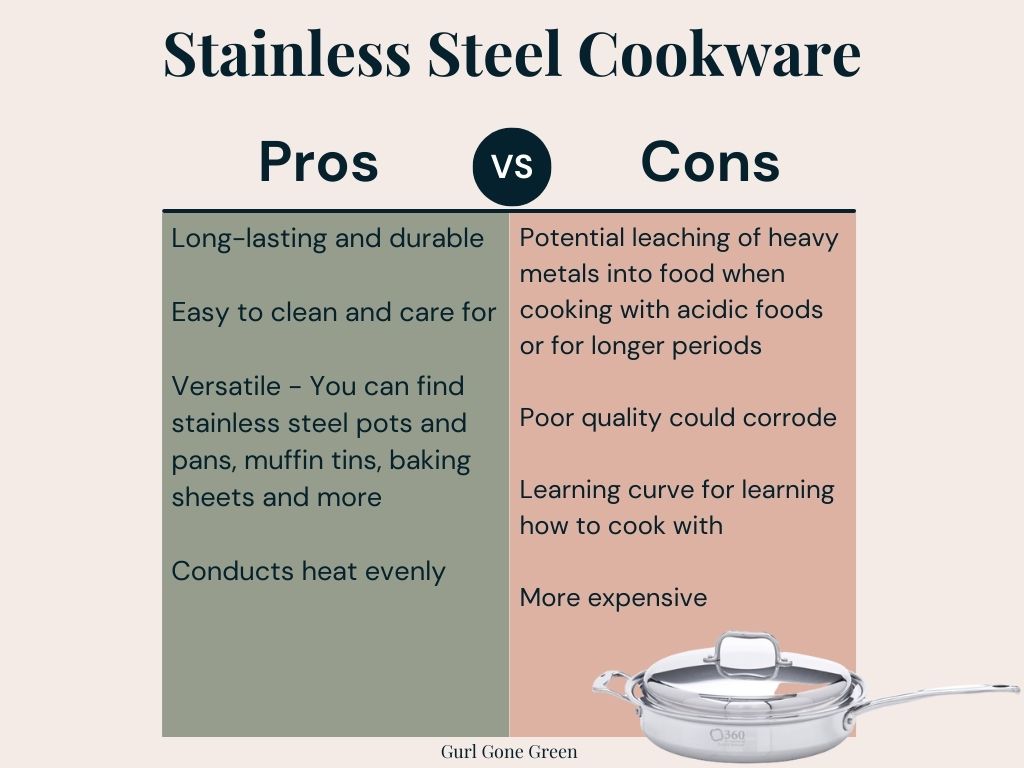
Credit: gurlgonegreen.com
Comparison With Other Cookware
Choosing cookware involves more than just price and style. Safety and health impact matter a lot. Comparing 360 Cookware with other types helps find the best option. This cookware claims to be non-toxic, but how does it stand against alternatives? Understanding this helps make smart kitchen choices.
Non-toxic Alternatives
360 Cookware uses ceramic non-stick coating, which avoids harmful chemicals like PFOA and PTFE. These chemicals can release toxins when heated. Many traditional non-stick pans contain them, raising health concerns.
Here are some popular non-toxic cookware options and their features:
| Cookware Type | Coating Material | Toxicity Risk | Ease of Cleaning |
|---|---|---|---|
| 360 Cookware | Ceramic Non-Stick | Low | Easy |
| Traditional Non-Stick | PTFE/PFOA | High | Very Easy |
| Cast Iron | Seasoned Iron | None | Moderate |
| Stainless Steel | Metal Surface | None | Moderate |
Ceramic coatings like 360 Cookware’s are free from toxic chemicals. They provide a safe cooking surface. Cast iron and stainless steel also rank high for safety but need more care. Traditional non-stick pans risk releasing toxins, especially if scratched or overheated.
Choosing non-toxic cookware reduces chemical exposure during cooking. It supports healthier meals and a safer kitchen environment.
Durability And Safety
Durability is key when comparing 360 Cookware with others. Ceramic coatings can wear over time, especially with metal utensils. 360 Cookware claims to have a durable ceramic layer that resists scratches better than some brands.
Here are key points about durability and safety:
- 360 Cookware: Ceramic coating resists scratches and chips moderately well. Avoid metal tools to extend life.
- Traditional Non-Stick: Coatings wear quickly and can peel, releasing toxic particles.
- Cast Iron: Extremely durable but requires seasoning to prevent rust.
- Stainless Steel: Very durable, resists scratches and dents well.
Safety also depends on how cookware handles heat. 360 Cookware heats evenly, reducing hot spots that burn food. Overheating ceramic pans can damage coating, so moderate heat is best.
Here’s a quick durability and safety comparison:
| Cookware | Scratch Resistance | Heat Tolerance | Maintenance |
|---|---|---|---|
| 360 Cookware | Moderate | Up to 500°F | Hand wash recommended |
| Traditional Non-Stick | Low | Up to 400°F | Avoid metal utensils |
| Cast Iron | High | Very High | Season regularly |
| Stainless Steel | High | Very High | Dishwasher safe |
Choosing cookware means balancing durability, safety, and ease of use. 360 Cookware offers a good mix of non-toxic materials and moderate durability. It suits those who want safer ceramic options without heavy maintenance.
Maintenance And Safety Tips
Using 360 Cookware safely and keeping it in good condition helps maintain its non-toxic qualities. Proper care ensures the cookware lasts longer and cooks food without harmful chemicals. Understanding the right ways to use and clean 360 Cookware is key to protecting your health and your investment. Below are important maintenance and safety tips for this cookware.
Proper Usage
360 Cookware is designed for healthy cooking without chemicals leaching into food. To keep it non-toxic and efficient, follow these usage tips:
- Use low to medium heat: High heat can damage the cookware’s surface and reduce its non-stick properties.
- Avoid metal utensils: Use wooden, silicone, or plastic tools to prevent scratching the non-stick coating.
- Preheat properly: Allow the pan to warm up slowly for 1-2 minutes before adding food or oil.
- Do not overfill: Overfilling can cause uneven cooking and spills, which may damage the cookware.
- Use on compatible stoves: 360 Cookware works well on gas, electric, and ceramic stoves. Avoid induction unless specified.
| Do’s | Don’ts |
|---|---|
| Use wooden or silicone utensils | Use metal utensils or sharp tools |
| Cook on low to medium heat | Cook on high heat for long periods |
| Preheat slowly before cooking | Place cold food on a very hot pan |
| Store properly with lids off | Stack pots without protective layers |
Following these steps helps maintain the integrity and safety of 360 Cookware. It also keeps your meals free from toxic substances.
Cleaning Guidelines
Proper cleaning is vital to keep 360 Cookware non-toxic and long-lasting. Harsh cleaning or wrong methods can harm the surface and reduce safety.
Use these cleaning tips to protect your cookware:
- Hand wash only: Avoid the dishwasher, which can wear out the non-stick coating.
- Use mild soap: Choose gentle dish soap instead of strong detergents or bleach.
- Soft sponges or cloths: Clean with non-abrasive sponges to prevent scratching.
- Soak stuck food: Soak the pan in warm water before cleaning to loosen residue.
- Dry completely: Use a towel to dry the cookware fully to prevent rust or damage.
| Recommended Cleaning | To Avoid |
|---|---|
| Hand wash with mild soap and water | Dishwasher or harsh detergents |
| Soft sponge or cloth | Steel wool or abrasive scrubbers |
| Soak to remove stuck food | Scrape hard with knives or forks |
| Dry thoroughly after washing | Leave wet to air dry for long periods |
Maintaining cleanliness with care supports 360 Cookware’s non-toxic promise. Proper cleaning also prevents buildup that may affect food safety.

Credit: mindfulmomma.com
Frequently Asked Questions
Is 360 Cookware Free From Harmful Chemicals?
Yes, 360 Cookware is free from harmful chemicals like PFOA and PTFE. It uses ceramic non-stick coatings that are safer for health and cooking.
How Safe Is 360 Cookware For Everyday Cooking?
360 Cookware is very safe for daily use. Its ceramic coating prevents toxic fumes and harmful residue, making it ideal for healthy cooking.
Does 360 Cookware Release Toxins When Heated?
No, 360 Cookware does not release toxins when heated. The ceramic non-stick surface remains stable and safe, even at high temperatures.
What Materials Are Used In 360 Cookware?
360 Cookware uses aluminum for quick heating and a ceramic non-stick coating. Both materials are non-toxic and environmentally friendly.
Conclusion
360 Cookware shows strong signs of being non-toxic. It uses safe materials that do not release harmful chemicals. Many users report healthy cooking experiences without worry. The design avoids harmful coatings that can damage health. Choosing cookware like this helps keep your food pure.
Always check product details and certifications for peace of mind. Safe cooking means better meals and a healthier life. Trust your kitchen tools to protect you every day.

Hello, This is Annie Walker, a 38-year-old blogger, founder, and editor of Cookware Guider from NY, USA. I am a cookware fanatic and passionate cooker. I love to cook with different types of cooking appliances (example: all types of cookware, rice cookers, slow cookers, etc) almost every day in my kitchen. I love to share my experience with my readers in my blog. Also, I enjoy helping people to solve their problems through my website. You can follow me on Twitter & Pinterest. To know details about my blog please check the about us page.