
When you’re shopping for cookware, stainless steel often stands out as a top choice. But have you ever wondered if all stainless steel cookware is actually the same?
You might think one set is just like another, but the truth can surprise you. The quality, durability, and cooking performance can vary a lot—and knowing these differences can save you money and improve your cooking experience. Keep reading to discover what makes some stainless steel cookware better than others and how you can pick the perfect set for your kitchen.

Credit: www.all-clad.com
Types Of Stainless Steel
Not all stainless steel cookware is created equal. The type of stainless steel affects durability, heat distribution, and corrosion resistance. Understanding the different types helps you pick cookware that lasts and cooks well. Stainless steel varies by grade, alloy, and magnetic properties. These factors impact how the cookware performs in your kitchen. Let’s explore the key types of stainless steel used in cookware.
Grades And Alloys
Stainless steel grades refer to different mixes of metals combined to improve strength and resistance. The most common grades for cookware are 18/10, 18/8, and 18/0. These numbers show the percentage of chromium and nickel in the alloy.
- 18/10 Stainless Steel: Contains 18% chromium and 10% nickel. It is the most durable and corrosion-resistant. Often used in high-quality cookware.
- 18/8 Stainless Steel: Made of 18% chromium and 8% nickel. Slightly less corrosion-resistant but still very strong and common in cookware.
- 18/0 Stainless Steel: Has 18% chromium but no nickel. It is magnetic but less resistant to rust and stains.
The alloy mix changes the cookware’s weight, shine, and resistance to rust. Higher nickel content means better shine and corrosion resistance. Chromium protects the steel from rust and damage.
| Grade | Chromium % | Nickel % | Features |
|---|---|---|---|
| 18/10 | 18% | 10% | Highly durable, corrosion-resistant, shiny finish |
| 18/8 | 18% | 8% | Strong, corrosion-resistant, less shiny |
| 18/0 | 18% | 0% | Magnetic, less resistant to rust, budget-friendly |
Magnetic Vs Non-magnetic
Magnetic properties affect how stainless steel cookware works with stovetops. Cookware with magnetic steel works on induction cooktops, while non-magnetic cookware does not.
Understanding the difference helps you choose cookware compatible with your stove type. Magnetic stainless steel contains more iron, which attracts magnets.
- Magnetic Stainless Steel: Contains iron, good for induction and gas stoves. Usually 18/0 grade or certain alloys.
- Non-Magnetic Stainless Steel: Contains more nickel, making it non-magnetic. Works on electric and gas stoves but not induction.
Most high-quality cookware blends magnetic and non-magnetic layers for better heat conduction and induction compatibility. Some cookware uses a magnetic base layer to work on induction.
| Type | Magnetic | Induction Compatible | Common Use |
|---|---|---|---|
| 18/0 Stainless Steel | Yes | Yes | Budget cookware, induction stoves |
| 18/8 and 18/10 Stainless Steel | No (usually) | No (without special base) | Premium cookware, non-induction stoves |
Common Compositions
Stainless steel contains several metals that affect its qualities. The main elements are chromium, nickel, carbon, and sometimes molybdenum.
Chromium forms a thin, protective layer that stops rust and stains. It must be at least 10.5% for steel to be “stainless.”
Nickel adds shine and improves corrosion resistance. It also makes steel non-magnetic.
Carbon increases hardness and strength but too much can reduce corrosion resistance.
Molybdenum improves resistance to pitting and corrosion, especially in salty environments.
Here is a simple breakdown of common stainless steel elements:
| Element | Role | Effect on Cookware |
|---|---|---|
| Chromium (10.5%+) | Rust protection | Prevents corrosion, keeps cookware shiny |
| Nickel | Corrosion resistance, shine | Makes steel non-magnetic, adds durability |
| Carbon | Strength | Increases hardness but can reduce rust resistance |
| Molybdenum | Corrosion resistance | Protects against pitting, improves durability |
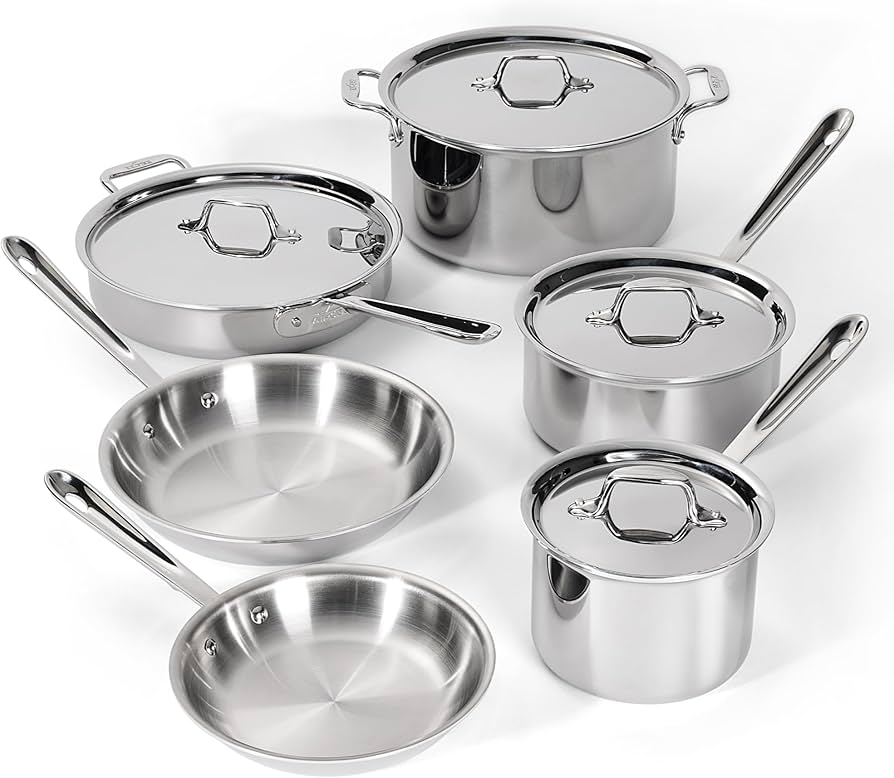
Credit: www.amazon.com
Construction And Layers
Not all stainless steel cookware is built the same. The construction and layers play a big role in how well the cookware heats, cooks food, and lasts over time. Understanding these differences helps you pick the best pan for your kitchen needs. Stainless steel pans can have various layers of metal joined together or sometimes just a single layer. These layers affect heat distribution, durability, and cooking performance.
Clad Vs Non-clad Cookware
Stainless steel cookware comes in two main types based on construction: clad and non-clad. Clad cookware has multiple layers of metal bonded together. Non-clad cookware usually has just one layer of stainless steel with an aluminum or copper base.
Clad Cookware:
- Has layers of stainless steel with aluminum or copper sandwiched inside.
- Provides even heat across the cooking surface.
- Prevents hot spots that burn food.
- More expensive but offers better cooking results.
Non-Clad Cookware:
- Single layer of stainless steel, often with an aluminum or copper disk at the bottom.
- Can have uneven heat distribution.
- Less expensive and lighter.
- May cause food to stick or burn more easily.
| Feature | Clad Cookware | Non-Clad Cookware |
|---|---|---|
| Layers | Multiple layers bonded | Single layer with base disk |
| Heat Distribution | Even | Less even |
| Price | Higher | Lower |
| Durability | High | Moderate |
Impact Of Core Materials
The core material inside stainless steel cookware affects how heat moves through the pan. Most cookware uses aluminum or copper cores because these metals heat quickly and evenly.
Aluminum Core:
- Excellent heat conductor.
- Distributes heat evenly to avoid hot spots.
- Lightweight, so cookware is easier to handle.
- Less expensive than copper.
Copper Core:
- Best heat conductor among metals.
- Allows quick and precise temperature control.
- Heavier and usually costs more.
- Requires more care to prevent tarnishing.
Some cookware uses a combination of metals for the core to balance cost, weight, and performance. The core is usually sandwiched between stainless steel layers. This keeps the pan durable and easy to clean, while the core provides fast and even heating.
Thickness And Durability
Thickness matters a lot in stainless steel cookware. Thicker pans tend to be more durable and heat food more evenly. Thin pans heat up fast but may warp or develop hot spots over time.
Thickness Tips:
- Thicker base and walls resist warping from high heat.
- Heavy pans keep heat steady, preventing temperature swings.
- Thicker cookware often costs more but lasts longer.
Durability Factors:
- High-quality stainless steel (18/10 or 18/8) resists rust and corrosion.
- Well-constructed layers reduce damage from frequent use.
- Handles and lids add to overall strength and user comfort.
Choosing cookware with the right thickness and durable materials ensures your pans perform well and stay in good shape for years. Avoid very thin or cheaply made stainless steel pans, as they wear out fast and cook unevenly.
Performance Differences
Not all stainless steel cookware performs the same, even if they look similar. The differences in material quality, design, and construction affect how well they cook food and last over time. Understanding these performance differences helps in choosing the right set for your kitchen. Key factors include how heat spreads, how efficient cooking is, and how well the cookware resists stains and rust.
Heat Distribution
Heat distribution is crucial for even cooking. Stainless steel alone is not the best heat conductor. Most high-quality cookware has a layered base combining stainless steel with other metals like aluminum or copper.
- Aluminum core: Spreads heat quickly and evenly across the pan.
- Copper core: Offers superior heat control but is more expensive.
- Pure stainless steel: Heats unevenly and can cause hot spots.
Cookware with a layered base ensures food cooks uniformly and reduces burning risks. Cheaper sets often skip this layer, leading to poor heat spread.
| Cookware Type | Heat Conductivity | Cooking Result |
|---|---|---|
| Stainless Steel Only | Low | Hot spots, uneven cooking |
| Stainless Steel + Aluminum | High | Even heat, consistent cooking |
| Stainless Steel + Copper | Very High | Precise heat control |
Cooking Efficiency
Cooking efficiency measures how fast cookware heats and maintains temperature. Efficient cookware saves energy and time.
Cookware with a thick, layered base heats up quickly and keeps heat steady. This reduces the need to raise the stove’s heat too high. It also lowers the chance of food sticking or burning.
- Thin pans heat slowly and lose heat fast.
- Heavy pans hold heat well but take longer to warm up.
- Well-made cookware balances heating speed and retention.
Efficient cookware helps cooks prepare meals faster and with less effort. The right choice means better results and less wasted energy.
| Cookware Feature | Effect on Efficiency |
|---|---|
| Thick, layered base | Fast heating, even heat retention |
| Thin base | Slow heating, uneven temperature |
| Heavy gauge steel | Good heat retention, slower heating |
Resistance To Staining And Rust
Not all stainless steel cookware resists stains and rust equally. Quality depends on the type of steel and its finish.
Common grades include 18/10, 18/8, and 18/0 stainless steel. The numbers show the percentage of chromium and nickel:
- Chromium: Prevents rust and stains.
- Nickel: Adds shine and corrosion resistance.
Cookware with higher nickel content (like 18/10) resists rust better and stays shiny longer. Lower grades may develop spots or discoloration faster.
Proper care also affects resistance:
- Wash cookware soon after use.
- Dry immediately to prevent water spots.
- Avoid harsh cleaners that can damage the surface.
Choosing cookware with good steel quality and taking care of it ensures it stays rust-free and attractive for years.

Credit: madeincookware.com
Maintenance And Care
Not all stainless steel cookware is made equal, especially when it comes to maintenance and care. Proper care keeps your pots and pans looking new and working well for years. Each type of stainless steel cookware may require different cleaning methods and handling to stay in top shape. Learning how to care for your cookware can save money and improve cooking results.
Cleaning Tips
Cleaning stainless steel cookware properly prevents stains and rust. Use warm, soapy water and a soft sponge after each use. Avoid harsh scrubbers that can scratch the surface.
- Remove stuck food: Soak the pan in warm water for 15-30 minutes before washing.
- Use baking soda: Sprinkle baking soda on tough stains and scrub gently with a soft cloth.
- For discoloration: Mix vinegar and water (1:3 ratio) and wipe the surface to restore shine.
- Dishwasher caution: Some stainless steel pans are dishwasher safe, but frequent use can dull the finish.
Avoid using bleach or steel wool. These damage the surface and reduce the cookware’s lifespan. Rinse well and dry with a clean towel to prevent water spots.
Avoiding Damage
Damage happens when cookware is exposed to improper use or cleaning. Protect your stainless steel by following simple rules.
- Heat control: Use medium or low heat. High heat can cause warping or discoloration.
- Use proper utensils: Wooden, silicone, or plastic utensils avoid scratching the surface. Metal tools can cause permanent damage.
- Do not stack: Avoid stacking pans without protection. Place a cloth or paper towel between them to prevent scratches.
- Avoid sudden temperature changes: Don’t put a hot pan into cold water. This can cause warping.
Handle cookware carefully, especially when it is hot. Dropping or banging stainless steel can dent or deform it.
Longevity Factors
The lifespan of stainless steel cookware depends on quality and care. High-grade stainless steel lasts longer but still needs good maintenance.
| Factor | Impact on Longevity | Tips |
|---|---|---|
| Material Quality | Better steel resists rust and warping. | Choose 18/10 stainless steel for durability. |
| Cleaning Method | Gentle cleaning preserves the finish. | Use mild detergents and soft sponges. |
| Heat Usage | High heat can damage cookware. | Cook on low to medium heat. |
| Storage | Proper storage prevents scratches. | Separate cookware with cloth or pads. |
Regular care keeps the cookware performing well and looking good. Watch for signs of wear and treat problems early to extend use.
Price And Value
Understanding the price and value of stainless steel cookware is key to making a smart kitchen purchase. Not all stainless steel sets cost the same or offer equal benefits. The price reflects the material quality, construction, and brand reputation. Knowing these differences helps to find cookware that fits your budget and cooking needs. This section breaks down the cost factors and shows how value varies across different stainless steel cookware options.
Cost Variations
Stainless steel cookware prices can vary widely. Several factors influence these costs:
- Material Grade: Higher-grade stainless steel (like 18/10) costs more but lasts longer and resists rust better.
- Construction: Multi-ply or clad cookware with layers of aluminum or copper inside is pricier. It heats more evenly.
- Set Size: Larger sets with more pieces usually cost more upfront but may offer better value per piece.
- Finish and Design: Polished or brushed finishes and ergonomic handles add to the price.
Here is a basic price range table for stainless steel cookware:
| Type | Price Range (USD) | Key Features |
|---|---|---|
| Entry-Level | $30 – $80 | Basic 18/0 steel, thinner base, fewer pieces |
| Mid-Range | $80 – $200 | 18/10 steel, tri-ply base, moderate set size |
| Premium | $200 – $600+ | Multi-ply, heavy gauge, full set with lids |
Lower-cost sets suit occasional cooks or beginners. Higher prices suit those wanting durability and professional results.
Investment Worthiness
Buying stainless steel cookware is an investment in your kitchen. The right choice lasts for many years and improves cooking quality. Consider these points:
- Durability: High-quality stainless steel resists warping and scratching.
- Heat Distribution: Cookware with an aluminum or copper core cooks food more evenly.
- Maintenance: Stainless steel is easy to clean and often dishwasher safe.
- Versatility: Suitable for many cooking styles, including oven use.
Costlier sets tend to offer better value over time because they:
- Perform more consistently.
- Have longer lifespans.
- Provide a better cooking experience.
Think of cookware as a long-term tool, not just a one-time buy. Cheaper sets may save money now but might need replacing sooner.
Brand Influence
Brand reputation affects both price and quality. Well-known brands often charge more because they:
- Use superior materials.
- Have strict quality controls.
- Offer warranties and customer support.
- Invest in design and innovation.
Popular stainless steel cookware brands usually include:
- All-Clad
- Cuisinart
- Calphalon
- Demeyere
- Viking
Choosing a trusted brand reduces the risk of defects or poor performance. Brand value also reflects years of customer feedback and proven durability.
Smaller or no-name brands can be cheaper but may lack consistency. Reading reviews and checking warranty details helps in making a safer choice.
Choosing The Right Cookware
Choosing the right stainless steel cookware is important for a good cooking experience. Not all stainless steel pans and pots are the same. Different types serve different purposes in the kitchen. Picking cookware that fits your needs makes cooking easier and more fun. It also helps food cook better and lasts longer. Consider your cooking style, budget, and stove type before buying.
Cooking Needs
Think about what you cook most often. Different cookware suits different dishes and methods. For example, a deep pot works well for soups and stews. A flat pan is better for frying and sautéing.
- Type of food: Are you cooking meats, vegetables, or sauces?
- Cooking style: Do you need quick heating or slow cooking?
- Size and shape: Small pans for single meals, large pots for family dinners.
Some stainless steel cookware has an aluminum or copper core. This helps heat spread evenly. Others are made only of stainless steel, which may heat unevenly.
| Cookware Type | Best For | Heat Distribution |
|---|---|---|
| Tri-ply (stainless steel + aluminum core) | General use, even cooking | Good |
| Single layer stainless steel | Durability, less heat control | Poor |
| Clad with copper core | Precise temperature control | Excellent |
Choose cookware that fits your usual cooking tasks. This saves time and avoids frustration.
Budget Considerations
Price varies widely for stainless steel cookware. The cost depends on materials, brand, and quality. Set a budget before buying to narrow choices.
Higher-priced sets often have better heat distribution and last longer. Lower-priced options may wear out faster or cook unevenly.
- Entry-level sets: Affordable, basic quality, good for beginners.
- Mid-range sets: Balanced price and quality, often with multi-ply construction.
- Premium sets: Expensive, durable, excellent heat control, often with copper cores.
Consider these tips to stay within budget:
- Buy only essential pieces first, add more later.
- Look for sales or discount offers.
- Check reviews to avoid poor quality products.
Spending a bit more upfront may save money later by avoiding replacements.
Compatibility With Cooktops
Not all stainless steel cookware works well on every cooktop. Stove types include gas, electric, induction, and ceramic. Each requires certain cookware features.
| Cooktop Type | Cookware Needs | Notes |
|---|---|---|
| Gas | Any stainless steel cookware | Flame heats cookware directly |
| Electric | Flat bottom cookware | Ensures good contact with heating element |
| Induction | Magnetic stainless steel or cast iron | Check if cookware is induction-compatible |
| Ceramic glass | Flat bottom, smooth base | Prevents scratches and improves heat transfer |
Use a magnet to test if cookware works on induction stoves. If the magnet sticks well, it is compatible. Cookware with layers often works better on multiple cooktops.
Choose cookware that fits your stove type to ensure efficient cooking and avoid damage.
Frequently Asked Questions
Is All Stainless Steel Cookware Made From The Same Material?
No, stainless steel cookware varies in alloy composition and grade. Common grades include 18/10 and 18/8, affecting durability and rust resistance. Higher quality alloys offer better corrosion resistance and longevity, making cookware performance differ significantly.
Does Stainless Steel Cookware Heat Evenly?
Not all stainless steel cookware heats evenly. Cookware with an aluminum or copper core distributes heat better. Pure stainless steel conducts heat poorly, causing hot spots and uneven cooking.
Can All Stainless Steel Cookware Be Used On Induction Stoves?
No, only magnetic stainless steel cookware works on induction stoves. Look for cookware labeled as induction-compatible or made from 18/0 stainless steel. Non-magnetic grades won’t work with induction cooktops.
Is Stainless Steel Cookware Dishwasher Safe?
Most stainless steel cookware is dishwasher safe, but hand washing is recommended. Harsh dishwasher detergents can dull the finish over time. Hand washing preserves the cookware’s appearance and performance longer.
Conclusion
Not all stainless steel cookware is made the same way. Different brands use various metals and layers. Some heat food faster, while others last longer. Choosing the right cookware depends on your needs and budget. Quality matters for cooking results and durability.
A good pan can save time and effort. Remember to check the material and construction before buying. This helps you cook better and enjoy your meals more. Stainless steel offers many options. Take your time to pick what suits you best.

Hello, This is Annie Walker, a 38-year-old blogger, founder, and editor of Cookware Guider from NY, USA. I am a cookware fanatic and passionate cooker. I love to cook with different types of cooking appliances (example: all types of cookware, rice cookers, slow cookers, etc) almost every day in my kitchen. I love to share my experience with my readers in my blog. Also, I enjoy helping people to solve their problems through my website. You can follow me on Twitter & Pinterest. To know details about my blog please check the about us page.