
Are you worried about the safety of your cookware? When it comes to cooking, what touches your food matters a lot.
You want pots and pans that won’t release harmful chemicals or toxins into your meals. Circulon cookware is popular for its non-stick surface, but is it truly non-toxic? You’ll discover the facts about Circulon’s materials and coatings. By the end, you’ll know if this cookware is safe enough for your family’s health and your kitchen needs.
Keep reading to make the best choice for your cooking and well-being.
Circulon Cookware Materials
Circulon cookware materials play a key role in its safety and performance. Many people ask, “Is Circulon cookware non-toxic?” Understanding the materials used helps answer this question. Circulon uses a mix of coatings and base metals designed for durability and safe cooking. Knowing what makes up the cookware clarifies its health impact and cooking results.
Nonstick Coating Composition
Circulon is well known for its nonstick surface. This coating helps food release easily and reduces the need for oil or butter. The nonstick layer is made from PTFE (Polytetrafluoroethylene), commonly known as Teflon. PTFE is a popular choice because it is stable and safe at normal cooking temperatures.
The key points about Circulon’s nonstick coating include:
- PTFE-based coating: It does not contain PFOA, a chemical once used in nonstick pans but now banned due to health risks.
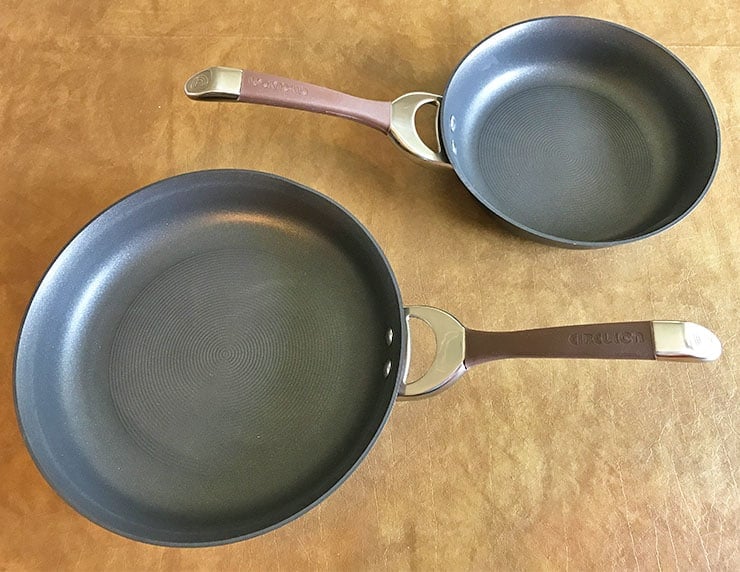
- Durable surface: Circulon uses a unique raised circle design to protect the coating and reduce scratching.
- Safe temperature range: The coating is safe up to around 500°F (260°C). Cooking above this can damage the coating and release fumes.
| Feature | Details |
|---|---|
| Material | PTFE (Teflon-based) |
| PFOA Presence | None (PFOA-free) |
| Heat Tolerance | Up to 500°F (260°C) |
| Design | Raised circles to reduce wear |
PTFE coatings are widely tested and considered safe by food safety authorities. Avoid overheating to keep the coating intact and free from toxic fumes. Using wooden or silicone utensils also helps protect the surface.
Base Materials Used
The base of Circulon cookware is just as important as the nonstick coating. Circulon uses hard-anodized aluminum or stainless steel in its pans. These materials provide even heat distribution and strong durability.
Here are the common base materials in Circulon cookware:
- Hard-Anodized Aluminum:
- Lightweight and strong
- Resists corrosion and scratches
- Heats quickly and evenly
- Stainless Steel:
- Very durable and non-reactive
- Does not leach chemicals into food
- Good for high-heat cooking
| Base Material | Properties | Benefits |
|---|---|---|
| Hard-Anodized Aluminum | Light, corrosion-resistant, even heat | Quick cooking, durable, easy to clean |
| Stainless Steel | Non-reactive, strong, heat resistant | Long-lasting, safe for all foods |
Both materials are safe and commonly used in cookware. Hard-anodized aluminum has a hard surface that protects food from direct contact with aluminum metal. Stainless steel is naturally non-toxic and does not affect food taste. Circulon combines these materials with its nonstick coating for effective and safe cooking.

Credit: circulon.com
Health And Safety Features
When choosing cookware, health and safety are top priorities. Circulon cookware is known for its durability and nonstick surface. But many wonder if it is truly non toxic. Understanding its health and safety features helps you decide if it fits your kitchen needs. This section explains the key safety aspects related to Circulon cookware.
Pfoa And Ptfe Status
Circulon cookware uses a nonstick coating that is designed to be safe for everyday cooking. The main concern with many nonstick pans is the presence of PFOA and PTFE chemicals.
- PFOA (Perfluorooctanoic acid) was commonly used in making nonstick coatings but is linked to health risks.
- PTFE (Polytetrafluoroethylene) is the main ingredient in Teflon and many nonstick surfaces.
Circulon has made efforts to remove PFOA from their products. Their newer lines are advertised as PFOA-free. This means they do not use this harmful chemical in the coating process.
PTFE is still present, but it is stable and safe when the pan is used at normal cooking temperatures (below 500°F or 260°C). Overheating PTFE-coated pans can release fumes that might cause flu-like symptoms in humans and are toxic to birds.
| Chemical | Presence in Circulon Cookware | Health Notes |
|---|---|---|
| PFOA | Not present (PFOA-free) | Safe, no harmful effects from PFOA |
| PTFE | Present | Safe under recommended cooking temperatures |
Tips for safe use:
- Cook below 500°F to avoid overheating.
- Do not preheat an empty pan for long periods.
- Use proper ventilation while cooking.
Heavy Metal Presence
Heavy metals like lead, cadmium, and nickel can be harmful if they leach from cookware. Circulon cookware is tested to ensure it does not release these metals into food.
The brand uses anodized aluminum or stainless steel bases. These materials are stable and do not leach heavy metals easily. The nonstick coating also acts as a barrier between the metal and food.
- Lead: Circulon does not use lead in any part of the cookware.
- Cadmium: Absent from coatings and base materials.
- Nickel: Present only in stainless steel models but unlikely to leach under normal use.
| Metal | Presence in Circulon Cookware | Leaching Risk |
|---|---|---|
| Lead | None | None |
| Cadmium | None | None |
| Nickel | Only in stainless steel parts | Low, safe for most users |
To reduce any metal exposure:
- Avoid scratching the nonstick surface.
- Replace cookware if the coating peels or wears off.
- Use cookware as intended and follow manufacturer care instructions.
Durability And Wear
Durability and wear are key factors when choosing cookware, especially non-toxic options like Circulon. This brand is known for its unique design and material quality that aims to last long without compromising safety. Understanding how Circulon handles scratches and wear helps assess its true value. The cookware’s ability to resist damage affects both its lifespan and its safety for cooking.
Scratch Resistance
Circulon cookware features a hard-anodized aluminum base combined with a special non-stick coating. This design provides a strong surface that resists scratches better than many other brands. The brand often uses a raised circle technology that helps protect the non-stick layer from direct contact with utensils.
- Raised circles reduce wear and friction from metal tools.
- Hard-anodized aluminum makes the base more durable and less prone to dents.
- The non-stick surface is reinforced for extra protection against scratches.
Despite this, no non-stick surface is completely scratch-proof. Careful use of wooden or silicone utensils is still recommended to keep the surface in good condition. The table below compares Circulon’s scratch resistance to other common cookware materials:
| Cookware Material | Scratch Resistance | Recommended Utensils |
|---|---|---|
| Circulon Non-Stick | High | Wood, Silicone |
| Traditional Non-Stick | Medium | Plastic, Wood |
| Stainless Steel | Very High | Metal, Wood |
| Cast Iron | High | Metal, Wood |
Using the right utensils and cleaning methods extends the cookware’s life and keeps it looking new.
Effect Of Scratches On Toxicity
Scratches on non-stick cookware can raise concerns about toxins. Circulon uses a PFOA-free coating, which means it does not contain harmful chemicals often linked to health risks. Still, deep scratches might expose the aluminum base underneath.
Here is how scratches affect toxicity:
- Minor surface scratches usually do not release toxins because the coating remains mostly intact.
- Deeper scratches may remove the non-stick layer, exposing metal that could react with acidic foods.
- Exposed aluminum in small amounts is generally safe but may cause slight changes in taste or color.
Circulon’s design aims to prevent deep scratches through its raised circle technology. This feature acts as a buffer between the metal base and cooking utensils, reducing the risk of coating damage.
To avoid any risk:
- Do not use sharp metal tools on the surface.
- Replace cookware if non-stick coating peels or chips significantly.
- Follow manufacturer cleaning instructions carefully.
Maintaining the cookware properly ensures it stays non-toxic and safe for daily use.
User Reviews On Safety
Many users share their thoughts on the safety of Circulon cookware. These reviews help others decide if the product is safe for daily cooking. People often focus on health risks or the lack of harmful chemicals in the pans. This section explores what users say about the safety of Circulon cookware.
Reported Health Concerns
Some users express worries about the materials used in Circulon cookware. A few mention concerns about chemicals like PFOA, which was once common in non-stick coatings. However, Circulon states that their current products are PFOA-free. Despite this, a small group of users report issues such as:
- Allergic reactions after cooking with the pans
- Coating flaking off after some months of use
- Metal leaching into food, especially with scratched surfaces
Here is a simple table showing user concerns:
| Concern | Frequency | Notes |
|---|---|---|
| Allergic Reactions | Low | Rare, may relate to individual sensitivity |
| Coating Flaking | Medium | Often due to misuse or over-heating |
| Metal Leaching | Low | More common with damaged pans |
Important: Most health concerns appear linked to improper use. Users who follow cleaning and cooking guidelines report fewer problems.
Positive Safety Experiences
Many users praise Circulon cookware for its safety and quality. They highlight that the pans do not release harmful chemicals during normal cooking. Several points from positive reviews include:
- The non-stick surface stays intact for months without peeling.
- Easy to clean without harsh scrubbing.
- No strange odors or tastes transferred to food.
- Safe to use with metal utensils in some models.
Users often mention that Circulon cookware feels solid and well-made. The brand uses a hard-anodized aluminum base, which is durable and resistant to corrosion. Many appreciate that the pans are free from PFOA and PTFE in recent versions, reducing health risks.
Here is a summary of positive safety features praised by users:
- Non-toxic materials: No harmful chemicals detected during cooking.
- Durability: Long-lasting coating and metal base.
- Easy maintenance: Simple cleaning reduces risk of damage.
- Good heat distribution: Prevents overheating and coating damage.
Comparison With Other Cookware
Circulon cookware is popular for its unique design and nonstick features. Many buyers want to know if it is safe and non toxic compared to other cookware brands. Comparing Circulon to similar products helps understand its safety and benefits better. This section looks at toxicity levels in other brands and explains how Circulon stands out from traditional nonstick options.
Toxicity Levels In Similar Brands
Many nonstick cookware brands use coatings that may release harmful chemicals if overheated. Common concerns include PTFE (polytetrafluoroethylene) and PFOA (perfluorooctanoic acid). These substances have been linked to health risks in some studies.
Circulon uses a hard-anodized aluminum base with a nonstick coating free of PFOA. This makes it safer than older nonstick pans that contained PFOA. Here is a comparison of toxicity concerns in popular cookware brands:
| Brand | PFOA Presence | PTFE Use | Other Chemicals | Heat Safety |
|---|---|---|---|---|
| Circulon | No | Yes (safe levels) | No | Up to 400°F |
| Tefal | No | Yes | Trace Chemicals | Up to 350°F |
| T-fal | No (since 2013) | Yes | None | Up to 400°F |
| Traditional PTFE Nonstick | Sometimes (older models) | Yes | Possible toxins | Varies |
Circulon’s nonstick coating uses a safer formulation that avoids PFOA. It performs well under normal cooking temperatures. This reduces toxic fume risks. Other brands also removed PFOA but may use different coatings.
- Circulon is free from heavy metals and toxic residues.
- Its coating resists peeling and chipping better than many brands.
- Safe for daily cooking without chemical concerns.
Choosing cookware with low toxicity helps protect health and the environment. Circulon scores high in this area compared to older nonstick pans.
Benefits Over Traditional Nonstick
Traditional nonstick pans can lose their coating quickly. Scratches and peeling reduce their lifespan. Circulon cookware has a unique design with raised circles on the cooking surface. This reduces abrasion and improves durability.
Benefits of Circulon over traditional nonstick include:
- Longer lasting nonstick surface due to hard-anodized aluminum and raised circles.
- Better heat distribution for even cooking without hot spots.
- Less oil needed because food does not stick easily.
- Oven safe up to 400°F, suitable for many recipes.
- Dishwasher safe which helps with easy cleaning.
Traditional nonstick pans often require gentle care to avoid damage. Circulon’s technology makes it more resistant to wear. It also avoids the need for chemical sprays or sprays that can add toxins.
Here is a quick comparison of features:
| Feature | Circulon | Traditional Nonstick |
|---|---|---|
| Nonstick Lifespan | 3-5 years | 1-2 years |
| Durability | High | Medium |
| Safe Temperatures | Up to 400°F | Up to 350°F |
| Cleaning | Dishwasher safe | Hand wash recommended |
Choosing Circulon means less worry about coating damage or toxic chemicals. It supports safer, healthier cooking every day.
Credit: prudentreviews.com
Best Practices For Safe Use
Circulon cookware is popular for its non-toxic, durable design. To keep it safe and lasting long, follow best practices for use. These practices help maintain the cookware’s non-toxic quality and cooking performance. Proper care prevents damage and harmful chemical release. Focus on cleaning methods and temperature control for safe cooking.
Proper Cleaning Methods
Cleaning Circulon cookware correctly protects its non-stick surface and keeps it safe for cooking. Use gentle cleaning tools like soft sponges or cloths. Avoid steel wool or abrasive scrubbers that can scratch the surface. Scratches may cause chemicals to leach and reduce non-stick quality.
Follow these steps for cleaning:
- Let the cookware cool before washing to avoid warping.
- Hand wash with warm water and mild dish soap.
- Use a soft sponge to remove food residue gently.
- For stuck-on food, soak the pan in warm soapy water for 15-20 minutes.
- Rinse thoroughly to remove soap traces.
- Dry with a soft towel or air dry completely before storing.
Avoid dishwasher use unless the manufacturer states it is dishwasher safe. Harsh dishwasher detergents and high heat can degrade the non-stick coating and reduce cookware lifespan.
| Do | Don’t |
|---|---|
| Use mild soap | Use abrasive cleaners |
| Clean with soft sponge | Scrub with steel wool |
| Hand wash when possible | Place hot cookware directly in cold water |
Regular, gentle cleaning extends the cookware’s life and keeps it non-toxic. Proper cleaning preserves the special non-stick surface and prevents damage that could release harmful substances.
Temperature Guidelines
Using Circulon cookware within safe temperature limits keeps it non-toxic and working well. High heat can break down the non-stick coating and release fumes. Use medium to low heat for most cooking tasks.
Guidelines to follow:
- Preheat pans on low or medium heat only.
- Avoid heating empty pans for a long time.
- Do not exceed 450°F (232°C) to protect the coating.
- Use silicone, wooden, or plastic utensils to avoid scratching.
- Turn off heat as soon as cooking ends to prevent overheating.
| Heat Level | Safe Uses | Risks |
|---|---|---|
| Low to Medium | Sautéing, simmering, frying | Safe, maintains coating |
| High | Boiling water, searing (briefly) | May damage coating if prolonged |
| Very High (Above 450°F) | Not recommended | Coating breakdown, toxic fumes |
Always monitor heat during cooking. Use cookware with heat-resistant handles to avoid burns. Proper temperature control ensures safe, toxin-free meals and extends cookware life.

Credit: www.amazon.com
Frequently Asked Questions
Is Circulon Cookware Free From Harmful Chemicals?
Yes, Circulon cookware is free from harmful chemicals like PFOA and PTFE. It uses a non-stick coating that is safe and durable. This makes it a healthier choice for everyday cooking without toxic risks.
Does Circulon Cookware Release Toxic Fumes When Heated?
No, Circulon cookware does not release toxic fumes. Its non-stick surface is designed to remain stable at normal cooking temperatures. Always avoid overheating to maintain safety and non-toxicity.
Are Circulon Pans Safe For Non-toxic Cooking?
Circulon pans are safe for non-toxic cooking. They use a patented non-stick system without harmful chemicals. This ensures food does not absorb toxins during cooking, promoting healthier meals.
How Does Circulon Ensure Its Cookware Is Non-toxic?
Circulon uses safe, PFOA-free coatings and rigorous quality checks. Their cookware meets strict safety standards to prevent toxic exposure. This commitment guarantees non-toxic and eco-friendly kitchen products.
Conclusion
Circulon cookware offers a safe cooking experience with non-toxic materials. Its nonstick surface reduces the need for extra oils or fats. The cookware resists peeling and scratching, keeping harmful chemicals away from food. Cleaning is easy, which helps maintain its safety over time.
Many users trust Circulon for everyday cooking without health worries. Choose cookware that supports healthy meals and peace of mind. Circulon fits well for those who want safe and reliable kitchen tools. Simple, safe, and designed to protect your food and family.

Hello, This is Annie Walker, a 38-year-old blogger, founder, and editor of Cookware Guider from NY, USA. I am a cookware fanatic and passionate cooker. I love to cook with different types of cooking appliances (example: all types of cookware, rice cookers, slow cookers, etc) almost every day in my kitchen. I love to share my experience with my readers in my blog. Also, I enjoy helping people to solve their problems through my website. You can follow me on Twitter & Pinterest. To know details about my blog please check the about us page.