
When it comes to cooking, your cookware plays a bigger role than you might think. Using the right pots and pans can protect your health and make your meals taste better.
But how do you know what makes cookware safe? You want to avoid harmful chemicals, ensure even cooking, and have something that lasts. You’ll discover exactly what safe cookware means and how to choose the best options for your kitchen.
Keep reading to protect yourself and cook with confidence every time.
Types Of Cookware Materials
Choosing safe cookware means knowing the different materials used to make pots and pans. Each material affects cooking performance, safety, and how easy the cookware is to clean. Understanding types of cookware materials helps pick the best option for health and cooking needs. Below, explore common cookware materials, their benefits, and what makes them safe or not.
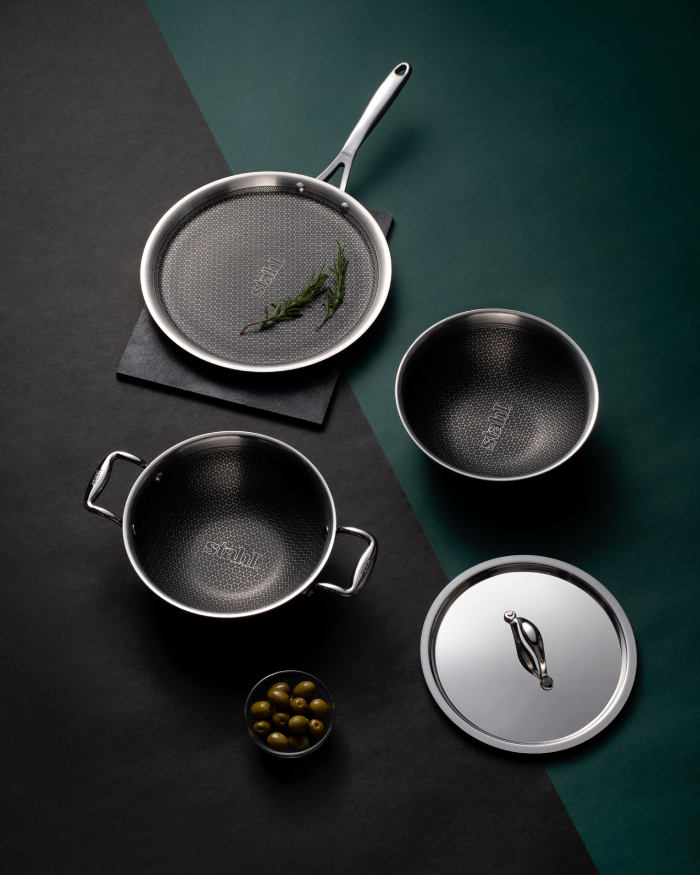
Stainless Steel
Stainless steel is a popular cookware choice. It is made from a mix of steel and chromium, which makes it strong and resistant to rust. This material does not react with acidic or alkaline foods, so it keeps food safe and pure.
Key benefits of stainless steel cookware:
- Durable and long-lasting
- Does not release harmful chemicals
- Easy to clean and dishwasher safe
- Resists scratches and dents
One downside is that stainless steel does not conduct heat well. Many pans have a layer of aluminum or copper inside the base to solve this.
| Feature | Details |
|---|---|
| Heat conduction | Moderate, improved with aluminum/copper core |
| Reactivity | Non-reactive |
| Maintenance | Low, dishwasher safe |
| Safety | Safe for all types of cooking |
Cast Iron
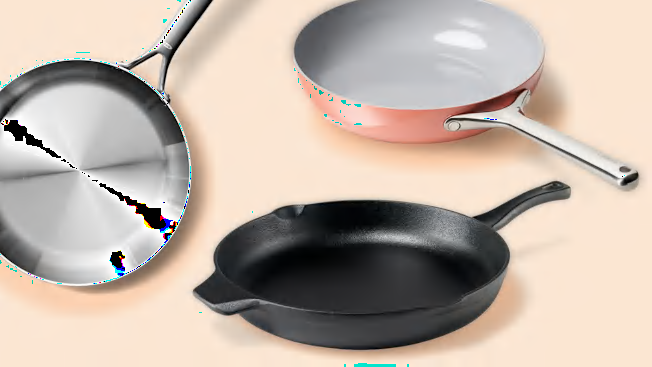
Cast iron cookware is known for excellent heat retention and even heating. It can last for generations if cared for properly. Cast iron pans often need seasoning, which creates a natural nonstick surface and prevents rust.
Benefits of cast iron:
- Very durable and heat evenly
- Can add small amounts of iron to food, which some find beneficial
- Develops a natural nonstick layer over time
Drawbacks include heavy weight and risk of rust without proper care. Avoid cooking acidic foods frequently, as they can damage the seasoning.
| Feature | Details |
|---|---|
| Heat retention | Excellent |
| Reactivity | Reacts with acidic foods |
| Maintenance | Requires seasoning and drying |
| Safety | Safe if well maintained |
Ceramic
Ceramic cookware features a non-metallic surface made from natural materials. It offers a smooth, nonstick cooking experience without synthetic chemicals. Ceramic coatings are often free from PTFE and PFOA.
Advantages of ceramic cookware include:
- Non-toxic and free of harmful chemicals
- Nonstick surface easy to clean
- Can handle high heat without releasing fumes
However, ceramic coatings can wear down over time and chip easily. Use gentle utensils and avoid sudden temperature changes.
| Feature | Details |
|---|---|
| Coating type | Natural ceramic, PTFE/PFOA-free |
| Durability | Moderate, prone to chipping |
| Heat resistance | High |
| Safety | Generally safe, avoid damage |
Nonstick Coatings
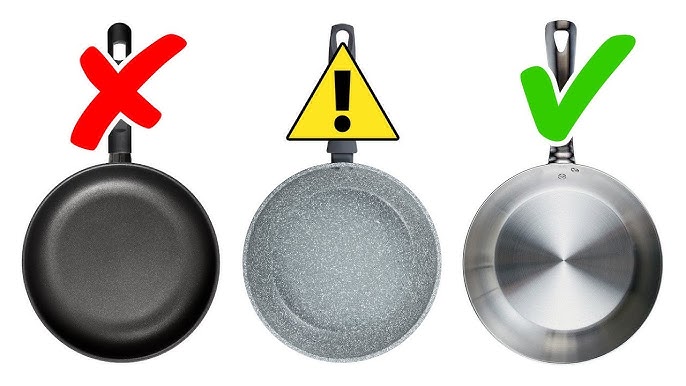
Nonstick cookware has a smooth surface that stops food from sticking. Most use PTFE (Teflon) or similar chemicals. Modern nonstick pans are safer than older versions but need careful use.
Pros of nonstick cookware:
- Easy food release, simple cleaning
- Requires less oil for cooking
- Lightweight and good heat distribution
Cons include:
- Can release harmful fumes if overheated above 500°F (260°C)
- Coatings wear off over time
- Use only wooden or silicone utensils to avoid scratches
Look for PFOA-free labels to ensure safer use.
Copper
Copper cookware heats quickly and evenly. It is a favorite among chefs for precise temperature control. Pure copper can react with acidic foods, so most copper pans have a lining.
Benefits of copper pans:
- Excellent heat conductivity
- Responsive to temperature changes
- Beautiful appearance
Common linings include stainless steel or tin. Copper requires polishing to keep its shine and can be expensive. Avoid cooking acidic foods in unlined copper cookware to prevent metal leaching.
| Feature | Details |
|---|---|
| Heat conduction | Best among cookware materials |
| Reactivity | Reacts if unlined |
| Maintenance | Requires polishing and lining care |
| Safety | Safe when lined properly |
Aluminum
Aluminum cookware is lightweight and heats quickly. It is affordable and common in many kitchens. Raw aluminum can react with acidic foods and may leach into food.
To improve safety and durability, aluminum cookware is often:
- Anodized (hard surface layer to prevent leaching)
- Coated with nonstick or ceramic layers
Advantages of anodized aluminum include:
- Scratch resistant and durable
- Non-reactive surface
- Good heat conduction
Regular aluminum is less safe for cooking acidic dishes. Choose anodized aluminum or coated versions for safer cooking.
Credit: stahlkitchens.com
Health Risks In Cookware
Choosing safe cookware is essential for protecting health during cooking. Many pots and pans contain materials that can release harmful substances into food. These risks increase with certain chemicals, metals, and damaged surfaces. Understanding health risks in cookware helps select safer options and avoid problems like poisoning or illness. Safe cookware means less exposure to toxins and better food quality.
Toxic Chemicals To Avoid
Certain chemicals used in cookware coatings can harm health. These chemicals may enter food, especially when heated. Perfluorooctanoic acid (PFOA) and polytetrafluoroethylene (PTFE) are two common toxic substances found in non-stick cookware. PFOA is linked to cancer and hormone disruption. PTFE can release fumes at high temperatures, causing flu-like symptoms.
Other harmful chemicals include:
- Lead: Found in some ceramic glazes, it can cause brain and kidney damage.
- Cadmium: Used in some colored cookware, it is toxic to kidneys and bones.
- Phthalates: Found in some plastic handles or coatings, they disrupt hormones.
Table: Common toxic chemicals in cookware and their effects
| Chemical | Use in Cookware | Health Effects |
|---|---|---|
| PFOA | Non-stick coatings | Cancer, hormone disruption |
| Lead | Ceramic glaze | Brain damage, kidney problems |
| Cadmium | Colored coatings | Kidney and bone damage |
| Phthalates | Plastic parts | Hormone disruption |
Avoid cookware labeled as containing these chemicals. Look for PFOA-free and lead-free labels. Using stainless steel, cast iron, or glass reduces risks.
Metal Leaching Concerns
Metal cookware can release tiny amounts of metals into food. This process is called metal leaching. It happens more with acidic or salty foods. Metals like aluminum, copper, and nickel can leach out. Some metals may cause health problems if consumed in large amounts.
Common metals and related concerns:
- Aluminum: Linked to brain disorders and bone diseases.
- Copper: Excess copper can cause nausea and liver damage.
- Nickel: Can cause allergic reactions and stomach issues.
| Cookware Type | Metal | Leaching Risk Level | Health Concerns |
|---|---|---|---|
| Aluminum | Aluminum | High with acidic foods | Brain, bone issues |
| Copper | Copper | Moderate | Nausea, liver damage |
| Stainless Steel | Nickel, Chromium | Low to moderate | Allergies, stomach upset |
| Cast Iron | Iron | Low | Generally safe in small amounts |
Use cookware with stable surfaces and avoid cooking highly acidic foods in reactive metals. Regularly check cookware for signs of wear.
Impact Of Scratched Surfaces
Scratches in cookware surfaces create health risks. Scratched non-stick pans may release toxic particles. Damaged ceramic or enamel coatings can expose underlying metals. This increases metal leaching and chemical exposure.
Problems caused by scratched surfaces:
- Higher chemical release: Coating chemicals may enter food easily.
- Increased metal exposure: Base metals can leach into food.
- Food contamination: Food can stick and burn more, affecting safety.
- Shorter cookware life: Damaged cookware breaks down faster.
Keep cookware in good condition by:
- Using soft cleaning tools, not metal scrubbers.
- Avoiding sharp utensils on non-stick surfaces.
- Replacing cookware when coatings peel or scratch deeply.
Safe cooking requires clean, intact cookware surfaces to reduce health risks. Regular inspection and proper care protect both cookware and health.
Criteria For Safe Cookware
Choosing cookware that is safe for daily use involves understanding key qualities that affect health, cooking results, and convenience. Criteria for safe cookware help identify materials and designs that protect food from harmful chemicals, provide even cooking, and last through years of use. This section covers four main factors: durability, heat distribution, ease of cleaning, and non-toxic composition. Each one plays a vital role in selecting cookware that is both safe and effective in the kitchen.
Durability And Longevity
Durability means how well cookware holds up over time without damage. Safe cookware should resist warping, scratching, and corrosion. Strong materials like stainless steel, cast iron, and hard-anodized aluminum usually last many years. Avoid cookware that peels or chips easily. These flaws can release unsafe substances into food.
Key features of durable cookware:
- Resistance to wear: Does not degrade with daily use.
- Maintains shape: No warping or bending under heat.
- Scratch resistant: Surface stays smooth and safe.
- Corrosion resistant: No rust or chemical breakdown.
Durability often affects price, but investing in cookware that lasts prevents frequent replacements and exposure to unsafe materials from damaged pots or pans.
| Material | Durability | Common Issues |
|---|---|---|
| Stainless Steel | High | Scratches, but not harmful |
| Cast Iron | Very High | Rust if not maintained |
| Non-Stick (Teflon) | Moderate | Coating can peel |
Heat Distribution
Even heat distribution helps cook food thoroughly and prevents hot spots that burn food. Cookware with poor heat distribution wastes energy and can cause uneven cooking. Safe cookware spreads heat evenly across the surface.
Important points about heat distribution:
- Material matters: Copper and aluminum conduct heat well.
- Layered construction: Some cookware uses multiple layers for better heat spread.
- Prevents burning: Avoids hot spots that damage food and cookware.
- Energy efficient: Requires less heat for cooking.
Many cookware brands use a layered base combining stainless steel with aluminum or copper. This design balances durability with excellent heat flow.
| Material | Heat Conductivity | Notes |
|---|---|---|
| Copper | Excellent | Expensive and requires polishing |
| Aluminum | Very Good | Lightweight, may react with acidic food |
| Stainless Steel | Poor alone | Often combined with other metals |
Ease Of Cleaning
Cookware that is easy to clean saves time and prevents bacteria buildup. Safe cookware should not have surfaces that trap food or degrade with scrubbing. Smooth, non-porous surfaces are ideal.
Consider these cleaning factors:
- Non-stick coating: Makes cleaning simple but check for durability.
- Dishwasher safe: Some cookware can handle dishwasher use without damage.
- Stain resistance: Prevents discoloration from foods.
- Handles and lids: Should be easy to clean and not trap grime.
Proper cleaning extends cookware life and keeps it safe for use. Avoid harsh chemicals or metal scrubbers that damage surfaces.
| Cookware Type | Cleaning Ease | Recommended Cleaning Method |
|---|---|---|
| Non-stick | Very Easy | Soft sponge, warm water |
| Cast Iron | Moderate | Hand wash, dry immediately |
| Stainless Steel | Easy | Dishwasher or hand wash |
Non-toxic Composition
Safe cookware must not release harmful chemicals into food. Non-toxic materials do not leach metals, chemicals, or coatings during cooking. This protects health and food quality.
Key points about non-toxic cookware:
- Free from PFOA and PTFE: Avoid certain non-stick chemicals linked to health risks.
- Lead and cadmium free: Important for ceramic and enamel cookware.
- Natural materials: Cast iron and stainless steel are safe choices.
- Certified products: Look for safety certifications and tests.
Many modern cookware brands focus on non-toxic coatings and materials. Always check labels and product details to confirm safety.
| Material | Non-Toxic Status | Safety Notes |
|---|---|---|
| Cast Iron | Non-toxic | Seasoning required to protect surface |
| Stainless Steel | Non-toxic | Does not react with food |
| Non-stick (Old Teflon) | May release toxins when overheated | Avoid above 500°F |
Credit: www.consumerreports.org
Eco-friendly Cookware Options
Choosing safe cookware means thinking about health and the environment. Eco-friendly cookware options protect your family and the planet. These products reduce waste and pollution while cooking. They come from materials that are safe to use and easy to recycle or break down naturally. This helps lower the impact on nature and keeps kitchens healthy. Let’s explore how recyclable materials, sustainable manufacturing, and biodegradable alternatives make cookware eco-friendly.
Recyclable Materials
Eco-friendly cookware often uses recyclable materials. These materials can be processed and reused to create new products. Using recyclable cookware reduces waste and saves energy. Common recyclable materials in cookware include:
- Stainless steel
- Cast iron
- Aluminum (recycled)
- Glass
These materials last long and do not release harmful chemicals when heated. Stainless steel and cast iron are durable and can be recycled almost endlessly. Aluminum cookware made from recycled aluminum uses less energy than new aluminum.
| Material | Recyclability | Benefits |
|---|---|---|
| Stainless Steel | Highly recyclable | Durable, rust-resistant, non-toxic |
| Cast Iron | Recyclable and reusable | Long-lasting, retains heat well |
| Recycled Aluminum | Recyclable multiple times | Lightweight, energy-efficient production |
| Glass | Recyclable and non-toxic | Does not leach chemicals, easy to clean |
Choosing cookware made from recyclable materials helps reduce landfill waste. It also lowers the demand for new raw materials, saving natural resources.
Sustainable Manufacturing
Sustainable manufacturing means making cookware with less harm to the environment. Factories use less water, energy, and harmful chemicals during production. They also focus on reducing waste and pollution. Many companies now follow these practices to create eco-friendly cookware.
Key aspects of sustainable manufacturing include:
- Using renewable energy sources like solar or wind power
- Minimizing water usage and recycling water in processes
- Reducing chemical use and avoiding toxic coatings
- Implementing waste reduction and recycling programs
These steps lower carbon footprints and pollution. Sustainable factories often use local materials to reduce transportation emissions. They also design cookware to last longer, reducing the need to replace it frequently.
| Practice | Environmental Benefit |
|---|---|
| Renewable Energy Use | Reduces greenhouse gas emissions |
| Water Recycling | Conserves water resources |
| Non-toxic Materials | Protects soil and water from pollution |
| Waste Reduction | Prevents landfill overflow |
Choosing cookware from companies with sustainable manufacturing supports cleaner production methods. It promotes a healthier planet and safer kitchen tools.
Biodegradable Alternatives
Biodegradable cookware breaks down naturally after use. These options reduce plastic and metal waste in landfills. Biodegradable materials come from plants or other natural sources.
Examples of biodegradable materials used in cookware include:
- Bamboo
- Coconut shells
- Wood (untreated and food-safe)
- Natural fiber composites
These materials decompose within months or years without harming the environment. They usually avoid chemicals or plastics that take centuries to break down. Biodegradable cookware often feels lightweight and offers a unique look and texture.
Benefits of biodegradable cookware:
- Reduces landfill waste
- Made from renewable resources
- Non-toxic and safe for food contact
- Supports sustainable farming and harvesting
Biodegradable cookware is ideal for utensils, cutting boards, and serving dishes. It may not last as long as metal cookware but offers a green alternative for everyday kitchen items.
Maintenance Tips For Safety
Maintaining cookware safely ensures it lasts longer and stays healthy for your family. Proper care prevents harmful chemicals from leaching into food and keeps surfaces intact. Following simple maintenance tips helps preserve cookware quality and food safety. This section explains key steps to clean, protect, and season your cookware correctly.
Proper Cleaning Techniques
Cleaning cookware the right way removes food residues and bacteria without damaging the surface. Avoid harsh scrubbing or strong chemicals that can wear down protective coatings or metal layers.
- Use mild dish soap and warm water for regular cleaning.
- Soft sponges or cloths prevent scratches on non-stick or ceramic surfaces.
- For stuck-on food, soak cookware in warm soapy water for 15-30 minutes.
- Avoid metal scouring pads or abrasive cleaners that can damage cookware.
Here is a simple cleaning guide:
| Cookware Type | Cleaning Method | What to Avoid |
|---|---|---|
| Non-stick | Hand wash with soft sponge and mild soap | Metal utensils, abrasive pads |
| Cast Iron | Rinse with hot water, scrub with brush, dry immediately | Dishwasher, soap (too often) |
| Stainless Steel | Dish soap and sponge, polish with baking soda if needed | Chlorine bleach, steel wool |
Dry cookware thoroughly before storing. Moisture can cause rust or bacteria growth. Proper cleaning keeps cookware safe and ready for healthy cooking.
Avoiding Damage
Damage weakens cookware safety and reduces lifespan. Avoid impacts, overheating, and misuse to protect your pots and pans.
Do not drop or hit cookware against hard surfaces. Chips and dents create areas where food sticks and bacteria can grow.
Prevent overheating by following manufacturer heat limits. High heat can warp metal or degrade non-stick coatings. Use medium or low heat for most cooking tasks.
- Do not use metal utensils on non-stick surfaces.
- Avoid sudden temperature changes, like placing hot cookware in cold water.
- Store cookware carefully to prevent scratches or dents.
Here is a quick checklist to avoid damage:
- Handle cookware gently and store in a safe place.
- Use wooden, silicone, or plastic utensils on coated pans.
- Follow cooking temperature guidelines from the manufacturer.
- Allow cookware to cool before washing.
Keeping cookware free from damage protects its surface and keeps cooking safe.
Seasoning And Care
Some cookware, like cast iron and carbon steel, require seasoning to build a natural non-stick layer. Seasoning also protects against rust.
Seasoning means coating the surface with oil and heating it to create a thin, hard layer. This process improves cooking and safety.
Basic seasoning steps:
- Clean cookware well and dry completely.
- Apply a thin layer of vegetable oil or flaxseed oil all over the surface.
- Heat the cookware in an oven or on the stove at medium heat for 1 hour.
- Let it cool naturally before wiping off excess oil.
- Repeat the process 2-3 times for best results.
Regular seasoning restores the surface after cleaning or heavy use. Avoid using soap on seasoned cookware often, as it removes the oil layer. Instead, rinse with hot water and dry immediately.
Proper seasoning keeps cookware safe, non-stick, and rust-free for years.
Credit: www.youtube.com
Safe Cookware For Special Diets
Choosing safe cookware is essential for everyone, especially those with special diets. Safe cookware protects your health and keeps your meals free from unwanted chemicals and allergens. People with allergies, food sensitivities, or specific dietary needs must use cookware that supports their health goals. The right cookware helps prevent contamination and ensures food stays pure and healthy.
Allergen-free Materials
Cookware made from allergen-free materials avoids common triggers like nickel, gluten, or latex. These materials reduce the risk of allergic reactions during cooking. Many people face allergies to metals or coatings found in some pots and pans. Choosing cookware with safe, neutral materials helps keep food safe.
Common allergen-free cookware materials include:
- Stainless steel: Look for high-quality, 18/10 stainless steel that is nickel-free or low in nickel.
- Ceramic: Pure ceramic cookware does not contain metals or chemicals that cause allergies.
- Glass: Non-porous and inert, glass cookware is safe for sensitive individuals.
- Cast iron: Though heavy, it is free from synthetic coatings and safe for most allergies.
Some coatings and non-stick pans can contain allergens or toxic chemicals. Avoid cookware with:
- PFOA or PTFE coatings (common in traditional non-stick pans)
- Nickel alloys that may trigger skin or food allergies
- Latex or rubber parts used in handles or seals
Table: Safe vs. Unsafe Materials for Allergies
| Material | Safe for Allergies | Notes |
|---|---|---|
| Stainless Steel (18/10) | Yes | Check for low nickel content |
| Ceramic | Yes | Pure ceramic recommended |
| Glass | Yes | Non-porous, inert |
| Aluminum (uncoated) | No | May react with acidic foods |
| Non-stick (PFOA/PTFE) | No | Contains chemicals causing allergies |
Nonreactive Surfaces
Nonreactive cookware does not change the taste or color of food. It avoids chemical reactions with acidic or alkaline ingredients. This is important for special diets that avoid food contamination. Acidic foods like tomatoes, vinegar, and citrus can react with some metals. This changes the food’s flavor and may release harmful substances.
Examples of nonreactive cookware:
- Glass cookware
- Enamel-coated cast iron
- Stainless steel
- Ceramic
Reactive cookware materials include aluminum, copper, and uncoated cast iron. These metals may:
- React with acids
- Cause metallic taste
- Change food color
- Release unwanted chemicals
Benefits of nonreactive cookware:
- Preserves original taste and color of food
- Prevents chemical leaching
- Safe for sensitive or special diets
- Easy to clean and maintain
Choosing nonreactive cookware ensures food stays pure and healthy. It suits recipes requiring acidic ingredients or long cooking times.
Compatibility With Induction Cooktops
Induction cooktops use magnetic fields to heat cookware directly. Cookware must have a magnetic base to work on induction surfaces. Special diets often require precise cooking methods. Induction-compatible cookware allows better temperature control and energy efficiency.
Features of induction-compatible cookware:
- Made of magnetic materials like cast iron or stainless steel
- Flat and smooth bottom for full contact with cooktop
- Durable and stable on the induction surface
Non-magnetic materials such as aluminum, copper, and glass do not work on induction without special magnetic layers.
How to check induction compatibility:
- Look for induction symbol on the cookware
- Use a magnet to test the bottom; it should stick firmly
- Choose cookware designed for induction cooktops
| Material | Induction Compatible | Notes |
|---|---|---|
| Cast Iron | Yes | Excellent heat retention |
| Stainless Steel (magnetic grade) | Yes | Check for magnetic base |
| Aluminum (without magnetic layer) | No | Needs induction base to work |
| Ceramic | No | Usually not magnetic |
| Glass | No | Not magnetic |
Induction-compatible cookware offers fast heating and better control. It suits special diets that need precise cooking temperatures and safe materials.
Frequently Asked Questions
What Materials Are Safest For Cookware?
Safe cookware materials include stainless steel, cast iron, and ceramic. They resist chemicals and don’t leach harmful substances during cooking. Avoid non-stick pans with damaged coatings to reduce toxic exposure. Choosing these materials ensures healthier cooking and better food safety.
How To Identify Non-toxic Cookware?
Look for cookware labeled PFOA and PTFE-free. Check for FDA-approved materials like stainless steel or ceramic. Avoid scratched or damaged non-stick surfaces. Non-toxic cookware doesn’t release harmful fumes or chemicals during use, ensuring safe meals.
Is Ceramic Cookware Safer Than Non-stick?
Yes, ceramic cookware is generally safer. It uses a natural, non-toxic coating that withstands high heat. Non-stick pans may release harmful chemicals if overheated or scratched. Ceramic cookware offers a safer alternative without compromising cooking performance.
Can Cast Iron Cookware Be Toxic?
No, cast iron cookware is safe and durable. It can release small iron amounts, which are beneficial for health. Proper seasoning prevents rust and food sticking. It’s a natural, chemical-free option for safe cooking.
Conclusion
Safe cookware protects your health and improves cooking results. Choose materials like stainless steel, cast iron, or ceramic for safety. Avoid cookware with harmful chemicals or coatings that can peel. Clean and care for your pots and pans properly. Small steps make a big difference in your kitchen.
Cook with confidence, knowing your cookware supports healthy meals. Stay informed and pick items that suit your needs. Safe cookware helps you enjoy food without worry. Simple choices lead to better, safer cooking every day.

Hello, This is Annie Walker, a 38-year-old blogger, founder, and editor of Cookware Guider from NY, USA. I am a cookware fanatic and passionate cooker. I love to cook with different types of cooking appliances (example: all types of cookware, rice cookers, slow cookers, etc) almost every day in my kitchen. I love to share my experience with my readers in my blog. Also, I enjoy helping people to solve their problems through my website. You can follow me on Twitter & Pinterest. To know details about my blog please check the about us page.