
Have you ever wondered what makes enamel cookware stand out in the kitchen? If you’re looking to upgrade your pots and pans, understanding enamel cookware could change the way you cook.
It’s not just about looks—this type of cookware offers unique benefits that can make your meals tastier and cleanup easier. Keep reading to discover what enamel cookware really is, why it might be the perfect fit for your kitchen, and how it can improve your cooking experience.
Enamel Cookware Basics
Enamel cookware is popular for its bright colors and durable surface. It combines metal with a smooth glass coating. This type of cookware is easy to clean and resists rust and stains. Understanding enamel cookware basics helps in choosing the right pots and pans for your kitchen.
Material Composition
Enamel cookware is made by fusing a layer of glass-like coating onto a metal base. The metal core provides strength and heat conduction, while the enamel layer offers protection and a smooth surface.
The most common metals used in enamel cookware include:
- Cast Iron: Heavy, retains heat well, ideal for slow cooking.
- Steel: Lighter than cast iron, heats quickly and evenly.
- Aluminum: Lightweight and good heat conductor, but less common.
The enamel layer is made of powdered glass that melts and bonds to the metal at high temperatures. This creates a strong, non-porous surface that:
- Prevents rust and corrosion
- Resists scratches and chips
- Does not react with acidic foods
- Offers a smooth, shiny finish
| Metal Core | Weight | Heat Retention | Durability |
|---|---|---|---|
| Cast Iron | Heavy | Excellent | Very High |
| Steel | Medium | Good | High |
| Aluminum | Light | Good | Moderate |
How Enamel Is Made
The process of making enamel cookware starts with preparing the metal base. The metal is cleaned and shaped into the desired pot or pan form. After shaping, the metal goes through several steps to apply the enamel coating.
Steps in enamel production include:
- Cleaning: Removing dirt, oils, and rust to ensure good adhesion.
- Applying Base Coat: A layer of powdered glass is sprayed or dipped onto the metal.
- Firing: The cookware is heated in a kiln at very high temperatures (around 1400°F or 760°C). This melts the powder, fusing it to the metal.
- Cooling: The cookware cools down slowly to avoid cracks.
- Applying Top Coats: Additional layers of enamel are added and fired again for extra durability and color.
The firing process creates a strong bond between the enamel and metal. This bond gives enamel cookware its unique properties:
- Heat resistance
- Durability against chipping
- Non-reactive surface
- Bright, colorful finish
Because enamel is glass, it can chip if dropped or hit hard. Proper care extends the cookware’s life. Enamel cookware combines the benefits of metal strength with a smooth, easy-to-clean surface.
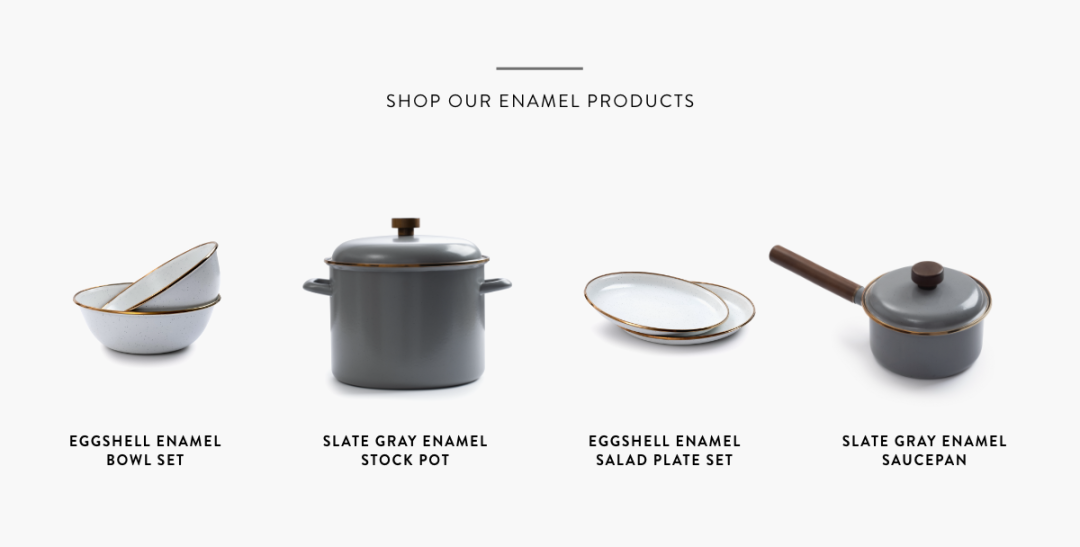
Credit: barebonesliving.com
Types Of Enamel Cookware
Enamel cookware is popular for its colorful look and easy cleaning. It has a metal base coated with a smooth, glass-like layer called enamel. This layer stops rust and stops food from sticking. Enamel cookware comes in different types. Each type has its own features, uses, and care needs. Knowing these types helps choose the right cookware for your kitchen.
Enameled Cast Iron
Enameled cast iron is heavy and strong. It combines cast iron’s heat-holding power with enamel’s easy cleaning. The enamel coating stops rust and means you don’t need to season the pan like regular cast iron.
This type of cookware:
- Heats evenly and keeps heat for a long time.
- Works great for slow cooking, frying, and baking.
- Is safe for use on all stove types, including induction.
- Comes in many colors and styles.
However, it can be heavy and may chip if dropped. Avoid using metal tools to keep the enamel smooth.
| Feature | Benefit |
|---|---|
| Weight | Heavy and sturdy, holds heat well |
| Care | Hand wash recommended, no seasoning needed |
| Use | Ideal for braising, roasting, and frying |
| Durability | Long-lasting with proper care but enamel can chip |
Enameled Steel
Enameled steel cookware has a lighter metal base coated with enamel. It is less heavy than cast iron but still offers good durability. This type is budget-friendly and often used for everyday pots and pans.
Key points about enameled steel:
- Heats quickly but does not keep heat as long as cast iron.
- Is lighter, easier to handle and store.
- Available in many shapes and bright colors.
- Can chip or crack if dropped or used roughly.
It works well for boiling, steaming, and light frying. Avoid high heat to protect the enamel coating.
| Aspect | Details |
|---|---|
| Weight | Lightweight and easy to handle |
| Heat retention | Moderate, heats quickly but cools fast |
| Care | Hand wash preferred, avoid harsh scrubbing |
| Best uses | Boiling, simmering, and light frying |
Porcelain Enamel
Porcelain enamel cookware uses a glassy enamel layer fused to metal, often steel or cast iron. It has a very smooth and shiny surface that is non-porous and resists stains.
Features of porcelain enamel include:
- Non-reactive surface, so it does not change food taste.
- Very easy to clean with soap and water.
- Often used for baking dishes and decorative cookware.
- May crack or chip if dropped.
This type works well in ovens and microwaves. Porcelain enamel can handle medium heat but avoid sudden temperature changes.
| Characteristic | Benefit |
|---|---|
| Surface | Smooth, non-porous, stain-resistant |
| Care | Simple cleaning, avoid abrasive pads |
| Use | Baking, serving, and light cooking |
| Durability | Fragile enamel may chip or crack |
Benefits Of Enamel Cookware
Enamel cookware offers a unique blend of style and function, making it a popular choice in many kitchens. This type of cookware features a metal core, usually cast iron or steel, coated with a smooth layer of enamel. The enamel coating provides several benefits that improve cooking and maintenance. Understanding these benefits helps you decide if enamel cookware suits your needs.
Durability And Longevity
Enamel cookware is known for its strong and lasting build. The metal core provides a solid base that holds up well to heat and pressure. The enamel coating protects the metal from rust and scratches, which extends the life of the cookware.
Key points about durability:
- The enamel layer resists chips and cracks when handled carefully.
- It does not wear down easily, even with regular use.
- The metal core prevents warping under high heat.
Here is a comparison table to illustrate enamel cookware’s durability against other types:
| Cookware Type | Resistance to Scratches | Heat Durability | Rust Resistance |
|---|---|---|---|
| Enamel Cookware | High | Excellent | Excellent |
| Cast Iron (Uncoated) | Medium | Excellent | Low |
| Stainless Steel | High | Good | Good |
With proper care, enamel cookware can last for many years, making it a smart investment.
Non-reactive Surface
The enamel coating creates a non-reactive cooking surface. This means it does not react with acidic or alkaline foods, keeping flavors pure and safe.
Benefits of a non-reactive surface:
- Prevents metallic taste in food.
- Allows cooking of acidic dishes like tomato sauce or lemon-based recipes without damage.
- Reduces the risk of food discoloration or chemical reactions.
This property is especially useful for recipes that require long cooking times or marinating. Foods keep their natural taste and color. Enamel’s non-reactive nature also means it does not release harmful substances during cooking.
Many cooks prefer enamel cookware for delicate dishes because it maintains the food’s original flavor better than some metal pans.
Ease Of Cleaning
Cleaning enamel cookware is simple and fast. The smooth enamel surface stops food from sticking tightly. This makes washing easier than many other cookware types.
Tips for easy cleaning:
- Let the cookware cool before washing to avoid thermal shock.
- Use warm water and mild dish soap.
- For stuck-on food, soak the pan briefly in soapy water.
- A soft sponge or cloth works best; avoid abrasive scrubbers.
The enamel layer also resists stains, which helps keep the cookware looking new. Unlike raw cast iron, enamel does not need seasoning or special maintenance routines.
Here is a quick cleaning comparison:
| Cookware Type | Cleaning Difficulty | Special Care Needed |
|---|---|---|
| Enamel Cookware | Easy | No seasoning; avoid harsh scrubbing |
| Cast Iron (Uncoated) | Medium | Regular seasoning required |
| Non-stick Pans | Easy | Use non-abrasive tools only |
Overall, enamel cookware saves time and effort during cleaning, making it a practical choice for busy kitchens.
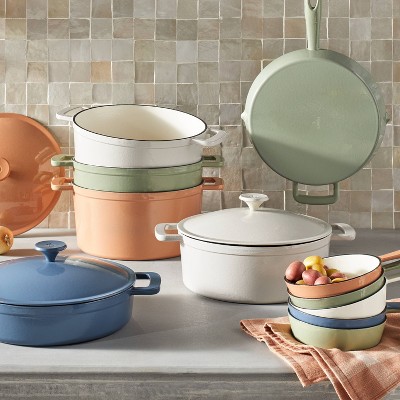
Credit: www.target.com
Drawbacks To Consider
Enamel cookware offers a beautiful finish and easy cleaning, but it has some drawbacks to consider before buying. Understanding these limitations helps you choose the right cookware for your kitchen needs. Below are key points about enamel cookware’s common issues.
Chipping And Cracking
One major drawback of enamel cookware is its tendency to chip or crack. The enamel coating is made of glass fused to metal at high heat. This makes it hard and smooth but also brittle.
Common causes of chipping and cracking include:
- Dropping or banging the cookware on hard surfaces
- Using metal utensils that scrape the enamel
- Rapid temperature changes causing thermal shock
Once chipped, the cookware can expose the metal underneath, which may rust or react with food. Small cracks can worsen over time, reducing the cookware’s lifespan.
Care tips to prevent chipping:
- Use wooden or silicone utensils only
- Avoid sudden temperature changes, like placing hot pans in cold water
- Handle cookware gently and avoid stacking without protection
| Risk Factor | Effect on Enamel Cookware | Prevention |
|---|---|---|
| Impact or Drop | Chipping or cracking enamel surface | Handle carefully; avoid dropping |
| Metal Utensils | Scratches and chips | Use wooden or silicone tools |
| Thermal Shock | Cracks due to fast temperature change | Heat gradually; avoid cold water on hot pan |
Heat Conductivity
Enamel cookware usually has a metal core, often cast iron or steel, which affects heat conductivity. The enamel layer itself does not conduct heat. This combination impacts cooking performance.
Key points about heat conductivity:
- Cast iron core: Heats slowly but retains heat well, great for steady cooking.
- Steel core: Heats faster but cools quickly, less even heat distribution.
- Enamel coating insulates slightly, which may slow heat transfer.
Because enamel cookware heats unevenly at first, it requires more patience. Cooking on medium or low heat works best to prevent hot spots or burning.
Heat Conductivity Comparison Table:
| Core Material | Heat Speed | Heat Retention | Best Use |
|---|---|---|---|
| Cast Iron | Slow | Excellent | Slow cooking, frying, braising |
| Steel | Fast | Moderate | Quick cooking, boiling |
Tips for better heat use:
- Preheat enamel cookware gradually before cooking.
- Use medium or low heat settings.
- Stir food regularly to avoid hot spots.
Weight And Handling
Enamel cookware tends to be heavier than other types because of its metal core and thick enamel coating. This weight can affect handling and storage.
Consider these points about weight and handling:
- Heavy to lift: Cast iron enamel cookware is especially heavy.
- Hard to maneuver: Larger pots may be difficult to move when full.
- Storage space: Thick walls and lids take up more room.
Heavy cookware can cause strain on wrists or arms, especially for people with less strength. Using both hands or pot holders is often necessary.
Weight Comparison of Common Cookware (approximate):
| Cookware Type | Weight (8-inch skillet) | Handling Notes |
|---|---|---|
| Enamel Cast Iron | 5-7 lbs (2.3-3.2 kg) | Heavy; needs two hands |
| Stainless Steel | 2-3 lbs (0.9-1.4 kg) | Lighter; easier to handle |
| Non-stick Aluminum | 1-2 lbs (0.45-0.9 kg) | Very light; easy to move |
Handling tips:
- Use both hands to lift heavy pots.
- Choose smaller sizes if weight is a concern.
- Store carefully to avoid dropping or bumping.
Care And Maintenance Tips
Enamel cookware combines beauty and function, but it needs care to last long. Proper care and maintenance keep the enamel surface shiny and prevent chipping or cracking. Simple daily habits protect your cookware and keep it working well for years.
Cleaning Guidelines
Clean enamel cookware gently to preserve its smooth surface. Avoid harsh scrubbing that can scratch the enamel. Use warm water and mild dish soap for most cleaning tasks. Let the cookware cool before washing to prevent thermal shock, which can cause cracks.
- Use a soft sponge or cloth, never steel wool or abrasive pads.
- For stuck-on food, soak the cookware in warm soapy water for 15-20 minutes.
- Use baking soda paste (baking soda + water) to remove stains without scratching.
- Rinse thoroughly to avoid soap residue that can dull the surface.
- Dry completely with a soft towel to prevent water spots.
| Cleaning Method | Recommended | Not Recommended |
|---|---|---|
| Dishwasher | Sometimes, but hand washing is best | Frequent use can dull enamel |
| Soaking | Yes, for stuck food | Soaking overnight may weaken enamel |
| Abrasive Cleaners | No | Scratches enamel surface |
Storage Recommendations
Store enamel cookware carefully to avoid chips and cracks. Stack cookware with protection between pieces. Use soft cloths or paper towels as buffers. Avoid placing heavy items on top of enamel pots or pans.
- Store lids separately or upside down on the cookware to save space and protect rims.
- Keep cookware dry before storing to stop rust on exposed metal parts.
- Hang pots and pans if possible to prevent scratching.
- Use drawer dividers or racks for organized storage and extra protection.
| Storage Method | Pros | Cons |
|---|---|---|
| Stacked with cloth between | Space-saving, protects enamel | Needs regular adjustment |
| Hanging on hooks | Prevents scratches, easy access | Requires wall space |
| Separate shelves | Maximum protection | Takes more storage room |
Avoiding Damage
Prevent damage by handling enamel cookware with care. Avoid sudden temperature changes, such as putting a hot pan in cold water. This can cause the enamel to crack or chip. Use wooden, silicone, or plastic utensils to protect the enamel coating.
- Do not use metal utensils that can scratch the surface.
- Do not drop or bang cookware against hard surfaces.
- Heat enamel cookware on low to medium heat to avoid overheating.
- Do not use enamel cookware in the microwave.
Follow this simple chart to avoid common mistakes:
| Action | Safe | Unsafe |
|---|---|---|
| Heating speed | Slow heating | High heat on empty pan |
| Utensil type | Wood, silicone | Metal |
| Cleaning tools | Soft sponge | Abrasive scrubbers |
Popular Brands And Styles
Enamel cookware stands out for its bright colors and smooth, glass-like surface. It combines metal, usually cast iron or steel, with a layer of enamel coating. This coating makes the cookware resistant to rust and easy to clean. Many brands offer enamel cookware in various styles, blending traditional looks with new features. Choosing from popular brands and styles helps find the best fit for your kitchen needs and style preferences.
Classic Designs
Classic enamel cookware brings timeless charm to the kitchen. These designs often feature bold colors, simple shapes, and durable construction. They remind many of vintage kitchenware but with modern quality. Classic pieces work well for daily cooking and special occasions.
- Le Creuset: Famous for its vibrant colors and heavy cast iron base.
- Staub: Known for matte finishes and unique lids that keep moisture inside.
- Falcon: Offers traditional shapes with bright enamel coatings.
The colors range from bright red and blue to soft pastels. Classic enamel cookware often has thick walls that retain heat well. It suits slow cooking and dishes needing even heat.
| Brand | Material | Popular Color | Key Feature |
|---|---|---|---|
| Le Creuset | Cast Iron | Flame Orange | Durable and heat-retentive |
| Staub | Cast Iron | Matte Black | Moisture-retaining lid |
| Falcon | Steel | Cherry Red | Lightweight and bright |
Classic enamel cookware fits well in cozy or farmhouse kitchens. Its look is familiar and inviting. It makes cooking feel special and adds color to the kitchen.
Modern Innovations
Modern enamel cookware blends old styles with new technology. These products focus on being lighter, faster to heat, and easier to clean. They often combine enamel with new metals like aluminum or stainless steel for better performance.
- GreenPan: Uses non-stick enamel coating that is free of harmful chemicals.
- Caraway: Stylish and eco-friendly with smooth, easy-clean surfaces.
- Made In: Combines enamel with stainless steel for durability and quick heating.
Many modern designs have sleek shapes and neutral colors like white, grey, or navy. They fit kitchens with a minimalist or contemporary look. These pieces also focus on safe, non-toxic materials for health-conscious cooks.
| Brand | Material | Popular Color | Key Feature |
|---|---|---|---|
| GreenPan | Aluminum with enamel | White | Non-toxic non-stick surface |
| Caraway | Ceramic enamel | Slate Grey | Eco-friendly and easy to clean |
| Made In | Stainless steel with enamel | Navy Blue | Quick heating and durable |
Modern enamel cookware suits busy kitchens. It offers convenience without losing style. It helps cooks prepare food faster and clean up quickly.
Cooking Tips With Enamel Cookware
Enamel cookware is popular for its bright colors and smooth, durable surface. It consists of metal, usually cast iron or steel, coated with enamel. This coating prevents rust and makes cleaning easier. Cooking with enamel cookware needs some care to keep it in good shape. Here are important tips on how to use enamel cookware well.
Best Uses
Enamel cookware works best for slow cooking and dishes that need even heat. The enamel coating keeps food from sticking and does not react with acidic ingredients like tomatoes or vinegar.
- Stews and Soups: Great for long cooking times and simmering.
- Braising: Perfect for cooking meats slowly in liquid.
- Baking: Oven-safe enamel pans can bake casseroles and bread.
- Boiling and Poaching: Safe for water-based cooking methods.
Enamel cookware is less suited for high-heat searing or frying. The enamel can crack or chip if exposed to very high temperatures or sudden temperature changes. Use wooden or silicone utensils to avoid scratching the surface.
| Cooking Method | Recommended | Not Recommended |
|---|---|---|
| Slow Cooking | Yes | No |
| Searing | No | Yes |
| Baking | Yes | No |
| Boiling | Yes | No |
Temperature Control
Control the heat carefully to protect enamel cookware. High heat can damage the enamel surface and shorten its life. Start cooking on low or medium heat and increase slowly if needed.
- Low to Medium Heat: Best for most cooking tasks.
- Avoid High Heat: Can cause cracking or discoloration.
- Preheat Slowly: Avoid sudden heat changes to prevent damage.
Use the following tips for better temperature control:
- Place the pan on the burner before turning it on.
- Adjust the heat gradually during cooking.
- Remove the pan from heat immediately after cooking.
Some enamel cookware works well in the oven, but keep temperature below 450°F (230°C). Check manufacturer instructions to avoid overheating.

Credit: www.amazon.com
Frequently Asked Questions
What Is Enamel Cookware Made Of?
Enamel cookware features a metal core coated with a smooth, glass-like enamel layer. This coating prevents rust and adds durability. It combines the heat conduction of metal with the non-reactive surface of enamel, making it ideal for cooking a variety of dishes safely and evenly.
How Does Enamel Cookware Differ From Cast Iron?
Enamel cookware has a glassy coating over metal, unlike bare cast iron. This coating eliminates the need for seasoning and prevents rust. It is easier to clean and resists acidic foods, while cast iron requires maintenance and can react with certain ingredients.
Is Enamel Cookware Safe For All Stovetops?
Yes, enamel cookware is generally safe for gas, electric, and ceramic stovetops. However, it may not be suitable for induction unless it has a magnetic base. Always check the manufacturer’s instructions to ensure compatibility with your stovetop type.
Can Enamel Cookware Be Used In The Oven?
Enamel cookware is oven-safe and can withstand high temperatures. The enamel coating allows it to be used for baking, roasting, and broiling. Always verify the maximum temperature limit specified by the manufacturer to avoid damaging the cookware.
Conclusion
Enamel cookware offers a durable and stylish option for your kitchen. It heats food evenly and cleans up easily. The colorful designs add charm to cooking. These pots and pans resist rust and scratches well. They work on many stovetops, making them very useful.
Taking care of enamel cookware is simple and quick. This type of cookware suits beginners and experienced cooks alike. Choosing enamel means enjoying both function and beauty in one. Give enamel cookware a try for your next meal. You might find it fits your cooking needs perfectly.

Hello, This is Annie Walker, a 38-year-old blogger, founder, and editor of Cookware Guider from NY, USA. I am a cookware fanatic and passionate cooker. I love to cook with different types of cooking appliances (example: all types of cookware, rice cookers, slow cookers, etc) almost every day in my kitchen. I love to share my experience with my readers in my blog. Also, I enjoy helping people to solve their problems through my website. You can follow me on Twitter & Pinterest. To know details about my blog please check the about us page.