
Are you curious about what makes Blue Diamond Cookware stand out in your kitchen? Knowing what it’s made of can help you decide if it’s the right choice for your cooking needs.
You want cookware that’s durable, safe, and easy to use—so understanding the materials behind Blue Diamond Cookware is key. Keep reading to discover what goes into these popular pots and pans and how that affects your cooking experience. You might be surprised by what you learn!
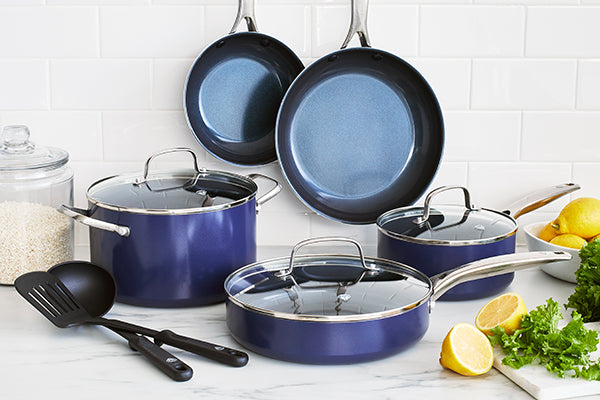
Credit: bluediamondshopping.com
Materials Used In Blue Diamond Cookware
Blue Diamond cookware is popular for its durability and nonstick features. Knowing what materials go into these pans helps understand their quality and performance. The materials used in Blue Diamond cookware combine strength, heat conduction, and safety to create a reliable cooking tool. Each part of the cookware uses specific materials to serve its purpose well. This section breaks down the core composition, nonstick coating, and handle and exterior materials to explain what makes Blue Diamond cookware unique.
Core Composition
The core of Blue Diamond cookware is designed to provide even heat distribution and durability. It mainly consists of aluminum, which is lightweight and a great conductor of heat. Aluminum heats up quickly and spreads heat evenly, reducing hot spots that can burn food.
Here are the main points about the core:
- Heavy-gauge aluminum: Thick aluminum provides strength and prevents warping.
- Lightweight: Makes the cookware easy to handle.
- Fast heat response: Quickly adjusts to temperature changes.
Some Blue Diamond cookware may also have a multi-layer base. This base often includes a stainless steel disc at the bottom to make the cookware compatible with induction cooktops. The layering looks like this:
| Layer | Material | Function |
|---|---|---|
| Core | Heavy-gauge aluminum | Heat conduction and lightweight |
| Bottom layer | Stainless steel disc | Induction compatibility and durability |
This core setup balances heat control and cookware strength, enhancing cooking results.
Nonstick Coating Elements
The nonstick coating in Blue Diamond cookware sets it apart from many others. The coating contains diamond-infused ceramic particles. These tiny diamond pieces make the surface much harder and more scratch-resistant than traditional nonstick pans.
Key features of the nonstick coating include:
- Diamond infusion: Adds durability and scratch resistance.
- Ceramic base: Provides a safe, non-toxic nonstick surface.
- Free of PFOA and PTFE: Ensures a healthier cooking experience.
The ceramic coating allows cooking with less oil or butter, making meals healthier. It also cleans easily because food slides off without sticking. This coating stays effective for a long time with proper care.
| Coating Component | Purpose |
|---|---|
| Diamond particles | Scratch resistance and strength |
| Ceramic base | Nonstick and safe cooking surface |
| Non-toxic formulation | Healthier cooking without harmful chemicals |
Handle And Exterior Materials
The handles and exterior of Blue Diamond cookware are made for comfort, safety, and style. The handles often use silicone or heat-resistant plastic to stay cool during cooking. This feature prevents burns and makes the cookware easy to move.
Main points about the handles and exterior:
- Ergonomic design: Comfortable grip for easy handling.
- Heat resistance: Stays cool on stovetop and oven.
- Durability: Handles securely attached for long use.
The exterior typically has a hard-anodized aluminum finish. This finish adds extra protection against scratches and corrosion. It also gives the cookware a sleek, modern look.
| Part | Material | Benefit |
|---|---|---|
| Handle | Silicone or heat-resistant plastic | Cool grip and safety |
| Exterior | Hard-anodized aluminum | Scratch resistance and stylish appearance |
This combination of materials ensures Blue Diamond cookware is safe, durable, and easy to use every day.
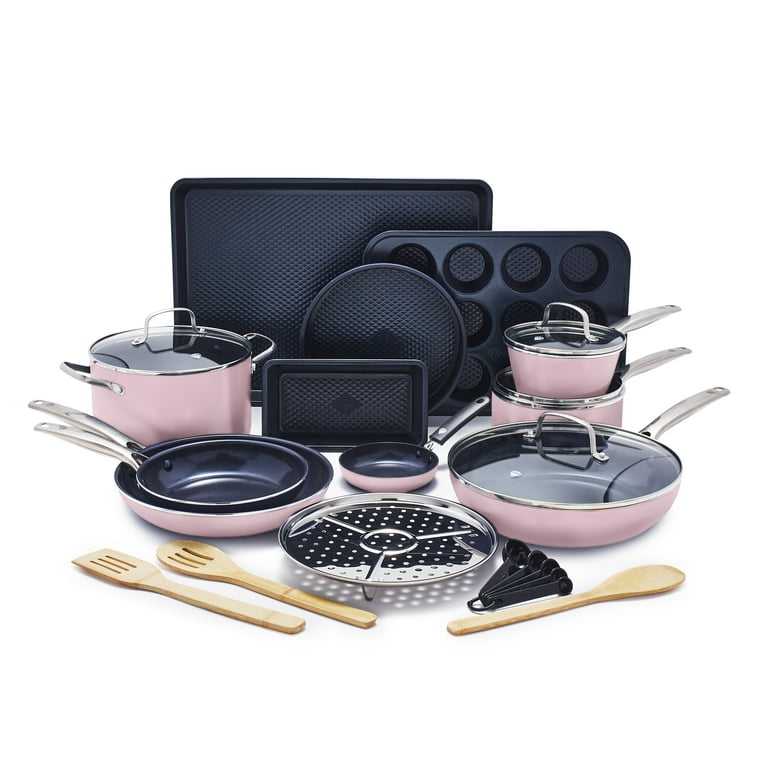
Credit: www.walmart.com
Features Of Blue Diamond Coating
The Blue Diamond coating on cookware offers unique features that improve cooking quality and ease. This special coating combines the hardness of diamond particles with a nonstick surface, creating a strong and efficient cooking layer. It makes Blue Diamond cookware popular among home cooks and professionals alike. The features of this coating help food cook evenly, stick less, and last longer, making it a trusted choice in many kitchens.
Durability And Scratch Resistance
The Blue Diamond coating is known for its high durability. It contains tiny diamond particles, which are one of the hardest natural materials. These particles add great strength to the surface of the cookware. This makes the cookware much more resistant to scratches compared to traditional nonstick pans.
Key points about durability and scratch resistance:
- Diamond-infused coating increases hardness.
- Resists scratches from metal utensils.
- Maintains its smooth surface for a longer time.
- Less prone to chipping or peeling over months of use.
Here is a simple comparison table showing Blue Diamond coating versus regular nonstick coatings:
| Feature | Blue Diamond Coating | Regular Nonstick Coating |
|---|---|---|
| Scratch Resistance | High | Medium to Low |
| Durability | Lasts longer without wear | Wears out faster |
| Surface Smoothness | Maintains smooth surface | Can become rough over time |
This durability allows for daily use with metal utensils without damaging the cookware. It also means less worry about scrapes or marks, keeping the cookware looking new for longer.
Heat Distribution
Even heat distribution is important for good cooking results. The Blue Diamond coating helps spread heat uniformly across the pan surface. This reduces hot spots that can burn food or leave parts undercooked.
The coating works with the cookware’s base material to improve heat flow. Many Blue Diamond pans have aluminum bases, which conduct heat quickly. The combination ensures consistent temperature during cooking.
- Faster heating saves cooking time.
- Uniform heat prevents burning and uneven cooking.
- Better temperature control for delicate dishes.
Good heat distribution means less need to stir constantly or lower the heat to avoid burning. It helps prepare meals more efficiently and with better texture.
| Heat Feature | Benefit in Cooking |
|---|---|
| Quick Heat Transfer | Cook food faster |
| Even Surface Temperature | Prevent hot spots and burning |
| Stable Heat Retention | Maintain steady cooking temperature |
Nonstick Performance
Blue Diamond cookware provides excellent nonstick performance. The coating creates a very smooth surface that stops food from sticking. This helps cook delicate foods like eggs or fish easily without tearing.
Benefits of the nonstick coating include:
- Less oil needed for healthier cooking.
- Easy food release, reducing cleanup time.
- Prevents food from burning onto the pan.
The nonstick property also makes washing the pan simple. Most foods wipe away with just water and mild soap. The coating is strong, so it keeps its nonstick ability even after many uses.
Nonstick performance comparison:
| Attribute | Blue Diamond Coating | Standard Nonstick |
|---|---|---|
| Food Release | Very smooth, easy release | Good, but may stick over time |
| Cleaning | Simple and quick | Can require more effort |
| Oil Usage | Low to none | Medium |
Overall, the Blue Diamond coating supports healthier cooking and saves time on cleaning. It suits everyday cooking needs and keeps pans ready for use.
Comparison With Other Cookware Materials
Understanding what Blue Diamond cookware is made of helps compare it with other popular cookware materials. This comparison reveals the benefits and drawbacks of each type. Blue Diamond cookware uses a nonstick coating infused with diamond particles, offering unique properties. Other materials like traditional nonstick, ceramic, cast iron, and stainless steel have different compositions and cooking performances. This section explores these differences to help you choose the best cookware for your kitchen.
Traditional Nonstick Vs Blue Diamond
Traditional nonstick cookware usually features a coating made of polytetrafluoroethylene (PTFE). PTFE provides a smooth, nonstick surface but can wear off with time and scratching. Blue Diamond cookware improves on this by infusing diamond particles into its nonstick coating. These diamonds make the surface harder and more durable.
- Durability: Blue Diamond coatings last longer than traditional nonstick.
- Scratch Resistance: Diamonds resist scratches better than PTFE alone.
- Nonstick Performance: Both provide good food release, but Blue Diamond stays slicker longer.
Here is a simple comparison table:
| Feature | Traditional Nonstick | Blue Diamond |
|---|---|---|
| Coating Material | PTFE | PTFE + Diamond Particles |
| Durability | Medium | High |
| Scratch Resistance | Low to Medium | High |
| Heat Tolerance | Up to 500°F | Up to 600°F |
Blue Diamond cookware offers a tougher nonstick surface. It suits cooks who want easy cleaning but need more durability.
Ceramic Coating Differences
Ceramic cookware uses a silica-based coating, which is free from PTFE and PFOA chemicals. It is popular for being eco-friendly and safe at high temperatures. Blue Diamond coatings differ because they combine PTFE with diamond particles, offering a mix of nonstick ease and durability.
Key differences include:
- Nonstick Quality: Blue Diamond usually outperforms ceramic in stick resistance.
- Heat Resistance: Ceramic tolerates very high heat but can chip easily.
- Durability: Blue Diamond resists scratches better than ceramic coatings.
- Cleaning: Both clean easily, but ceramic may lose nonstick power faster.
| Feature | Ceramic Coating | Blue Diamond Coating |
|---|---|---|
| Main Material | Silica-based | PTFE + Diamond Particles |
| Nonstick Performance | Good | Better |
| Scratch Resistance | Low | High |
| Heat Tolerance | Up to 700°F | Up to 600°F |
Choosing between ceramic and Blue Diamond depends on cooking style. Ceramic suits high-heat cooking but needs gentle care. Blue Diamond combines nonstick ease with strong resistance to wear.
Cast Iron And Stainless Steel Contrast
Cast iron and stainless steel differ greatly from Blue Diamond cookware. Cast iron is known for excellent heat retention and durability. Stainless steel offers strength and a non-reactive surface but lacks nonstick properties.
Blue Diamond coatings provide nonstick benefits that these materials do not naturally have. They make cooking and cleaning easier but may not match the heat performance of cast iron or stainless steel.
- Heat Distribution: Cast iron heats evenly but takes longer to warm up. Stainless steel heats quickly but unevenly.
- Maintenance: Cast iron requires seasoning; stainless steel can stick and needs scrubbing.
- Nonstick Capability: Blue Diamond excels here with easy food release.
- Weight: Cast iron is heavy; Blue Diamond cookware is lighter and easier to handle.
| Feature | Cast Iron | Stainless Steel | Blue Diamond |
|---|---|---|---|
| Heat Retention | Excellent | Good | Moderate |
| Nonstick Surface | No (needs seasoning) | No | Yes |
| Weight | Heavy | Medium | Light |
| Maintenance | High | Medium | Low |
Blue Diamond cookware suits those who want easy cooking with less weight and cleaning. Cast iron and stainless steel fit cooks who prefer durability and high-heat cooking.
Health And Safety Aspects
Blue Diamond cookware is popular for its durability and non-stick surface. Many people want to know about its health and safety features. Understanding what it is made of helps ensure safe cooking. Health and safety aspects focus on the materials used and how they affect your food and body. This section explains these points clearly.
Chemical Composition And Safety
Blue Diamond cookware features a non-stick coating made with diamond-infused ceramic. This coating is free from harmful metals like lead and cadmium. The base is usually aluminum, which heats food evenly.
Key components include:
- Diamond-infused ceramic coating: Adds strength and scratch resistance.
- Aluminum base: Provides fast and even heat distribution.
- Non-toxic materials: Ensures food safety without chemical leaching.
The ceramic coating is made to resist high temperatures and prevent food from sticking. It does not release harmful fumes, unlike some traditional non-stick pans. Because of this, Blue Diamond cookware is considered safe for everyday cooking.
| Component | Purpose | Safety Note |
|---|---|---|
| Diamond-infused ceramic coating | Non-stick surface, durable | Non-toxic, no harmful chemicals |
| Aluminum base | Even heat distribution | Safe with coating, no leaching |
| Handle materials | Heat resistant grip | Safe to touch during cooking |
Pfoa And Ptfe Considerations
PFOA and PTFE are chemicals often found in traditional non-stick coatings. They may cause health concerns if exposed to high heat. Blue Diamond cookware avoids these chemicals.
What are PFOA and PTFE?
- PFOA (Perfluorooctanoic acid): Used in making some non-stick coatings; linked to health risks.
- PTFE (Polytetrafluoroethylene): A synthetic chemical that provides non-stick properties.
Blue Diamond cookware uses a ceramic-based coating instead of PTFE. It is also PFOA-free. This means it does not release toxic fumes when heated. This makes the cookware safer for daily use and reduces risk of chemical exposure.
Some tips about PFOA and PTFE safety:
- Do not overheat traditional non-stick pans above 500°F to avoid fumes.
- Choose PFOA-free and PTFE-free cookware for safer cooking.
- Ceramic coatings like Blue Diamond are better for health-conscious users.
Maintenance Tips For Safety
Proper care keeps Blue Diamond cookware safe and extends its life. Follow these simple tips to avoid damage and maintain safety.
- Use wooden or silicone utensils: Avoid metal tools that can scratch the coating.
- Hand wash gently: Use mild soap and soft sponges, not abrasive pads.
- Avoid high heat: Cook on medium or low heat to protect the coating.
- Store carefully: Place a soft cloth between pans to prevent scratches.
Regular maintenance prevents coating wear and helps avoid chemical exposure. Scratched or damaged surfaces may reduce non-stick benefits and safety. Replace cookware if the coating peels or flakes.
Following these steps keeps cooking safe and the cookware performing well for years.
Environmental Impact
The environmental impact of Blue Diamond cookware is an important topic for many buyers. This cookware is known for its nonstick surface made with diamond-infused ceramic coating. Understanding how it affects the environment helps users make better choices. Blue Diamond cookware combines materials and processes that can influence the planet in different ways. From manufacturing to disposal, each stage has effects on energy use, waste, and pollution. This section explores these aspects clearly and simply.
Manufacturing Process
The manufacturing of Blue Diamond cookware involves several key steps that affect the environment. The base material is usually aluminum, chosen for its lightweight and heat conductivity. The nonstick coating includes ceramic infused with diamond particles, which is free from harmful chemicals like PTFE and PFOA.
Environmental benefits of the manufacturing process include:
- Low chemical emissions: The absence of PTFE and PFOA reduces toxic fumes.
- Energy efficiency: Aluminum production uses less energy than some metals.
- Use of sustainable materials: Diamond particles are naturally occurring and durable.
Here is a simple overview of the materials and their environmental impact:
| Material | Environmental Impact | Benefits |
|---|---|---|
| Aluminum Base | Moderate energy use, recyclable | Lightweight, good heat conductor |
| Ceramic Coating | Low toxicity, less pollution | Nonstick, safer for health |
| Diamond Infusion | Natural, low environmental harm | Durable, improves coating strength |
Manufacturers aim to reduce waste during production by recycling scrap aluminum and minimizing harmful emissions. This reduces the overall environmental footprint of Blue Diamond cookware.
Longevity And Waste Reduction
Blue Diamond cookware offers long-lasting performance, which helps reduce waste. Its durable coating resists scratches and peeling better than many other nonstick pans. This means users replace their pans less often, creating less waste in landfills.
Key points about longevity and waste reduction:
- Durable coating: Diamond particles make the surface tougher.
- Scratch resistance: Less damage means longer use.
- Easy cleaning: Reduces need for harsh cleaning chemicals.
- Fewer replacements: Saves resources and lowers waste.
Here is a comparison of average pan lifespan:
| Cookware Type | Average Lifespan (Years) | Waste Generated |
|---|---|---|
| Standard Nonstick | 1-3 | High (frequent replacement) |
| Blue Diamond Cookware | 4-6 | Lower (longer use) |
| Cast Iron | 10+ (with care) | Very low |
Choosing Blue Diamond cookware supports waste reduction and resource saving. Its durability helps protect the environment by lowering the need for new products.
Recyclability Of Components
The recyclability of Blue Diamond cookware depends on its materials. The aluminum base is widely recyclable. Recycling aluminum saves a lot of energy compared to producing new aluminum. However, the ceramic diamond coating can complicate recycling if not removed properly.
Important facts about recyclability:
- Aluminum base: Accepted by most recycling programs.
- Coating removal: May require special processing.
- Handle materials: Plastic or silicone handles may not be recyclable.
Proper disposal can improve recycling rates. Some tips for recycling Blue Diamond cookware:
- Check local recycling rules for aluminum cookware.
- Remove or separate handles if possible.
- Contact recycling centers about ceramic-coated cookware.
Recycling aluminum saves up to 95% of the energy needed to make new metal. This greatly reduces carbon emissions and resource use. Recycling the base metal is a positive step toward sustainability.

Credit: www.amazon.com
Frequently Asked Questions
What Materials Are Used In Blue Diamond Cookware?
Blue Diamond Cookware is made from aluminum with a diamond-infused ceramic coating. This combination ensures durability and excellent heat conduction. The diamond particles make the surface nonstick and scratch-resistant, enhancing cooking performance and longevity.
Is Blue Diamond Cookware Safe For Nonstick Cooking?
Yes, Blue Diamond Cookware features a non-toxic, PFOA-free ceramic coating. It provides a safe, nonstick surface that requires less oil. This makes it a healthier option for everyday cooking without harmful chemicals.
How Does The Diamond Coating Improve Cookware Quality?
The diamond coating adds exceptional hardness and scratch resistance. It prevents food from sticking and makes cleaning easier. This coating also enhances heat distribution, ensuring even cooking results.
Can Blue Diamond Cookware Be Used On All Stovetops?
Blue Diamond Cookware works best on gas, electric, and ceramic stovetops. However, it is not compatible with induction cooktops unless specified. Always check the product details for stovetop compatibility before use.
Conclusion
Blue Diamond cookware uses a strong nonstick coating made with real diamond particles. These tiny diamonds help the pans heat evenly and resist scratches. The base is usually made of aluminum, which is light and heats quickly. This combination makes cooking easier and cleaning faster.
Knowing what it is made of helps you choose the right cookware. It offers good durability and performance for everyday use. Blue Diamond pans suit many kitchens and cooking styles. Simple materials, smart design, and diamond strength come together here.

Hello, This is Annie Walker, a 38-year-old blogger, founder, and editor of Cookware Guider from NY, USA. I am a cookware fanatic and passionate cooker. I love to cook with different types of cooking appliances (example: all types of cookware, rice cookers, slow cookers, etc) almost every day in my kitchen. I love to share my experience with my readers in my blog. Also, I enjoy helping people to solve their problems through my website. You can follow me on Twitter & Pinterest. To know details about my blog please check the about us page.