
Have you ever wondered what makes enamel cookware so popular in kitchens everywhere? If you’ve ever admired its shiny, colorful finish, you might be curious about what it’s actually made of.
Understanding the materials behind enamel cookware can help you choose the right pots and pans for your cooking style. You’ll discover what enamel cookware is made of, why it’s durable, and how it can make your cooking experience better. Keep reading to learn the secrets behind this kitchen favorite—you’ll never look at your cookware the same way again!
Materials Behind Enamel Cookware
Enamel cookware is popular for its colorful look and easy cleaning. Its strength and beauty come from the materials used in its making. Understanding the materials behind enamel cookware helps you choose the right pots and pans for your kitchen. These materials include the base metals and the enamel coatings that cover them. Both parts are important for durability, heat distribution, and safety.
Base Metals Used
The base metal forms the core of enamel cookware. It gives the pan or pot its shape and strength. Several metals are commonly used as bases:
- Cast Iron: Heavy and excellent at holding heat. It is perfect for slow cooking and frying.
- Steel: Lighter than cast iron and heats quickly. Often used for everyday cooking pots and pans.
- Aluminum: Very light and heats evenly. Usually found in budget-friendly enamel cookware.
Each metal type affects the cookware’s weight, heat performance, and price. Cast iron bases are thick and retain heat well but can be heavy to handle. Steel bases offer a good balance of heat control and weight. Aluminum bases heat fast but may not be as durable as cast iron or steel.
| Base Metal | Weight | Heat Retention | Durability | Price Range |
|---|---|---|---|---|
| Cast Iron | Heavy | Excellent | Very High | Medium to High |
| Steel | Medium | Good | High | Medium |
| Aluminum | Light | Good | Medium | Low to Medium |
Choosing the right base metal depends on your cooking needs and budget. Cast iron suits those who want long-lasting cookware that holds heat well. Steel is good for everyday use and lighter handling. Aluminum works for quick cooking and easy lifting.
Types Of Enamel Coatings
Enamel coatings protect the base metal and give cookware its color and shine. These coatings are made by fusing powdered glass to the metal at very high heat. The result is a hard, smooth surface that resists scratches and rust.
There are different enamel types, each with unique features:
- Glossy Enamel: Shiny and smooth. Easy to clean and looks bright in kitchens.
- Matte Enamel: Soft and less reflective. Offers a modern, muted look.
- Textured Enamel: Slightly rough surface. Adds grip and a unique style.
- Colored Enamel: Comes in many colors. Allows creative kitchen designs.
| Enamel Type | Finish | Cleaning | Durability | Appearance |
|---|---|---|---|---|
| Glossy | Smooth, Shiny | Very Easy | High | Bright, Classic |
| Matte | Soft, Non-Reflective | Easy | Medium to High | Modern, Subtle |
| Textured | Rough | Moderate | High | Unique, Rustic |
| Colored | Varies | Easy | High | Vibrant, Decorative |
Enamel coatings also protect against rust and prevent food from sticking. Good enamel is free of harmful chemicals and safe for cooking. It is important to avoid chips in the enamel, which can expose the base metal and cause rust.
Overall, enamel coatings add beauty and function. The choice depends on style preference and how you plan to use your cookware.

Credit: www.youtube.com
Manufacturing Process
The manufacturing process of enamel cookware involves several careful steps to create durable, attractive, and safe kitchen tools. This process combines metal and glass materials to form a strong, smooth coating. The goal is to produce cookware that resists rust, scratches, and stains while providing an easy-to-clean surface. Each stage of production plays a key role in ensuring high quality and long-lasting enamel cookware.
Applying The Enamel Layer
The first step in making enamel cookware is applying the enamel layer to the metal base, usually cast iron or steel. This layer is made from powdered glass mixed with color pigments and other materials. The metal surface must be clean and smooth before enamel application. This ensures better adhesion and a perfect finish.
The enamel is applied using one of these common methods:
- Spraying: The powdered enamel is sprayed evenly over the metal surface.
- Dipping: The metal is dipped into a container filled with liquid enamel.
- Flow Coating: Enamel flows over the metal surface to cover it completely.
Each method has benefits, but all aim to create a uniform, smooth enamel coating. The thickness of the enamel layer is carefully controlled, usually between 0.5 and 1.5 millimeters. Too thin can cause weak spots; too thick can lead to cracking.
| Enamel Application Method | Advantages | Common Use |
|---|---|---|
| Spraying | Even coverage, good for complex shapes | Mass production |
| Dipping | Quick, covers entire surface | Simple cookware shapes |
| Flow Coating | Consistent thickness, smooth finish | High-quality cookware |
After enamel application, the cookware must dry before the next step. This prepares the enamel for firing in a kiln.
Firing And Finishing
Firing is the crucial step that turns the powdered enamel into a hard, glass-like surface. The cookware enters a kiln where it heats to very high temperatures, usually between 750°C and 850°C (1382°F to 1562°F). This heat melts the enamel powder, causing it to fuse tightly to the metal.
The firing process:
- Heats the enamel until it melts and flows.
- Ensures the enamel bonds strongly to the metal base.
- Creates a smooth, shiny surface that is resistant to chips and cracks.
After firing, the cookware cools slowly to avoid stress and cracking. The cooling stage is as important as heating for enamel durability.
Finishing touches improve the cookware’s look and safety. These include:
- Polishing: Removes rough spots and sharp edges.
- Inspecting: Checks for defects like bubbles, cracks, or uneven color.
- Adding handles and lids: Attaches parts made from metal or heat-resistant materials.
Quality control ensures the cookware meets safety standards and performs well in kitchens. The final product is strong, easy to clean, and visually appealing.
Durability And Safety
Enamel cookware combines beauty and strength, making it a popular choice in kitchens worldwide. Its durability and safety stand out among many types of cookware. The enamel coating protects the metal base underneath, creating a hard, smooth surface. This surface resists damage and keeps food safe during cooking. Understanding how enamel cookware holds up and stays safe helps in choosing the right pots and pans for everyday use.
Resistance To Scratches And Chips
Enamel cookware is known for its strong, durable surface. The enamel coating is made by fusing powdered glass to a metal base at high temperatures. This process forms a tough outer layer that resists scratches and chips.
Here are some key points about enamel’s resistance:
- Hard Surface: The glass-like coating is very hard, which helps prevent marks from metal utensils and rough cleaning tools.
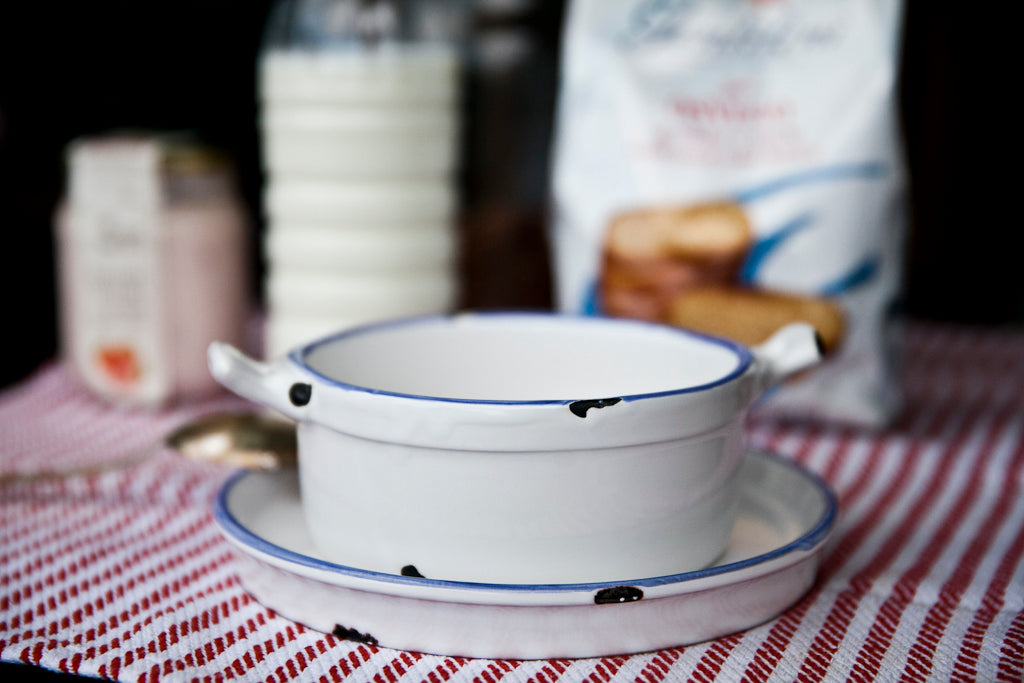
- Chip Resistance: While enamel is strong, it can chip if dropped or hit hard. Careful handling helps avoid damage.
- Long-lasting: With proper use, enamel cookware stays smooth and intact for many years.
The table below compares enamel cookware to other common types regarding scratch and chip resistance:
| Cookware Type | Scratch Resistance | Chip Resistance |
|---|---|---|
| Enamel | High | Moderate |
| Non-stick | Low to Moderate | High (no chipping) |
| Cast Iron | High | High |
Using wooden or silicone utensils reduces the risk of scratching enamel. Avoid dropping or banging the cookware to prevent chips. Regular gentle cleaning helps keep the enamel surface flawless.
Non-toxic Properties
Enamel cookware is prized for its non-toxic cooking surface. The coating is made from natural materials like glass and minerals, which do not release harmful chemicals. Unlike some non-stick pans, enamel does not contain PFOA, PTFE, or other toxins.
Key benefits of enamel’s non-toxic nature include:
- Safe Cooking: No risk of chemicals leaching into food, even at high heat.
- Non-reactive Surface: Enamel does not react with acidic or alkaline foods, preserving flavor and safety.
- Easy Cleaning: Food does not stick easily, reducing the need for harsh cleaning products.
The table below summarizes the safety features of enamel compared to other surfaces:
| Cookware Type | Chemical-Free Surface | Non-reactive with Food |
|---|---|---|
| Enamel | Yes | Yes |
| Non-stick (Teflon) | No | Yes |
| Stainless Steel | Yes | Mostly |
Enamel cookware suits people with food sensitivities or those wanting chemical-free cooking. Its safe, smooth surface supports healthy meals without worry.
:max_bytes(150000):strip_icc()/Resize_EnameledCastIronSkilletGraphic-fa64a726c4c94831bec38325dc643c9f.jpg)
Credit: www.seriouseats.com
Comparing Enamel To Other Cookware
Enamel cookware stands out because of its unique composition and properties. It consists of a metal base, usually cast iron or steel, coated with a layer of smooth, durable enamel. This coating is a type of glass fused to the metal at high heat, creating a non-reactive surface. Comparing enamel cookware to other popular types like stainless steel and non-stick pans helps understand its benefits and limits. Each cookware type affects cooking style, heat management, and cleaning differently.
Differences From Stainless Steel
Stainless steel cookware is made from an alloy of iron, carbon, and chromium. It does not have a coating like enamel but relies on the metal’s own properties. Enamel cookware has a glassy surface, which prevents food from sticking and protects the metal underneath. Stainless steel pans often require oil or butter to avoid sticking.
Here are key differences:
- Surface: Enamel is smooth and non-porous; stainless steel is metal with microscopic pores.
- Maintenance: Enamel is easier to clean because food sticks less. Stainless steel can need scrubbing for stuck food.
- Heat distribution: Both heat well, but enamel-coated cast iron holds heat longer.
- Durability: Stainless steel is tough and scratch-resistant. Enamel can chip if dropped or hit hard.
- Reactivity: Enamel does not react with acidic foods. Stainless steel can sometimes react slightly, affecting taste.
| Feature | Enamel Cookware | Stainless Steel Cookware |
|---|---|---|
| Surface | Glassy, smooth, non-porous | Metallic, porous at micro-level |
| Cleaning | Easy, less sticking | Harder, can need scrubbing |
| Heat Retention | High (cast iron base) | Moderate |
| Durability | Prone to chipping | Scratch and dent resistant |
| Food Reactivity | Non-reactive | Sometimes reactive |
Differences From Non-stick Coatings
Non-stick cookware often uses coatings like Teflon or ceramic applied to aluminum or steel. These coatings allow cooking with little or no oil, making cleanup simple. Enamel cookware also offers a smooth surface but differs in materials and care.
Important differences include:
- Coating Material: Enamel is a glass-based coating, while non-stick coatings are polymers or ceramics.
- Heat Tolerance: Enamel can handle very high heat without damage. Non-stick coatings can degrade at temperatures above 500°F (260°C).
- Durability: Enamel is harder and less prone to scratches but can chip. Non-stick coatings can wear off and need replacing.
- Health Concerns: Enamel is chemical-free and safe at high heat. Some non-stick coatings may release fumes if overheated.
- Use: Enamel is better for browning and searing. Non-stick is best for delicate foods like eggs or pancakes.
| Feature | Enamel Cookware | Non-Stick Cookware |
|---|---|---|
| Coating Type | Glass enamel | Polymer or ceramic |
| Heat Resistance | Very high | Moderate, sensitive to overheating |
| Durability | Chip-prone but hard surface | Scratches easily, wears off |
| Safety | Non-toxic, no fumes | May release fumes if overheated |
| Best Use | Browning, slow cooking | Low-fat cooking, delicate foods |
Care And Maintenance Tips
Enamel cookware combines beauty and durability, but it needs proper care to last long. Knowing how to clean and maintain it keeps its surface shiny and prevents damage. Simple daily habits protect your investment and improve cooking results.
Cleaning Methods
Cleaning enamel cookware is easy if done right. Avoid harsh scrubbing that can scratch the surface. Use warm water and mild dish soap after each use. For stuck-on food, soak the pan in warm soapy water for 15-20 minutes before cleaning.
- Use a soft sponge or cloth; avoid steel wool or abrasive pads.
- For tough stains, make a paste with baking soda and water, then gently scrub.
- Rinse thoroughly to remove soap and residue.
- Dry immediately with a soft towel to prevent water spots.
Here is a quick reference table for cleaning enamel cookware:
| Cleaning Step | Recommended Tools | What to Avoid |
|---|---|---|
| Everyday Cleaning | Soft sponge, mild dish soap | Abrasive scrubbers, harsh chemicals |
| Stubborn Stains | Baking soda paste, soft cloth | Steel wool, metal brushes |
| Drying | Soft towel | Air drying only (may cause spots) |
Avoiding Damage
Preventing damage extends enamel cookware’s life. Avoid sudden temperature changes. Don’t place hot cookware in cold water. This can cause cracking or chipping of the enamel coating.
Use wooden, silicone, or plastic utensils to protect the surface. Metal tools can scratch and wear down the enamel over time. Handle the cookware carefully, especially when stacking or storing.
- Cook on low to medium heat to avoid overheating.
- Lift cookware instead of sliding it on stovetops or counters.
- Store with soft cloth or paper towels between pieces if stacking.
- Inspect regularly for chips or cracks; small damage can worsen if ignored.
Here is a list of common mistakes and safer alternatives:
| Common Mistake | Safe Alternative | Effect of Mistake |
|---|---|---|
| Using metal utensils | Wooden or silicone utensils | Scratches enamel surface |
| Placing hot pan in cold water | Let pan cool before washing | Cracks or chips enamel |
| Stacking without protection | Use cloth or paper towel between pans | Chipping and surface damage |
Credit: www.dishesonly.com
Frequently Asked Questions
What Materials Make Up Enamel Cookware?
Enamel cookware typically consists of a metal core, like cast iron or steel, coated with a smooth, durable glass enamel layer. This enamel layer prevents rust, adds color, and creates a non-reactive cooking surface. The combination ensures durability and easy cleaning.
Is Enamel Cookware Safe For Cooking?
Yes, enamel cookware is safe for cooking. The glass enamel coating is non-toxic and non-reactive. It doesn’t leach chemicals or metals into food. This makes it ideal for acidic or alkaline dishes and everyday use without health concerns.
How Does Enamel Coating Affect Cookware Durability?
The enamel coating protects the metal core from rust and corrosion. It also prevents scratches and stains. However, it can chip if dropped or handled roughly. Proper care ensures enamel cookware remains durable and functional for many years.
Can Enamel Cookware Be Used On All Stovetops?
Enamel cookware works on most stovetops, including gas, electric, and ceramic. However, not all enamel cookware is induction compatible. Check the manufacturer’s specifications to confirm if your enamel cookware supports induction cooking.
Conclusion
Enamel cookware combines metal with a glassy coating. This makes it strong and easy to clean. It does not react with food or change flavors. The coating also stops rust and scratches. You get a durable and safe cooking tool.
Many people choose it for everyday use. Knowing what enamel cookware is made of helps you cook better. It is a smart choice for healthy meals. Durable, safe, and simple to maintain. That’s why enamel cookware stays popular in kitchens.

Hello, This is Annie Walker, a 38-year-old blogger, founder, and editor of Cookware Guider from NY, USA. I am a cookware fanatic and passionate cooker. I love to cook with different types of cooking appliances (example: all types of cookware, rice cookers, slow cookers, etc) almost every day in my kitchen. I love to share my experience with my readers in my blog. Also, I enjoy helping people to solve their problems through my website. You can follow me on Twitter & Pinterest. To know details about my blog please check the about us page.