
Choosing the best nonstick cookware can feel overwhelming with so many options available. You want pans that make cooking easier, clean-up quick, and your food delicious every time.
But how do you know which type will work best for your kitchen and lifestyle? This guide will help you cut through the confusion and find the perfect nonstick cookware that fits your needs, budget, and cooking style. Keep reading to discover the key features and benefits that will make your cooking experience better than ever.
Popular Nonstick Materials
Choosing the right nonstick cookware means understanding the materials used. Popular nonstick materials vary in durability, safety, and cooking performance. Each type has unique features that suit different cooking needs and preferences. Knowing these materials helps pick cookware that lasts and cooks well.
Ptfe-coated Cookware
PTFE (Polytetrafluoroethylene) is a common material for nonstick cookware. It is best known by the brand name Teflon. PTFE-coated pans are popular because they offer excellent nonstick performance and easy food release.
Advantages of PTFE-coated cookware:
- Very smooth surface that prevents food from sticking
- Easy to clean with just a soft sponge
- Requires less oil or butter when cooking
- Usually affordable and widely available
PTFE coatings work well for low to medium heat cooking. High heat can damage the coating and release harmful fumes. To keep PTFE pans safe:
- Use low to medium heat settings
- Avoid metal utensils that scratch the surface
- Do not preheat an empty pan
| Pros | Cons |
|---|---|
| Excellent nonstick surface | Can degrade at very high heat |
| Easy to clean | May release fumes if overheated |
| Affordable | Coating can scratch over time |
Ceramic-coated Options
Ceramic-coated cookware uses a silica-based coating that is free from PTFE and PFOA chemicals. It offers a natural nonstick surface and appeals to those wanting a chemical-free option.
Key features of ceramic-coated cookware:
- Nonstick without synthetic chemicals
- Can handle higher heat than PTFE coatings
- Bright, often colorful finish
- Good for sautéing, frying, and simmering
Though ceramic coatings are safe at high heat, they can lose nonstick power faster than PTFE. Avoid harsh scrubbing and rapid temperature changes to extend their life.
Best care tips for ceramic cookware:
- Use wooden or silicone utensils
- Wash gently with mild soap
- Do not use cooking sprays that leave residue
Anodized Aluminum
Anodized aluminum cookware features aluminum treated with an electrochemical process. This makes the surface hard, durable, and resistant to corrosion.
Benefits of anodized aluminum:
- More scratch-resistant than regular aluminum
- Distributes heat evenly for better cooking
- Often combined with nonstick coatings
- Lightweight and easy to handle
This cookware is great for everyday cooking because it heats quickly and cooks food evenly. Anodized aluminum pans sometimes have PTFE or ceramic coatings to improve nonstick quality.
Care instructions:
- Avoid metal utensils to keep the surface intact
- Hand wash recommended to maintain finish
- Not suitable for dishwasher use
Cast Iron With Nonstick Finish
Cast iron cookware is famous for durability and heat retention. Some cast iron pans come with a nonstick finish, either pre-seasoned or with an enamel coating.
Advantages of cast iron nonstick cookware:
- Excellent heat retention and distribution
- Nonstick surface improves with seasoning over time
- Very durable and long-lasting
- Can be used on all heat sources, including ovens
Cast iron requires regular seasoning to maintain its nonstick surface. Enamel-coated cast iron offers a nonstick surface without the seasoning process but is heavier and more fragile.
Tips for cast iron care:
- Dry thoroughly to prevent rust
- Apply a thin layer of oil after cleaning
- Avoid soap if using traditional seasoning
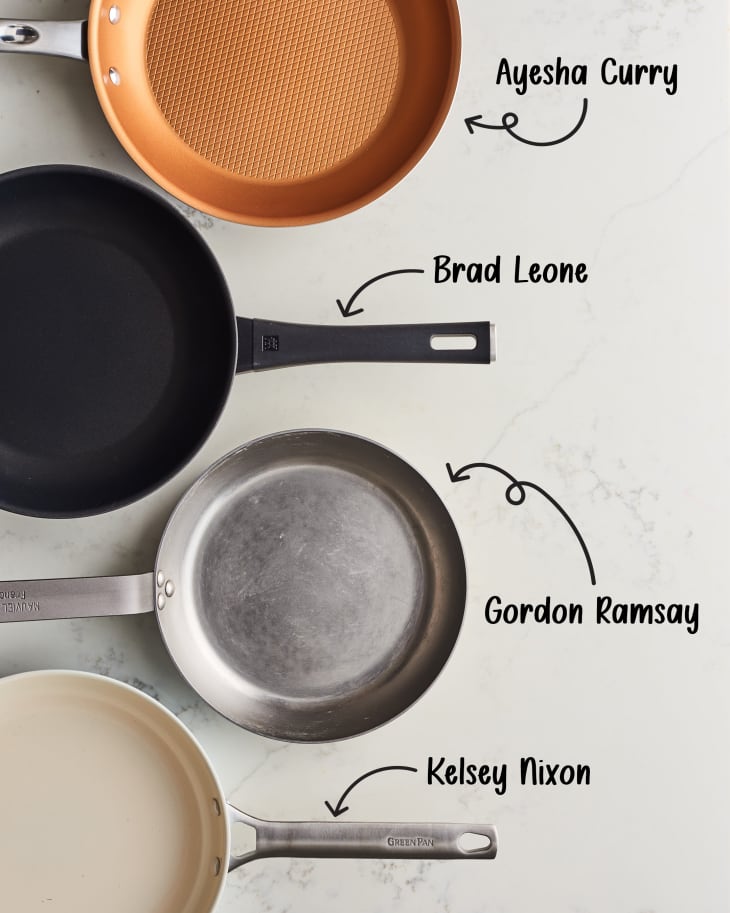
Credit: www.thekitchn.com
Health And Safety Factors
Choosing the best nonstick cookware involves more than just ease of cooking and cleaning. Health and safety factors play a crucial role in deciding which type suits your kitchen. These factors ensure your food remains safe and your cookware lasts long without harmful effects. Understanding these elements helps you pick nonstick pans that keep your family healthy and your meals tasty.
Chemical Concerns
Nonstick coatings often raise questions about chemicals used in their production. Some older nonstick pans contain perfluorooctanoic acid (PFOA), a chemical linked to health risks. Most modern cookware no longer uses PFOA, but checking labels is important.
Common nonstick materials and their chemical safety:
| Nonstick Type | Chemical Used | Health Impact | Notes |
|---|---|---|---|
| PTFE (Teflon) | Polytetrafluoroethylene | Safe below 260°C; fumes harmful if overheated | Use low to medium heat |
| Ceramic Coating | Silica-based | Generally free from toxic chemicals | Eco-friendly option |
| Anodized Aluminum | Aluminum oxide layer | Stable and non-toxic | Good for health, no coating flakes |
To reduce chemical risks:
- Choose PFOA-free cookware.
- Avoid overheating pans beyond recommended temperatures.
- Replace cookware with visible scratches or peeling.
Temperature Limits
Every nonstick pan has a temperature limit. Cooking above this limit can break down coatings and release harmful fumes. Understanding temperature tolerance helps keep food safe and pans in good shape.
Typical temperature ranges for popular nonstick types:
| Nonstick Type | Max Safe Temperature | Effect of Overheating |
|---|---|---|
| PTFE (Teflon) | 260°C (500°F) | Fumes can cause flu-like symptoms; coating damage |
| Ceramic | 450°C (840°F) | Coating can crack or discolor |
| Anodized Aluminum | 400°C (752°F) | Possible warping or discoloration |
Tips for safe cooking temperatures:
- Use medium or low heat settings.
- Preheat pans gently, avoid empty heating.
- Turn off heat immediately after cooking.
- Use thermometer if unsure about pan temperature.
Durability And Wear
Durability affects both safety and cost. Nonstick coatings wear out with time, losing effectiveness and safety. Scratches can expose underlying metals and release particles into food.
Factors influencing durability:
- Material quality: Higher-grade coatings last longer.
- Usage habits: Metal utensils damage coatings; use wood or silicone instead.
- Cleaning methods: Avoid abrasive scrubbers; hand wash is best.
Signs your cookware needs replacement:
- Visible peeling or flaking of the coating.
- Food sticks more than usual.
- Discoloration or deep scratches on the surface.
Durability comparison of popular nonstick types:
| Nonstick Type | Average Lifespan | Care Tips |
|---|---|---|
| PTFE (Teflon) | 3-5 years | Hand wash, avoid metal utensils |
| Ceramic | 2-3 years | Gentle cleaning, avoid high heat |
| Anodized Aluminum | 5+ years | Durable but avoid harsh scrubbing |
Cooking Performance
Choosing the best nonstick cookware depends a lot on how well it performs during cooking. Cooking performance affects taste, texture, and ease of use. Good nonstick pans heat evenly, prevent food from sticking, and clean up quickly. These factors matter for daily cooking and saving time in the kitchen.
Heat Distribution
Even heat distribution is key for nonstick cookware. Uneven heat causes hot spots where food burns or cooks too fast. This can ruin meals and make cooking frustrating.
High-quality nonstick pans use materials like aluminum or copper for better heat spread. Here are some points to consider:
- Aluminum pans heat quickly and spread heat evenly.
- Copper pans offer superior heat control but can be expensive.
- Stainless steel bases with nonstick coating improve durability and heat balance.
Table below compares common base materials for heat distribution:
| Material | Heat Conductivity | Heat Distribution | Cost |
|---|---|---|---|
| Aluminum | High | Excellent | Affordable |
| Copper | Very High | Superior | Expensive |
| Stainless Steel | Low | Poor alone, better with aluminum core | Moderate |
Look for pans with a thick base or layered construction. This helps spread heat evenly and prevents warping. Good heat distribution means food cooks faster and tastes better.
Food Release Quality
Food release is the main reason people buy nonstick cookware. It should allow food to slide off easily without sticking or tearing. This saves oil and makes cooking healthier.
Nonstick coatings vary. Common types include:
- PTFE (Teflon): Very slick, easy to clean, but can wear out over time.
- Ceramic: Natural, non-toxic, good for moderate heat, but less durable.
- Anodized aluminum: Hard and smooth, often combined with nonstick layers.
Tips for good food release:
- Season new nonstick pans with a little oil before first use.
- Use low to medium heat to protect coating and keep food from sticking.
- Avoid metal utensils that can scratch the surface.
Food release quality depends on coating thickness and type. Thicker coatings tend to last longer and provide better nonstick action.
Maintenance And Cleaning
Easy cleaning keeps nonstick cookware usable for years. Proper care protects the coating and maintains cooking performance.
Follow these simple rules:
- Wash by hand with warm, soapy water and a soft sponge.
- Avoid abrasive cleaners or scrubbers that damage the surface.
- Do not use dishwasher unless the manufacturer confirms it is safe.
- Dry pans completely before storing to prevent rust or damage.
Table shows maintenance tips for different coatings:
| Coating Type | Cleaning Method | Do Not Use | Longevity Tips |
|---|---|---|---|
| PTFE (Teflon) | Hand wash, soft sponge | Abrasive pads, metal utensils | Low to medium heat, season occasionally |
| Ceramic | Hand wash, gentle detergent | Harsh chemicals, high heat | Avoid thermal shock, dry completely |
| Anodized Aluminum | Hand wash, mild soap | Steel wool, dishwasher (if not specified) | Use wooden utensils, avoid overheating |
Good maintenance keeps the nonstick surface smooth and effective. It also prevents peeling or flaking, extending cookware life.
Cost And Longevity
Choosing the best type of nonstick cookware depends greatly on two key factors: cost and longevity. These determine how much value you get from your purchase. Nonstick pans vary widely in price, material quality, and durability. Understanding these aspects helps you pick cookware that fits your budget and lasts long. Investing wisely means fewer replacements and better cooking results over time.
Price Ranges
Nonstick cookware prices range from budget-friendly to high-end. The price often reflects the material, coating quality, and brand reputation. Here is a simple breakdown:
- Budget: $15 – $40 per piece. Basic aluminum pans with standard nonstick coating.
- Mid-range: $40 – $100 per piece. Better materials, often with reinforced coatings.
- Premium: $100 and up. Heavy-duty construction, advanced coatings, and better heat distribution.
Choosing very cheap cookware might save money upfront but can lead to quicker wear and tear. Mid-range options often offer a balance of price and performance. Premium products tend to last longer but require a higher initial investment.
| Price Range | Material | Typical Features | Ideal For |
|---|---|---|---|
| $15 – $40 | Aluminum with basic coating | Lightweight, less durable | Occasional cooking, low budget |
| $40 – $100 | Hard-anodized aluminum, reinforced coating | Durable, better heat control | Regular home cooking |
| $100+ | Stainless steel base, ceramic or advanced PTFE coatings | Long-lasting, even heating | Frequent use, serious cooks |
Lifespan Expectations
The lifespan of nonstick cookware depends on the coating type and usage habits. Most nonstick pans last between 1 and 5 years. Proper care can extend this range. Here are some points to consider:
- Standard PTFE coatings: Usually last 1-3 years before peeling starts.
- Hard-anodized pans: Offer better durability, lasting up to 5 years.
- Ceramic coatings: Can last 2-3 years but are sensitive to high heat.
Using metal utensils or harsh cleaning can shorten the lifespan. Gentle cleaning and wooden or silicone tools help maintain the coating. The pan’s base material also affects durability. Heavy-gauge metal pans resist warping and last longer.
| Type of Coating | Average Lifespan | Care Tips |
|---|---|---|
| PTFE (Teflon) | 1-3 years | Use low heat, avoid metal utensils |
| Hard-anodized | 3-5 years | Hand wash gently, use silicone tools |
| Ceramic | 2-3 years | Avoid high heat, clean with soft sponge |
Warranty And Brand Reliability
Warranty and brand reputation are important for peace of mind. Trusted brands offer better warranties and quality assurance. This signals confidence in product durability. Some warranties cover coating damage or warping for several years.
- Basic warranties: Usually 1 year, covering manufacturing defects only.
- Extended warranties: Up to 5 or 10 years, sometimes lifetime, covering coating wear.
- Brand reliability: Brands with strong customer service often replace or repair faulty pans.
Check customer reviews and warranty terms before purchasing. Well-known brands invest in research to improve coating technology and pan construction. This means fewer issues and longer-lasting cookware. A good warranty adds value and reduces the risk of wasted money.
Eco-friendly And Sustainable Picks
Choosing the best nonstick cookware involves more than just ease of cooking and cleaning. Eco-friendly and sustainable picks have become a priority for many home cooks. These options protect the environment and ensure your kitchen stays safe from harmful chemicals. Sustainable cookware uses materials and coatings that reduce waste and pollution. It also helps save energy during cooking. This section explores key features of green nonstick cookware to help you make a better choice for your health and the planet.
Recyclable Materials
Cookware made from recyclable materials plays a big role in reducing kitchen waste. Many traditional nonstick pans contain mixed metals or plastics that are hard to recycle. Eco-friendly options use metals like aluminum and stainless steel, which are 100% recyclable.
- Aluminum: Lightweight and excellent at conducting heat. Easily recycled and reused.
- Stainless Steel: Durable, corrosion-resistant, and recyclable without losing quality.
- Ceramic-based materials: Some ceramic coatings come from natural minerals and can be safer for recycling.
Recyclable cookware helps reduce landfill waste and conserves raw materials. Look for pans labeled with recycling symbols or made from a single type of metal. Avoid products with mixed layers of metal and plastic that complicate recycling.
| Material | Recyclability | Durability | Heat Conductivity |
|---|---|---|---|
| Aluminum | High | Moderate | Excellent |
| Stainless Steel | High | High | Good |
| Ceramic-based | Moderate | Moderate | Good |
Non-toxic Coatings
Nonstick coatings can contain chemicals harmful to health and the environment. Eco-friendly cookware uses non-toxic coatings that avoid these risks. These coatings provide a safe cooking surface without releasing dangerous fumes or particles.
Common non-toxic options include:
- Ceramic Coating: Made from natural minerals, it is free of PTFE and PFOA chemicals.
- Silicone-based Coatings: Safe at high temperatures and do not emit harmful gases.
- Anodized Aluminum: This process creates a hard, non-reactive surface without toxic chemicals.
Products with PTFE (Teflon) or PFOA coatings often cause health concerns, especially if overheated. Choose cookware labeled PTFE-free and PFOA-free. These ensure safer use and less environmental impact during production and disposal.
| Coating Type | Safe for Health | Heat Resistance | Environmental Impact |
|---|---|---|---|
| Ceramic | Yes | Up to 450°F (232°C) | Low |
| Silicone-based | Yes | Up to 500°F (260°C) | Low |
| PTFE (Teflon) | No | Up to 500°F (260°C) | High |
Energy Efficiency
Eco-friendly cookware also supports energy efficiency. This means it heats up quickly and holds heat well, using less gas or electricity. Efficient pans reduce your kitchen’s carbon footprint and lower utility bills.
Materials that improve energy efficiency:
- Aluminum: Excellent heat conductor. Pans heat evenly and fast.
- Copper: Heats rapidly and cools quickly for better temperature control.
- Cast Iron: Retains heat well but takes longer to warm up.
Cookware design matters too. Flat, thick bases increase contact with the stove, improving heat transfer. Good lids also trap heat, speeding up cooking times.
Energy-efficient pans help:
- Reduce cooking time
- Lower energy consumption
- Decrease greenhouse gas emissions
Choosing eco-friendly cookware with these features helps the environment and saves money.
:max_bytes(150000):strip_icc()/faw-primary-nonstick-cookware-wdickey-1093-1-758b71681dc549349983b582a0a4b5eb.jpeg)
Credit: www.foodandwine.com

Credit: www.americastestkitchen.com
Frequently Asked Questions
What Is The Safest Nonstick Cookware Material?
Ceramic and hard-anodized aluminum are among the safest nonstick cookware options. They avoid harmful chemicals like PFOA and PFOS. These materials also offer excellent heat distribution and durability, making them a healthy choice for everyday cooking.
How Long Does Nonstick Cookware Usually Last?
Nonstick cookware typically lasts between 3 to 5 years with proper care. Avoid using metal utensils and high heat to extend its lifespan. Regular gentle cleaning also preserves the nonstick coating for longer use.
Can Nonstick Cookware Be Used On Induction Cooktops?
Most nonstick cookware is not compatible with induction cooktops unless it has a magnetic base. Look for cookware labeled “induction-ready” to ensure it works well on induction stoves. This feature improves heating efficiency and cooking performance.
Which Nonstick Coating Is Best For High-heat Cooking?
Hard-anodized aluminum with ceramic or titanium coatings withstands higher temperatures. These coatings resist scratching and maintain nonstick properties under heat. Avoid traditional PTFE coatings for high-heat cooking to prevent toxic fumes and damage.
Conclusion
Choosing the right nonstick cookware makes cooking easier and cleaner. Consider your cooking style and the materials used. Ceramic coatings offer a natural option, while PTFE provides strong nonstick performance. Durability and safety matter for daily use. Pick cookware that suits your kitchen needs and budget.
Good care keeps your pans working longer. Enjoy cooking with less oil and simple cleanup. The best nonstick cookware fits your habits and lasts well.

Hello, This is Annie Walker, a 38-year-old blogger, founder, and editor of Cookware Guider from NY, USA. I am a cookware fanatic and passionate cooker. I love to cook with different types of cooking appliances (example: all types of cookware, rice cookers, slow cookers, etc) almost every day in my kitchen. I love to share my experience with my readers in my blog. Also, I enjoy helping people to solve their problems through my website. You can follow me on Twitter & Pinterest. To know details about my blog please check the about us page.