
Have you ever struggled with burnt glass cookware that just won’t come clean? It’s frustrating to see your favorite pots and pans covered in stubborn stains and burnt residue.
But don’t worry—cleaning burnt glass cookware doesn’t have to be a hassle. You’ll discover simple, effective methods to restore your glass cookware to its sparkling best. Keep reading, and you’ll learn easy tricks that save you time, effort, and money, so your kitchen stays looking fresh and ready for your next meal.
Common Causes Of Burnt Glass Cookware
Burnt glass cookware often results from common kitchen mistakes. Understanding these causes helps prevent damage and keeps your cookware clean. These causes are easy to avoid with the right knowledge.
Using High Heat For Too Long
Glass cookware can burn if exposed to high heat for a long time. Glass does not conduct heat like metal. Hot spots form and food sticks or burns. Always cook on medium or low heat.
Cooking Without Enough Liquid
Food burns when there is not enough liquid in the pan. Liquids help distribute heat evenly. Without liquid, food can dry out and stick to the glass surface. Keep some water or oil while cooking.
Leaving Cookware Unattended
Leaving glass cookware unattended on the stove causes burning. Food can boil over or dry up quickly. Stay close and watch the cooking process. This prevents burnt food and tough stains.
Using The Wrong Type Of Utensils
Metal utensils can scratch and damage glass cookware. Scratches make it easier for food to stick and burn. Use wooden or silicone tools to protect the glass surface.
:max_bytes(150000):strip_icc()/GettyImages-1162610889-2000-35daa899e2d643b886ad72bd062b41c6.jpg)
Credit: www.southernliving.com
Safety Precautions Before Cleaning
Cleaning burnt glass cookware requires care to avoid injuries and damage. Taking safety steps first helps protect your hands and surfaces. It also keeps you safe from harsh cleaning chemicals.
Wear Protective Gloves
Gloves protect your skin from sharp edges and cleaning agents. Use rubber or latex gloves for the best protection. Avoid bare hands to prevent cuts and irritation.
Work In A Well-ventilated Area
Cleaning products can release strong fumes. Open windows or use a fan to keep fresh air flowing. This reduces the risk of breathing in harmful chemicals.
Allow Cookware To Cool Completely
Hot glass can crack or burn your skin. Wait until the cookware is at room temperature before starting. Touch carefully to check if it is cool enough.
Use Gentle Cleaning Tools
Avoid metal scrubbers that can scratch glass. Soft sponges or cloths work best for burnt spots. This keeps your cookware in good condition.
Basic Cleaning Supplies Needed
Cleaning burnt glass cookware does not require many tools. A few basic supplies will make the job easier. These items help remove tough stains without scratching the glass. Having the right supplies saves time and effort.
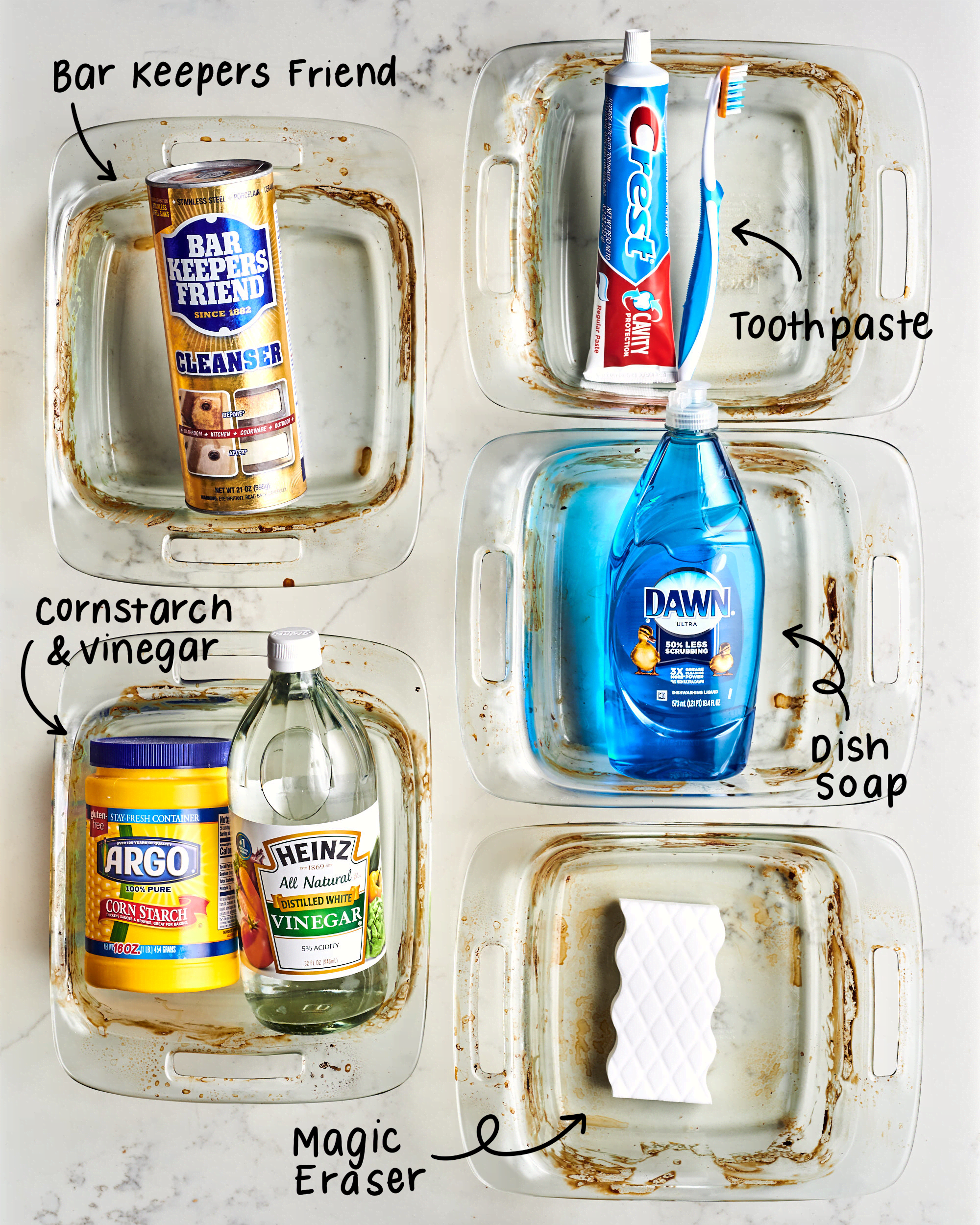
Dish Soap
Dish soap breaks down grease and burnt food. Use a mild dish soap to avoid damage. It helps loosen stuck-on bits for easier cleaning.
Baking Soda
Baking soda is a gentle abrasive cleaner. It removes burnt stains without scratching glass surfaces. Sprinkle it on the cookware and scrub gently for best results.
White Vinegar
White vinegar cuts through tough burnt residue. It also helps remove odors from the cookware. Mix it with water and soak the glass for a while.
Sponge Or Soft Scrub Pad
A soft sponge or scrub pad cleans without scratching. Avoid steel wool or harsh scrubbers. They can damage the glass and make cleaning harder.
Warm Water
Warm water loosens burnt food and stains. Use it to soak the cookware before scrubbing. It softens the burnt areas for easier cleaning.

Credit: www.youtube.com
Soaking Techniques To Loosen Burnt Residue
Soaking burnt glass cookware helps soften tough, stuck-on residue. It makes cleaning easier and protects the glass from scratches. This method uses water and mild agents to break down burnt food gently.
Patience is key. Soaking allows time for residue to loosen. This reduces scrubbing effort and prevents damage to the cookware surface.
Using Warm Water And Dish Soap
Fill the cookware with warm water. Add a few drops of dish soap. Let it soak for at least 30 minutes. The soap helps dissolve grease and softens burnt bits. After soaking, use a soft sponge to wipe away residue.
Applying Baking Soda Paste
Mix baking soda with water to form a thick paste. Spread the paste over burnt areas. Let it sit for 20 to 30 minutes. Baking soda gently lifts burnt food without scratching glass. Rinse with warm water and wipe clean.
Soaking With Vinegar And Water
Combine equal parts white vinegar and water in the cookware. Heat the mixture until warm, then let it soak for 15 to 20 minutes. Vinegar breaks down mineral deposits and burnt food. After soaking, scrub lightly with a sponge.
Overnight Soaking For Stubborn Stains
For tough burnt residue, fill the cookware with hot water and soap or vinegar solution. Leave it to soak overnight. This long soak softens even hard-to-remove stains. Next day, clean gently with a sponge or cloth.
Using Natural Ingredients For Stubborn Stains
Natural ingredients offer a safe way to clean burnt glass cookware. They are easy to find and gentle on your pots and pans. Using these ingredients saves money and avoids harsh chemicals. Stubborn stains and burnt residue can come off with simple kitchen staples.
Baking Soda
Baking soda works as a mild abrasive. Sprinkle it over the burnt areas. Add a few drops of water to make a paste. Let it sit for 15 to 20 minutes. Then scrub gently with a soft cloth or sponge. Rinse well with warm water. Baking soda lifts burnt food without scratching the glass.
Vinegar
White vinegar helps dissolve burnt stains. Pour vinegar into the cookware until it covers the burnt spot. Heat the pan on low for 5 minutes. Turn off the heat and let it cool. Use a sponge to scrub away loosened grime. Rinse thoroughly to remove vinegar smell. Vinegar’s acidity breaks down tough stains quickly.
Lemon Juice
Lemon juice brightens and cleans burnt glass cookware. Squeeze fresh lemon juice on the burnt areas. Let it sit for 10 minutes to loosen stains. Scrub gently with a soft cloth or sponge. Rinse well with warm water. Lemon’s natural acid helps remove burnt residue and adds a fresh scent.
Commercial Cleaners That Work Well
Burnt glass cookware looks tough to clean. Stains can seem stuck forever. Commercial cleaners can help remove these tough marks quickly. Many products work well without scrubbing hard. They save time and effort.
These cleaners are made for tough kitchen messes. They dissolve burnt food and stains fast. Some are gentle on glass but strong on dirt. Using the right cleaner protects your cookware too.
Oven Cleaner Sprays
Oven cleaner sprays remove burnt food easily. Spray on the glass surface and let it sit. The cleaner breaks down burnt spots over time. Wipe with a soft cloth or sponge afterward. Always check label for glass safety.
Baking Soda-based Cleaners
Cleaners with baking soda are mild but effective. They scrub away burnt stains without scratching. Mix with water to make a paste. Apply on burnt areas and leave for 15 minutes. Then scrub gently and rinse well.
Commercial Glass Cookware Cleaners
Special cleaners for glass cookware work well too. These products target burnt food and grease. They clean without damaging the glass surface. Follow product instructions carefully for best results.
Non-abrasive Cream Cleaners
Cream cleaners remove stains without harsh scrubbing. They contain mild chemicals that dissolve burnt residue. Apply cream, wait a few minutes, then wipe off. Safe for most glass cookware types.
Step-by-step Cleaning Process
Cleaning burnt glass cookware does not have to be hard. Following a clear, step-by-step process helps bring back its shine. Each step tackles the tough burnt areas carefully without damaging the glass.
The process starts with scrubbing to remove loose burnt bits. Then, safe cleaning agents work to break down stubborn stains. The final step rinses away residue and dries the cookware perfectly.
Initial Scrubbing
Begin by soaking the cookware in warm water for 15 minutes. This softens burnt food stuck on the surface. Use a non-abrasive sponge or cloth to scrub gently. Avoid metal scrubbers to prevent scratches. Focus on burnt spots but be gentle on the glass.
Applying Cleaning Agents
Sprinkle baking soda over the burnt areas. Add a small amount of white vinegar to create fizz. Let this mixture sit for 10-15 minutes. The fizz helps lift burnt stains without harsh chemicals. For tough stains, use a paste of baking soda and water. Rub the paste gently with a sponge.
Rinsing And Drying
Rinse the cookware with warm water thoroughly to remove all cleaning agents. Check for remaining stains and repeat cleaning if needed. Dry the cookware with a soft towel to avoid water spots. Store in a dry place to keep it clean and ready for use.
Tips To Prevent Future Burnt Residue
Burnt residue on glass cookware can be stubborn and frustrating. Taking simple steps can stop it from happening again. Preventing burnt spots saves time and keeps your cookware looking new.
Small habits in the kitchen make a big difference. Avoid overheating and clean right after use. These tips help keep your glass pots and pans spotless.
Use Medium Or Low Heat Settings
High heat can burn food quickly and damage glass cookware. Choose medium or low heat to cook food evenly. This reduces the risk of burnt residue forming on the surface.
Preheat Cookware Properly
Warm the glass slowly before adding food. Sudden heat changes can cause burning. Preheating evenly helps cook food better and prevents sticking.
Stir Food Regularly
Stirring keeps food moving and stops it from sticking. It spreads heat evenly and lowers the chance of burning. Make stirring part of your cooking routine.
Use Enough Liquid Or Oil
Cooking with a little oil or water keeps food moist. This prevents it from drying out and sticking to the glass. Check recipes for the right amount to add.
Clean Cookware Soon After Cooking
Cleaning glass cookware soon after use stops residue buildup. Warm water and gentle scrubbers remove food particles easily. Avoid letting burnt food sit for long.
When To Replace Glass Cookware
Knowing when to replace glass cookware is important for safety and cooking quality. Glass can wear out over time and show signs that it needs to be replaced. Using damaged glass cookware can lead to accidents or poor cooking results.
Careful inspection of your glass cookware helps decide if it is still good to use. Look for cracks, chips, or deep scratches. These problems weaken the glass and can cause it to break during use.
Cracks And Chips
Cracks and chips are the most obvious signs to replace glass cookware. Even small cracks can grow bigger with heat. Chips can create sharp edges that may cut your hands.
Using cracked or chipped glass cookware risks it breaking suddenly. This can cause injuries or spills on your stove.
Discoloration And Cloudiness
Over time, glass cookware may become cloudy or discolored. This can affect how well it heats food. Cloudy glass also makes it hard to see inside.
Discolored glass often means the cookware has been damaged by heat. It may lose strength and not cook evenly.
Frequent Breakage Or Wear
If your glass cookware breaks often or shows heavy wear, it is time to replace it. Frequent damage means the glass has aged and lost durability. Old cookware is unsafe and unreliable.
Loose Or Broken Handles
Handles must be firmly attached and in good condition. Loose or broken handles can cause accidents. Replace glass cookware with damaged handles to avoid spills or burns.
Credit: www.thekitchn.com
Frequently Asked Questions
How To Remove Burnt Stains From Glass Cookware?
To remove burnt stains, soak the cookware in warm soapy water. Use baking soda paste and scrub gently. For tough stains, boil water with vinegar and baking soda inside the cookware, then scrub after cooling.
What Household Items Clean Burnt Glass Pots Effectively?
Baking soda, white vinegar, and lemon juice are effective household cleaners. They break down burnt residues safely. These items are non-toxic and preserve the glass cookware’s surface during cleaning.
Can Burnt Glass Cookware Be Cleaned Without Harsh Chemicals?
Yes, natural ingredients like baking soda and vinegar clean burnt glass cookware well. They avoid damaging chemicals and maintain cookware integrity. Use gentle scrubbing with these solutions for best results.
How Long Should Burnt Glass Cookware Soak Before Cleaning?
Soak burnt glass cookware for at least 30 minutes to loosen residues. For stubborn stains, soak overnight. Longer soaking softens burnt particles, making them easier to remove without harsh scrubbing.
Conclusion
Cleaning burnt glass cookware does not have to be hard. Use gentle scrubbing and simple household items. Be patient and avoid harsh tools that scratch the glass. Regular care keeps your cookware looking new longer. Try different methods until you find what works best.
A clean pan means better cooking and less stress. Keep these tips in mind for your next cooking adventure. Your kitchen will thank you with sparkling cookware every time.

Hello, This is Annie Walker, a 38-year-old blogger, founder, and editor of Cookware Guider from NY, USA. I am a cookware fanatic and passionate cooker. I love to cook with different types of cooking appliances (example: all types of cookware, rice cookers, slow cookers, etc) almost every day in my kitchen. I love to share my experience with my readers in my blog. Also, I enjoy helping people to solve their problems through my website. You can follow me on Twitter & Pinterest. To know details about my blog please check the about us page.