
Are you ready to transform the way you cook and enjoy healthier, tastier meals? Cooking with waterless cookware can change everything you thought you knew about preparing food.
Imagine locking in all the natural flavors and nutrients without adding extra water or oil. It’s easier than you think, and once you learn how to use waterless cookware, your kitchen will never be the same. Keep reading, and you’ll discover simple tips that will make your meals more vibrant, your cooking faster, and your cleanup a breeze.
Let’s dive into the secrets of waterless cookware and unlock your cooking’s full potential!

Credit: gurlgonegreen.com
Benefits Of Waterless Cookware
Waterless cookware offers many benefits that improve cooking and health. It uses less water and oil while keeping food tasty and nutritious. This cookware saves energy and enhances the flavors of your meals. Below are key benefits of using waterless cookware in your kitchen.
Health Advantages
Waterless cookware cooks food with little or no added fat. It preserves vitamins and minerals that water and high heat often destroy. Meals stay healthy and natural. It also prevents harmful chemicals from leaching into food. This makes it a better choice for your family’s health.
Energy Efficiency
This cookware heats food quickly and evenly. It needs less heat to cook meals thoroughly. That lowers your energy bills and saves fuel. It also cooks food faster, saving your time in the kitchen. You get warm meals without wasting power.
Flavor Preservation
Waterless cookware locks in natural juices and flavors. It prevents food from drying out or tasting bland. The sealed environment keeps aromas strong and fresh. Your dishes come out full of taste and aroma every time.
Choosing The Right Waterless Cookware
Choosing the right waterless cookware can make cooking easier and healthier. This type of cookware uses little or no water, preserving nutrients and flavors. Picking the right set depends on your cooking needs and kitchen space. Consider the materials, sizes, shapes, and trusted brands to get the best results.
Materials And Types
Waterless cookware often comes in stainless steel or aluminum. Stainless steel is durable and resists rust. It heats evenly and keeps food from sticking. Aluminum heats quickly but may wear out faster. Some sets combine materials for better performance. Look for cookware with tight-fitting lids to keep steam inside. This helps cook food without water.
Size And Shape Options
Cookware sizes vary from small saucepans to large pots. Choose sizes based on your family size and meals. Round pots work well for soups and stews. Flat pans are good for frying and sautéing. Some sets include different shapes to cover many cooking tasks. Make sure the pieces fit your stove and storage space.
Brands To Consider
Several brands offer reliable waterless cookware sets. Look for brands with good reviews and warranties. Trusted brands use quality materials and strong construction. They often provide customer support and replacement parts. Choose a brand that fits your budget without sacrificing quality. This ensures your cookware lasts a long time.
Preparing Your Waterless Cookware
Preparing your waterless cookware is an important step for better cooking results. Taking care of the cookware before first use helps it last longer and perform well. Proper preparation also keeps your food tasting fresh and natural.
Cleaning Before First Use
Wash your waterless cookware with warm, soapy water first. Use a soft sponge to remove any dust or oils from the factory. Rinse well to get rid of soap residue. Dry the cookware completely with a clean cloth before cooking.
Seasoning Tips
Seasoning your cookware creates a natural non-stick surface. Heat the pan on low and add a thin layer of cooking oil. Let it warm for a few minutes. Wipe off extra oil with a paper towel. Repeat this process once or twice for better results.
Proper Storage
Store your cookware in a dry place to avoid rust. Keep lids off or slightly open to let air flow inside. Stack pans with a soft cloth between them to prevent scratches. Proper storage helps maintain your cookware’s quality and shape.
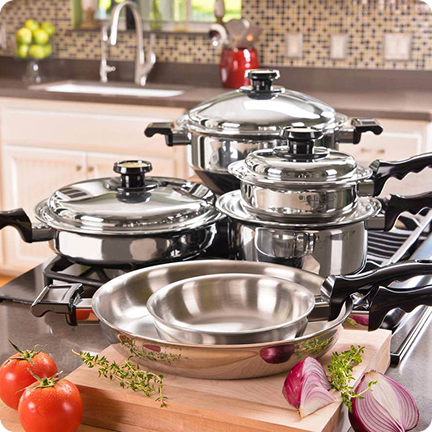
Credit: waterlesscookware.com
Cooking Techniques With Waterless Cookware
Waterless cookware offers a unique way to cook food by preserving natural flavors and nutrients. It uses steam and gentle heat to cook food evenly. Understanding the right cooking techniques helps get the best results with this cookware.
Using Low To Medium Heat
Set your stove to low or medium heat for waterless cookware. High heat can burn food and damage the pan. The cookware traps moisture inside, so food cooks with its own juices. This method keeps dishes tender and juicy.
Layering Ingredients
Place dense ingredients like root vegetables at the bottom of the pan. Add lighter items like leafy greens on top. This layering helps food cook evenly and prevents overcooking. It also allows steam to circulate well inside the pan.
Timing And Monitoring
Cooking times are often shorter with waterless cookware. Check your food regularly to avoid overcooking. The sealed lid helps keep heat and moisture in, so food cooks faster than usual. Use a timer and watch for signs of doneness.
Recipes Perfect For Waterless Cooking
Waterless cookware offers a unique way to cook food using less water and retaining more nutrients. Recipes designed for this method often require gentle heat and minimal stirring. These recipes help preserve natural flavors and textures of ingredients. Below are some ideal recipe types that work well with waterless cooking.
Vegetable Dishes
Vegetables cook beautifully in waterless cookware. Their natural moisture helps steam them perfectly. Simple recipes like sautéed spinach or glazed carrots are easy and tasty. The veggies stay crisp and colorful without losing nutrients. Try cooking zucchini or bell peppers with a pinch of salt and pepper. The flavors become rich and fresh.
One-pot Meals
One-pot meals suit waterless cookware well. Use it to prepare dishes like rice with vegetables or chicken stew. The slow cooking keeps everything moist and tender. Ingredients blend their flavors without drying out. This method saves time and cleanup. Meals come out hearty and satisfying.
Steamed And Braised Foods
Steaming and braising work great in waterless cookware. Fish, chicken, or tofu stay juicy and soft. Add herbs and spices for extra taste. Braised dishes like pot roast or braised cabbage develop deep flavors. The sealed environment keeps moisture inside. The food cooks evenly and gently.
Credit: gurlgonegreen.com
Maintaining And Caring For Waterless Cookware
Waterless cookware needs special care to keep it working well. Proper maintenance helps keep its surface smooth and prevents damage. Clean cookware lasts longer and cooks better food. Follow simple steps to care for your pots and pans.
Cleaning Tips
Wash waterless cookware with warm water and mild soap. Avoid harsh detergents that can harm the surface. Use a soft sponge or cloth to clean it gently. Rinse well to remove all soap. Dry the cookware completely before storing it to stop rust.
Avoiding Damage
Do not use metal utensils on waterless cookware. They can scratch and ruin the surface. Use wooden, silicone, or plastic tools instead. Avoid sudden temperature changes, like putting hot cookware in cold water. This can cause warping or cracking. Store cookware carefully to avoid dents and scratches.
Extending Cookware Life
Season your cookware occasionally to keep the surface smooth. Heat it lightly with a bit of oil before cooking. Avoid cooking on very high heat for too long. Low to medium heat works best. Store cookware with lids off to prevent moisture buildup and odors.
Frequently Asked Questions
What Is Waterless Cookware And How Does It Work?
Waterless cookware uses a tight-fitting lid and heavy base to cook food with minimal or no added water. It traps steam and natural moisture, preserving nutrients and flavors while cooking efficiently at low heat.
How Do I Start Cooking With Waterless Cookware?
Preheat the pan on low heat before adding food. Avoid adding water or oil unless the recipe requires it. Use the lid to trap steam, which cooks the food evenly and preserves moisture.
Can I Cook All Types Of Food In Waterless Cookware?
Yes, waterless cookware is versatile for cooking vegetables, meats, grains, and stews. It works best with foods that release moisture, ensuring tender, flavorful results without drying out.
Is Waterless Cookware Healthier Than Traditional Cookware?
Yes, it retains more vitamins and minerals by cooking with less water and lower heat. It also reduces the need for added fats, making meals healthier and more natural.
Conclusion
Waterless cookware helps save time and energy in the kitchen. It keeps food moist and full of flavor. Using less oil and water makes meals healthier. Cooking with these pots is simple once you learn the basics. Try cooking vegetables, rice, or stews this way.
Notice how food cooks evenly without burning. Waterless cookware can make your meals tastier and easier to prepare. Give it a chance and enjoy cooking with less mess and fuss. Your kitchen routine can become more fun and stress-free.

Hello, This is Annie Walker, a 38-year-old blogger, founder, and editor of Cookware Guider from NY, USA. I am a cookware fanatic and passionate cooker. I love to cook with different types of cooking appliances (example: all types of cookware, rice cookers, slow cookers, etc) almost every day in my kitchen. I love to share my experience with my readers in my blog. Also, I enjoy helping people to solve their problems through my website. You can follow me on Twitter & Pinterest. To know details about my blog please check the about us page.