
Have you ever struggled with burnt sugar stuck stubbornly to your glass cookware? It’s frustrating when your favorite pot or dish looks ruined, and you don’t know how to clean it without scratching or damaging the surface.
But don’t worry—you’re not alone, and there’s a simple way to bring your glass cookware back to its sparkling best. You’ll discover easy, effective methods to remove burnt sugar safely. Keep reading, and you’ll soon master the trick to saving your cookware and making cleanup faster than ever.

Credit: www.reddit.com
Causes Of Burnt Sugar Stains
Burnt sugar stains on glass cookware happen due to several common causes. Understanding these helps prevent tough stains. Sugar burns fast and sticks firmly to glass surfaces.
High heat is a major reason sugar burns and leaves marks. Glass cookware heats unevenly, causing sugar to burn in some spots.
Using Too Much Sugar
Adding too much sugar creates thick layers that burn easily. Thick sugar takes longer to melt, so it cooks unevenly and chars.
Cooking At High Temperatures
Very hot heat causes sugar to burn quickly. Glass cookware does not cool fast, so sugar stays burnt and hard to clean.
Not Stirring Frequently
When sugar is left still, it burns on the glass surface. Stirring helps sugar melt evenly and reduces burning chances.
Leaving Cookware Unattended
Ignoring the cooking process allows sugar to overcook and stick. Constant attention is key to prevent burnt sugar stains on glass.
Safety Tips Before Cleaning
Before cleaning burnt sugar from glass cookware, safety is very important. Burnt sugar can be very hot and sticky. It can cause burns or damage your skin. Taking safety steps protects you and your cookware. Follow these simple tips to clean safely and avoid accidents.
Wear Protective Gloves
Always wear gloves before handling burnt sugar. Gloves protect your hands from hot sugar and cleaning chemicals. Use heat-resistant or rubber gloves for the best protection. Keep your skin safe from burns and irritation.
Cool Down The Cookware
Let the glass cookware cool completely before cleaning. Hot glass can crack if exposed to cold water quickly. Cooling prevents burns and damage to the cookware. Patience helps keep both you and your cookware safe.
Work In A Well-ventilated Area
Clean in a space with good airflow. Some cleaning products release fumes that can irritate your eyes and lungs. Open windows or use a fan to improve ventilation. Fresh air keeps the cleaning process safe and comfortable.
Use Gentle Cleaning Tools
Choose soft sponges or cloths to clean the glass. Avoid metal scrubbers that can scratch the surface. Gentle tools protect the glass and make cleaning easier. Scratches can weaken the cookware and cause more problems later.
Soaking Techniques For Softening Residue
Burnt sugar on glass cookware can be tough to clean. Soaking softens the hard, sticky residue. This step makes scrubbing easier and safer for your glass. Use gentle soaking methods to protect the cookware’s surface.
Warm Water And Dish Soap Soak
Fill the glass cookware with warm water. Add a few drops of liquid dish soap. Let it soak for 30 minutes to one hour. The warm water loosens burnt sugar. Soap breaks down grease and sticky parts. After soaking, use a soft sponge to wipe residue.
Baking Soda Paste Soak
Make a thick paste with baking soda and water. Spread the paste over burnt sugar spots. Leave it on for 15 to 30 minutes. Baking soda softens burnt sugar without scratching glass. Use a damp cloth or sponge to scrub gently. Rinse well with warm water after scrubbing.
Vinegar And Water Soak
Mix equal parts white vinegar and water. Pour the mixture into the cookware. Soak for 20 to 40 minutes. Vinegar helps dissolve burnt sugar and stains. After soaking, wipe with a soft sponge. Rinse with warm water to remove vinegar smell.
Natural Ingredients For Cleaning
Natural ingredients offer a safe and effective way to clean burnt sugar from glass cookware. They work well without harsh chemicals. These common kitchen items can help restore your cookware’s shine. Simple methods save money and protect the environment.
Using Vinegar And Baking Soda
Vinegar and baking soda create a powerful cleaning mix. Start by sprinkling baking soda over the burnt area. Then pour vinegar slowly on top. The mixture will bubble and fizz. Let it sit for 15 to 20 minutes. Use a soft sponge to scrub gently. The burnt sugar will start to lift. Rinse with warm water and dry the glass.
Lemon Juice Application
Lemon juice works as a natural cleaner and deodorizer. Squeeze fresh lemon juice onto the burnt spots. Let the juice sit for 10 to 15 minutes. The acid in lemon breaks down the sugar residue. Use a non-abrasive scrubber to wipe the area. Rinse thoroughly with water. Lemon leaves your cookware fresh and clean.
Commercial Cleaners And Tools
Burnt sugar on glass cookware can be tough to remove. Commercial cleaners and tools help break down the sticky, hardened residue. These products and tools make cleaning faster and easier. Choosing the right cleaner and scrubbing tools is key to avoid scratches and damage.
Choosing The Right Cleaner
Pick a cleaner designed for glass cookware. Avoid harsh chemicals that can scratch the surface. Look for non-abrasive cleaners or ones labeled safe for glass. Some cleaners dissolve burnt sugar quickly. Others soften it for easy removal. Read the label carefully before use. Test the cleaner on a small area first. This prevents damage to your cookware.
Scrubbing Tools That Work
Use soft scrubbing tools to protect glass. Nylon scrubbers and sponges work well. Avoid metal brushes or steel wool. These can leave scratches. Silicone scrubbers are gentle and effective too. A plastic scraper helps lift burnt sugar without harm. Use gentle pressure to avoid damage. Clean tools also prevent spreading burnt sugar residue.
Credit: www.youtube.com
Step-by-step Cleaning Process
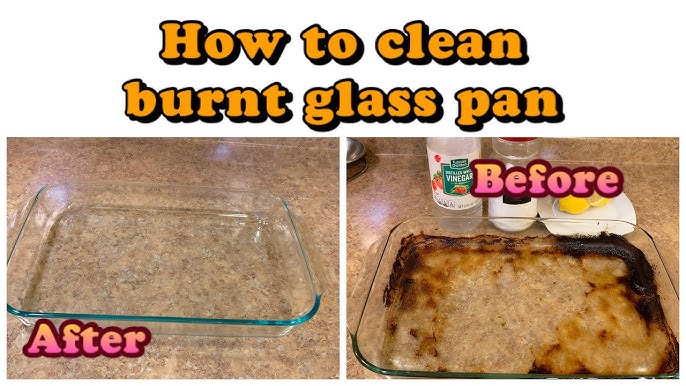
Removing burnt sugar from glass cookware requires patience and care. Follow a clear step-by-step cleaning process to restore your cookware. This method helps protect the glass and removes stubborn sugar stains safely.
Gather Your Cleaning Supplies
Start by collecting necessary items. You will need warm water, dish soap, white vinegar, baking soda, a soft sponge, and a plastic scraper. Avoid harsh tools that can scratch the glass.
Soak The Cookware In Warm Soapy Water
Fill the cookware with warm water and add a few drops of dish soap. Let it soak for at least 30 minutes. This softens the burnt sugar, making it easier to remove.
Use A Plastic Scraper To Remove Residue
Gently scrape off the softened sugar with a plastic scraper. Do not use metal scrapers to avoid damaging the glass surface. Be patient and work slowly.
Apply Baking Soda And Vinegar
Sprinkle baking soda over the burnt areas. Pour a small amount of white vinegar on top. The mixture will bubble and lift stubborn stains. Let it sit for 15 minutes.
Scrub With A Soft Sponge
Use a soft sponge to scrub the area gently. Focus on burnt spots, applying light pressure. The baking soda and vinegar help break down the sugar.
Rinse Thoroughly And Dry
Rinse the cookware with clean water to remove all cleaning residues. Dry with a soft cloth or towel. Your glass cookware should look clean and clear again.
Preventing Future Sugar Burns
Preventing sugar burns on glass cookware saves time and effort. It keeps your pots and pans clean and lasting longer. Taking simple steps helps avoid tough burnt sugar stains.
Careful cooking and cleaning habits protect your cookware. You can enjoy cooking sweets without worrying about tough stains.
Use Low To Medium Heat
Cook sugar slowly on low or medium heat. High heat causes sugar to burn quickly. This control keeps sugar from sticking and burning on glass.
Stir Sugar Constantly
Keep stirring sugar while it melts. This stops sugar from settling and burning on the glass surface. Stirring helps even heat distribution.
Choose The Right Cookware Size
Use a pan that fits the sugar amount. Too small pans cause sugar to pile up and burn. Proper size allows sugar to spread evenly.
Apply Non-stick Spray Or Oil
Lightly coat glass cookware with oil or spray. This layer prevents sugar from sticking and burning. It also makes cleaning easier after cooking.
Clean Immediately After Use
Wash glass cookware soon after cooking sugar. Warm water and gentle scrubbing remove sugar before it hardens. Quick cleaning stops tough burnt layers.

Credit: www.youtube.com
Frequently Asked Questions
How Do I Safely Remove Burnt Sugar From Glass Cookware?
Soak the cookware in hot, soapy water for 30 minutes. Use a non-abrasive sponge to gently scrub the burnt sugar. Avoid harsh scrubbing to prevent scratches on the glass surface. Repeat if necessary for stubborn stains.
Can Baking Soda Help Clean Burnt Sugar On Glass?
Yes, sprinkle baking soda over the burnt area. Add a little water to form a paste. Let it sit for 15 minutes, then scrub gently. Baking soda acts as a mild abrasive to remove burnt sugar safely.
What Household Items Remove Burnt Sugar From Glass Cookware?
Common items include vinegar, baking soda, and lemon juice. Soak the cookware with vinegar or lemon juice to soften burnt sugar. Use baking soda paste to scrub gently. These natural cleaners are effective and safe for glass.
Is It Safe To Use Steel Wool On Glass Cookware?
No, steel wool can scratch and damage glass cookware. Use a soft sponge or nylon scrubber instead. These tools clean effectively without harming the glass surface.
Conclusion
Removing burnt sugar from glass cookware takes patience and care. Use gentle scrubbing with baking soda or vinegar for best results. Avoid harsh tools that can scratch the glass surface. Regular cleaning prevents tough stains from building up. A little effort keeps your cookware looking clear and new.
Try these simple steps next time you face burnt sugar residue. Clean cookware means better cooking and longer use. Keep your kitchen tools ready for the next meal. Easy to clean, easy to love.

Hello, This is Annie Walker, a 38-year-old blogger, founder, and editor of Cookware Guider from NY, USA. I am a cookware fanatic and passionate cooker. I love to cook with different types of cooking appliances (example: all types of cookware, rice cookers, slow cookers, etc) almost every day in my kitchen. I love to share my experience with my readers in my blog. Also, I enjoy helping people to solve their problems through my website. You can follow me on Twitter & Pinterest. To know details about my blog please check the about us page.