
Have you ever wondered why food slides right off your non stick pan without sticking? Understanding how non stick cookware works can change the way you cook and clean.
When you know the science behind it, you’ll use your pans more effectively and make meals that taste better with less hassle. You’ll discover the secrets of non stick surfaces and learn how to get the most out of your cookware every time you step into the kitchen.
Keep reading, because mastering this simple knowledge will make your cooking experience smoother and more enjoyable.
Non Stick Coating Materials
Non stick cookware makes cooking and cleaning easier. This ease comes from special coatings on the cookware surface. These coatings prevent food from sticking. Different materials create these non stick layers. Each has unique features and benefits. Understanding these materials helps in choosing the right cookware.
Polytetrafluoroethylene (ptfe)
PTFE is a popular non stick coating. It is a synthetic polymer known for its slick surface. This slickness stops food from sticking. PTFE handles temperatures up to 260°C (500°F). It resists heat and chemicals well. Many traditional non stick pans use PTFE coatings. Care is needed to avoid scratching or overheating.
Ceramic Coatings
Ceramic coatings are made from silica-based materials. They form a hard and smooth layer on cookware. Ceramic is free from chemicals like PTFE and PFOA. It withstands high heat better than PTFE. This coating is also eco-friendly and safe. Ceramic pans offer good non stick performance. They need gentle cleaning to keep their surface.
Silicone-based Coatings
Silicone coatings provide a flexible non stick layer. They are heat resistant and food safe. Silicone coatings work well for bakeware and molds. They create a smooth surface that releases food easily. These coatings are less common on frying pans. Silicone adds durability and easy food release.

Credit: cen.acs.org
Surface Properties
Non-stick cookware works because of its unique surface properties. These properties stop food from sticking during cooking. The surface acts as a barrier between the pan and the food. This makes cooking and cleaning easier.
Low Surface Energy
Non-stick coatings have low surface energy. This means food does not stick easily. The surface repels food particles. It reduces the force that holds food to the pan. This helps food slide off smoothly.
Smoothness And Texture
The surface of non-stick cookware is very smooth. Few rough spots or pores exist. This smoothness stops food from catching on the pan. It also prevents food from burning and sticking. The texture makes cooking more comfortable and fast.
Hydrophobic Characteristics
Non-stick surfaces repel water. This trait is called hydrophobic. Water and oil do not cling to the surface. This keeps food from sticking and burning. It also helps clean the pan quickly after use.
Heat Distribution And Retention
Heat distribution and retention are key for non stick cookware. They affect how evenly food cooks. They also influence how long the pan stays hot after heating stops.
Good heat distribution stops hot spots. Hot spots can burn food in some areas. Cold spots leave other areas undercooked. Retention helps keep food warm without extra heat.
Role Of Base Materials
The base material controls heat flow in the pan. Aluminum is common because it heats quickly. It spreads heat evenly across the surface. Some pans use stainless steel for strength. Stainless steel alone does not spread heat well. Many pans combine aluminum and stainless steel.
Copper is another excellent heat conductor. It reacts fast to temperature changes. This helps cooks control heat precisely. Non stick coatings sit on top of these bases. The base material supports the coating and affects cooking.
Impact On Cooking Performance
Even heat means food cooks uniformly. This prevents burning and sticking in some spots. It also helps delicate foods cook gently. Heat retention lets food stay warm longer. It reduces the need to reheat food.
A pan that heats well saves energy. It cooks food faster with less fuel. Good cookware makes cooking easier and more enjoyable. It helps achieve better taste and texture in meals.
Chemical Interactions During Cooking
Chemical interactions during cooking play a key role in how non-stick cookware works. These interactions affect how food sticks or slides off the surface. Understanding them helps explain why non-stick pans make cooking easier and cleaning faster.
Food Adhesion Mechanisms
Food sticks to surfaces through tiny chemical bonds. These bonds form between food molecules and the pan’s surface. Non-stick coatings reduce these bonds by creating a smooth, low-energy surface. This surface stops food molecules from attaching tightly. The result is less sticking and easier flipping or stirring.
Effect Of Oils And Fats
Oils and fats create a thin layer between food and the pan. This layer acts like a barrier that further prevents sticking. In non-stick cookware, oils spread evenly, improving this effect. The oil heats quickly and helps cook food without bonding to the pan. Using the right amount of oil enhances the non-stick properties during cooking.
Durability And Wear
Durability and wear are key factors in choosing non stick cookware. These pans face daily use, heat, and cleaning. Their coating must hold up well over time. Understanding how they resist damage helps you get the best from your cookware.
Scratch Resistance
Non stick coatings vary in scratch resistance. Some use harder materials to protect the surface. Avoid metal utensils to keep the coating safe. Plastic or wooden tools help prevent scratches. Scratches reduce the non stick effect and shorten the pan’s life.
Heat Stability
Heat affects the coating’s durability a lot. High temperatures can break down non stick surfaces. Most pans work well under medium heat. Avoid very high heat to keep the coating intact. Proper heat use keeps cookware performing longer.
Maintenance Tips
Cleaning gently preserves the non stick layer. Use soft sponges and mild soap only. Avoid abrasive cleaners or steel wool. Store pans carefully to prevent damage. Following simple care steps extends cookware life and performance.
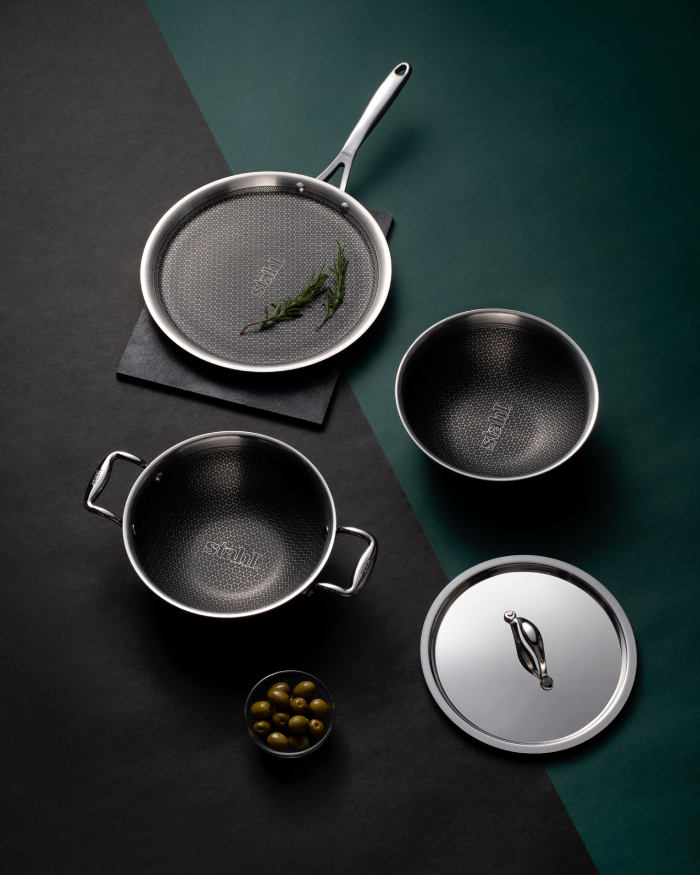
Credit: stahlkitchens.com
Health And Safety Factors
Understanding the health and safety factors of non stick cookware is important. This cookware offers convenience but also comes with concerns. Knowing how to use it safely can protect your health and extend the life of your pans.
Potential Risks Of Coating Degradation
Non stick coatings can break down over time. High heat can cause the surface to release harmful fumes. These fumes may cause flu-like symptoms in some people. Scratches on the coating can let food stick and burn. Damaged coatings might mix with food during cooking. Old or poor-quality pans can increase these risks.
Safe Usage Practices
Use low to medium heat to protect the coating. Avoid metal utensils that can scratch the surface. Use wooden or silicone tools instead. Hand wash with gentle sponges and mild soap. Avoid harsh scrubbing or dishwasher cleaning. Replace pans once the coating starts peeling or chipping. Proper use keeps cooking safe and the pan lasting longer.
Innovations In Non Stick Technology
Non stick cookware has evolved a lot over the years. New technology makes cooking easier and healthier. These changes improve how pans work and how safe they are for the environment. The latest non stick coatings last longer and resist scratches better. Cookware now offers better heat distribution too. These improvements help food cook evenly without sticking.
Eco-friendly Alternatives
Many new non stick coatings use natural materials. These coatings avoid harmful chemicals. Some use ceramic or silicon-based layers instead of traditional chemicals. They reduce pollution during production and use. Eco-friendly pans are safer for your kitchen and the planet. They also break down more easily after disposal. This helps reduce waste in landfills.
Enhanced Performance Features
New pans heat up faster and keep heat steady. This helps food cook evenly and saves energy. Some cookware uses multiple layers to improve strength. These layers prevent peeling and chipping of the non stick surface. Many pans are now dishwasher safe without losing their coating. These features make cooking simpler and cleanup quicker.
:max_bytes(150000):strip_icc()/__opt__aboutcom__coeus__resources__content_migration__serious_eats__seriouseats.com__2019__10__20191028-stop-using-nonstick-for-everything-vicky-wasik-skinjpg-1500x1125-ed4a54dd2765467983753ec25b405ccc.jpg)
Credit: www.seriouseats.com
Frequently Asked Questions
How Does Non Stick Coating Prevent Food From Sticking?
Non stick coatings create a smooth, low-friction surface. This reduces food adhesion during cooking. It allows easy food release and simple cleaning.
What Materials Are Used In Non Stick Cookware?
Non stick cookware typically uses PTFE or ceramic coatings. PTFE is popular for its slick surface. Ceramic is eco-friendly and heat resistant.
Can Non Stick Cookware Withstand High Heat?
Most non stick coatings work best under medium heat. High heat can damage the coating and reduce lifespan. Always follow manufacturer’s temperature guidelines.
Is Non Stick Cookware Safe For Daily Use?
Yes, when used properly, non stick cookware is safe. Avoid overheating and metal utensils to protect the coating. Replace cookware if coating peels.
Conclusion
Non-stick cookware works by using a special coating that stops food from sticking. This coating makes cooking and cleaning easier. It also helps use less oil or butter, making meals healthier. Taking care of non-stick pans is important to keep the coating safe.
Avoid using metal tools or very high heat. Understanding how non-stick cookware works helps you cook better and enjoy your meals more. Try these tips and see the difference in your kitchen today. Simple, practical, and helpful.

Hello, This is Annie Walker, a 38-year-old blogger, founder, and editor of Cookware Guider from NY, USA. I am a cookware fanatic and passionate cooker. I love to cook with different types of cooking appliances (example: all types of cookware, rice cookers, slow cookers, etc) almost every day in my kitchen. I love to share my experience with my readers in my blog. Also, I enjoy helping people to solve their problems through my website. You can follow me on Twitter & Pinterest. To know details about my blog please check the about us page.