
Have you ever faced the frustration of a burnt saucepan ruining your cooking experience? If your stainless steel pan looks blackened and stubborn stains just won’t budge, you’re not alone.
But don’t toss it out or buy a new one just yet. You can restore your saucepan to its shiny, clean self with a few simple tricks. Keep reading, and you’ll discover easy, effective ways to clean that burnt stainless steel saucepan—and bring back the joy of cooking with cookware that looks almost new.
Causes Of Burnt Residue
Burnt residue on a stainless steel saucepan happens from various causes. Understanding these causes helps prevent damage and keeps your cookware clean. Heat and cooking habits play big roles in residue buildup.
Common Cooking Mistakes
Leaving food unattended is a top cause of burnt pans. Stirring too little lets food stick and burn. Using the wrong oil or no oil can cause food to catch. Overcrowding the pan lowers heat and makes food cook unevenly. These mistakes lead to burnt layers that are hard to clean.
Effects Of High Heat
High heat causes food to burn quickly on stainless steel. It also damages the pan’s surface over time. Heat that is too strong makes sugars and proteins stick and carbonize. The burnt layer becomes tough and dark. Using medium or low heat helps avoid this issue.
Types Of Burnt Deposits
Burnt residue appears in different forms on pans. Food particles can turn into a sticky, brown layer. Oil and grease may leave a hard, black crust. Sometimes, mineral deposits from water form white stains. Knowing the type of residue helps choose the best cleaning method.
Credit: www.schieffer.com.br
Initial Cleaning Steps
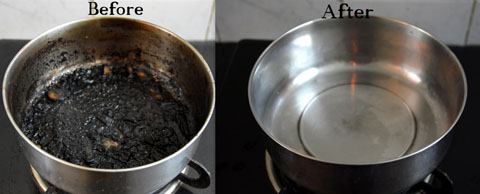
Cleaning a burnt stainless steel saucepan starts with simple steps. These first actions help remove loose burnt bits. They also prepare the pan for deeper cleaning. Follow these easy methods to make your saucepan look better fast.
Soaking Techniques
Fill the saucepan with warm water. Let it sit for at least 30 minutes. Soaking softens burnt food stuck on the surface. For tough stains, soak overnight. This helps loosen burnt layers without scrubbing hard.
Using Warm Soapy Water
Add dish soap to warm water in the pan. Use a sponge to clean the inside gently. Warm soapy water breaks down grease and food particles. Repeat the process if needed. This step makes scrubbing easier later.
Scraping Off Loose Residue
Use a plastic or wooden scraper. Gently remove burnt bits that come off easily. Avoid metal scrapers to protect the pan’s surface. Scraping helps clear the pan before deep cleaning. Work slowly to avoid scratching.
Natural Cleaning Methods
Natural cleaning methods are gentle and safe for stainless steel saucepans. They use simple household ingredients. These methods remove burnt stains without harsh chemicals. They also protect the pan’s surface and shine.
Try these easy and effective ways to clean burnt saucepans naturally. Each uses common items you likely have at home. They save money and reduce waste.
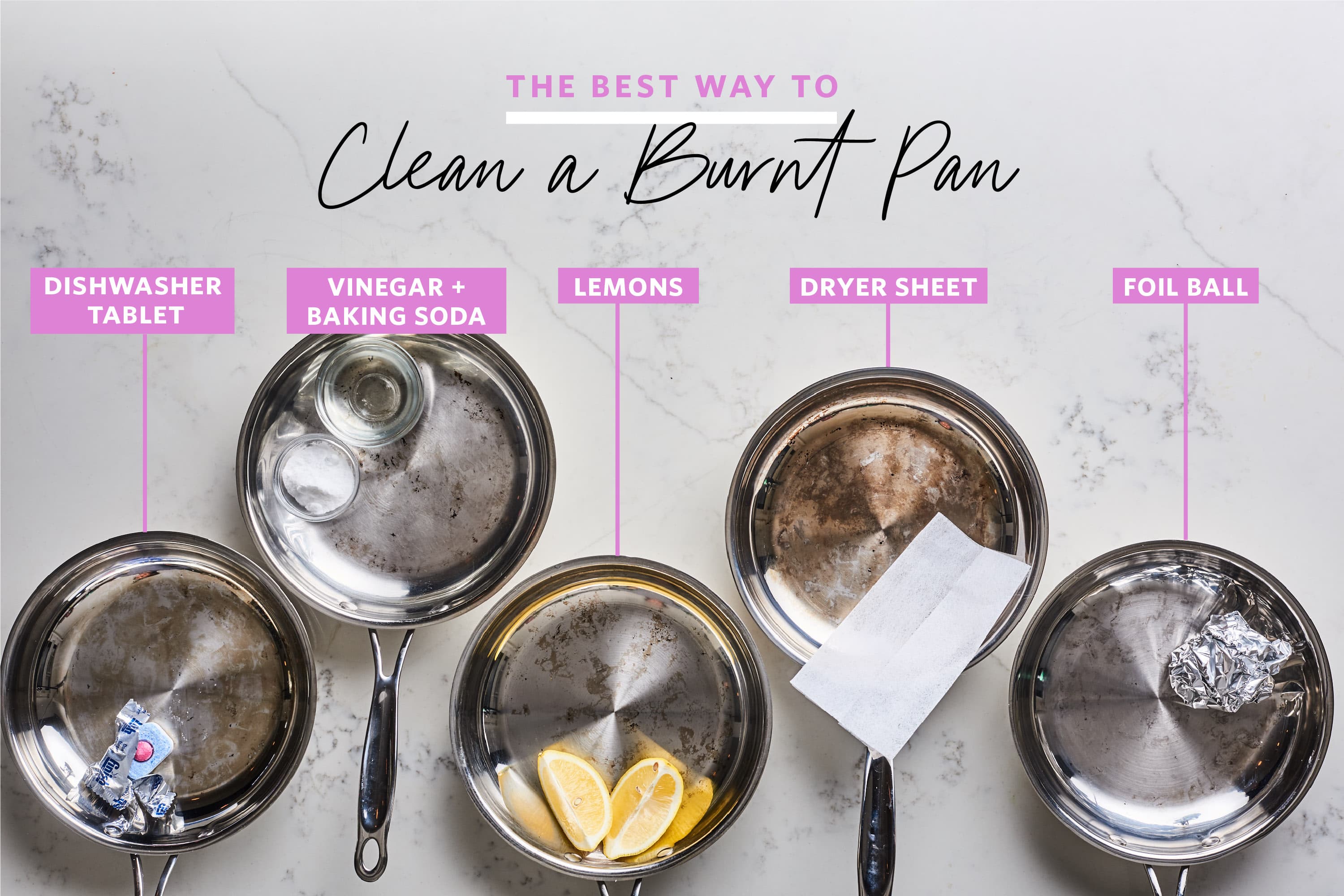
Baking Soda Paste
Baking soda is a mild abrasive that lifts burnt food. Make a paste by mixing baking soda with a little water. Spread the paste over the burnt areas. Let it sit for 15 to 20 minutes. Then scrub gently with a soft sponge or cloth. Rinse well with warm water. Repeat if needed.
Vinegar Soak
Vinegar helps dissolve burnt residue and stains. Pour white vinegar into the saucepan until it covers the burnt spots. Heat the pan on low for 5 minutes to loosen grime. Let the vinegar cool, then soak for 30 minutes. Use a sponge to scrub away loosened burnt bits. Rinse thoroughly to remove vinegar smell.
Lemon Juice Scrub
Lemon juice acts as a natural bleach and cleaner. Squeeze fresh lemon juice onto the burnt areas. Sprinkle some salt on top for extra scrubbing power. Rub gently with a soft cloth or sponge. The acid breaks down stains and leaves a fresh scent. Rinse the pan well with warm water after scrubbing.
Commercial Cleaners For Stainless Steel
Commercial cleaners for stainless steel are strong solutions designed to remove burnt stains and tough grime. These products help restore the shine and smooth surface of your saucepan. They save time and effort compared to home remedies.
Many commercial cleaners come with special formulas made for stainless steel cookware. They break down burnt food and discoloration without harming the metal. Choosing the right cleaner and using it properly ensures a clean and safe result.
Choosing The Right Cleaner
Select a cleaner made specifically for stainless steel. Avoid harsh chemicals like bleach or ammonia. Look for gentle abrasives or liquid cleaners labeled safe for cookware. Check the product description for stain and burn removal features. Read reviews to see how well the cleaner works on burnt saucepans.
Application Tips
Apply the cleaner on the burnt areas only. Use a soft cloth or sponge to spread it evenly. Let the cleaner sit for a few minutes to loosen burnt residue. Gently scrub in circular motions without pressing too hard. Rinse well with warm water and dry with a soft towel.
Safety Precautions
Wear gloves to protect your skin from chemicals. Work in a well-ventilated area to avoid inhaling fumes. Keep cleaners away from children and pets. Follow the product instructions carefully. Never mix different cleaners as they may cause harmful reactions.
Preventing Future Burnt Marks
Preventing burnt marks on a stainless steel saucepan saves time and effort. It also keeps your cookware looking new longer. Small changes in how you cook and care for your pans make a big difference.
Proper Heat Control
Use medium or low heat for cooking. High heat burns food and damages the pan surface. Heat the pan before adding oil or food. This helps cook food evenly and avoids sticking.
Regular Maintenance
Clean your saucepan after each use. Avoid letting food sit and burn on the surface. Use gentle scrubbers and mild soap. Regular cleaning stops burnt layers from building up over time.
Using Non-stick Liners
Non-stick liners protect the pan surface during cooking. They reduce direct contact with food and heat. Liners make cleaning easier by catching spills and preventing burnt food.
Credit: www.padhuskitchen.com
Restoring Shine To Stainless Steel
Restoring shine to a burnt stainless steel saucepan brings back its beauty and makes cooking more enjoyable. Burn marks and dull spots can make the pan look old and tired. Using simple methods, you can clean and polish the surface to restore its smooth shine. This section explains easy ways to bring your saucepan back to life.
Polishing Techniques
Start by washing the pan with warm soapy water. Use a soft cloth or sponge to avoid scratches. For tough stains, create a paste with baking soda and water. Rub the paste gently on the burnt areas in circular motions. Rinse thoroughly and dry with a clean towel. This helps remove discoloration and light marks, making the surface shine again.
Removing Water Spots
Water spots can make stainless steel look dull and uneven. To remove them, use white vinegar on a soft cloth. Wipe the saucepan gently with the vinegar. The acid in vinegar breaks down mineral deposits causing spots. Rinse with clean water and dry immediately. This quick step restores a clear, bright finish without harsh chemicals.
Using Olive Oil Or Specialized Products
After cleaning, applying a small amount of olive oil can boost shine. Put a few drops on a soft cloth and rub it over the saucepan’s surface. Olive oil adds a natural, glossy finish and protects against fingerprints. For stronger shine, use stainless steel polish products. Follow the instructions carefully for best results. These products enhance the pan’s look and keep it smooth longer.
Credit: www.youtube.com
Frequently Asked Questions
How Do I Remove Burnt Stains From Stainless Steel Pans?
Use a mixture of baking soda and water to form a paste. Apply it to the burnt area and scrub gently with a non-abrasive sponge. Rinse with warm water and dry thoroughly to restore shine.
Can Vinegar Help Clean Burnt Saucepans Effectively?
Yes, vinegar breaks down burnt residue and grease. Boil equal parts vinegar and water in the pan for 10 minutes. Let it cool, then scrub with a sponge and rinse well.
What Household Items Clean Burnt Stainless Steel Cookware?
Baking soda, vinegar, lemon juice, and salt are effective. They are non-toxic and gently remove burnt stains without damaging the pan’s surface. Use them in paste or liquid form for best results.
Is It Safe To Use Abrasive Scrubbers On Stainless Steel Pans?
No, abrasive scrubbers can scratch and damage the pan’s surface. Use soft sponges or nylon scrubbers instead. This protects the finish and extends your pan’s lifespan.
Conclusion
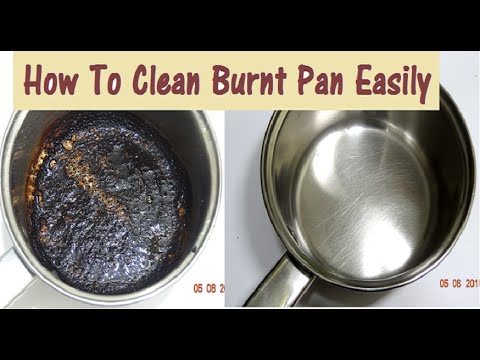
Cleaning a burnt stainless steel saucepan is easier than you think. Use gentle scrubbing with baking soda or vinegar. Avoid harsh chemicals to protect the pan’s surface. Regular care helps prevent tough stains next time. A clean saucepan means better cooking and longer use.
Try these simple steps and see the difference. Your kitchen will stay tidy, and your pans will look great again. Small efforts bring big results in keeping cookware spotless.

Hello, This is Annie Walker, a 38-year-old blogger, founder, and editor of Cookware Guider from NY, USA. I am a cookware fanatic and passionate cooker. I love to cook with different types of cooking appliances (example: all types of cookware, rice cookers, slow cookers, etc) almost every day in my kitchen. I love to share my experience with my readers in my blog. Also, I enjoy helping people to solve their problems through my website. You can follow me on Twitter & Pinterest. To know details about my blog please check the about us page.