
Are you wondering how long to pan fry salmon to get that perfect, golden crust and juicy inside? You’re not alone.
Cooking salmon just right can be tricky—too little time, and it’s raw; too long, and it’s dry. But don’t worry, this guide will help you master the timing so your salmon turns out delicious every time. Keep reading to discover simple tips and tricks that will make your next salmon dish a guaranteed hit.
Choosing The Right Salmon
Picking the right salmon is key to perfect pan frying. The type, freshness, and size of the fillet affect cooking time and taste. Good salmon cooks evenly and tastes fresh. Knowing what to choose saves time and improves your meal.
Types Of Salmon
There are several salmon types. Atlantic salmon is common and mild. King salmon is rich and fatty. Sockeye has a deep red color and strong flavor. Each type cooks a bit differently. Choose one that suits your taste and cooking style.
Fresh Vs Frozen
Fresh salmon has a bright color and firm texture. Frozen salmon can be just as good if thawed properly. Frozen fish may take a bit longer to cook. Always check the smell and feel to ensure freshness before cooking.
Fillet Thickness
Thicker fillets need more cooking time. Thin fillets cook quickly and can dry out fast. Measure the fillet at its thickest point. This helps decide how long to pan fry for perfect doneness.

Credit: healthyrecipesblogs.com
Preparing Salmon For Pan Frying
Preparing salmon for pan frying sets the stage for a tasty meal. Proper prep helps the fish cook evenly and taste fresh. Small steps before cooking make a big difference in flavor and texture.
Cleaning And Patting Dry
Start by rinsing the salmon under cold water. This removes any scales or debris. Use a paper towel to pat the fish dry. Dry salmon helps achieve a crispy, golden crust. Avoid soaking the fish; moisture prevents proper searing.
Seasoning Tips
Season the salmon simply with salt and pepper. Sprinkle evenly on both sides for balanced flavor. Add herbs like dill or parsley for freshness. Lemon zest can brighten the taste. Keep seasoning light to let salmon’s natural flavor shine.
Brining For Extra Moisture
Brining salmon keeps it juicy and tender during cooking. Mix water with salt and a little sugar. Soak the fish for 10-15 minutes. Rinse and pat dry before frying. Brining prevents dryness and enhances the salmon’s texture.
Selecting The Best Pan And Oil
Selecting the right pan and oil is key to pan frying salmon perfectly. The pan affects cooking speed and evenness. The oil impacts flavor and how the fish cooks. Choosing the best tools helps get a crispy outside and tender inside.
Different pans offer different benefits. The oil’s smoke point controls how hot you can cook without burning. Both matter for a delicious salmon meal.
Non-stick Vs Cast Iron
Non-stick pans prevent the salmon from sticking. They need less oil and clean easily. Heat spreads quickly but unevenly sometimes. Non-stick pans work well for quick cooking.
Cast iron pans hold heat very well. They give a nice crust on the fish. Cast iron heats evenly and keeps heat longer. These pans need some oil to prevent sticking. They are heavier and need care after use.
Oil Types And Smoke Points
Choose oils with high smoke points for frying salmon. Oils like canola, avocado, or grapeseed work well. They handle heat without burning or smoking.
Olive oil has a lower smoke point but adds flavor. Use it on medium heat to avoid burning. Butter adds taste but burns fast. Mix butter with oil for better heat tolerance.
:max_bytes(150000):strip_icc()/SEA-crispy-pan-seared-salmon-fillets-recipe-hero-6059f48d4f314978af13f94db470d0a4.jpg)
Credit: www.seriouseats.com
Ideal Pan Frying Temperature
Knowing the ideal pan frying temperature is key to cooking salmon perfectly. The right heat gives the fish a crispy outside and tender inside. Too low heat makes the salmon soggy. Too high heat burns the fish quickly. Finding the best temperature balances flavor and texture for a delicious meal.
Medium-high Heat Benefits
Medium-high heat is best for pan frying salmon. It cooks the fish fast without drying it out. This temperature helps form a golden crust on the skin. The inside stays juicy and soft. Salmon cooks evenly on medium-high heat, making it easier to control timing. The fish will not stick to the pan as much. It also seals in the natural oils and flavors.
Avoiding Overheating
Overheating the pan can burn the salmon skin and meat. It creates a bitter taste and tough texture. Watch the heat closely to prevent smoke or flames. Use a thermometer or test with a small piece of salmon. Lower the heat slightly if smoke appears. Keeping the temperature steady helps the salmon cook through without burning.
Timing For Perfectly Crispy Salmon
Timing is the key to making salmon perfectly crispy on the outside and tender inside. Too short, and the fish stays raw. Too long, and it becomes dry and tough. Pan frying salmon requires careful attention to cooking time to get that golden, crunchy skin.
Knowing the right timing depends on the thickness of your fillet and the heat of your pan. Watching the fish closely helps you catch the moment it’s done just right. Small details like when to flip the fish also affect how crispy and tasty it turns out.
Cooking Time By Fillet Thickness
Thin fillets (about 1/2 inch) cook fast, usually 2-3 minutes per side. Thicker pieces (1 inch or more) need 4-5 minutes on each side. Adjust time based on thickness to avoid overcooking. Medium heat works well to cook evenly without burning.
Signs Of Doneness
Look for crisp, golden skin before flipping. The flesh should turn opaque and easily flake with a fork. A slight jiggle in the middle means it’s still juicy. Avoid pressing the fish too hard or it might fall apart.
Flipping Techniques
Use a thin spatula to slide under the fillet gently. Flip once to keep the crust intact. Flip carefully and quickly for even cooking. Let the salmon cook undisturbed after flipping to develop crispiness.
Common Mistakes To Avoid
Cooking salmon in a pan is simple, but many make mistakes that affect taste and texture. Avoid these errors for a perfect, juicy fillet every time. Small changes improve your cooking and make salmon more enjoyable.
Overcrowding The Pan
Putting too many pieces in the pan lowers the temperature. Salmon steams instead of sears. This causes uneven cooking and soggy fish. Cook in batches if needed to keep heat high.
Moving Salmon Too Soon
Salmon sticks if you try to flip it too early. Wait until it releases easily from the pan. This usually takes 3 to 4 minutes on medium heat. Patience helps get a crispy crust.
Using Too Much Oil
Adding too much oil makes the salmon greasy. Use just enough to coat the pan. Too much oil also causes splatters and smoke. A thin layer keeps the fish light and tasty.
Serving And Pairing Suggestions
Serving pan-fried salmon at its best means knowing how to rest it properly and pair it with great flavors. Proper rest keeps the fish juicy and tender. Good sides and sauces bring out the salmon’s rich taste. These simple tips help create a balanced meal everyone will enjoy.
Resting Time
Let the salmon rest for 3 to 5 minutes after frying. This step allows juices to settle inside. Cutting into the fish too soon can cause the juices to leak out. Resting keeps the salmon moist and flavorful. Cover it loosely with foil to keep it warm.
Sauces And Sides
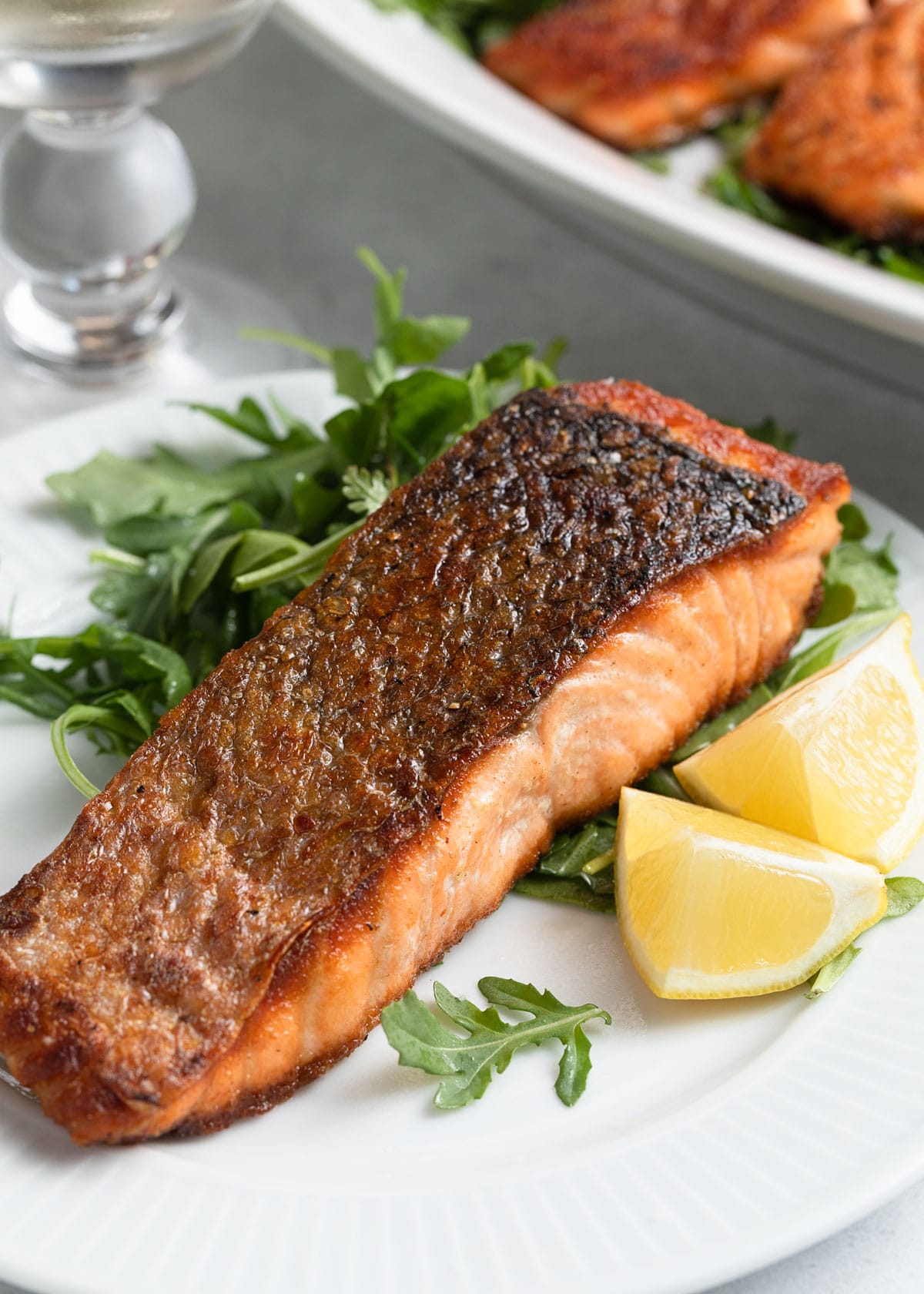
Serve salmon with light sauces like lemon butter or dill yogurt. These add freshness without overpowering the fish. Simple sides such as steamed vegetables or rice work well. Roasted potatoes or a crisp salad also complement the flavors. Keep sides easy and fresh to balance the rich salmon.
Credit: stripedspatula.com
Frequently Asked Questions
How Long Should I Pan Fry Salmon Fillets?
Pan fry salmon fillets for 4-5 minutes per side on medium heat. This ensures a crispy crust and tender inside. Adjust time for thickness; thicker fillets may need extra 1-2 minutes. Avoid overcooking to keep salmon moist and flavorful.
What Temperature Is Ideal For Pan Frying Salmon?
Medium to medium-high heat (around 375°F or 190°C) is ideal for pan frying salmon. This temperature creates a crispy exterior without burning. Cooking at too high heat risks drying out the salmon, while too low heat causes uneven cooking.
Should I Cook Salmon Skin-side Down First?
Yes, cook salmon skin-side down first for 4-5 minutes. This crisps the skin and helps hold the fillet together. Flip carefully and cook the flesh side for 3-4 minutes until salmon is opaque and flakes easily with a fork.
How Do I Know When Pan-fried Salmon Is Done?
Salmon is done when it flakes easily with a fork and is opaque inside. The internal temperature should reach 145°F (63°C). Avoid overcooking to maintain moist, tender texture. Cooking times vary by thickness and pan heat.
Conclusion
Pan frying salmon takes just a few minutes per side. Cook until the fish flakes easily with a fork. Avoid overcooking to keep it juicy and tender. Use medium heat for even cooking and a crispy skin. Experiment with different seasonings to suit your taste.
This simple method works well for quick, healthy meals. Enjoy fresh, delicious salmon any day of the week. Cooking salmon this way saves time and delivers great flavor. Try it soon and see how easy it is!

Hello, This is Annie Walker, a 38-year-old blogger, founder, and editor of Cookware Guider from NY, USA. I am a cookware fanatic and passionate cooker. I love to cook with different types of cooking appliances (example: all types of cookware, rice cookers, slow cookers, etc) almost every day in my kitchen. I love to share my experience with my readers in my blog. Also, I enjoy helping people to solve their problems through my website. You can follow me on Twitter & Pinterest. To know details about my blog please check the about us page.