
Have you ever stood in your kitchen, holding a frying pan, and wondered just how many ways you can use it? A frying pan isn’t just a simple cooking tool—it’s your secret weapon for making quick, tasty meals.
Whether you’re whipping up breakfast, sautéing veggies, or searing meat, knowing exactly what a frying pan is used for can transform your cooking game. Stick with me, and you’ll discover how this everyday kitchen essential can make your meals easier, faster, and more delicious than ever before.
Ready to unlock the full potential of your frying pan? Let’s dive in.

Credit: andreudental.com
Basics Of A Frying Pan
A frying pan is a kitchen tool used for cooking food on the stove. It helps cook meals quickly and evenly. Understanding its basics helps you pick the right pan for your needs. This section explains the types, materials, and sizes of frying pans.
Types Of Frying Pans
Frying pans come in different styles. Skillets have slightly curved sides for easy stirring. Sauté pans have taller, straight sides to hold more food. Griddle pans have a flat surface, perfect for pancakes or sandwiches. Each type suits different cooking tasks.
Materials And Coatings
Frying pans are made from various materials. Cast iron pans hold heat well and last long. Stainless steel pans are durable and good for browning. Non-stick pans prevent food from sticking, making cooking and cleaning easier. Some pans have ceramic or Teflon coatings for better release.
Choosing The Right Size
Frying pans come in many sizes, usually from 8 to 12 inches. Small pans cook small meals or single servings. Medium pans are good for most daily cooking. Large pans work well for families or big dishes. Pick a size that fits your stove and cooking needs.
Searing And Browning
Searing and browning are key cooking techniques used with a frying pan. They create a tasty crust on the food’s surface. This process locks in juices and adds texture. A good sear makes meats look and taste better. Browning also builds rich flavors for many dishes.
Cooking Meats
Searing meats in a frying pan gives them a brown, crispy crust. Heat the pan until very hot before adding meat. The high heat helps form a crust quickly. This crust keeps the meat juicy inside. It also gives the meat a nice color and texture. Searing works well for steaks, chicken breasts, and pork chops.
Enhancing Flavor With Browning
Browning food in a frying pan creates complex flavors. This happens through a natural chemical reaction called the Maillard reaction. It changes sugars and proteins into new tasty compounds. Browning vegetables or meats adds depth to the dish. A well-browned surface means richer, more intense taste. Use medium to high heat and avoid crowding the pan.
Sautéing Vegetables
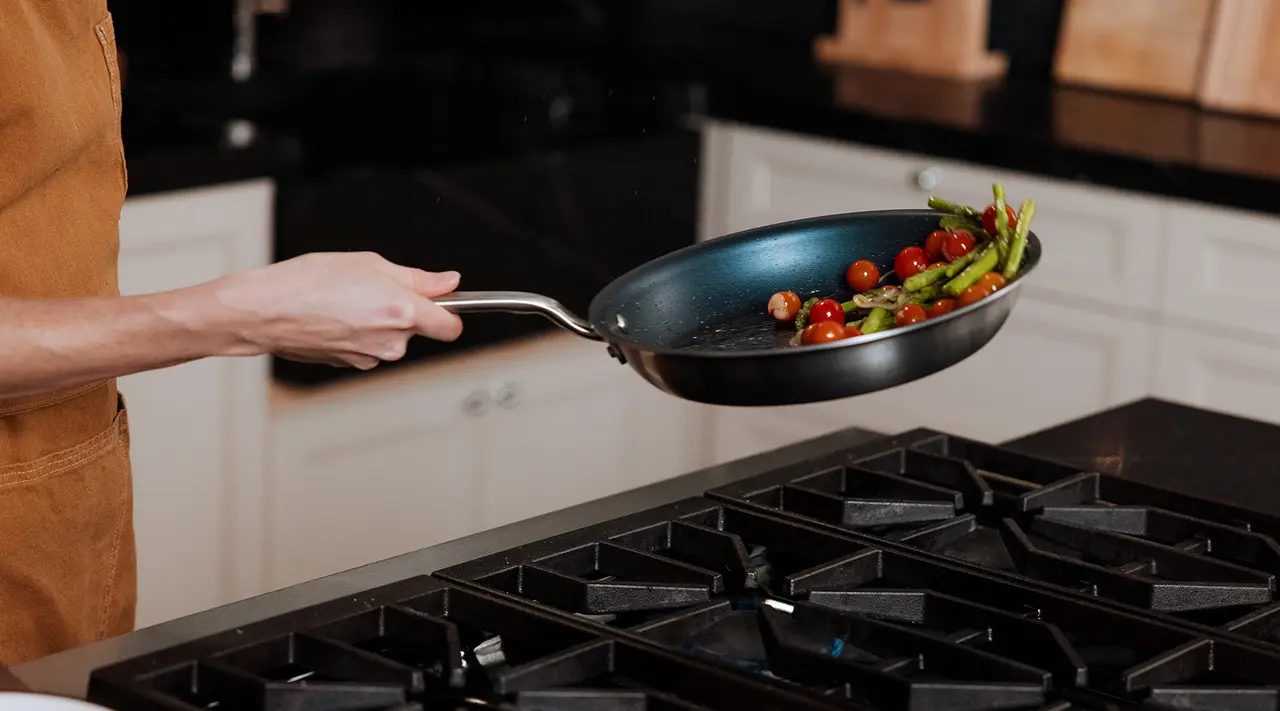
Sautéing vegetables is a popular way to cook them quickly and keep their flavor. This method uses a frying pan and a small amount of oil. It cooks vegetables fast over medium-high heat. The result is vegetables that are soft, yet still crisp and colorful.
Sautéing helps vegetables keep their nutrients and fresh taste. You can prepare many types of vegetables this way. Peppers, onions, mushrooms, and zucchini work very well. The key is to cook them evenly and not burn them.
Techniques For Even Cooking
Cut vegetables into similar sizes to cook them evenly. Stir them often to prevent burning and sticking. Use a wide frying pan to spread vegetables in one layer. Avoid crowding the pan. Cook in batches if needed. Heat the pan before adding oil and vegetables. This helps to cook them quickly and evenly.
Best Oils For Sautéing
Choose oils with a high smoke point for sautéing. Olive oil and avocado oil work well. They handle heat without burning. Canola oil and sunflower oil are good options too. Avoid using butter alone because it burns fast. You can mix butter with oil for better flavor and heat control.
Pan-frying Foods
Pan-frying is a popular cooking method that uses a frying pan and a small amount of oil. It cooks food quickly and creates a crispy outside. This method works well for meats, vegetables, and coated foods. The key is even heat and the right oil amount. Let’s explore how to prepare crispy coatings and control oil temperature for perfect pan-frying results.
Preparing Crispy Coatings
Crispy coatings add great texture and flavor. Common coatings include flour, breadcrumbs, and batter. Start by drying food to help coatings stick better. Dip food in flour first, then in beaten eggs. Finally, cover it with breadcrumbs or crushed crackers. Press gently to make sure coating sticks well. This creates a crunchy, golden crust when fried.
Controlling Oil Temperature
Oil temperature is very important for pan-frying. Too hot, and the coating burns before food cooks inside. Too cold, and food absorbs oil, becoming greasy. Use medium heat and add oil to the pan. Test temperature by dropping a small piece of coating in the oil. It should sizzle gently but not smoke. Adjust heat to keep oil steady for best frying results.
Making Omelets And Eggs
Frying pans are perfect for making omelets and eggs. They cook eggs evenly and quickly. You can prepare simple scrambled eggs or fluffy omelets with your favorite fillings. The right pan helps avoid sticking and burning. It also makes flipping and folding eggs easy. Many cooks prefer frying pans for breakfast dishes because of their convenience.
Nonstick Advantages
Nonstick frying pans make cooking eggs easier. Eggs slide off the surface without sticking. This means less oil or butter is needed. Cleaning becomes faster and simpler too. Nonstick pans help keep eggs whole and smooth. They reduce the chance of burnt or torn omelets. This type of pan is great for beginners and busy cooks.
Tips For Fluffy Eggs
Use fresh eggs for the best texture. Beat eggs well to add air. Cook on medium-low heat to avoid toughness. Stir gently and slowly for fluffiness. Cover the pan for even cooking. Remove eggs from heat just before done. Let them rest a moment before serving. These tips help create soft, light eggs every time.
Simmering And Reducing Sauces
Simmering and reducing sauces is a key use of a frying pan. This cooking method helps develop deep flavors and thickens sauces naturally. The pan’s flat surface spreads heat evenly, making it ideal for these tasks.
Simmering means cooking liquids gently below boiling point. Reducing means letting the liquid evaporate to concentrate taste and texture. A frying pan gives you control over heat and space for stirring.
Using The Pan For Sauces
Pour your sauce ingredients into the frying pan. Use medium-low heat to keep the sauce at a gentle simmer. Stir often to stop the sauce from sticking. The pan’s wide base helps the sauce reduce faster by spreading it thinly.
This process thickens the sauce and enhances flavors. You can simmer tomato, cream, or wine-based sauces easily. The pan also allows quick adjustments if the sauce needs more heat.
Avoiding Burning
Burning can ruin a sauce and the pan. Keep the heat low or medium-low to avoid hot spots. Stir regularly to stop sauce from settling and burning. Use a wooden spoon to scrape the bottom gently.
If the sauce starts to stick, lower the heat immediately. Adding a little water or broth helps loosen the sauce. The frying pan’s non-stick surface can also reduce the risk of burning.
Toasting And Roasting
Toasting and roasting in a frying pan bring out deep flavors in many ingredients. This process uses dry heat to change the taste and texture. It is quick and does not need an oven.
A frying pan gives you control over heat and time. You can watch the food closely and stir it often. This helps prevent burning and creates a rich, nutty flavor.
Nuts And Spices
Toasting nuts and spices in a frying pan enhances their aroma and taste. The heat makes oils inside the nuts and spices release. This adds a fresh and strong flavor to your dishes.
Place nuts or spices in a dry pan over medium heat. Stir them frequently to cook evenly. Remove them once they turn golden brown and smell fragrant.
Small Batch Roasting
Small batch roasting works well in a frying pan. It is ideal for roasting coffee beans, seeds, or small vegetables. The pan heats quickly and spreads heat evenly.
Keep stirring to avoid burning and to roast all pieces uniformly. Use medium heat and watch for color and smell changes. This method saves time and energy compared to using an oven.

Credit: www.recipetips.com
Cleaning And Maintenance Tips
Keeping your frying pan clean is key to great cooking. Good care helps the pan stay safe and work well. It also keeps food tasting fresh. Here are some easy tips to clean and care for your pan.
Extending Pan Lifespan
Wash the pan soon after use. Use warm water and mild soap. Avoid harsh scrubbing pads that can scratch the surface. Dry the pan completely to stop rust. Store it in a dry place. Do not stack heavy items on top of your pan.
Use wooden or silicone utensils to keep the pan’s coating safe. Avoid metal tools that can damage the surface. Regular cleaning and careful use keep the pan working longer.
Handling Different Materials
Each pan material needs special care. Non-stick pans should never be heated empty. Use soft sponges and gentle soap. Cast iron pans need to be dried and oiled after washing. This stops rust and keeps the surface smooth.
Stainless steel pans can handle scrubbing but avoid steel wool. Aluminum pans need gentle cleaning to avoid dents. Follow these tips to keep each pan type in top shape.
Credit: madeincookware.com
Frequently Asked Questions
What Is A Frying Pan Mainly Used For?
A frying pan is mainly used for frying, searing, and browning foods. It is ideal for cooking eggs, vegetables, meat, and pancakes. Its flat surface and low sides make it easy to flip and stir ingredients.
Can You Use A Frying Pan For Baking?
Yes, you can use a frying pan for baking certain dishes. Cast iron frying pans are especially good for baking items like cornbread or frittatas. Just ensure your pan is oven-safe and use appropriate heat settings.
How Do Frying Pans Differ From Saucepans?
Frying pans have a flat base and low sides, perfect for frying and sautéing. Saucepans have taller, straight sides to contain liquids and are used for boiling or simmering. Each type suits different cooking methods.
What Materials Are Frying Pans Made Of?
Frying pans are commonly made from stainless steel, cast iron, aluminum, and non-stick coatings. Each material affects heat conduction, durability, and maintenance. Choose based on your cooking style and care preferences.
Conclusion
A frying pan is a useful tool in every kitchen. It cooks food quickly and evenly. You can fry eggs, vegetables, meat, and more. Its flat surface makes it easy to cook many dishes. Choosing the right pan helps make cooking simple and fun.
Keep it clean and dry for long use. Everyone can enjoy cooking with a good frying pan. Simple, easy, and practical — a kitchen must-have.

Hello, This is Annie Walker, a 38-year-old blogger, founder, and editor of Cookware Guider from NY, USA. I am a cookware fanatic and passionate cooker. I love to cook with different types of cooking appliances (example: all types of cookware, rice cookers, slow cookers, etc) almost every day in my kitchen. I love to share my experience with my readers in my blog. Also, I enjoy helping people to solve their problems through my website. You can follow me on Twitter & Pinterest. To know details about my blog please check the about us page.