
Are you trying to choose between an induction cooktop and an electric stove but feel confused by all the technical details? You’re not alone.
Understanding how these two cooking options work can make a big difference in your kitchen experience. Knowing the key differences will help you cook faster, save energy, and keep your kitchen safer. Keep reading, and you’ll discover which option fits your lifestyle and cooking style perfectly.
By the end, you’ll be ready to make a smart choice that feels just right for you.

Credit: www.fixr.com
How Induction Cooktops Work
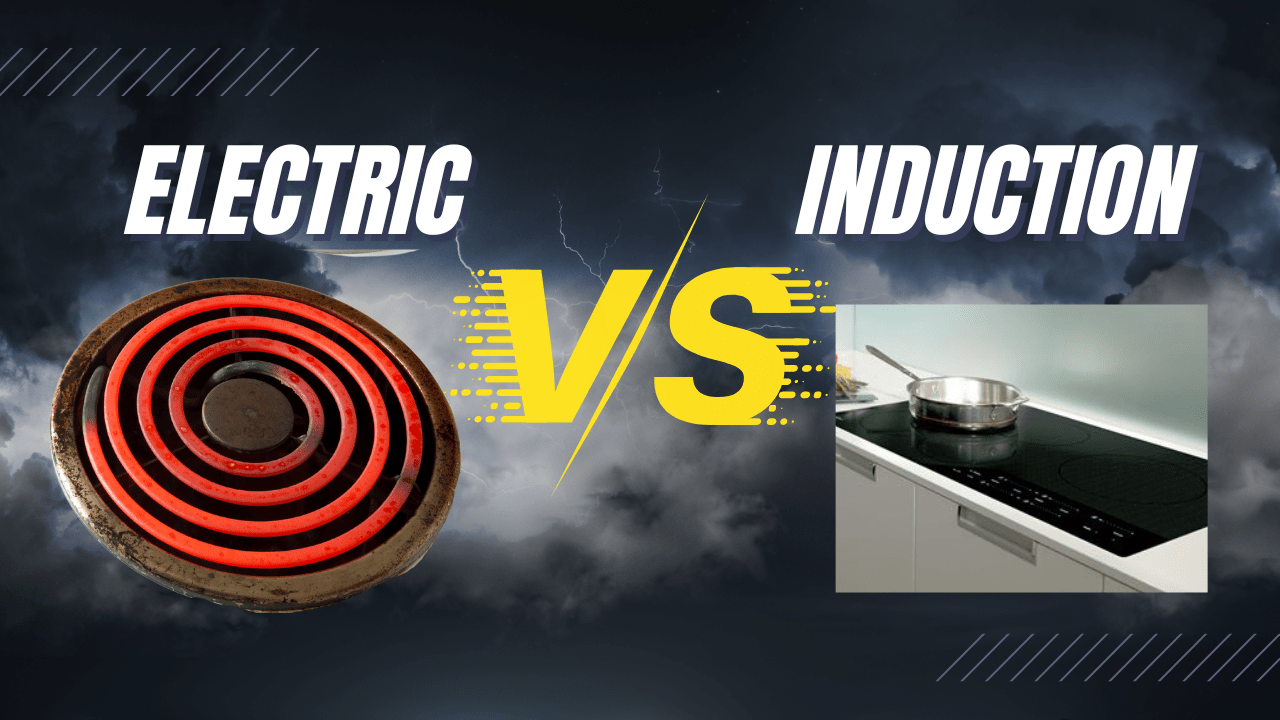
Induction cooktops use a unique method to heat food quickly and efficiently. Unlike traditional electric cooktops, they do not heat the surface directly. Instead, they use magnetic energy to warm the cookware itself. This method saves time and energy while keeping the cooking surface cool.
Magnetic Heating Technology
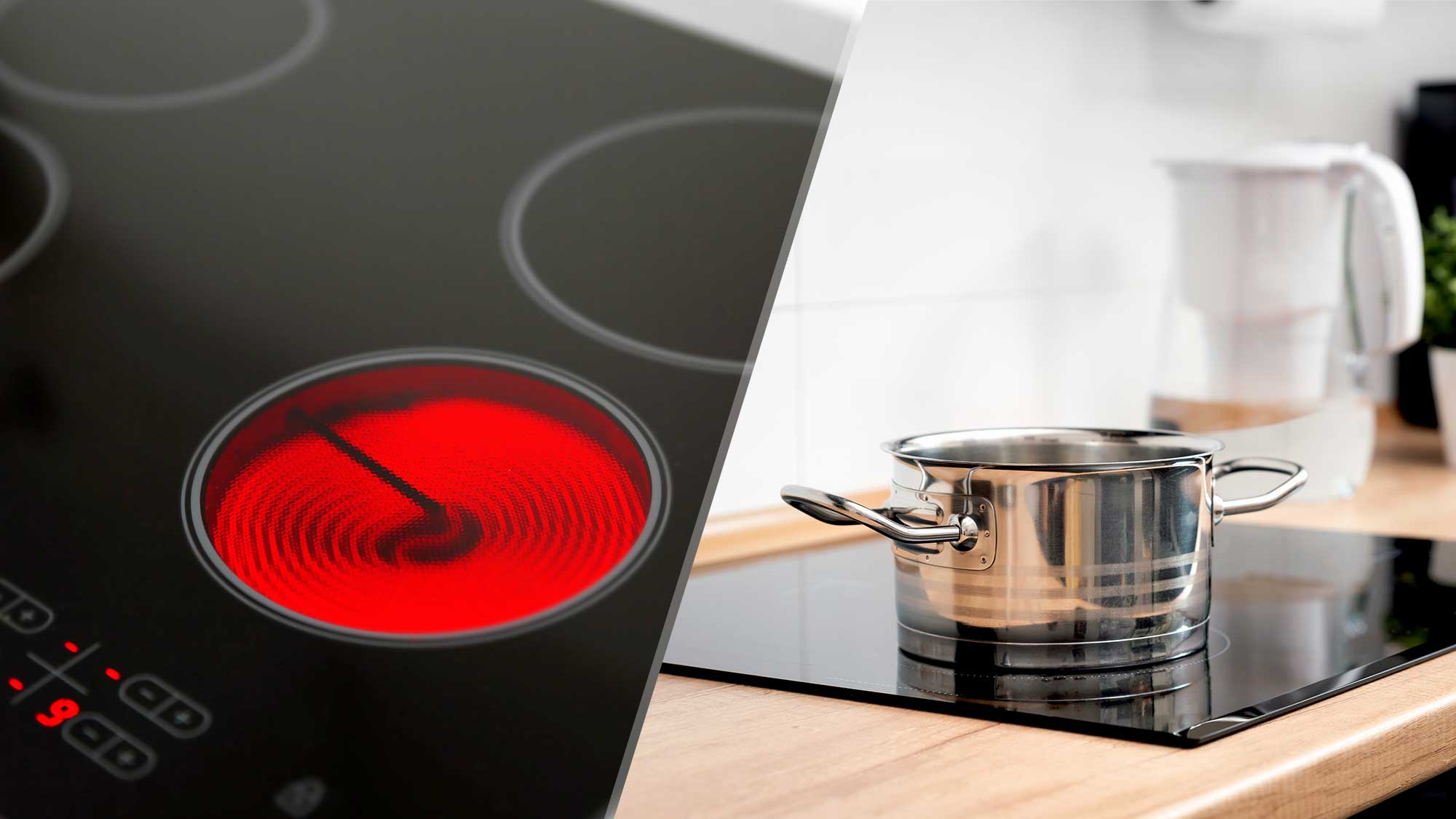
Induction cooktops use an electric coil under the cooking surface. This coil creates a magnetic field when turned on. The magnetic field passes through the cooktop surface to the pot or pan. It causes the metal in the cookware to heat up. The heat then cooks the food inside the pot. This process is fast and focused only on the cookware.
Cookware Compatibility
Not all pots and pans work with induction cooktops. The cookware must be made of magnetic materials like cast iron or some stainless steel. Non-magnetic materials like aluminum or glass will not heat up. You can test a pot by placing a magnet on the bottom. If the magnet sticks well, the cookware is compatible. Using the right cookware ensures efficient and safe cooking on induction cooktops.
How Electric Cooktops Work
Electric cooktops are common in many kitchens. They use electricity to heat your pots and pans. The process is simple yet effective. Understanding how electric cooktops work helps you choose the right one for your needs.
Resistive Heating Elements
Electric cooktops use resistive heating elements. These elements are coils or flat plates under the glass surface. When electricity flows through them, they heat up. The heat transfers directly to the cookware placed on top. This method heats the food by warming the pot or pan first.
The elements can get very hot and take a few moments to cool down. This is important to remember for safety. The heat is steady and even, which helps with cooking.
Cookware Flexibility
Electric cooktops work with many types of cookware. You can use pots and pans made of stainless steel, cast iron, aluminum, or copper. The cooktop does not need special cookware to work.
This flexibility is convenient. You do not have to buy new pots if you already have some. The cooktop heats the cookware itself, so it does not depend on the material as much.
Energy Efficiency Comparison
Induction cooktops heat pots directly using magnets, making them faster and more efficient. Electric cooktops warm the surface first, losing some energy during the process. This difference affects cooking speed and electricity use.
Energy use is a key factor when choosing a cooktop. It affects electricity bills and environmental impact. Induction cooktops and electric cooktops work differently. This leads to differences in how efficiently they use energy.
How Induction Cooktops Save Energy
Induction cooktops use magnetic fields to heat pots directly. This method wastes less heat. Most energy goes straight to cooking food. The surface stays cooler, so less energy is lost.
Induction cooktops can heat food faster. Faster cooking means less energy used overall. They also adjust heat quickly, avoiding extra power use.
Energy Use In Electric Cooktops
Electric cooktops heat a coil or element under the surface. Heat transfers to the pot through the cooktop surface. Some energy escapes into the air during this process.
Electric cooktops take longer to heat and cool down. This can cause more energy use. They also keep heating the surface even if the pot is not hot enough.
Which One Uses Less Electricity?
Induction cooktops usually use 20-30% less energy than electric cooktops. This means lower electricity bills over time. Less wasted heat helps save power and money.
Electric cooktops waste energy through heat loss. Induction cooktops focus energy on the pot. This makes induction the more energy-efficient choice.
Heating Speed And Temperature Control
Heating speed and temperature control are key factors in choosing a cooktop. They affect cooking time and how well you can manage your food’s heat. Both induction and electric cooktops use electricity but differ in how they heat and control temperature.
Heating Speed Of Induction Cooktops
Induction cooktops heat pots very fast. They use magnetic fields to create heat directly in the cookware. This method wastes little energy and heats almost instantly. You can boil water in minutes or even seconds. It saves time in the kitchen and offers quick response.
Heating Speed Of Electric Cooktops
Electric cooktops use heating coils beneath the surface. These coils get hot and transfer heat to the pan. The heating process takes longer than induction. The surface heats slowly, so it takes time to reach high temperatures. This can mean longer cooking times.
Temperature Control On Induction Cooktops
Induction cooktops provide precise temperature control. You can adjust heat instantly with a simple dial or touch control. The cooktop reacts quickly to changes, allowing better cooking accuracy. It helps prevent food from burning or overcooking.
Temperature Control On Electric Cooktops
Electric cooktops respond slower to temperature changes. After adjusting heat, the surface needs time to cool or warm. This delay makes it harder to control cooking temperature exactly. It may cause uneven cooking or overheating sometimes.
Safety Features
Safety is a key factor when choosing between an induction cooktop and an electric one. Both have features aimed at keeping your kitchen safe. Understanding these can help you make a better choice for your home.
Induction Safety Benefits
Induction cooktops use magnetic energy to heat pots directly. This means the cooktop surface stays cool. It lowers the risk of burns and fires.
They also stop heating if there is no pot on the burner. This prevents accidental burns or wasted energy. The cooktop turns off automatically if the pot boils dry. This adds extra protection against accidents.
Induction cooktops do not use open flames or hot coils. This reduces the chance of sparks or gas leaks. The surface cools quickly after cooking. It helps keep kids and pets safe.
Electric Cooktop Risks
Electric cooktops use heating coils beneath the glass surface. These coils get very hot and stay hot after use. The surface can cause burns if touched too soon.
There is a higher chance of fire if flammable items touch the hot surface. Electric cooktops do not sense if a pot is present. They continue to heat even if the pot is removed.
Some models may have safety timers, but they are less common. Care is needed to avoid accidental burns and fires. The surface takes longer to cool down, increasing risk after cooking.
Cost And Installation
Cost and installation are key factors to consider before choosing between an induction cooktop and an electric cooktop. These elements affect your budget and the ease of setting up your kitchen. Understanding the differences helps you plan better and avoid surprises.
Initial Investment
Induction cooktops usually cost more than electric ones. The technology inside induction models is more advanced. This drives up the price. Electric cooktops are simpler and cheaper to buy. The price gap can be significant for some buyers.
Installation costs also differ. Induction cooktops may need special wiring. This can increase installation expenses. Electric cooktops often fit into existing setups easily. This makes their installation faster and less costly.
Maintenance Expenses
Induction cooktops require less maintenance over time. Their smooth surface is easy to clean. The technology is sealed, so parts last longer. This reduces repair costs. Electric cooktops have heating coils that may wear out. Replacing these parts can add to expenses.
Both types need proper care to avoid damage. But induction models generally save money on maintenance. This can balance out their higher initial price.
Cleaning And Maintenance Tips
Cleaning and maintaining your cooktop keeps it working well and looking new. Both induction and electric cooktops need care, but the methods differ. Proper cleaning stops damage and helps your cooktop last longer.
Cleaning An Induction Cooktop
Use a soft cloth or sponge with mild soap. Avoid abrasive pads that can scratch the surface. Wipe spills immediately to stop stains. For tough spots, use a special glass cooktop cleaner. Never use harsh chemicals or steel wool.
Cleaning An Electric Cooktop
Wait for the cooktop to cool before cleaning. Remove burner coils carefully if possible. Wipe the surface with warm soapy water and a soft cloth. Use a scraper for burnt food, but gently. Avoid soaking the electrical parts in water.
Maintenance Tips For Both Cooktops
Check the power cords and plugs regularly. Keep the surface dry and clean after each use. Avoid dropping heavy items on the cooktop. Use cookware with flat bottoms for better heat contact. Follow the manufacturer’s instructions for best care.
Credit: sawhorse.net
Common Myths And Misconceptions
Many people have wrong ideas about induction cooktops and electric cooktops. These myths can confuse buyers. Clearing these up helps you make better choices.
Myth: Induction Cooktops Are Unsafe
Some think induction cooktops cause burns or shocks easily. Actually, induction cooktops stay cool except under the pot. This lowers burn risks. They also turn off quickly if no pot is present.
Myth: Electric Cooktops Heat Slower Than Induction
Electric cooktops can be slow but some models heat fast. Induction is generally quicker because it heats the pot directly. Still, electric cooktops work well for many cooking tasks.
Myth: Induction Cooktops Work With Any Cookware
Induction needs pots made of magnetic metal. Glass, copper, and aluminum pots won’t work. Electric cooktops work with all types of cookware. Knowing this avoids frustration.
Myth: Electric Cooktops Waste More Energy
Electric cooktops use electricity to heat coils, then the pot. Induction sends energy straight to the pot. Induction is often more efficient, but electric cooktops still perform well.
Choosing The Right Cooktop For Your Kitchen
Choosing the right cooktop for your kitchen is key to cooking with ease and comfort. The choice affects how fast you cook, how much energy you use, and how your kitchen looks. Both induction and electric cooktops have strengths. Knowing what fits your lifestyle and kitchen space helps you decide.
Lifestyle Considerations
Think about your cooking habits first. Induction cooktops heat food quickly and cool down fast. This suits people who cook often and want speed. They need special cookware made of magnetic material. Electric cooktops work with any cookware but take longer to heat. They are good for slow cooking or when you want steady heat.
Safety matters too. Induction cooktops stay cooler around pots, lowering burn risks. Electric cooktops can stay hot even after turning off, so be careful. If you have children, induction can be safer. Also, consider your budget. Induction models cost more upfront but save energy. Electric cooktops are cheaper but may use more power over time.
Kitchen Design Impact
Cooktop choice changes your kitchen’s look and layout. Induction cooktops often have smooth, flat surfaces. They blend well with modern kitchens. Electric cooktops can be coil or smooth glass. Smooth glass tops look sleek but may scratch easily. Coil tops have a classic look but are harder to clean.
Space matters too. Induction cooktops are usually thinner and lighter. This allows for more countertop space. Electric cooktops can be bulkier. Think about your kitchen size and style. Matching your cooktop to the kitchen’s design makes cooking more enjoyable.
Credit: www.tomsguide.com
Frequently Asked Questions
What Is The Main Difference Between Induction And Electric Cooktops?
Induction cooktops use magnetic fields to heat cookware directly. Electric cooktops heat the surface, then transfer heat to the pot. This makes induction faster and more energy-efficient than traditional electric cooktops.
Are Induction Cooktops More Energy-efficient Than Electric Ones?
Yes, induction cooktops are more energy-efficient. They heat cookware directly, reducing heat loss. Electric cooktops waste energy by heating the cooktop surface first, making induction better for saving electricity.
Can All Cookware Be Used On Induction Cooktops?
No, only magnetic cookware works on induction cooktops. Cast iron and stainless steel are suitable. Electric cooktops can use any type of cookware, including glass and aluminum.
Which Cooktop Type Is Safer For Home Use?
Induction cooktops are safer because they heat only the cookware, not the surface. The cooktop stays cooler, reducing burn risks. Electric cooktops heat the entire surface, increasing the chance of accidental burns.
Conclusion
Choosing between an induction cooktop and an electric one depends on your needs. Induction heats faster and uses less energy. Electric cooktops are usually cheaper and work with all cookware. Both have their own benefits and limits. Think about your cooking style and budget.
This helps you pick the best option for your kitchen. Cooking becomes easier with the right cooktop. Simple and smart choices lead to better meals.

Hello, This is Annie Walker, a 38-year-old blogger, founder, and editor of Cookware Guider from NY, USA. I am a cookware fanatic and passionate cooker. I love to cook with different types of cooking appliances (example: all types of cookware, rice cookers, slow cookers, etc) almost every day in my kitchen. I love to share my experience with my readers in my blog. Also, I enjoy helping people to solve their problems through my website. You can follow me on Twitter & Pinterest. To know details about my blog please check the about us page.