
Are you thinking about upgrading your kitchen but feel confused by all the cooktop options? If you’ve come across ceramic and induction cooktops, you might be wondering—are they the same thing?
Understanding the key differences can save you time, money, and frustration. This article will clear up the confusion, so you can choose the perfect cooktop for your cooking style and needs. Keep reading to discover what makes each one unique and find out which one suits your kitchen best.
Ceramic Cooktop Basics
Ceramic cooktops are common in many kitchens. They offer a sleek, flat surface that looks modern and is easy to clean. Many people confuse ceramic cooktops with induction cooktops, but they work quite differently. Understanding ceramic cooktop basics helps you choose the right stove for your cooking needs.
This section explains how ceramic cooktops work and highlights their common features.
How Ceramic Cooktops Work
Ceramic cooktops use electric heating elements under a smooth glass surface. The elements heat up and transfer heat through the ceramic glass to the cookware. The glass stays warm but does not get as hot as the element below it. Cookware heats up because of the heat passing through the glass.
The heat spreads evenly, allowing steady cooking. Ceramic cooktops work with any type of pot or pan. They do not need special magnetic cookware like induction cooktops do.
Common Features Of Ceramic Cooktops
Ceramic cooktops have a flat, easy-to-clean surface. Most have touch controls for easy temperature changes. They often include safety features like automatic shut-off and residual heat indicators.
Many models come with multiple heating zones of different sizes. This lets you use small or large pots comfortably. Ceramic cooktops heat up fast but cool down slower than induction cooktops.
Induction Cooktop Essentials
Induction cooktops have become popular in many kitchens. They offer a different way to cook compared to traditional stoves. Understanding how they work helps you see their benefits clearly. This section covers the basics of induction cooktops.
Knowing their key features also helps you decide if they fit your cooking style. Let’s explore what makes induction cooktops special and how they operate.
How Induction Cooktops Work
Induction cooktops use magnetic fields to heat pots and pans. The cooktop itself stays cool. Only the cookware gets hot. This method heats food quickly and saves energy.
The cooktop has coils under a glass surface. When turned on, these coils create a magnetic field. The field causes the metal in the cookware to heat up. This direct heating makes cooking faster and safer.
Key Features Of Induction Cooktops
Induction cooktops offer precise temperature control. You can change heat levels instantly. This helps cook food evenly and prevents burning.
They also have safety features. The cooktop turns off if no pan is detected. The surface cools down quickly after use. Cleaning is easy because spills don’t burn onto the surface.
Energy efficiency is another benefit. Induction cooktops use less power than gas or electric stoves. This can lower your electricity bills over time.
Surface Material Differences
The surface material of a cooktop affects how it heats and how it looks. Ceramic and induction cooktops have different surfaces. These differences matter for cooking style and care. Understanding these materials helps choose the right cooktop.
Glass-ceramic Vs. Induction Coil
Ceramic cooktops use a smooth glass-ceramic surface. Heat passes through this surface to warm the pan. The cooktop itself gets hot during cooking. Induction cooktops also have a glass-ceramic surface. Underneath, they have induction coils. These coils create a magnetic field that heats only the pan. The surface stays cooler than ceramic cooktops.
Durability And Maintenance
Glass-ceramic surfaces are strong but can scratch. Sharp objects or rough cookware can damage them. Cleaning requires gentle tools and non-abrasive cleaners. Induction cooktops share the same glass-ceramic surface. They are easier to clean since spills do not burn on. Both surfaces need careful cleaning to avoid damage. Regular wiping keeps them shining and safe.

Credit: karinearappliances.com
Heating Methods Compared
Heating methods in ceramic and induction cooktops differ greatly. Understanding these differences helps you choose the right stove for your kitchen. Each method affects cooking speed, energy use, and safety.
Both types look similar with smooth glass surfaces. But the way they heat food is not the same.
Radiant Heat Vs. Electromagnetic Heat
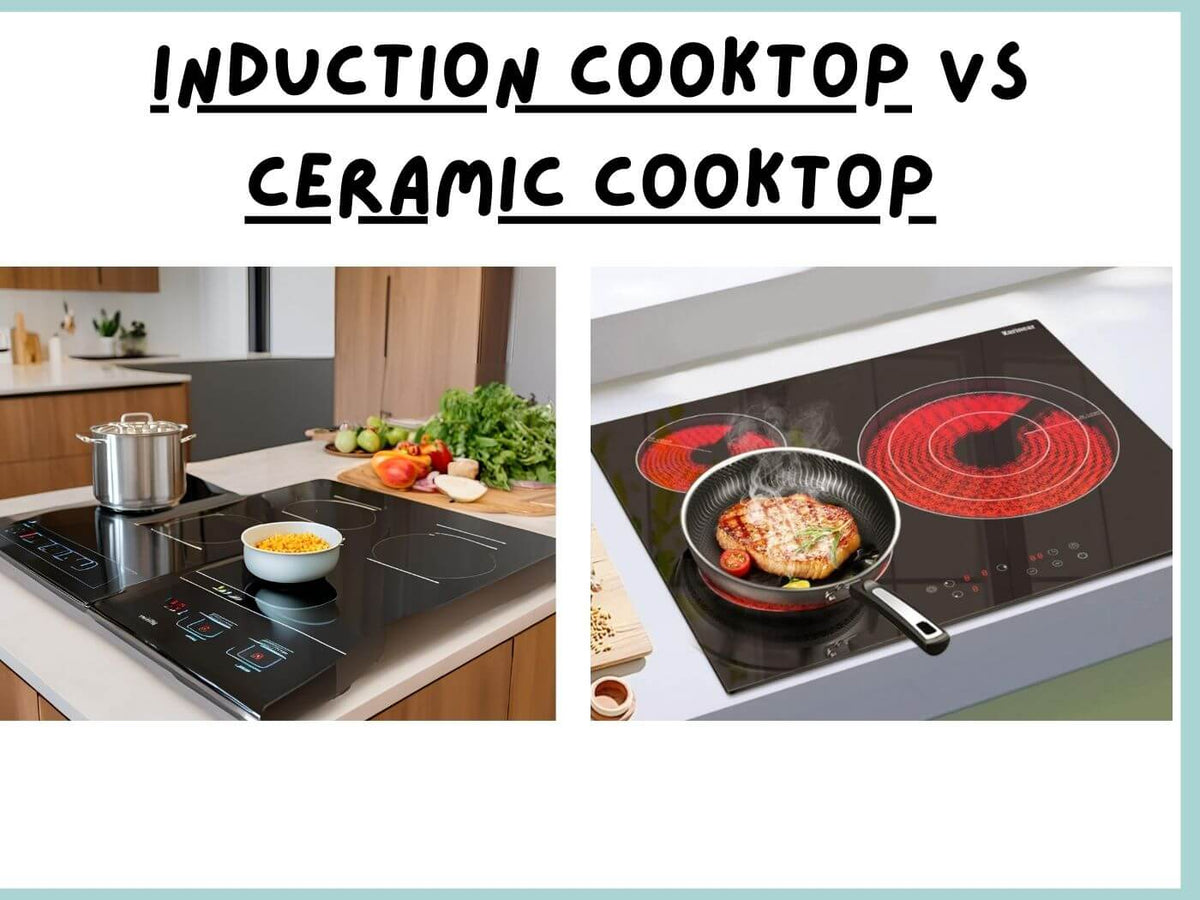
Ceramic cooktops use radiant heat. This means electric coils under the glass heat up. The glass gets hot and transfers heat to the pot. The pot then cooks the food.
Induction cooktops use electromagnetic heat. They create a magnetic field that heats only the pot. The cooktop surface stays cooler. This method needs special pots that are magnetic.
Speed And Efficiency
Induction cooktops heat food faster than ceramic ones. The heat goes straight to the pot. Less energy is lost in the process. This saves time and lowers power bills.
Ceramic cooktops take longer to warm up. They lose some heat to the air. This makes them less efficient than induction cooktops.
Energy Consumption And Cost
Energy consumption and cost are key factors when choosing between a ceramic cooktop and an induction cooktop. Both use electricity but in different ways. Understanding their energy efficiency and costs helps you pick the best option for your kitchen and budget.
Energy Efficiency
Induction cooktops are more energy efficient than ceramic ones. They heat the cookware directly using magnetic fields. This means less heat is lost to the air. Ceramic cooktops heat the surface first, then transfer heat to the pan. This process wastes more energy. Induction cooktops cook food faster and use less power. This saves energy and reduces your electricity bills.
Initial And Long-term Costs
Ceramic cooktops usually cost less to buy at first. Induction cooktops are more expensive upfront. The long-term cost depends on energy use and maintenance. Induction cooktops save money over time due to lower electricity bills. Ceramic cooktops may cost more in the long run because of higher energy use. Also, induction cooktops often last longer and need less repair. This lowers overall expenses after the initial purchase.
Cookware Compatibility
Cookware compatibility is a key factor when choosing between ceramic and induction cooktops. Each type requires specific pots and pans for best results. Using the wrong cookware can affect cooking and damage the cooktop.
Types Of Cookware Needed
Ceramic cooktops work with most cookware materials. Stainless steel, aluminum, copper, and glass pots are all fine. The flat bottom is important for even heat contact. Any cookware that sits flat on the surface will work.
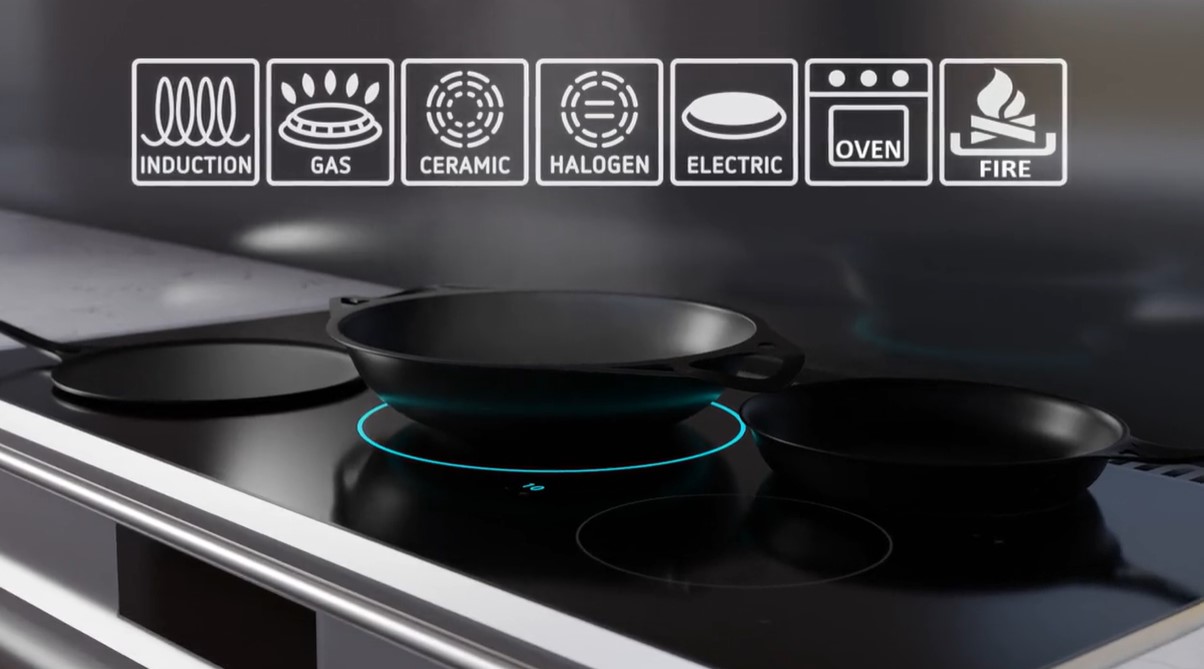
Induction cooktops need special cookware. Pots must be magnetic to work with induction. Cast iron and some stainless steel pans work well. Aluminum, copper, and glass do not work unless they have a magnetic base.
Impact On Cooking Performance
On ceramic cooktops, heat spreads from the surface to the pot. This causes slower heating and cooling. Cookware material affects how fast food cooks. Heavy pans with thick bottoms cook more evenly.
Induction cooktops heat cookware directly through magnetic energy. This heats food quickly and evenly. Cookware heats fast and cools down quickly. Temperature control is more precise, improving cooking results.
Safety Features And Considerations
Safety is a key factor when choosing between ceramic and induction cooktops. Both have features to protect users but work differently. Understanding these safety aspects helps you pick the right cooktop for your kitchen.
Heat Exposure Risks
Ceramic cooktops use electric heat. The surface gets very hot and stays hot after cooking. This can cause burns if touched too soon. Pots and pans also stay hot for a while.
Induction cooktops heat the pan directly. The surface around the pan stays cooler. This lowers the chance of burns. The cooktop cools faster after cooking ends.
Automatic Shutoff And Sensors
Many ceramic cooktops have timers and sensors. They can turn off the heat if a pot boils dry. Some models detect if no pan is on the burner.
Induction cooktops have smart sensors too. They detect if the pan is the right type. The cooktop stops heating without a proper pan. Some models shut off automatically if left on too long.
Credit: www.solidteknics.com
User Experience And Convenience
User experience and convenience are key when choosing a cooktop. Both ceramic and induction cooktops offer unique benefits that affect daily use. Understanding these differences helps pick the right one for your kitchen.
Ease Of Cleaning
Ceramic cooktops have a smooth glass surface. Spills and stains can be wiped off easily once cooled. No hard scrubbing is needed.
Induction cooktops also feature a smooth surface. Since the surface stays cooler, spills do not burn onto it. This makes cleaning faster and simpler.
Control Options And Settings
Ceramic cooktops usually have manual or touch controls. They offer basic heat settings. Adjusting temperature can take some time to respond.
Induction cooktops come with precise digital controls. Heat changes instantly and accurately. Many models have preset cooking modes for convenience.
Choosing Between Ceramic And Induction
Choosing between a ceramic cooktop and an induction cooktop depends on many factors. Both types offer smooth surfaces and modern looks. But they work differently and suit different cooking styles.
Understanding your lifestyle and cooking needs helps pick the right cooktop. Budget and installation also play a big role in the decision.
Lifestyle And Cooking Needs
Ceramic cooktops heat up with electric coils under a glass surface. They work with any cookware. Induction cooktops use magnets to heat only the pan. This means faster cooking and better energy use.
If you cook often and want quick heat, induction is a good choice. Ceramic cooktops suit slower, gentle cooking. They stay hot longer after turning off.
Induction cooktops are safer because the surface stays cool. Ceramic surfaces can get very hot. Think about your cooking habits and safety needs before choosing.
Budget And Installation Factors
Ceramic cooktops usually cost less than induction models. Installation is simpler and fits most kitchens easily. Induction cooktops may need special electrical work and more upfront cost.
Long-term savings come with induction cooktops due to energy efficiency. Ceramic models may use more electricity over time. Consider both the initial price and future bills.
Check your kitchen’s power supply before buying. Induction cooktops need strong power to work correctly. Ceramic cooktops work with standard outlets.
Credit: karinearappliances.com
Frequently Asked Questions
What Is The Difference Between Ceramic And Induction Cooktops?
Ceramic cooktops use radiant heat beneath a smooth glass surface. Induction cooktops heat cookware directly using magnetic fields, making them faster and more energy-efficient.
Can Any Cookware Be Used On Ceramic And Induction Cooktops?
Ceramic cooktops work with any flat-bottomed cookware. Induction cooktops require magnetic cookware like cast iron or stainless steel to function properly.
Which Cooktop Is More Energy-efficient: Ceramic Or Induction?
Induction cooktops are more energy-efficient. They heat cookware directly, reducing heat loss. Ceramic cooktops waste more energy by heating the surface first.
Are Ceramic Cooktops Safer Than Induction Cooktops?
Induction cooktops are safer because they only heat when magnetic cookware is present. Ceramic cooktops remain hot longer, posing a burn risk after cooking.
Conclusion
Ceramic and induction cooktops look similar but work differently. Ceramic cooktops heat the glass surface, then cook the food. Induction cooktops use magnets to heat pots directly. Induction heats faster and saves energy. Ceramic cooktops are usually cheaper and work with any pan.
Choosing depends on your cooking style and budget. Both have benefits and some limits. Understanding these helps you pick the best one. Which one fits your kitchen? Think about what matters most to you.

Hello, This is Annie Walker, a 38-year-old blogger, founder, and editor of Cookware Guider from NY, USA. I am a cookware fanatic and passionate cooker. I love to cook with different types of cooking appliances (example: all types of cookware, rice cookers, slow cookers, etc) almost every day in my kitchen. I love to share my experience with my readers in my blog. Also, I enjoy helping people to solve their problems through my website. You can follow me on Twitter & Pinterest. To know details about my blog please check the about us page.