
Are you trying to decide between an induction cooktop and a gas stove for your kitchen? Choosing the right cooking surface can make a big difference in how you prepare meals every day.
You want something efficient, safe, and easy to use—but which one truly fits your needs? This article will help you understand the key benefits and drawbacks of both options, so you can make a smart choice that matches your cooking style and lifestyle.
Keep reading to discover which cooktop might be better for you.
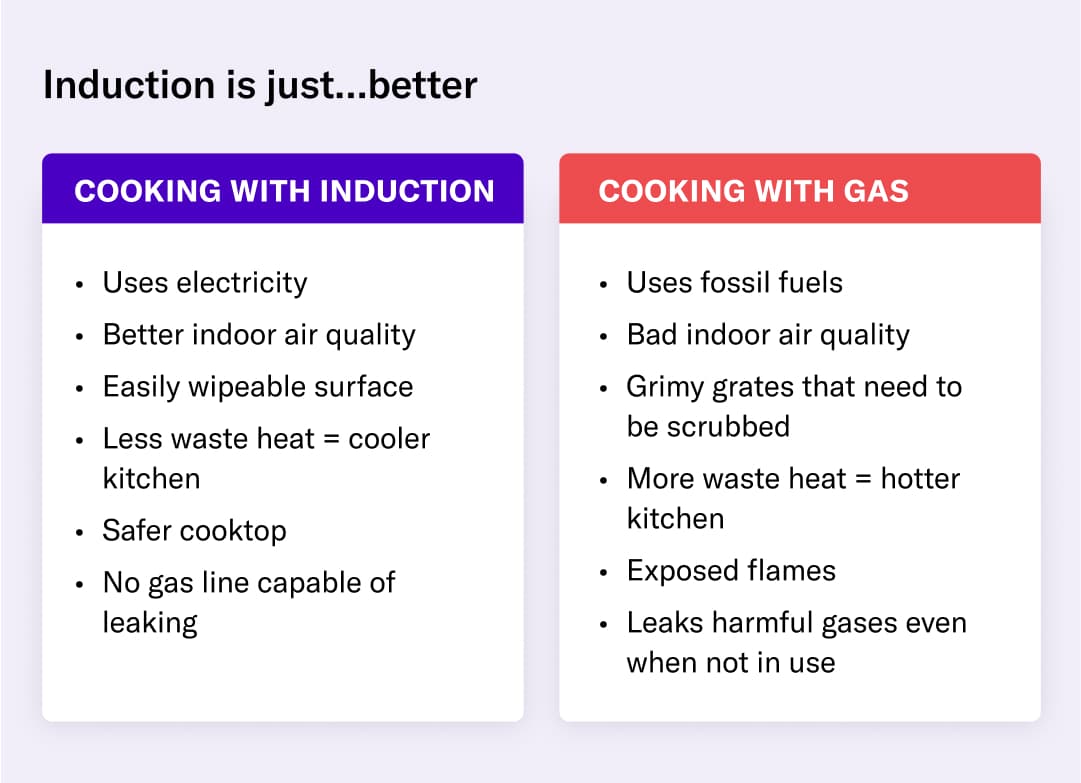
Credit: homes.rewiringamerica.org
Induction Cooktops Basics
Induction cooktops offer a modern way to cook. They use electricity to heat pots and pans directly. This method is different from gas stoves that burn flames to cook food.
Understanding the basics of induction cooktops helps to see their benefits and how they work. Below are key points about how induction cooktops function and their common features.
How Induction Works
Induction cooktops use magnetic fields to heat cookware. An electric coil under the surface creates this magnetic field. The field makes the metal in the pan heat up. The cooktop surface stays cool because the heat is made in the pan itself. This leads to faster cooking and less heat in the kitchen.
Common Features
Induction cooktops often have touch controls for easy use. They provide precise temperature settings to control cooking better. Many models include safety features like auto shut-off and child lock. The smooth glass surface makes cleaning quick and simple. Some cooktops have timers and boost modes for faster heating.

Credit: stahlkitchens.com
Gas Cooktops Basics
Gas cooktops have been a kitchen staple for many years. They offer direct heat and quick temperature changes. Understanding their basics helps in comparing them with induction cooktops.
Gas cooktops use open flames to cook food. They provide visible heat, which many cooks like. These appliances connect to a natural gas line or use propane tanks.
How Gas Cooking Works
Gas cooktops burn gas to create a flame. The flame heats the bottom of pots and pans. Turning the knob adjusts the flame size. A bigger flame means more heat. The flame ignites through a spark or pilot light. Heat spreads quickly and cools down fast when turned off.
Common Features
Most gas cooktops have multiple burners of different sizes. They include safety features like flame failure devices. These devices shut off gas if the flame goes out. Cooktops often have heavy grates for pots to sit on. Control knobs allow easy temperature adjustments. Some models come with sealed burners to catch spills.
Cooking Performance
Cooking performance is a key factor when choosing between an induction cooktop and a gas stove. This aspect includes how well each stove controls heat, how fast it cooks food, and how consistent the temperature stays during cooking. These points matter for both beginner and experienced cooks.
Heat Control And Precision
An induction cooktop offers precise heat control. It adjusts heat levels quickly and accurately. This helps with delicate dishes that need steady temperatures. Gas stoves also provide good control, but their heat changes slower than induction. Flames can be uneven, making it harder to keep exact heat.
Cooking Speed
Induction cooktops heat up very fast. They use magnetic energy to warm the pan directly. This cuts down cooking time significantly. Gas stoves take longer to heat the pan and cook food. The open flame loses some heat to the air, making it less efficient.
Temperature Consistency
Induction cooktops keep temperature steady during cooking. The heat does not fluctuate much. This helps in cooking food evenly. Gas stoves can have temperature changes as the flame flickers. These changes might cause uneven cooking or burnt spots.
Energy Efficiency
Energy efficiency plays a key role in choosing between an induction cooktop and gas stove. It affects your energy bills and the environment. Understanding how each option uses energy helps you make a smart choice for your kitchen.
Energy Consumption Comparison
Induction cooktops use electricity to heat pots directly. This method wastes less energy because heat goes straight to the pan. Gas stoves burn fuel and lose heat to the air around. This loss means they use more energy for the same cooking task.
Studies show induction cooktops can be up to 90% efficient. Gas stoves often operate at about 40% to 55% efficiency. This difference means induction uses less energy to cook food faster.
Environmental Impact
Induction cooktops use electricity, which can come from renewable sources. This lowers carbon emissions if your power is green. Gas stoves burn natural gas, releasing carbon dioxide and other pollutants.
Using an induction cooktop reduces your carbon footprint at home. It produces fewer harmful gases and supports cleaner air. Gas stoves contribute to indoor pollution and increase greenhouse gases outside.
Safety Factors
Safety is a top concern when choosing between an induction cooktop and gas stove. Both have risks but differ in how they affect your kitchen safety. Understanding these safety factors helps you make a wise choice for your home.
Burn Risks
Induction cooktops heat only the pan, not the surface. This lowers the chance of burns from touching the stove. Gas stoves have open flames and hot burners, raising burn risks. The surface stays hot for a long time after cooking. Induction cools down faster, making it safer around children.
Gas Leaks And Fire Hazards
Gas stoves use natural gas or propane. Leaks can cause fires or explosions. Proper installation and maintenance reduce this risk but cannot eliminate it. Induction cooktops use electricity and do not produce flames. This removes the risk of gas leaks or fire hazards. Induction is safer in homes with small children or pets.
Automatic Shutoff Features
Many induction cooktops include automatic shutoff. They turn off if no pan is detected or if overheating occurs. This adds a layer of safety and prevents accidents. Gas stoves usually lack automatic shutoff. They rely on manual control, which can lead to accidents if unattended.
Credit: stahlkitchens.com
Cost Considerations
Cost plays a big role in choosing between an induction cooktop and a gas stove. Understanding all expenses helps make a clear choice. This section breaks down the main cost factors. You will see how much you spend first and over time.
Initial Purchase Price
Induction cooktops usually cost more to buy than gas stoves. Prices vary by brand and size. A basic gas stove can be cheaper upfront. Induction models often come with advanced features. This can raise the price. For budget buyers, gas may seem more affordable.
Installation Expenses
Installing gas stoves often needs special pipes and safety checks. This can add to the cost. Induction cooktops require a strong electrical connection. If your kitchen lacks this, upgrades will cost more. Installation for induction is usually cleaner and faster. But electric wiring work can increase the bill.
Long-term Operating Costs
Gas stoves use natural gas or propane. Prices for these fuels can change. Induction cooktops run on electricity. Electric rates also vary by location. Induction cooktops heat faster and waste less energy. This can save money over time. Gas stoves may cost less per use but lose more heat. Energy efficiency affects your monthly bills.
Cookware Compatibility
Cookware compatibility plays a big role in choosing between an induction cooktop and gas. Induction cooktops use magnetic fields to heat pots and pans. This means not all cookware works well on them. Knowing what types of cookware fit induction cooktops helps avoid cooking problems. It also saves money and effort when switching from gas to induction.
Types Of Compatible Cookware
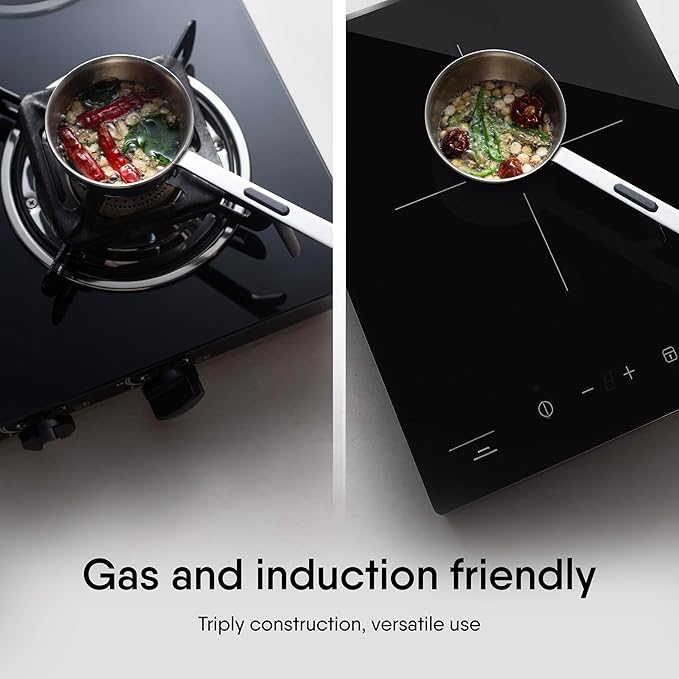
Cookware must have a magnetic base for induction cooktops. Cast iron and some stainless steel pots work perfectly. They heat up quickly and evenly. Copper, aluminum, and glass cookware usually do not work. Some stainless steel pans may not be magnetic enough. To test, use a magnet on the bottom of the pan. If it sticks, the pan is compatible.
Adapting Existing Pots And Pans
Not all existing cookware fits induction cooktops. You can buy induction interface disks. These thin metal plates sit between the cooktop and the pan. They make non-magnetic pans work with induction. The disk heats up and transfers heat to the pan. This method can save money but may reduce cooking speed. It is a simple way to keep favorite pots and pans.
Cleaning And Maintenance
Cleaning and maintenance are important for any cooktop. They affect how long your cooktop lasts and how well it works. Both induction and gas cooktops need care, but their cleaning methods differ. Understanding these differences helps you choose the best option for your kitchen.
Ease Of Cleaning
Induction cooktops have a smooth glass surface. Spills do not burn onto the surface easily. You can wipe it clean with a damp cloth or sponge. No need to scrub hard. This saves time and effort.
Gas cooktops have grates and burners. Food can get stuck in small spaces. Cleaning requires removing grates and scrubbing burners. It takes more time and tools. Grease builds up faster on gas cooktops.
Durability And Repairs
Induction cooktops are delicate. The glass surface can crack if hit hard. Repair costs can be high. But they have fewer parts that wear out.
Gas cooktops have metal parts. They are strong and handle rough use. Burners and valves may need replacement over time. Repairs can be done by a technician easily.
User Experience
User experience plays a big role in choosing between induction cooktops and gas stoves. It covers how easy and pleasant it feels to use the cooking device every day. This part explains key aspects like noise, looks, and what users generally prefer.
Noise Levels
Induction cooktops are very quiet during use. They produce only a low hum from the fan. Gas stoves make a constant sound from the flame and gas flow. Some people find the gas noise more natural, while others like the quiet of induction better.
Visual Appeal
Induction cooktops have a sleek and modern look. Their smooth glass surface fits well in any kitchen. Gas stoves show visible flames, which many find attractive and classic. The choice depends on the kitchen style and personal taste.
User Preferences
Some users prefer the fast heating of induction cooktops. Others like the control and feel of cooking with gas flames. Safety matters too; induction cooktops stay cool and reduce burn risks. Personal habits and cooking style guide the final decision.
Choosing The Right Option
Choosing the right cooktop depends on many factors. Consider your daily needs and kitchen space. Think about what fits your budget and what matters most to you. This helps find the best option for your home.
Lifestyle And Cooking Habits
Your cooking style shapes the best choice. If you cook fast meals often, an induction cooktop offers quick heat. For those who enjoy traditional cooking, gas allows visible flames and precise control. Also, think about the types of pots and pans you use.
Kitchen Setup And Space
Space affects which cooktop fits well. Induction models are sleek and fit small kitchens easily. Gas cooktops need ventilation and a gas line. Check your kitchen’s layout and existing connections before deciding.
Budget And Priorities
Price varies between induction and gas cooktops. Induction units often cost more upfront but save energy over time. Gas cooktops usually have lower initial costs but can raise utility bills. Decide what is more important: saving energy or lower start cost.
Frequently Asked Questions
Is An Induction Cooktop More Energy Efficient Than Gas?
Yes, induction cooktops use electromagnetic energy, heating cookware directly. This process wastes less heat than gas, making induction more energy efficient and cost-effective in the long run.
Can Induction Cooktops Cook Faster Than Gas Stoves?
Induction cooktops generally cook food faster because they heat pots and pans directly. Gas stoves heat indirectly, causing slower cooking times compared to induction technology.
Are Induction Cooktops Safer Than Gas Stoves?
Induction cooktops are safer since they don’t use open flames. They cool quickly after use and reduce risks of burns or gas leaks, making kitchens safer environments.
Do Induction Cooktops Require Special Cookware?
Yes, induction cooktops need magnetic-based cookware like cast iron or stainless steel. Non-magnetic pots, such as aluminum, won’t work unless they have an induction-compatible base.
Conclusion
Choosing between an induction cooktop and gas depends on your needs. Induction heats food quickly and uses less energy. Gas stoves offer more control over flame size. Safety is better with induction since there’s no open flame. Cleaning induction cooktops is simpler and faster.
Gas stoves work even during power outages. Think about what fits your kitchen and cooking style best. Either option can cook meals well. Your choice can make cooking easier and more fun.

Hello, This is Annie Walker, a 38-year-old blogger, founder, and editor of Cookware Guider from NY, USA. I am a cookware fanatic and passionate cooker. I love to cook with different types of cooking appliances (example: all types of cookware, rice cookers, slow cookers, etc) almost every day in my kitchen. I love to share my experience with my readers in my blog. Also, I enjoy helping people to solve their problems through my website. You can follow me on Twitter & Pinterest. To know details about my blog please check the about us page.