
Are you wondering whether a cooktop or a range is the better choice for your kitchen? Choosing the right cooking appliance can make a big difference in how you prepare meals every day.
You want something that fits your space, suits your cooking style, and looks great too. This article will help you weigh the pros and cons so you can decide which option matches your needs perfectly. Keep reading to discover which cooking setup will make your kitchen work smarter and feel just right for you.
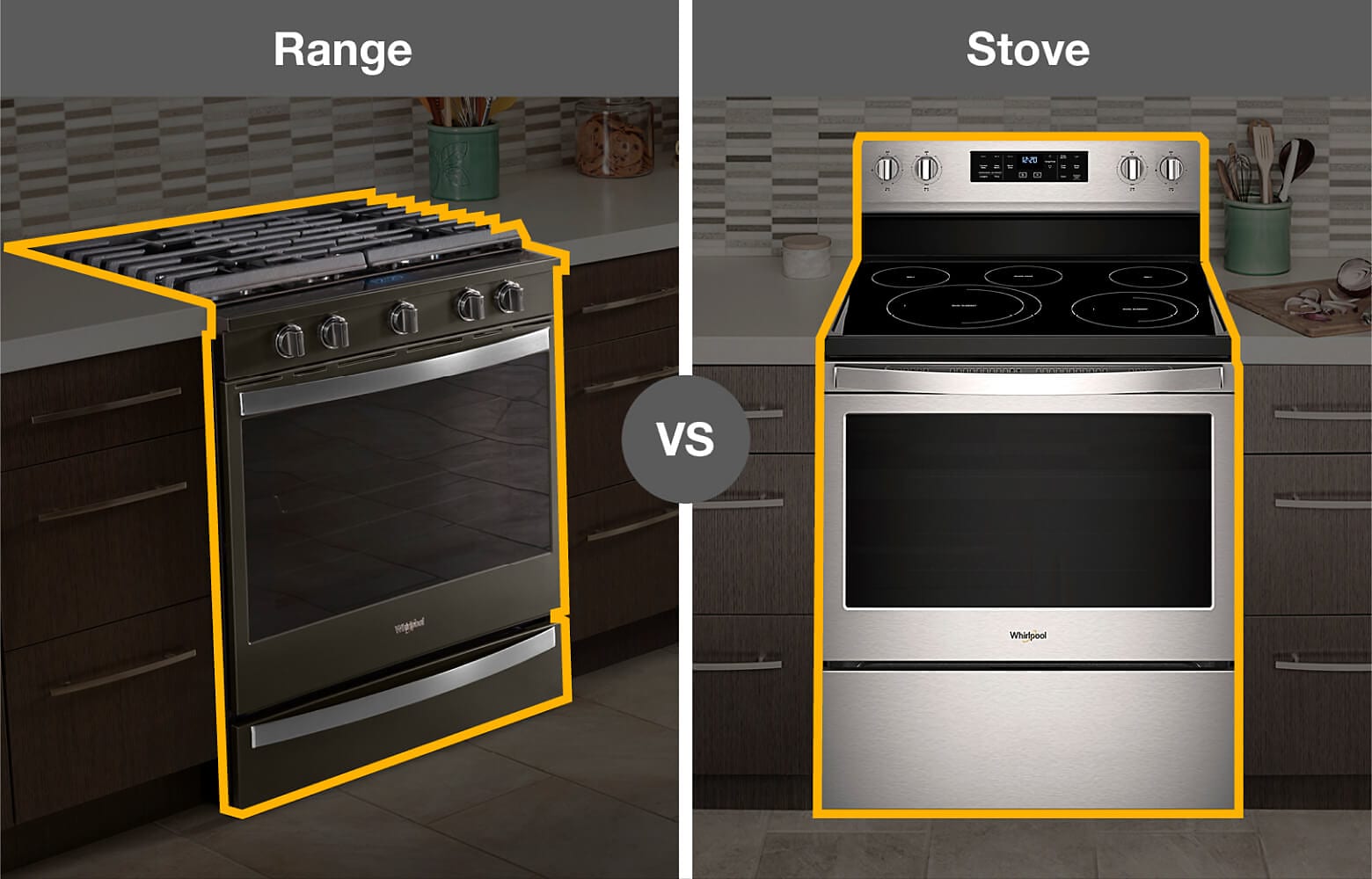
Credit: www.whirlpool.com
Cooktop Vs Range Basics
Choosing between a cooktop and a range can be confusing. Both have their own style and function. Knowing their basics helps you pick the best option for your kitchen and cooking needs.
Cooktops and ranges serve the same purpose but differ in how they fit into your space. One might suit your kitchen layout better than the other. Here’s a simple look at what sets them apart.
Key Features Of Cooktops
Cooktops are separate cooking units installed into counters. They come in gas, electric, or induction styles. Usually, cooktops have multiple burners with various sizes. Their design helps save space and offers flexibility. Controls are often on the front or side for easy access. Cooktops allow you to choose ovens separately, giving more kitchen design freedom.
Key Features Of Ranges
Ranges combine a cooktop and oven in one appliance. They offer a compact, all-in-one solution. Most ranges have four to six burners on top. The oven below can bake, roast, and broil food. Ranges come in gas, electric, or dual fuel types. Controls are located on a panel at the back or front. They are easier to install since they require only one connection.
Differences In Design And Layout
Cooktops fit flush into kitchen counters, creating a smooth surface. This design blends well with modern kitchens. Ranges stand alone and need space on the floor. They create a focal point in the kitchen. Cooktops offer more flexibility in kitchen layout. Ranges simplify appliance selection but limit design options. Deciding depends on space, style, and cooking habits.
Space And Installation
Space and installation play a big role when choosing between a cooktop and a range. Both have different needs for your kitchen layout. Understanding these needs helps you decide which fits better in your home.
Kitchen Space Requirements
Cooktops take less room on your countertop. They fit well in small kitchens. You can place them separately from the oven. Ranges combine both cooktop and oven in one unit. They need more wall or floor space. Choose cooktops to save counter space. Pick ranges if you want a single, compact appliance.
Installation Considerations
Cooktops require a cutout in the countertop for fitting. They often need special ventilation above. Installation can be flexible depending on kitchen design. Ranges need a dedicated spot, usually against a wall. They connect to power or gas behind the unit. Installation might be simpler with ranges but less flexible in placement.
Customization Options
Cooktops offer more choices in size and burner layout. You can mix gas, electric, or induction cooktops. This lets you create a cooking area that suits your style. Ranges come in standard sizes with fixed features. Customization is limited to choosing color or finish. Cooktops allow more creativity in kitchen design.
Cooking Performance
Cooking performance is a key factor when choosing between a cooktop and a range. It affects how well your food cooks and how easy it is to control the heat. Both appliances have strengths and weaknesses in this area. Understanding these can help you make the best choice for your kitchen.
Heat Control And Precision
Cooktops often provide better heat control. They allow you to adjust the flame or heat level quickly and precisely. Many cooktops come with features like simmer burners for low heat and powerful burners for fast boiling. This makes cooking delicate dishes easier.
Ranges also offer good heat control but can be less responsive. The built-in oven may affect how the burners perform. Some ranges heat up slower, which can impact cooking speed and accuracy.
Burner Types And Configurations
Cooktops usually have a variety of burner types. You can find gas, electric, or induction options. This variety helps match your cooking style. Some cooktops offer specialized burners for wok cooking or griddles.
Ranges have fixed burner setups. The number and size of burners vary by model. They often include standard burners but fewer specialty options compared to cooktops.
Oven Functionality Comparison
Ranges include a built-in oven, combining two appliances in one. This can save space and simplify kitchen design. Oven functions vary by model, with features like convection cooking and self-cleaning modes.
Cooktops lack an oven, so you need a separate unit. This can be a drawback if you want a compact setup. However, separate ovens often offer more space and advanced features than those in ranges.
Cleaning And Maintenance
Cleaning and maintenance play a big role in choosing between a cooktop and a range. Keeping your kitchen appliances clean helps them last longer. It also keeps your cooking area safe and neat. Understanding the cleaning needs of each option can guide your choice.
Ease Of Cleaning Cooktops
Cooktops usually have a flat surface. This makes wiping spills easy and quick. Many cooktops come with smooth glass or ceramic tops. A soft cloth and mild cleaner can remove stains fast. There are fewer nooks and crannies, so dirt does not hide easily. Cooktops also do not have an oven below, reducing the amount of cleaning needed.
Cleaning Challenges With Ranges
Ranges combine a cooktop and oven in one unit. This means more surfaces to clean. The oven can get greasy and needs regular scrubbing. Burnt food can stick inside the oven, requiring stronger cleaners. The burners and grates on the cooktop can trap spills. Removing and cleaning these parts takes extra time and effort. Cleaning a range usually takes longer than cleaning a cooktop.
Durability And Upkeep
Cooktops often have fewer parts that wear out. Their smooth surfaces resist stains and scratches well. Ranges face more wear because of their ovens and moving parts. Oven doors and knobs can break or become loose. Regular cleaning helps both appliances stay in good shape. Proper care can prevent costly repairs and extend appliance life.
Cost And Budget
Cost and budget play a big role in choosing between a cooktop and a range. Both options have different price points and ongoing costs. Knowing these details helps you pick what fits your budget best.
Initial Purchase Price
Cooktops usually cost less than ranges. You pay only for the cooking surface, not the oven. Ranges combine both the stove and oven in one unit. This combination raises the price. Simple cooktops start at a low price. High-end models with special features can cost more. Ranges often have a wider price range. Basic models are affordable, but premium ones can be expensive.
Installation Costs
Cooktops may need custom installation. You might have to cut your countertop. This work can add to your total cost. Gas cooktops need a proper gas line setup. Electric cooktops require strong wiring. Ranges are easier to install. They usually fit in a standard kitchen space. Installation costs for ranges are often lower than cooktops.
Long-term Expenses
Energy use affects long-term costs. Electric cooktops can use more electricity. Gas cooktops might cost less to run. Ranges combine cooking and baking, saving space and money. Repairs can cost more for ranges. Cooktops have fewer parts to fix. Both need regular cleaning and maintenance to work well.
Aesthetic And Style
Aesthetic and style play a big role in choosing between a cooktop and a range. Both options offer different looks and feel in the kitchen. Your choice can change the whole room’s vibe. Let’s explore how cooktops and ranges fit into modern kitchen design.
Design Integration In Modern Kitchens
Cooktops blend smoothly into countertops. They create a clean, streamlined look. This helps kitchens feel more open and less busy. Ranges stand out more as a single unit. They add a bold, traditional touch. Kitchens with classic or farmhouse themes often use ranges.
Material And Finish Options
Cooktops come in many materials like glass, stainless steel, and ceramic. These finishes look sleek and modern. Ranges usually have stainless steel or enamel finishes. Their larger size allows for more design details. Both can match other kitchen appliances easily.
Impact On Kitchen Layout
Cooktops offer flexibility in kitchen layout. You can place them on islands or counters at any height. This helps create unique kitchen designs. Ranges need a dedicated space with ventilation. They often serve as a kitchen’s focal point. Choosing between them affects how you plan your kitchen space.
Safety Factors
Safety is a key concern in any kitchen. Choosing between a cooktop and a range involves understanding their safety features. Both appliances have built-in protections to reduce accidents and hazards. Knowing these features helps you make a safe choice for your home.
Safety Features In Cooktops
Cooktops often include automatic shut-off systems. They turn off burners if no pot is detected. Many have heat indicators that show if the surface is still hot. This prevents burns and accidents. Some cooktops have sealed burners to stop spills from spreading. The flat surface makes cleaning easier, reducing fire risks.
Safety Features In Ranges
Ranges usually have child locks on the oven and burners. They also include automatic shut-off timers. The oven door is often insulated to stay cool outside. This lowers burn chances. Many ranges come with flame failure devices to stop gas flow if the flame goes out. This prevents gas leaks and fires.
Child And Pet Safety
Both cooktops and ranges need extra care around children and pets. Cooktops with controls at the front pose risks. Children can reach and turn them on. Ranges with back controls are safer from little hands. Using stove knob covers adds protection. Always supervise children near cooking areas. Keeping pets away from hot surfaces avoids accidents.

Credit: www.fusespecialtyappliances.com
User Experience
User experience plays a key role in choosing between a cooktop and a range. It affects how easy and enjoyable cooking feels every day. Small details in design and function can make a big difference in the kitchen. Let’s explore how each option performs in terms of ease of use, cooking versatility, and user preferences.
Ease Of Use
Cooktops often offer more counter space and fit neatly into your kitchen design. Controls are usually simple and placed at the front or side. This makes adjusting heat quick and safe. Ranges combine an oven and cooktop, which can save space but may feel bulky. Some users find ranges harder to clean due to their size. Cooktops can be easier to maintain and clean regularly.
Cooking Versatility
Ranges provide an all-in-one solution with both cooking and baking options. This suits users who like to prepare complex meals. Cooktops focus mainly on stovetop cooking. They offer different burner sizes and heat levels. Some cooktops have special features like griddles or induction zones. This can improve cooking flexibility for certain dishes. Ranges may limit stovetop space when using the oven.
User Preferences
Many users prefer cooktops for their sleek look and flexibility in kitchen layout. They allow for separate oven placement, which can be more convenient. Others like ranges for their simplicity and compact design. Ranges suit smaller kitchens or those needing fewer appliances. User choice often depends on cooking habits and kitchen space. Personal comfort with controls and style also guides the decision.
Making The Right Choice
Choosing between a cooktop and a range requires careful thought. Both have pros and cons that fit different lifestyles. Understanding your needs helps pick the best option for your kitchen and cooking style.
Assessing Cooking Habits
Think about how often you cook meals. Do you prepare simple dishes or complex recipes? Cooktops offer more flexibility for different pot sizes. Ranges combine oven and cooktop, saving time during meal prep. Match your choice to your cooking style for better results.
Evaluating Kitchen Space
Measure your kitchen area before deciding. Cooktops fit into counters, saving floor space. Ranges need more room but include an oven below. Small kitchens benefit from cooktops. Larger kitchens can accommodate ranges with ease. Space matters for comfort and function.
Balancing Budget And Needs
Set a budget that matches your priorities. Cooktops often cost less than full ranges. Ranges may add value with built-in ovens. Consider installation and maintenance costs too. Spend wisely based on what fits your cooking and space needs.

Credit: appliancenj.com
Frequently Asked Questions
Is A Cooktop More Efficient Than A Range?
A cooktop offers better efficiency by focusing heat directly on pots. It saves counter space and allows flexible kitchen layouts compared to ranges.
Can Cooktops Provide Better Cooking Control Than Ranges?
Yes, cooktops often provide more precise heat control. They allow easy adjustment of burner size and heat levels for various cooking styles.
Are Cooktops Easier To Clean Than Ranges?
Cooktops are generally easier to clean due to their flat surface. Ranges have ovens and knobs, which can trap grease and crumbs.
Do Cooktops Offer More Design Flexibility Than Ranges?
Cooktops can be installed separately from ovens, allowing versatile kitchen designs. Ranges combine cooktop and oven, limiting placement options.
Conclusion
Choosing between a cooktop and a range depends on your kitchen needs. Cooktops save space and offer more design options. Ranges combine cooktop and oven in one unit. Consider your cooking habits and kitchen layout. Think about which fits your style and budget best.
Both have pros and cons to weigh carefully. The right choice makes cooking easier and more fun. Take time to decide what suits you most.

Hello, This is Annie Walker, a 38-year-old blogger, founder, and editor of Cookware Guider from NY, USA. I am a cookware fanatic and passionate cooker. I love to cook with different types of cooking appliances (example: all types of cookware, rice cookers, slow cookers, etc) almost every day in my kitchen. I love to share my experience with my readers in my blog. Also, I enjoy helping people to solve their problems through my website. You can follow me on Twitter & Pinterest. To know details about my blog please check the about us page.