
Cooking chicken breast can seem simple, but many people end up with meat that’s dry, undercooked, or flavorless. If you want juicy, tasty chicken every time, pan frying is one of the best methods. With the right steps, anyone can master this technique—even if you’re new to cooking or have had trouble with chicken in the past.
This guide will show you how to pan fry chicken breast for perfect results, plus share tips, mistakes to avoid, and answer common questions.
Why Pan Fry Chicken Breast?
Pan frying is popular because it combines speed, flavor, and texture. Unlike baking or boiling, pan frying creates a crispy outside while keeping the inside moist. You get better browning, which means more flavor. Plus, it doesn’t require special equipment—just a pan and a stove.
Another advantage is control. You can check doneness, adjust heat, and add flavor as you cook. This makes it easier for beginners to avoid overcooking or burning the chicken. For busy nights, pan frying delivers a healthy meal in under 20 minutes.
Choosing The Right Chicken Breast
Quality matters. The type of chicken breast you choose affects flavor, juiciness, and cooking time.
Fresh Vs. Frozen
Fresh chicken breasts are usually juicier and have better texture. However, high-quality frozen options are fine if you thaw them properly. Always thaw chicken in the fridge, never at room temperature, to avoid bacteria growth.
Organic, Free-range, Or Conventional
- Organic chicken usually has more flavor and fewer additives.
- Free-range birds may have firmer texture.
- Conventional chicken is widely available and more affordable.
Choose based on your budget and taste preferences. The most important thing is freshness—check dates and color. Chicken should look pink and moist, not gray or slimy.
Size And Thickness
Uniform thickness is key. Thick chicken breasts cook unevenly—outside gets dry before the inside is done. If your pieces are large or uneven, slice them in half horizontally or pound them gently with a meat mallet for even thickness (about 1/2 to 3/4 inch is ideal).
Bone-in Vs. Boneless
Boneless, skinless chicken breasts are best for pan frying. Bone-in takes much longer and doesn’t cook evenly in a pan.
What You’ll Need: Equipment And Ingredients
Having the right tools and ingredients makes the process easier and safer.
Essential Equipment
- Heavy skillet or frying pan (stainless steel or cast iron preferred)
- Tongs or spatula for flipping
- Meat thermometer (optional, but recommended)
- Paper towels
- Cutting board and knife
Key Ingredients
For basic pan fried chicken breast, you need:
- 2 boneless, skinless chicken breasts (about 6-8 oz each)
- 1/2 teaspoon salt
- 1/4 teaspoon black pepper
- 1/2 teaspoon garlic powder (optional)
- 2 tablespoons olive oil or vegetable oil
- 1 tablespoon butter (optional, for flavor)
Flavor variations can include lemon, paprika, chili powder, Italian seasoning, or fresh herbs.
Preparing Chicken Breast For Pan Frying
Proper preparation is the secret to great results.
1. Trim And Dry
Remove any fat or tendons. Pat the chicken dry with paper towels. Dry meat browns better and cooks more evenly.
2. Pound Or Slice For Evenness
If the breasts are thick or uneven, use a meat mallet or rolling pin to gently pound them to the same thickness (about 1/2 inch). This helps them cook at the same rate and prevents dry edges.
3. Season Well
Season both sides with salt, pepper, and any other spices you like. Don’t skip salt—it’s essential for flavor.
4. Let It Sit
Let the seasoned chicken rest at room temperature for 10-15 minutes before cooking. Cold chicken can seize up and cook unevenly. This short wait helps the seasoning absorb, too.
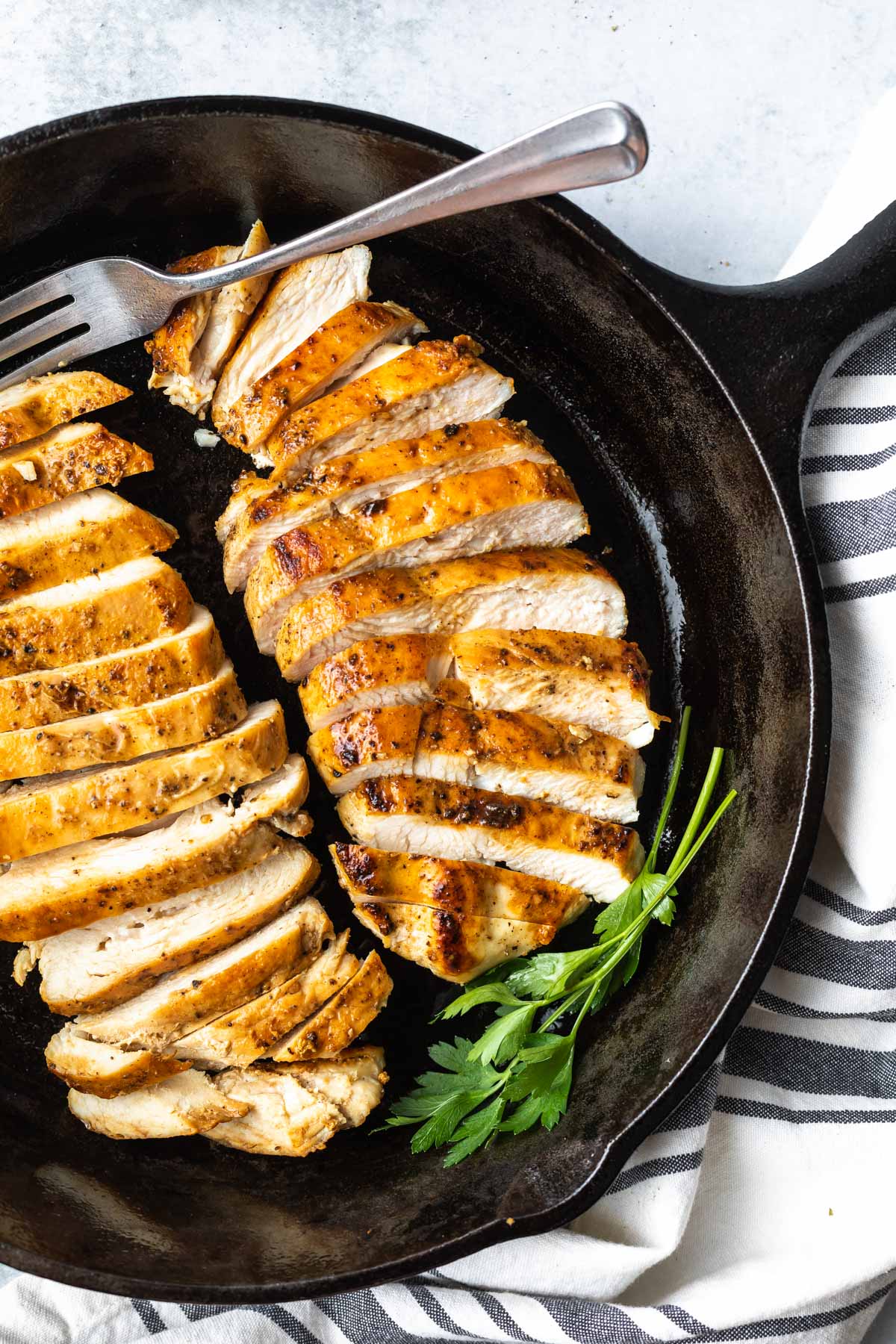
Credit: www.simplywhisked.com
How To Pan Fry Chicken Breast: Step-by-step
Follow these steps for juicy, golden chicken every time.
Step 1: Heat The Pan
Place your skillet over medium-high heat. Let it get hot for 2-3 minutes. A hot pan prevents sticking and helps create a brown crust.
Step 2: Add Oil
Pour in the oil, swirling to coat the bottom. Wait until the oil shimmers. You can test by adding a drop of water—if it sizzles, it’s ready. Don’t let the oil smoke.
Step 3: Add Chicken
Carefully lay the chicken breasts in the pan. Don’t crowd—leave space so they brown, not steam.
Step 4: Do Not Move Them
Let the chicken cook undisturbed for 5-7 minutes. This develops a golden crust and makes flipping easier. If the chicken sticks, it’s not ready to flip.
Step 5: Flip And Lower Heat
When the bottom is golden, flip the chicken with tongs. Turn the heat to medium-low. Add butter now if you want extra flavor.
Step 6: Finish Cooking
Cook another 5-7 minutes, depending on thickness. You can tilt the pan and spoon melted butter over the top (basting) for more flavor.
Step 7: Check Doneness
Use a meat thermometer. The thickest part should be 165°F (74°C). If you don’t have a thermometer, cut into the thickest part—it should be white, not pink, and the juices should run clear.
Step 8: Rest Before Slicing
Transfer the chicken to a plate. Let it rest 5 minutes before cutting. This keeps juices inside the meat.
Cooking Times For Chicken Breast
Cooking time depends on thickness, pan heat, and starting temperature. Here’s a comparison for different breast sizes:
| Thickness | Time (each side) | Total Cooking Time |
|---|---|---|
| 1/2 inch | 4-5 min | 8-10 min |
| 3/4 inch | 5-7 min | 10-14 min |
| 1 inch | 7-8 min | 14-16 min |
Tip: Start checking early—chicken goes from perfect to dry quickly.
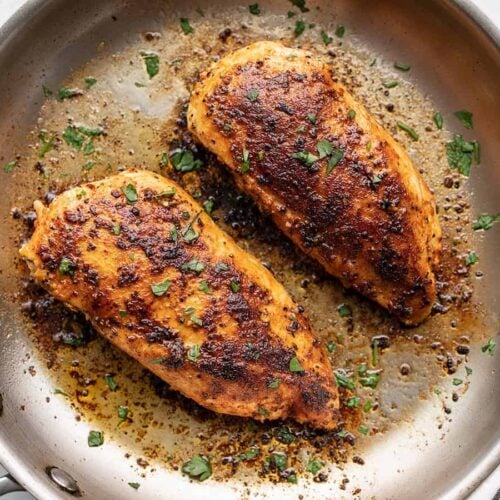
Credit: www.budgetbytes.com
How To Tell When Chicken Is Done
Overcooking is the number one mistake. Here’s how to get it right every time:
- Use a thermometer. 165°F (74°C) is safe for chicken.
- Check the juices. They should run clear, not pink.
- Texture. Properly cooked chicken feels firm, not rubbery or hard.
If you don’t have a thermometer, cut into the thickest part. If it’s white all the way through, it’s done.
Flavor Variations And Simple Marinades
Pan frying is flexible. You can use different seasonings and marinades to change the taste.
Simple Dry Rub Ideas
- Paprika + garlic powder + oregano
- Cumin + chili powder + lime zest
- Lemon pepper + parsley
Sprinkle before cooking for a fast flavor boost.
Easy Marinade Recipe
Marinades add moisture and taste. For 2 chicken breasts:
- 2 tablespoons olive oil
- 1 tablespoon lemon juice
- 1 teaspoon honey or sugar
- 1/2 teaspoon salt
- 1/4 teaspoon pepper
- 1 clove garlic, minced
Mix, coat chicken, and refrigerate 30 minutes to 2 hours. Pat dry before frying.
Beginner insight: Patting off excess marinade before frying prevents burning.
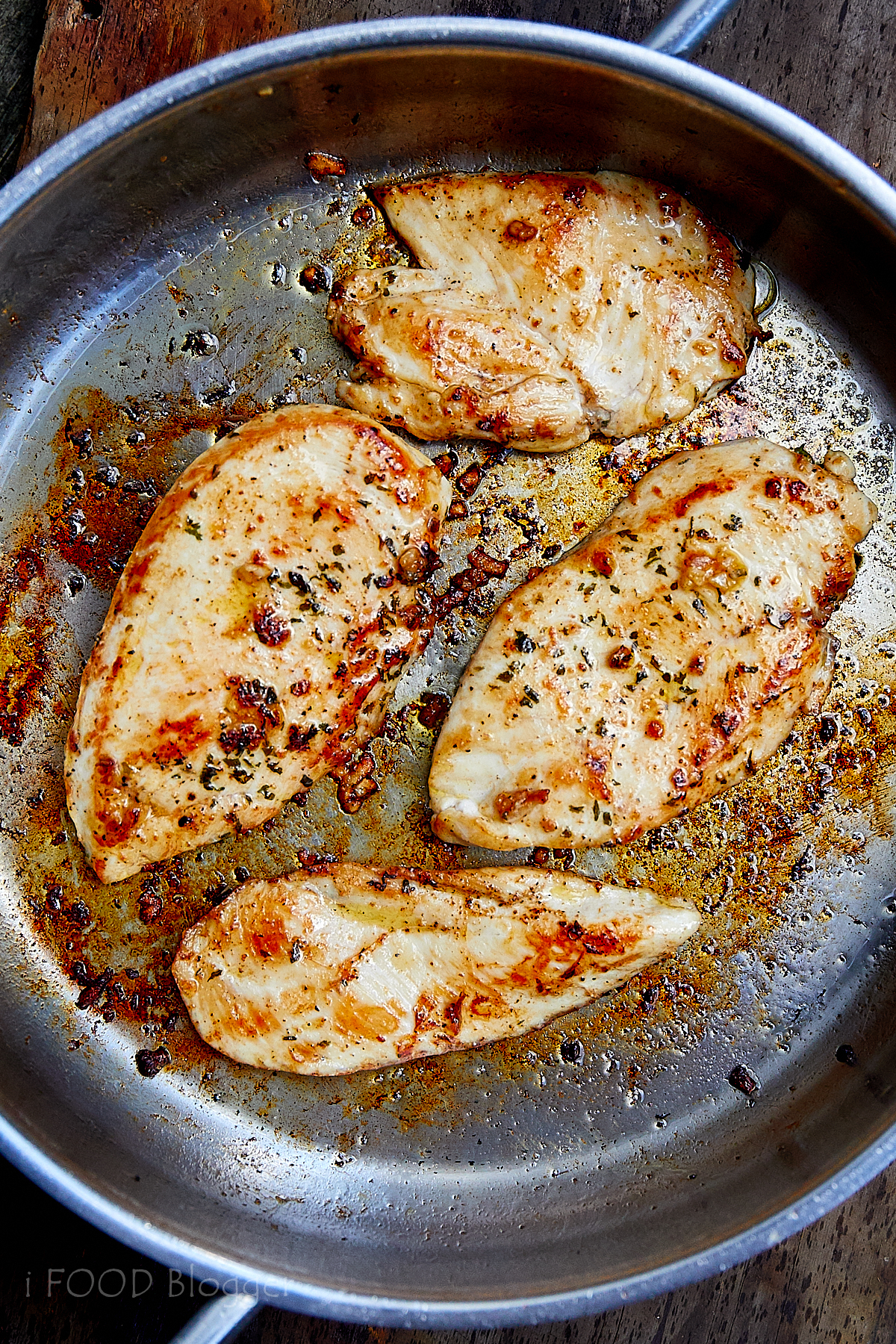
Credit: cravingtasty.com
Using Different Oils For Frying
The oil you choose affects flavor and smoke point (the temperature when oil starts to smoke).
| Oil | Flavor | Smoke Point (°F) |
|---|---|---|
| Olive oil | Mild, fruity | 375-405 |
| Canola oil | Neutral | 400 |
| Avocado oil | Neutral, buttery | 520 |
| Butter | Rich, creamy | 350 |
Tip: Mixing butter with oil gives flavor but prevents burning.
Troubleshooting: Common Pan Frying Mistakes
Even good cooks make mistakes. Here’s how to avoid them:
1. Chicken Sticks To The Pan
- Solution: Heat the pan fully before adding oil and chicken. Don’t flip too early. If it sticks, wait another minute.
2. Uneven Browning
- Solution: Use even thickness. Don’t overcrowd the pan.
3. Dry Chicken
- Solution: Don’t overcook. Let rest before slicing.
4. Burnt Outside, Raw Inside
- Solution: Lower the heat after searing. Pound chicken to even thickness.
Non-obvious tip: Cover the pan loosely with foil or a lid for the last few minutes for thicker pieces—this traps heat and cooks the inside gently.
Serving Suggestions
Pan fried chicken breast is flexible. Here are popular ways to serve it:
- Sliced over salads (Caesar, Greek, Cobb)
- On sandwiches with lettuce and tomato
- With rice, pasta, or roasted vegetables
- With a squeeze of lemon or a spoon of salsa
Try making extra for meal prep. Cold pan fried chicken is great in wraps and lunch bowls.
Food Safety And Storage
Chicken is safe if cooked to 165°F (74°C). Always wash hands, tools, and surfaces after handling raw chicken.
Storing Leftovers
- Cool leftovers within 2 hours
- Refrigerate in airtight container up to 3 days
- Reheat to 165°F (74°C) before eating
Freezing
Cooked chicken can be frozen up to 3 months. Slice before freezing for easy defrosting.
Why Pan Frying Is Healthier Than You Think
Many people think pan frying is unhealthy, but it doesn’t have to be. You control the amount and type of oil. Using a nonstick or well-seasoned pan means you don’t need much fat. Compared to deep frying, pan frying uses much less oil.
Plus, chicken breast is naturally low in fat and high in protein.
A typical 6-ounce pan fried chicken breast (using 2 teaspoons oil) has:
- About 280 calories
- 50 grams protein
- 6 grams fat
Pro tip: Skip breading to keep calories lower.
Comparing Pan Frying With Other Methods
How does pan frying stack up against baking, grilling, and poaching?
| Method | Texture | Time | Flavor |
|---|---|---|---|
| Pan frying | Crispy outside, juicy inside | 10-15 min | Rich, browned |
| Baking | Even, but less crisp | 20-30 min | Mild, soft |
| Grilling | Charred, smoky | 10-20 min | Strong, smoky |
| Poaching | Very moist, no crust | 15-20 min | Delicate, plain |
Pan frying is the best choice for quick, flavorful chicken with a crisp surface.
Advanced Tips For Pan Frying Chicken Breast
If you want to upgrade your results, try these ideas:
- Deglaze the pan: After cooking, add a splash of broth or wine and scrape up browned bits. Stir in a little butter for a fast pan sauce.
- Use a splatter guard: This keeps your kitchen cleaner.
- Finish with fresh herbs: Sprinkle parsley, thyme, or basil before serving for a burst of color and taste.
- Try brining: Soak breasts in salt water for 30 minutes before cooking for extra juiciness.
Beginner insight: Even a short brine makes a big difference in moisture for lean chicken breast.
Frequently Asked Questions
How Do I Keep Chicken Breast From Drying Out?
The most important thing is not to overcook. Use a thermometer and remove the chicken at 165°F (74°C). Let it rest before slicing. Pound to even thickness for consistent results.
Can I Use A Nonstick Pan Instead Of Stainless Steel Or Cast Iron?
Yes, a nonstick pan is fine and helps prevent sticking, especially for beginners. You may need a little less oil. The main difference is nonstick pans don’t brown as deeply as stainless or cast iron.
Should I Cover The Pan While Frying Chicken Breast?
Usually, no. Fry uncovered for a crisp surface. If your chicken is thick or the outside is browning too fast, cover loosely for the last few minutes to help the inside cook without burning the outside.
Is It Necessary To Marinate Chicken Before Pan Frying?
No, but marinating adds flavor and helps with tenderness. Even 30 minutes can make a difference. Dry rubs are faster and also add good taste.
Where Can I Find More Food Safety Tips For Cooking Chicken?
You can visit the USDA’s official chicken safety guide for more details.
Cooking chicken breast well is a basic skill that opens up many meal options. Pan frying is quick, delivers great texture, and is easy to master with a little practice. Remember, even thickness, proper seasoning, and not overcooking are the keys to success.
With these steps and tips, you’ll enjoy juicy, tasty chicken every time—no matter your experience level.

Hello, This is Annie Walker, a 38-year-old blogger, founder, and editor of Cookware Guider from NY, USA. I am a cookware fanatic and passionate cooker. I love to cook with different types of cooking appliances (example: all types of cookware, rice cookers, slow cookers, etc) almost every day in my kitchen. I love to share my experience with my readers in my blog. Also, I enjoy helping people to solve their problems through my website. You can follow me on Twitter & Pinterest. To know details about my blog please check the about us page.