
Pan frying chicken thighs is a simple cooking method that delivers juicy, flavorful results. But if you’re new to cooking, you might wonder: how long does it take to pan fry chicken thighs? Getting the timing right is important. Too short, and you risk undercooked meat. Too long, and the chicken can turn dry or tough. This guide covers everything you need to know—how to pan fry chicken thighs, how long it takes, tips for perfect results, and answers to common questions. Whether you’re cooking for yourself or your family, you’ll soon master this skill.
Why Pan Fry Chicken Thighs?
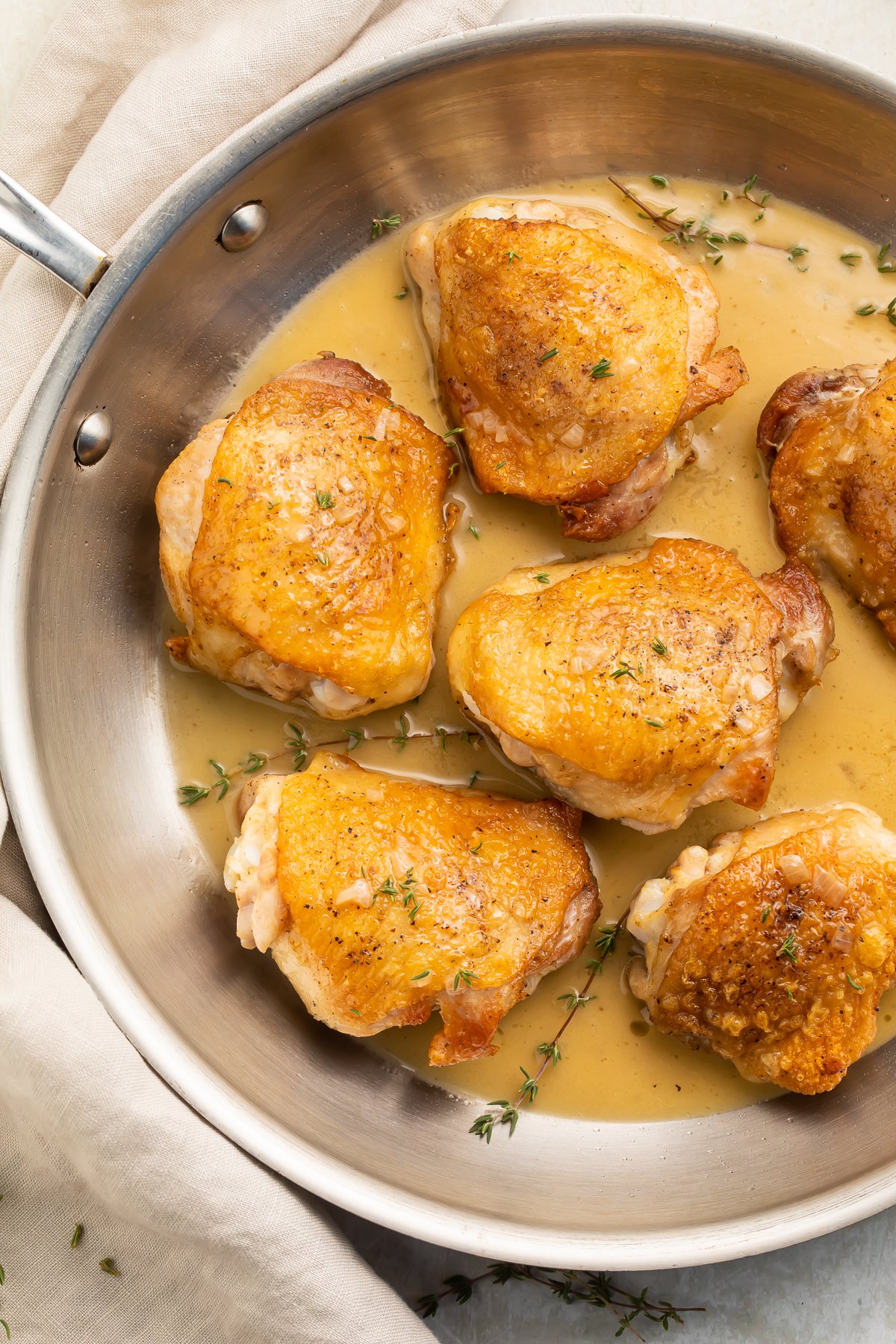
Pan frying is a popular way to cook chicken thighs because it gives them a crisp outside and juicy inside. Unlike baking or grilling, pan frying uses direct heat and often cooks faster. Chicken thighs are more forgiving than breasts—they stay moist even if cooked a bit longer. Also, they have more flavor due to the higher fat content.
You can use bone-in or boneless thighs. Boneless thighs cook a bit faster, but bone-in thighs have extra flavor. Pan frying lets you add seasonings or sauces easily during cooking. Plus, you don’t need special equipment—just a skillet and a stove.
What You Need To Pan Fry Chicken Thighs
Before you start, gather these items:
- Chicken thighs (bone-in or boneless, skin-on or skinless)
- Cooking oil (such as vegetable, canola, or olive oil)
- Salt and pepper
- Optional: Garlic, herbs, spices, marinades
- Skillet (cast iron or nonstick works best)
- Tongs or spatula
- Meat thermometer (optional but helpful)
If you want extra crispiness, use skin-on thighs. For faster cooking, choose boneless.
How Long Does It Take To Pan Fry Chicken Thighs?
The pan frying time depends on several factors:
- Bone-in vs boneless
- Skin-on vs skinless
- Thickness of the thighs
- Heat level (medium vs high)
- Type of skillet
Here’s a general guide:
| Type of Chicken Thigh | Estimated Cook Time (per side) | Total Time |
|---|---|---|
| Boneless, skinless | 5-7 minutes | 10-14 minutes |
| Boneless, skin-on | 6-8 minutes | 12-16 minutes |
| Bone-in, skin-on | 8-10 minutes | 16-20 minutes |
| Bone-in, skinless | 7-9 minutes | 14-18 minutes |
These times assume you use medium heat and a standard-sized thigh. If your thighs are extra thick, add 2-3 minutes per side. If you use high heat, the outside may brown faster, but the inside could stay raw. Always check for doneness.
Step-by-step: Pan Frying Chicken Thighs
Follow these steps for safe and tasty chicken:
- Prepare the chicken thighs: Pat them dry with paper towels. This helps them brown. Season with salt, pepper, and other spices.
- Heat the skillet: Add 1-2 tablespoons of oil. Heat over medium or medium-high until the oil shimmers.
- Place the thighs in the skillet: Skin side down (if using skin-on). Don’t crowd the pan—leave space between each thigh.
- Cook without moving: Let them cook for the recommended time per side (see table above). This forms a crust.
- Flip and cook the other side: Turn with tongs or a spatula. Cook until golden and cooked through.
- Check doneness: The internal temperature should reach 165°F (74°C). Use a meat thermometer in the thickest part. If you don’t have one, cut into the thigh—juices should run clear, not pink.
- Rest the chicken: Remove from the skillet and let rest for 3-5 minutes. This keeps it juicy.
How To Tell If Chicken Thighs Are Cooked
Using a meat thermometer is the best way. Insert it into the thickest part, avoiding the bone. Chicken is safe at 165°F (74°C). If you don’t have a thermometer, check these signs:
- The juices run clear when you cut into the thigh.
- The meat is opaque, not pink.
- The skin is crisp and brown (if skin-on).
Undercooked chicken is unsafe and can cause illness. Overcooked chicken is dry and hard to chew.
Factors That Affect Cooking Time
Several factors change the pan frying time. Here are the most important:
Thickness And Size
Thicker thighs need more time. If your chicken is uneven, the thickest part will cook slower. For even cooking, you can flatten the thighs gently with a meat mallet.
Bone-in Vs Boneless
Bones slow down cooking. Heat must reach the center, so bone-in thighs take longer. Boneless thighs cook faster and more evenly.
Skin-on Vs Skinless
Skin acts as a barrier. Skin-on thighs may need extra time to crisp the skin and cook through.
Stove And Skillet
A heavy skillet (like cast iron) keeps heat steady. Thin pans may cause uneven cooking. Gas stoves heat differently than electric.
Heat Level
Medium heat is best for pan frying. High heat browns the outside fast but can leave the inside raw. Low heat cooks slowly and may not brown well.
Tips For Perfect Pan Fried Chicken Thighs
Cooking chicken thighs isn’t just about timing. Here are some tips to improve flavor and texture:
- Don’t overcrowd the skillet. Cook in batches if needed. Overcrowding lowers the heat and steams the chicken.
- Pat dry before cooking. Moisture stops browning.
- Use enough oil. Oil helps crisp the skin and prevents sticking.
- Let the chicken rest after cooking. This keeps juices inside.
- Try marinades. Marinate for 30 minutes to add flavor and tenderness.
- Use a meat thermometer. This prevents undercooking or overcooking.
- Add flavor with butter and herbs. After flipping, add a tablespoon of butter and fresh herbs for extra taste.
Many beginners miss the importance of resting the chicken. Resting for a few minutes after cooking makes a big difference in juiciness.
Common Mistakes When Pan Frying Chicken Thighs
Avoid these errors to get better results:
- Cooking on high heat only. This burns the outside and leaves the inside raw.
- Not checking doneness. Guessing leads to unsafe or dry chicken.
- Skipping the rest period. Cutting too soon lets juices escape.
- Overcrowding the pan. This steams the chicken and stops browning.
- Using very cold chicken. Let chicken come to room temperature for 15 minutes before cooking. Cold meat cooks unevenly.

Credit: www.wholesomeyum.com
Pan Frying Chicken Thighs: Comparison With Other Methods
How does pan frying compare with other ways to cook chicken thighs? Here’s a quick look:
| Cooking Method | Time (approx.) | Texture | Flavor | Equipment Needed |
|---|---|---|---|---|
| Pan Frying | 10-20 minutes | Crisp outside, juicy inside | Rich, savory | Skillet |
| Baking | 25-35 minutes | Even, less crisp | Mild | Oven |
| Grilling | 15-25 minutes | Charred, smoky | Bold | Grill |
| Air Frying | 18-22 minutes | Crispy | Light | Air fryer |
Pan frying is quick, gives great texture, and lets you control seasoning. Baking is slower but easier for large batches. Grilling adds smoky flavor, while air frying is healthier but needs a special appliance.
How To Add Flavor To Pan Fried Chicken Thighs
Flavor comes from more than just salt and pepper. Here are some ways to add taste:
- Marinades: Use soy sauce, lemon juice, garlic, herbs, or spices. Marinate for at least 30 minutes.
- Dry rubs: Mix paprika, cumin, chili powder, garlic powder, and brown sugar. Rub on before cooking.
- Sauces: Add barbecue sauce, teriyaki, honey mustard, or hot sauce after cooking.
- Herbs and aromatics: Cook with rosemary, thyme, oregano, or fresh garlic.
For a simple marinade: Mix 2 tablespoons soy sauce, 1 tablespoon olive oil, 1 teaspoon garlic powder, and 1 teaspoon lemon juice. Let chicken sit for 30 minutes before pan frying.
Credit: 40aprons.com
Safe Cooking Temperatures For Chicken Thighs
Chicken must reach 165°F (74°C) to be safe. This kills harmful bacteria. Always check the temperature in the thickest part. Cooking below this risks illness.
Some chefs cook thighs to 170°F for extra tenderness, but 165°F is enough for safety.
Pan Frying Chicken Thighs: Step-by-step Example
Here’s a real example using boneless, skinless thighs:
Ingredients:
- 4 boneless, skinless chicken thighs (about 1 pound)
- 2 tablespoons oil
- 1 teaspoon salt
- 1/2 teaspoon pepper
- 1 teaspoon garlic powder
- Optional: 1 tablespoon butter, fresh thyme
Instructions:
- Pat thighs dry and season with salt, pepper, and garlic powder.
- Heat oil in a skillet over medium heat.
- Add thighs to the skillet. Cook for 6 minutes without moving.
- Flip thighs. Add butter and thyme if desired. Cook for another 6 minutes.
- Check internal temperature. If needed, cook 2 minutes more per side.
- Remove and let rest for 3 minutes.
- Serve hot.
Cooking time: 12-14 minutes
Serving size: 4 thighs (about 2-3 people)
Credit: thealmondeater.com
How To Pan Fry Chicken Thighs With Skin
Skin-on thighs need extra care. Here’s how:
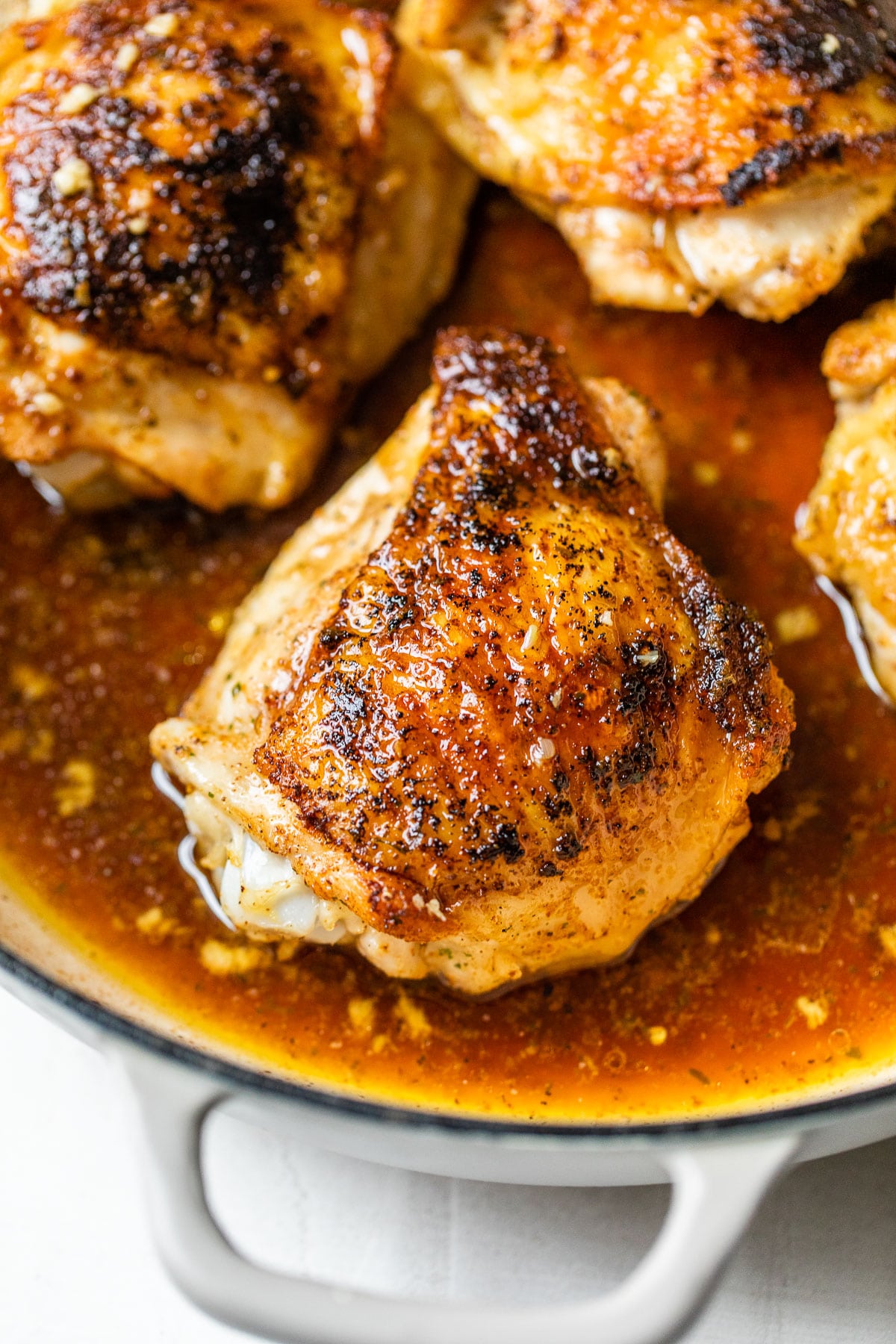
- Start skin side down. Cook until the skin is golden and crisp—about 8 minutes.
- Flip and finish cooking. The skin protects the meat but needs time to crisp.
- If the skin isn’t crisp, you can cook for 2 extra minutes on skin side.
This method gives a crunchy texture and rich flavor.
How To Pan Fry Bone-in Chicken Thighs
Bone-in thighs take longer. For best results:
- Cook skin side down first (if skin-on) for 10 minutes.
- Flip and cook for another 8-10 minutes.
- Test temperature near the bone. Bone slows cooking, so check carefully.
Some cooks cover the skillet for the last few minutes. This helps cook through without drying out.
Practical Tips For Busy Cooks
If you’re short on time, use boneless, skinless thighs. They cook fastest. You can also cut thighs into smaller pieces for quicker cooking. Try prepping ingredients ahead—seasoning or marinating the night before.
Batch cooking works well. Cook several thighs at once, then store leftovers in the fridge for up to 3 days. Reheat gently in a skillet or microwave.
Pan Frying Chicken Thighs: Nutrition Facts
Chicken thighs are a good source of protein and vitamins. Here’s a basic comparison:
| Type | Calories (per 3 oz cooked) | Protein | Fat | Iron |
|---|---|---|---|---|
| Boneless, skinless | 135 | 18g | 7g | 0.9mg |
| Bone-in, skin-on | 210 | 17g | 13g | 1.2mg |
| Chicken breast (for comparison) | 125 | 22g | 3g | 0.7mg |
Chicken thighs offer more flavor and fat than breast meat. They also provide iron and zinc.
Cleaning Up After Pan Frying
After cooking, let the skillet cool. Wipe out excess oil with paper towels. Wash with warm, soapy water. If using cast iron, dry well and rub with a little oil to prevent rust.
Oil splatter is common. Use a splatter guard if you want to keep your stove cleaner. Clean up spills quickly to avoid stains.
Storing And Reheating Leftover Chicken Thighs
Store cooked chicken thighs in an airtight container in the fridge for up to 3 days. To reheat:
- Use a skillet over medium heat for best texture.
- Microwave for 1-2 minutes, but this may soften the skin.
- Avoid reheating multiple times; this dries out the chicken.
Leftover chicken can be added to salads, sandwiches, or wraps.
How To Serve Pan Fried Chicken Thighs
You can serve chicken thighs many ways:
- With rice or potatoes
- With steamed or roasted vegetables
- Sliced over salad
- Wrapped in tortillas for tacos
- With sauces like barbecue or honey mustard
Try pairing with simple sides to keep the meal balanced.
Advanced Tips: Getting Restaurant Quality
To get restaurant-style chicken, try these:
- Use a mix of oil and butter for flavor.
- Baste the chicken with pan juices during cooking.
- Finish cooking in a preheated oven for extra crispiness.
- Add aromatics (garlic, shallots, fresh herbs) to the skillet.
- For skin-on thighs, press gently with a spatula to keep skin in contact with the pan.
Professional chefs often use a combination of methods—starting on the stove, finishing in the oven, and using a thermometer for precision.
Frequently Asked Questions
How Do I Know If My Chicken Thigh Is Cooked Without A Thermometer?
You can cut into the thickest part. If the meat is opaque and the juices run clear (not pink), it is likely cooked. But a meat thermometer is safer and more reliable.
Is It Better To Use Skin-on Or Skinless Chicken Thighs For Pan Frying?
Skin-on thighs give extra crispiness and flavor. Skinless thighs cook faster and have less fat. Choose based on your taste and health goals.
Can I Use Frozen Chicken Thighs For Pan Frying?
You should thaw frozen chicken thighs fully before pan frying. Cooking from frozen leads to uneven results and can be unsafe. Thaw in the fridge overnight or use the microwave’s defrost function.
What Oil Is Best For Pan Frying Chicken Thighs?
Choose oils with a high smoke point like canola, vegetable, or peanut oil. Olive oil works, but avoid extra virgin—it can burn at high heat.
How Can I Keep My Chicken Thighs From Sticking To The Pan?
Make sure the skillet is hot before adding the chicken. Use enough oil, and don’t move the chicken too soon—let a crust form before flipping.
Pan frying chicken thighs is a skill you can master with practice. The right timing, attention to detail, and good technique will give you delicious results every time. With these tips and step-by-step instructions, you can cook safe, juicy chicken whether you’re making a quick dinner or a special meal. For more cooking science and safety tips, visit FoodSafety.gov. Enjoy your next batch of pan fried chicken thighs!

Hello, This is Annie Walker, a 38-year-old blogger, founder, and editor of Cookware Guider from NY, USA. I am a cookware fanatic and passionate cooker. I love to cook with different types of cooking appliances (example: all types of cookware, rice cookers, slow cookers, etc) almost every day in my kitchen. I love to share my experience with my readers in my blog. Also, I enjoy helping people to solve their problems through my website. You can follow me on Twitter & Pinterest. To know details about my blog please check the about us page.