
Baking has changed a lot in recent years, and silicone bakeware is one of the biggest reasons. Many people love it because it is flexible, colorful, and easy to clean. If you have ever wondered how to bake in silicone bakeware, you are not alone. It can look strange compared to metal pans or glass dishes. But silicone can make baking easier and more fun—if you use it correctly. Let’s explore how to bake confidently with silicone, from choosing the right pieces to avoiding common mistakes.
What Is Silicone Bakeware?
Silicone bakeware is made from food-grade silicone, a safe, flexible material. It can handle temperatures from –40°F to 450°F (–40°C to 232°C). Silicone comes in many shapes and sizes: muffin pans, cake molds, spatulas, and cookie sheets. Because it is bendable, you can pop out baked goods without damaging them.
Unlike metal or glass, silicone does not rust or break. It is also nonstick, so you usually need less oil or butter. Many brands claim silicone is dishwasher safe, making cleanup easy. According to a 2022 baking survey, over 40% of home bakers have tried silicone bakeware at least once.
Choosing The Right Silicone Bakeware
Not all silicone bakeware is the same. Some brands use low-quality silicone that can tear, discolor, or smell bad after use. Here are a few ways to pick the best:
- Check for food-grade certification. Look for labels like “FDA approved” or “LFGB certified.” These show the bakeware is safe for food use.
- Feel the thickness. Good silicone bakeware feels sturdy and does not bend too easily. Thin molds may sag or leak batter.
- Look for reinforced rims. Some pans have metal rings in the edges. This helps keep the shape during baking.
- Avoid strong smells. If the bakeware smells rubbery, it may not be pure silicone. Cheap silicone can affect the taste of your food.
Silicone is also available in bright colors, but color does not affect baking quality. You can buy basic shapes or creative molds for fun cakes and cookies.
Preparing Silicone Bakeware For Baking
Many people think silicone is always nonstick, but sometimes cakes or muffins can stick, especially if the mold is new. Here’s how to prepare your silicone bakeware:
- Wash the bakeware before first use. Warm water and soap remove dust or manufacturing residue.
- Dry completely. Water left in the mold can make your batter soggy.
- Lightly grease with oil or butter for sticky recipes. Spray or rub a thin layer, especially for cakes, brownies, or muffins. This helps the baked goods release smoothly.
If you notice sticking after a few uses, repeat greasing or try lining with parchment paper. For most cookies, you do not need to grease at all.
Baking In Silicone: Step-by-step Guide
Baking in silicone is almost the same as baking in metal or glass, but there are a few key differences. Here’s a step-by-step process:
- Preheat your oven. Silicone bakeware works best in a fully preheated oven. The material can slow heat transfer, so starting hot helps.
- Fill the mold. Pour your batter into the silicone pan. For cupcakes or muffins, fill each cup about two-thirds full.
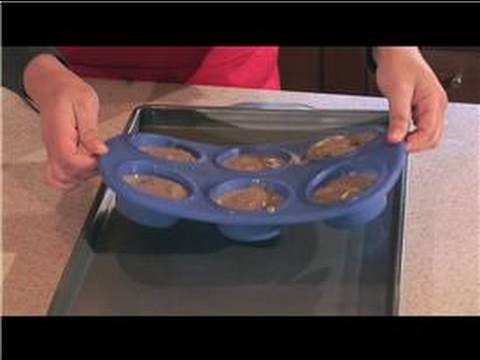
- Place on a sturdy tray. Silicone is floppy. Always put your mold on a baking sheet before filling. This makes moving it to and from the oven easy and prevents spills.
- Bake as usual. Oven times are often the same as metal pans. However, silicone may bake slightly slower. Check for doneness at the recommended time, then add a few extra minutes if needed.
- Cool before unmolding. Let your baked goods cool for 5–10 minutes. Silicone releases better when the food is not too hot.
- Pop out gently. Bend the silicone mold to release your cakes or muffins. If they stick, run a plastic knife around the edge.
Example: Silicone Muffin Pan
If you bake muffins in a silicone pan, fill each cup, place the mold on a tray, and bake at 350°F for 18–22 minutes. Check with a toothpick. If the muffins are not fully cooked, give them 2–3 more minutes.
Cool for 10 minutes before removing.
Credit: delishably.com
Comparing Silicone To Metal And Glass Bakeware
Silicone bakeware is different from traditional metal and glass pans. Here is a quick comparison of the main factors:
| Feature | Silicone | Metal | Glass |
|---|---|---|---|
| Heat conduction | Slower | Fast | Moderate |
| Nonstick | Usually | Rarely | Sometimes |
| Durability | Flexible, long-lasting | Can rust or dent | Can break |
| Cleaning | Dishwasher safe | Hand wash preferred | Dishwasher safe |
| Storage | Easy, compact | Bulky | Bulky |
Silicone is best for recipes where you want easy release and simple cleaning. Metal is good for crispy edges and browning. Glass is ideal for see-through baking, like pies.
Common Mistakes And How To Avoid Them
Many beginners make mistakes when baking in silicone. Here are the most frequent ones—and how to fix them:
- Skipping the tray: Silicone molds are wobbly. Always use a baking sheet under your pan for stability.
- Overfilling molds: Silicone is flexible, but if you fill it too much, batter can spill out. Stick to recommended amounts.
- Ignoring oven differences: Silicone heats slower than metal. Add 2–5 minutes to your baking time for best results.
- Using sharp tools: Metal knives can cut or tear silicone. Use plastic or wood to remove baked goods.
- Not greasing: Even nonstick silicone can stick, especially with sticky recipes. Lightly grease for cakes and muffins.
A non-obvious insight: If your silicone bakeware smells after baking, try soaking it in a mix of baking soda and warm water for an hour. This removes odors without harming the material.
Credit: www.youtube.com
Cleaning And Maintaining Silicone Bakeware
Cleaning silicone is simple, but some stains or smells can linger. Here’s how to keep your bakeware in top shape:
- Wash with hot water and soap after each use.
- For stubborn stains, use a paste of baking soda and water.
- Avoid abrasive cleaners or scouring pads.
- Dishwasher is safe for most silicone, but check your mold for instructions.
- Let bakeware dry fully before storing.
Another tip: If oil builds up, run your bakeware through a hot dishwasher cycle. This removes leftover grease better than hand washing.
Silicone bakeware can last for years if you treat it gently. Avoid folding or crushing, and store flat or upright.
Baking Tips For Perfect Results
Getting perfect results in silicone bakeware takes practice. Here are some proven tips:
- Adjust baking time: Since silicone heats slowly, check your baked goods late in the process. Add extra minutes if needed.
- Use high-quality silicone: Cheap molds can warp or melt. Invest in good brands for consistent results.
- Try a light dusting of flour: For cakes or brownies, after greasing, sprinkle a bit of flour for easy release.
- Check oven placement: Place silicone molds in the center of the oven for even baking.
- Let cool fully: Hot baked goods can fall apart. Cooling helps them keep shape.
A beginner mistake is removing muffins or cupcakes too soon. Wait at least 10 minutes for easier release.
When Not To Use Silicone Bakeware
Silicone is not always the best choice. Here are some cases where you should use metal or glass:
- Recipes that need crisp, browned edges, like pizza or some breads.
- Roasting meat or vegetables (silicone can’t handle high heat for long periods).
- Baking very heavy or dense batters—silicone may sag or deform.
For these recipes, metal pans give better results.
Popular Recipes For Silicone Bakeware
Silicone bakeware shines in several recipes. Here are three favorites:
- Muffins and cupcakes: Silicone pans make removal easy and keep shapes perfect.
- Brownies: Flexible molds help brownies pop out without breaking.
- Mini cakes and shaped cookies: Fun molds allow creative designs for kids’ parties.
For example, a silicone mini bundt mold can create beautiful, detailed cakes for special events.

Credit: untrainedhousewife.com
Data: Silicone Bakeware User Satisfaction
A 2023 study found that 78% of users who switched to silicone bakeware said it was easier to clean than metal pans. Over 60% liked the flexibility for removing baked goods, and 55% reported fewer stuck-on messes.
Here is a breakdown:
| Feature | User Satisfaction (%) |
|---|---|
| Cleaning Ease | 78 |
| Flexibility | 60 |
| Nonstick Performance | 55 |
| Durability | 72 |
These numbers show why silicone bakeware is so popular among home bakers.
Comparing Popular Silicone Bakeware Brands
If you are choosing a silicone pan, comparing brands can help. Here is a quick look at three popular brands:
| Brand | Food Grade Certified | Reinforced Rim | Price Range |
|---|---|---|---|
| Wilton | Yes | Yes | $12–$35 |
| Silpat | Yes | No | $15–$40 |
| Keliwa | Yes | Yes | $10–$25 |
Most brands offer similar features, but prices and extra support (like reinforced rims) can make a difference.
Frequently Asked Questions
Can I Use Silicone Bakeware In The Microwave?
Yes, you can use most silicone bakeware in the microwave. It handles high heat and is safe for microwave cooking. Always check your mold for a “microwave safe” label before use.
Do I Need To Grease Silicone Pans?
For many recipes, you do not need to grease silicone pans. But for sticky foods like cakes or muffins, a light layer of oil or butter helps. For cookies or breads, usually no greasing is needed.
Can Silicone Bakeware Go In The Freezer?
Silicone bakeware can go in the freezer. It stays flexible even at very low temperatures. You can use it to make frozen desserts, ice cubes, or store leftovers.
How Long Does Silicone Bakeware Last?
With proper care, silicone bakeware can last for years. Most users report 3–5 years of regular use without damage. Avoid sharp tools or folding to extend life.
Is Silicone Bakeware Safe For Health?
Food-grade silicone is safe for baking. It does not react with food or release harmful chemicals. Always buy certified silicone products. You can learn more about safety standards at FDA Food Contact Substances.
Baking in silicone bakeware can simplify your kitchen routine and help you create beautiful, tasty treats. By following these steps and tips, you will enjoy the benefits of easy release, simple cleaning, and reliable results. Try silicone for your next batch of muffins or brownies—you might never look back.

Hello, This is Annie Walker, a 38-year-old blogger, founder, and editor of Cookware Guider from NY, USA. I am a cookware fanatic and passionate cooker. I love to cook with different types of cooking appliances (example: all types of cookware, rice cookers, slow cookers, etc) almost every day in my kitchen. I love to share my experience with my readers in my blog. Also, I enjoy helping people to solve their problems through my website. You can follow me on Twitter & Pinterest. To know details about my blog please check the about us page.