
Using a knife block sharpener can turn dull kitchen knives into tools that cut smoothly, safely, and quickly. Many people have a knife block sharpener at home, but few use it correctly. If you learn how to use this simple device the right way, your knives will last longer and your cooking will become easier.
In this article, you’ll get step-by-step guidance, practical tips, and answers to common questions about knife block sharpeners. Whether you’re a beginner or want to sharpen your skills, you’ll find everything you need.
What Is A Knife Block Sharpener?
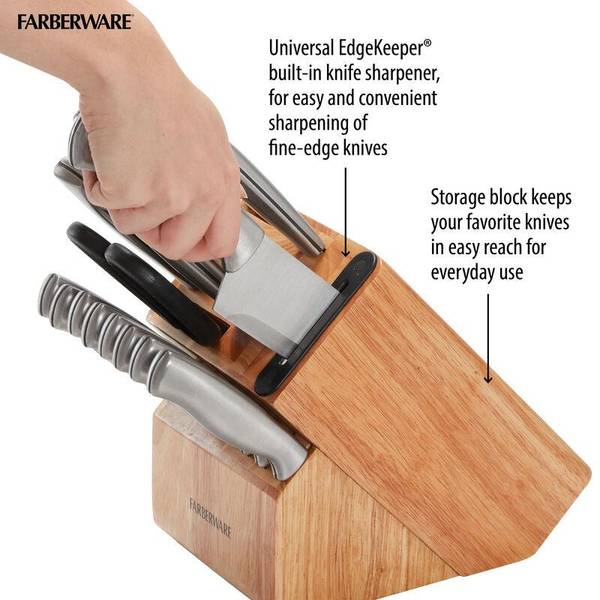
A knife block sharpener is a device built into or attached to a knife storage block. Instead of a separate sharpening tool, you simply pull your knife through a slot in the block. Inside the slot, ceramic or carbide rods sharpen the blade as it passes. Some blocks have adjustable settings for different blade types, while others only suit basic kitchen knives.
Most knife block sharpeners are designed for quick touch-ups rather than deep sharpening. They’re meant to maintain a sharp edge, not restore a heavily damaged blade. If your knife is very dull, you might need a whetstone or professional sharpening first.
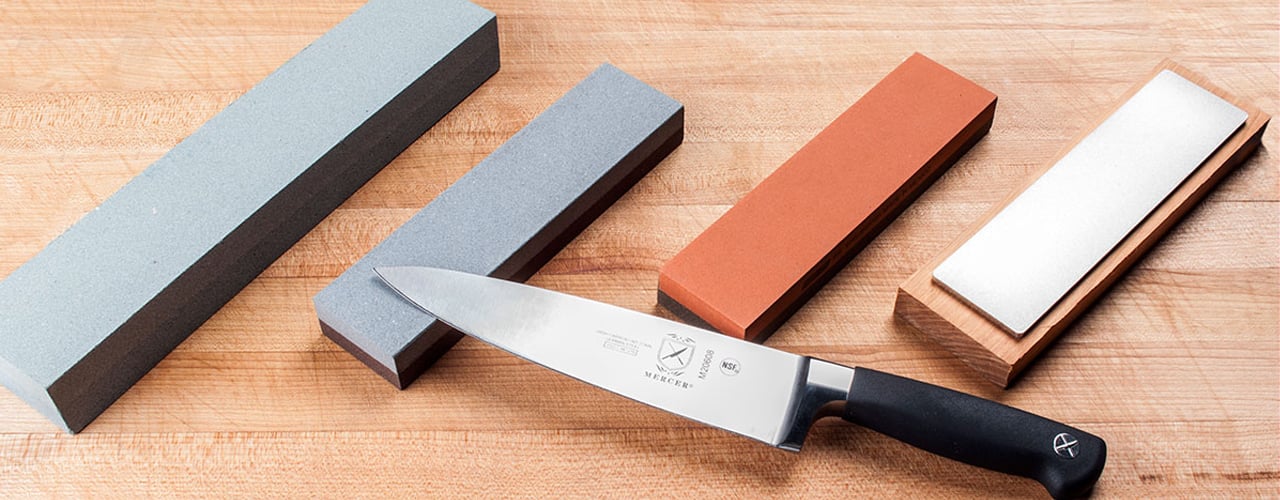
Knife Block Sharpeners Vs. Other Sharpening Tools
To understand how knife block sharpeners compare to other tools, look at this data:
| Sharpener Type | Ease of Use | Sharpening Quality | Price Range |
|---|---|---|---|
| Knife Block Sharpener | Very Easy | Good for maintenance | $30-$150 (with block) |
| Whetstone | Moderate | Excellent | $15-$100 |
| Electric Sharpener | Easy | Very Good | $40-$250 |
| Manual Pull-Through | Easy | Good | $10-$50 |
Knife block sharpeners are best for regular maintenance, while whetstones and electric sharpeners can repair very dull blades.
How Knife Block Sharpeners Work
Knife block sharpeners use abrasive rods made from ceramic or carbide. These rods are set at a fixed angle inside the block’s slot. When you draw your knife through the slot, the rods scrape against the blade, removing a thin layer of metal to create a new edge.
Most blocks set the sharpening angle between 15 and 20 degrees. This angle is good for common kitchen knives but may not suit specialty knives like Japanese chef’s knives, which often require a finer angle.
Types Of Knife Block Sharpeners
There are two main types:
- Built-In Sharpeners: These are part of the knife block. You pull the knife through a special slot, usually labeled “sharpener.”
- Attached Sharpeners: These devices clip onto a block or sit beside it. They work the same way but can be removed for cleaning or replacement.
Some blocks also have multiple slots for different blade types, such as serrated or straight-edge knives.
What Blades Can You Sharpen?
Most knife block sharpeners work with:
- Straight-edge kitchen knives
- Utility knives
- Paring knives
Some blocks include a special slot for serrated knives, but not all. Never use a block sharpener on scissors or specialty blades unless the manufacturer says it’s safe.
Credit: www.webstaurantstore.com
Preparing Your Knife And Sharpener
Before sharpening, check your knife and block:
- Make sure your knife is clean and dry. Food residue can damage both the sharpener and blade.
- Inspect the sharpener slot for debris. If dirty, wipe it gently with a dry cloth.
- Confirm the knife fits the slot. If your blade is too thick or too thin, it may not sharpen properly.
- If possible, read your block’s manual. Some brands give specific instructions or safety warnings.
Safety Tips
- Always hold the block steady. Place it on a flat surface or use a non-slip mat.
- Keep fingers away from the sharpening slot.
- Never force the knife; gentle pressure is safer and more effective.
Step-by-step Guide: How To Use A Knife Block Sharpener
Follow these steps for the best results:
1. Position The Knife
Hold the knife by the handle. Place the blade into the sharpening slot, starting at the heel (the part closest to the handle).
2. Align The Blade
Make sure the blade sits flat against the rods inside the slot. If your block has a guide, use it to keep the angle correct.
3. Pull The Knife Through
Slowly pull the knife through the slot, from heel to tip. Apply light, even pressure—don’t push too hard.
- For most knives, 3–5 passes are enough.
- If your knife is very dull, repeat up to 10 times.
4. Alternate Sides (if Applicable)
Some sharpeners have slots for each side of the blade. If so, alternate sides after each pass.
5. Clean The Knife
After sharpening, wipe the blade with a damp cloth to remove metal shavings.
6. Test The Edge
Try slicing a sheet of paper or a tomato. If the blade cuts smoothly, it’s sharp.
7. Store Safely
Return the knife to the block or place it somewhere safe. Avoid touching the blade edge.
Common Mistakes Beginners Make
Many people make these mistakes:
- Using too much force: This can damage the blade and the sharpener.
- Sharpening dirty knives: Food particles can scratch or clog the rods.
- Skipping cleaning: Always wipe the blade after sharpening.
- Ignoring the angle: If you tilt the blade, it won’t sharpen evenly.
- Over-sharpening: Too many passes wear down the blade.
How Often Should You Sharpen?
Frequency depends on usage:
- Daily cooks: Sharpen once a week.
- Occasional cooks: Sharpen once a month.
- After heavy use: If you cut tough foods, sharpen more often.
You don’t need to sharpen every time you cook. In fact, over-sharpening reduces knife life.
Signs Your Knife Needs Sharpening
- Difficulty slicing soft foods (like tomatoes)
- Blade slips instead of cutting
- Rough or jagged cuts
- You need extra force to cut
Maintenance: Keeping Your Sharpener Working
Knife block sharpeners last longer with care:
- Clean the slot regularly. Every few weeks, use a dry brush to remove metal dust.
- Avoid moisture. Water can rust metal parts or damage ceramic rods.
- Check for wear. If the rods look damaged, replace the sharpener or block.
- Don’t use with non-kitchen blades. Only sharpen knives meant for food.
| Maintenance Task | Frequency | Benefit |
|---|---|---|
| Wipe slot with dry cloth | Weekly | Removes debris |
| Inspect rods for wear | Monthly | Prevents blade damage |
| Replace sharpener (if needed) | Yearly | Keeps sharpening effective |
Choosing A Knife Block Sharpener: What Matters
If you’re buying a new sharpener, consider these factors:
1. Material Of Sharpening Rods
- Ceramic rods: Gentle, ideal for regular maintenance.
- Carbide rods: More aggressive, can handle duller blades but may remove more metal.
2. Sharpening Angle
Most blocks use a fixed angle. Check if it matches your knife type:
- 15–17 degrees: Japanese knives
- 20–22 degrees: Western knives
3. Number Of Slots
Some blocks have multiple sharpeners for different blade types.
4. Block Size And Knife Compatibility
Make sure your knives fit both the storage and sharpener slots.
5. Cleaning And Replacement
Choose a block with removable or replaceable sharpeners for easy maintenance.
6. Price And Brand Reputation
A reliable block costs between $40 and $150. Trusted brands include Wüsthof, Henckels, and Shun.
| Brand | Rod Material | Sharpening Angle | Number of Slots | Removable Sharpener | Price Range |
|---|---|---|---|---|---|
| Wüsthof | Ceramic | 20° | 1-2 | Yes | $100-$150 |
| Henckels | Carbide | 20° | 1 | No | $40-$80 |
| Shun | Ceramic | 16° | 2 | Yes | $120-$200 |
Sharpening Different Knife Types
Not all knives sharpen the same way. Here’s what to know:
Straight-edge Knives
These are easiest to sharpen. Just follow the basic steps. If your knife is thin, use extra care to avoid bending.
Serrated Knives
Some blocks have a special slot for serrated knives. These slots use finer rods and remove less metal. If your block doesn’t support serrated knives, do not use the regular slot—it can ruin the teeth.
Specialty Knives
Japanese knives, cleavers, and thin-blade knives often need a finer angle or special sharpener. Check the block’s manual or use a separate tool.
Advanced Tips: Getting The Most From Your Sharpener
Even with a simple tool, you can improve your results:
1. Use A Honing Steel
After sharpening, use a honing steel to align the edge. This keeps your knife sharper longer.
2. Avoid Over-sharpening
Only sharpen when needed. Too much sharpening wears out the blade.
3. Sharpen One Knife At A Time
Don’t rush. Sharpen each knife individually, checking the edge after each pass.
4. Practice Consistency
Pull the knife at the same speed and pressure each time for an even edge.
5. Lubricate If Advised
Some ceramic rods benefit from a tiny bit of mineral oil. Only use if the manufacturer suggests it.
Non-obvious Insight: Sharpening Isn’t Always Enough
Many people think sharpening is all their knife needs. In reality, honing (realigning the edge) is just as important. If you sharpen but never hone, your knife might feel sharp but still cut poorly. Use a honing steel every few days for best results.
Common Problems And Solutions
People sometimes face these issues:
- Knife still dull after sharpening: Try more passes or use a whetstone for deeper sharpening.
- Blade edge feels rough: Clean the slot and try lighter pressure.
- Sharpener slot is clogged: Use a dry brush to clear debris.
- Rod is worn out: Replace if possible. If not, consider a new block.
Non-obvious Insight: Cleaning Frequency Impacts Performance
Metal dust builds up inside the sharpening slot, especially after repeated use. If you only clean monthly, performance drops. Clean every week for best results.
Knife Block Sharpener Safety
Safety matters:
- Keep children away from the block when sharpening.
- Never sharpen if the block is unstable.
- Store knives with the blade facing away from you.
- If the sharpener breaks or wears out, replace it promptly.
Example: Real-life Safety Incident
A home cook tried sharpening a dirty knife in a crowded kitchen. The knife slipped, causing a minor cut. Lesson: Clean the knife, clear the area, and focus on the task.
The Science Behind Sharpness
Sharpness is about edge geometry. When you sharpen, you remove metal to create a narrow, clean edge. If you use a block sharpener regularly, your knife maintains a precise angle. This means less force is needed to cut, reducing hand fatigue and making food prep safer.
Data: Edge Retention
Research shows that regular maintenance with a block sharpener can extend a knife’s sharpness by up to 2x compared to no sharpening. However, deep sharpening (using a whetstone) is needed for severely dull knives.

Credit: blocksharpener.net
Sharpening Myths Debunked
Many people believe:
- Myth: Sharpening always ruins knives.
- Fact: Proper sharpening extends knife life.
- Myth: All knives need the same angle.
- Fact: Japanese knives require a finer angle than Western knives.
- Myth: You must sharpen every week.
- Fact: Only sharpen as needed.
When To Seek Professional Sharpening
If your knife is chipped, bent, or extremely dull, use a professional service or a whetstone. Block sharpeners are great for maintenance but can’t fix serious damage.
Additional Resources
For more on knife sharpening, visit Wikipedia. This resource covers different sharpening methods and explains blade angles in detail.
Frequently Asked Questions
Can I Sharpen All Knives With A Knife Block Sharpener?
Most knife block sharpeners suit straight-edge kitchen knives. Some blocks have slots for serrated knives, but many do not. Avoid sharpening specialty blades unless your block is designed for them.
How Do I Know If My Knife Block Sharpener Needs Replacing?
If you notice poor sharpening results, visible wear on the rods, or difficulty pulling the knife through, it’s time to replace the sharpener or block. Removable sharpeners make this easier.
Is It Safe To Use A Knife Block Sharpener Daily?
Yes, it’s safe if you use gentle pressure and follow safety tips. Daily sharpening is only needed if you use your knives heavily. Most home cooks sharpen weekly or monthly.
What’s The Difference Between Sharpening And Honing?
Sharpening removes metal to create a new edge. Honing realigns the edge without removing much metal. Use both for best results: sharpen as needed, hone regularly.
Can A Knife Block Sharpener Fix A Chipped Blade?
No. Block sharpeners are for maintenance, not repair. If your knife is chipped, use a whetstone or seek professional sharpening.
Your kitchen knives are some of your most important tools. Using a knife block sharpener the right way keeps them sharp, safe, and effective. With careful technique, regular maintenance, and attention to safety, you’ll make the most of your knives and enjoy smoother, easier cooking every day.
Credit: www.farmandfleet.com

Hello, This is Annie Walker, a 38-year-old blogger, founder, and editor of Cookware Guider from NY, USA. I am a cookware fanatic and passionate cooker. I love to cook with different types of cooking appliances (example: all types of cookware, rice cookers, slow cookers, etc) almost every day in my kitchen. I love to share my experience with my readers in my blog. Also, I enjoy helping people to solve their problems through my website. You can follow me on Twitter & Pinterest. To know details about my blog please check the about us page.