
If you want sharp knives for cooking, a rolling knife sharpener can help. This tool is easy to use, safe, and delivers good results, even if you are a beginner. But many people do not know how to use it correctly.
Using it the right way can make your knives last longer and cut better. In this guide, you will learn everything you need to know about using a rolling knife sharpener, step by step. You will also see practical tips, common mistakes, and answers to questions people often ask.
What Is A Rolling Knife Sharpener?
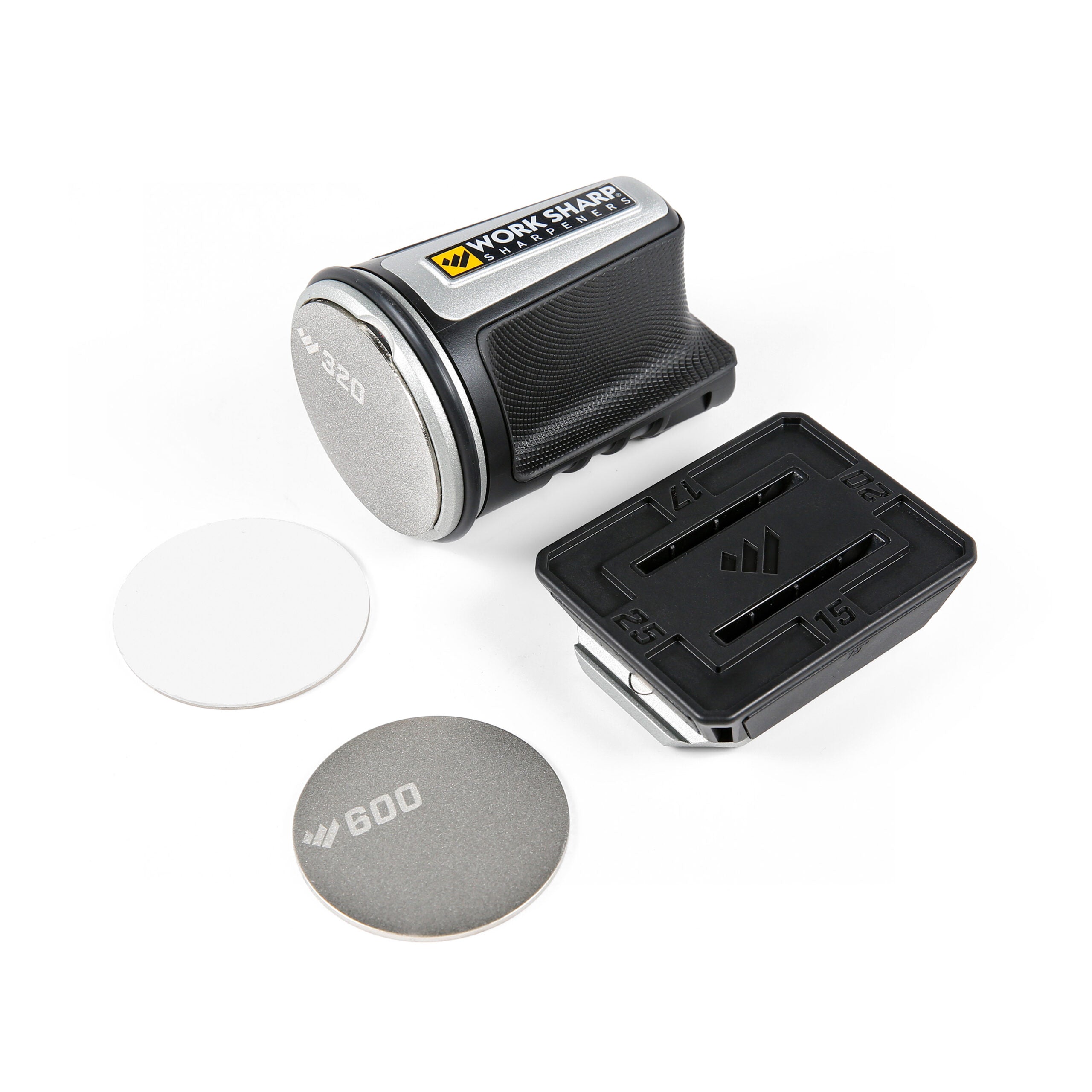
A rolling knife sharpener is a small device for sharpening knives. It usually has a round sharpening wheel and a base that holds the knife. You move the wheel along the blade to sharpen it. Unlike traditional stones or electric sharpeners, a rolling sharpener is simple and does not need much skill.
It can sharpen many types of knives, including chef knives, pocket knives, and even serrated blades.
Rolling knife sharpeners are popular because they are:
- Portable: Small and easy to store.
- Quick: Sharpen a knife in just a few minutes.
- Safe: Less risk of hurting yourself compared to stones or powered sharpeners.
- Affordable: Most models cost between $20 and $60.
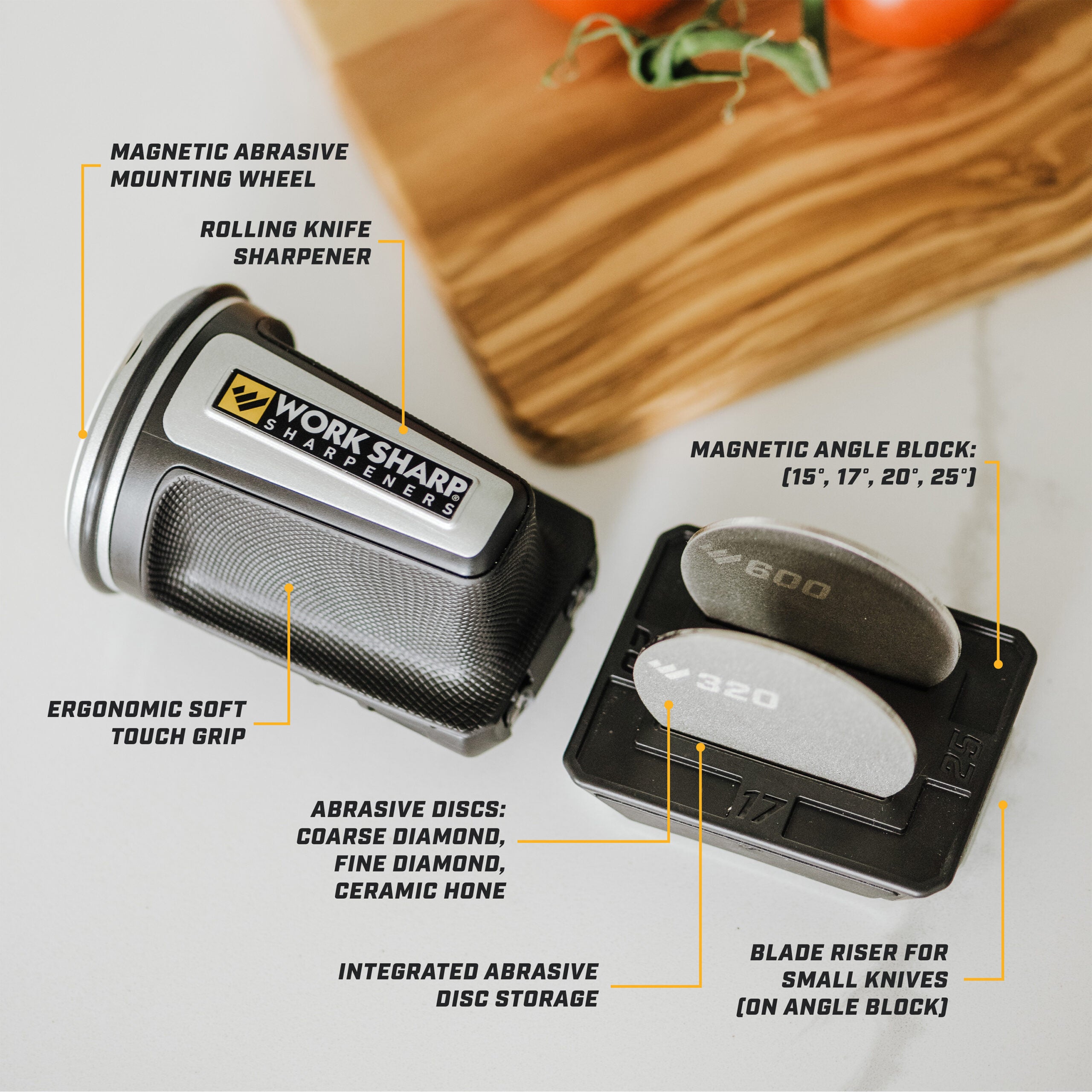
Some models offer adjustable angles, while others stick to a fixed angle. The sharpening wheels are often made from ceramic, diamond, or tungsten carbide. Each material affects how fast and how sharp your knife becomes.
How A Rolling Knife Sharpener Works
The rolling knife sharpener uses friction and the correct angle to sharpen the blade. The wheel spins as you push it along the knife edge. The base helps you keep the right angle and stops the knife from slipping. Here’s what happens:
- The wheel touches the knife edge and removes tiny bits of metal.
- This creates a new, sharp edge.
- You repeat the motion until the whole blade is sharp.
Most rolling sharpeners have guides to help you keep the blade at the correct angle (usually 15–20 degrees). This angle matters—a smaller angle gives a sharper edge but may not last as long, while a wider angle gives a tougher edge.
Common Types Of Rolling Knife Sharpeners
Not all rolling sharpeners are the same. Here are the main types:
- Single-wheel: Has one sharpening wheel for basic sharpening.
- Dual-wheel: Two wheels, often with different grits (coarse and fine).
- Multi-angle: Lets you adjust the angle for different knives.
Some brands, like Horl and Work Sharp, are well known for quality rolling sharpeners.
Credit: worksharptools.com
Preparing To Use A Rolling Knife Sharpener
Before sharpening, you need to get ready. This step matters because it keeps you safe and makes the process smoother.
Check Your Knife
Look at your knife. Is it dull or damaged? If there are chips or deep cracks, a rolling sharpener may not fix these. You might need a professional repair.
Clean The Knife
Wash and dry your knife. Dirt, oil, or water can affect sharpening and may damage the wheel.
Set Up Your Workspace
- Find a flat, stable surface.
- Make sure there is good light.
- Keep away from distractions.
Choose The Right Wheel
If your sharpener has more than one wheel (coarse and fine), start with the coarse wheel for dull knives. Use the fine wheel for regular touch-ups.
Step-by-step Guide: Using A Rolling Knife Sharpener
Now, let’s walk through the process. Follow these steps for best results.
1. Place The Sharpener And Knife
Put the rolling sharpener on the table or counter. Place the knife blade in the holder or guide. Make sure the edge faces the sharpening wheel.
2. Set The Angle
Most rolling sharpeners have angle guides. If yours does, set it to the correct angle for your knife. For chef knives, 15–20 degrees is common.
3. Start Sharpening
Hold the sharpener in one hand and the knife in the other (if required). Roll the sharpening wheel along the edge, from the heel to the tip. Do this slowly and with steady pressure.
- For very dull knives: Use the coarse wheel first, 5–10 passes.
- For regular sharpening: Use the fine wheel, 3–5 passes.
4. Switch Sides
Turn the knife over and repeat the process on the other side. This keeps the edge even.
5. Test The Sharpness
After sharpening, check if the knife is sharp. Try cutting a piece of paper or a tomato. If it slices easily, you are done. If not, repeat the sharpening steps.
6. Clean Up
Wipe the blade with a soft cloth. Clean the sharpener wheel if needed. Some wheels can be rinsed, but check your model’s instructions.
Practical Tips For Best Results
Many users make mistakes that reduce results or damage their knives. Here are practical tips to help:
- Do not press too hard: Let the wheel do the work. Too much force can damage the blade.
- Keep a steady angle: Changing angles creates uneven edges.
- Sharpen both sides equally: Unbalanced sharpening leads to poor cutting.
- Clean after sharpening: Metal dust can build up and damage the sharpener.
- Use the right wheel: Coarse for dull knives, fine for maintenance.
- Sharpen only as needed: Over-sharpening wears down blades.
Non-obvious Insight: Sharpening Frequency
Most home cooks sharpen their knives too often. For average kitchen use, sharpening once a month is enough. For heavy use, sharpen every two weeks. Touch up with the fine wheel in between.
Non-obvious Insight: Angle Matching
Not all knives have the same angle. Japanese knives often use 15 degrees, while Western knives use 20 degrees. Using the wrong angle reduces performance. Check your knife’s specs before sharpening.
Comparing Rolling Knife Sharpeners To Other Sharpeners
Many people wonder how a rolling sharpener compares to other methods. The table below shows main differences:
| Sharpener Type | Ease of Use | Skill Needed | Sharpening Speed | Blade Compatibility |
|---|---|---|---|---|
| Rolling Sharpener | Very Easy | Low | Fast (2–5 mins) | Most knives |
| Whetstone | Medium | High | Slow (10–20 mins) | All knives |
| Electric Sharpener | Easy | Low | Fast (2–3 mins) | Some knives |
| Pull-Through Sharpener | Easy | Low | Fast (1–2 mins) | Few knives |
Rolling sharpeners stand out for their simplicity and safety. Whetstones give the best edge but take more time and skill.
Credit: worksharptools.com
Selecting The Right Rolling Knife Sharpener
Choosing the best rolling knife sharpener depends on your needs. Here’s what matters:
Wheel Material
- Ceramic: Good for fine sharpening and polishing.
- Diamond: Fast and aggressive, ideal for very dull blades.
- Tungsten carbide: Durable, but can be rough on softer knives.
Angle Options
- Fixed angle: Easier for beginners but less flexible.
- Adjustable angle: Better for advanced users and different knife types.
Price And Build Quality
Better materials mean longer life. Avoid very cheap models; they may wear out fast or damage knives.
Brand Reputation
Look for brands with good reviews. Well-known brands often offer better support and replacement parts.
Table: Wheel Materials And Their Effects
| Wheel Material | Sharpening Speed | Edge Quality | Durability |
|---|---|---|---|
| Ceramic | Medium | Fine | High |
| Diamond | High | Very sharp | Very high |
| Tungsten Carbide | High | Medium | Very high |
Mistakes To Avoid When Buying
- Ignoring angle guides: Not all sharpeners fit all knife types.
- Choosing only by price: Cheap models may wear out or damage knives.
- Skipping reviews: Real user experiences matter.
Sharpening Different Types Of Knives
Rolling knife sharpeners work for most kitchen knives, but some special types need extra care.
Chef Knives
These are usually 8–10 inches long and need a sharp edge. Use a 15–20 degree angle and both coarse and fine wheels.
Paring Knives
Small and thin. Use the fine wheel only, with light pressure.
Serrated Knives
Some rolling sharpeners can sharpen serrated blades. Use a special wheel and angle, following the manual.
Pocket Knives And Outdoor Blades
Use a rolling sharpener with an adjustable angle. Outdoor knives often need a tougher edge (20–22 degrees).
Table: Knife Types And Sharpening Angles
| Knife Type | Recommended Angle | Wheel to Use |
|---|---|---|
| Chef Knife | 15–20° | Coarse & Fine |
| Paring Knife | 15–18° | Fine |
| Serrated Knife | 20–22° | Special |
| Pocket Knife | 20–22° | Coarse & Fine |
Maintaining Your Rolling Knife Sharpener
A rolling sharpener can last for years if you take care of it. Here’s how:
- Clean wheels often: Metal dust can clog the wheel.
- Check for wear: Wheels wear down over time. Replace if sharpening slows.
- Store safely: Keep away from moisture and dirt.
- Follow manufacturer’s instructions: Each model may have special care steps.
Some wheels can be cleaned with water, others need a dry brush. Do not use soap unless the manual says it’s safe.
Safety Tips When Sharpening
Safety is important. Even though rolling sharpeners are safer than stones, you must be careful.
- Keep fingers away from the blade: Hold the handle, not the edge.
- Do not rush: Sharpen slowly for best control.
- Use a stable surface: Avoid slippery or uneven tables.
- Wear cut-resistant gloves: Especially if you are new to sharpening.
Most accidents happen when users are distracted or hurry. Take your time.
Real-life Example: Sharpening A Chef Knife
Let’s see how these steps work in practice:
Maria, a home cook, uses a rolling sharpener to restore her chef knife. She cleans the blade, sets the sharpener to 15 degrees, and rolls the diamond wheel along the edge five times. She switches to the fine ceramic wheel, does three passes, and tests by slicing a tomato.
The knife cuts smoothly. She wipes the blade and stores the sharpener.
Maria repeats this process once a month. Her knives stay sharp, and she spends less time struggling in the kitchen.
Frequently Asked Questions
How Often Should I Sharpen My Knives With A Rolling Knife Sharpener?
For average kitchen use, sharpen once a month. If you cook daily, every two weeks is better. Touch up with the fine wheel between main sharpenings. Over-sharpening can wear out the blade.
Is A Rolling Knife Sharpener Safe For Expensive Knives?
Yes, if used correctly. Choose a model with adjustable angles and quality wheels. Avoid pressing too hard or sharpening too often. High-quality knives need careful handling, but a rolling sharpener is less likely to damage them than electric models.
Can I Use A Rolling Sharpener For Serrated Knives?
Some rolling sharpeners come with special wheels for serrated blades. Check your model’s manual. Not all rolling sharpeners can handle serrated edges, so choose one that offers this option if needed.
What Is The Difference Between Coarse And Fine Sharpening Wheels?
The coarse wheel removes more metal and is used for very dull blades. The fine wheel polishes and refines the edge. For routine maintenance, use only the fine wheel. For badly dull knives, start with coarse then finish with fine.
How Do I Clean My Rolling Knife Sharpener?
Most wheels can be wiped with a dry cloth or brushed. Some models allow rinsing with water, but check the instructions first. Regular cleaning prevents metal dust buildup and keeps the sharpener working well.
If you want more details about knife sharpening, visit Wikipedia for expert information.
Sharp knives make cooking easier and safer. With a rolling knife sharpener, you can keep your blades in top shape without much effort. Follow the steps above, avoid common mistakes, and you will have sharp knives for years. If you want to try something new or improve your sharpening skills, the rolling sharpener is a smart choice.
Remember, the right tool and technique mean less stress, better food, and safer kitchens.

Credit: www.youtube.com

Hello, This is Annie Walker, a 38-year-old blogger, founder, and editor of Cookware Guider from NY, USA. I am a cookware fanatic and passionate cooker. I love to cook with different types of cooking appliances (example: all types of cookware, rice cookers, slow cookers, etc) almost every day in my kitchen. I love to share my experience with my readers in my blog. Also, I enjoy helping people to solve their problems through my website. You can follow me on Twitter & Pinterest. To know details about my blog please check the about us page.