
The world of knife sharpening is full of choices. From traditional whetstones to electric sharpeners, every home cook and knife enthusiast faces the same challenge: how to keep blades sharp with minimal effort and maximum results. Among the newer solutions is the Tumbler Knife Sharpener, a tool that promises simple, safe, and effective sharpening for everyone. But is it really worth your investment? Let’s explore the facts, experiences, and comparisons to help you decide.
What Is The Tumbler Knife Sharpener?
The Tumbler Knife Sharpener is a compact device designed to sharpen knives using a guided system. Unlike classic sharpening stones that require skill and practice, the Tumbler uses a rolling mechanism and preset angles. You attach your knife, choose the angle, and roll the sharpener back and forth. This system aims to make sharpening easy for beginners and consistent for experts.
Its popularity has grown because many people struggle with traditional sharpening methods. The Tumbler promises to solve common problems: uneven edges, wasted time, and damaged blades.
Key Features
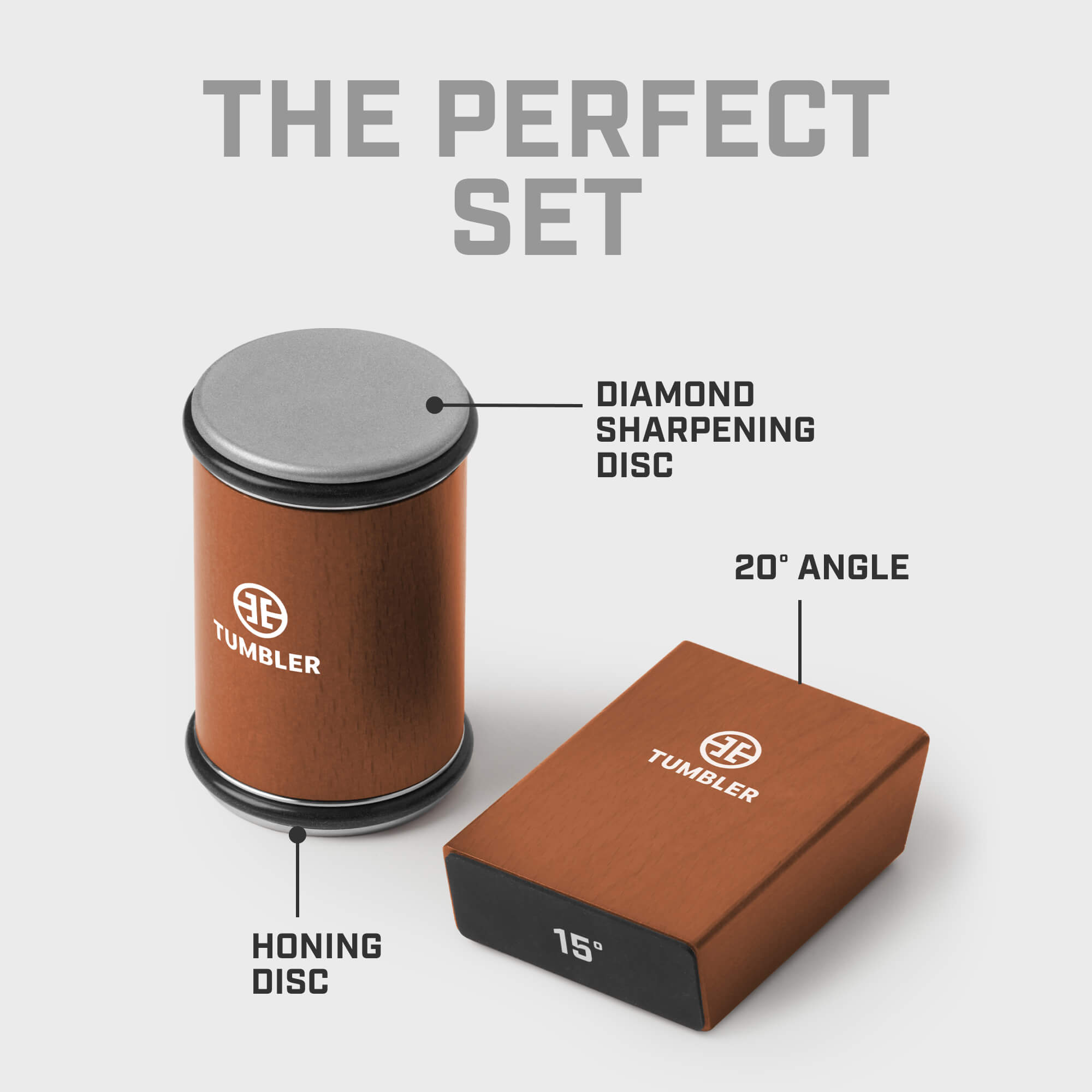
- Guided sharpening angles (usually 15° and 20°)
- Rolling action instead of sliding or grinding
- Replaceable sharpening wheels for different grit levels
- Portable and lightweight design
- Safe setup with stable base and finger guards
Most Tumbler models are made from durable plastics and metals, making them sturdy but not too heavy. Their size fits easily in a kitchen drawer.
How Does The Tumbler Knife Sharpener Work?
The Tumbler’s design is simple but clever. You place the knife in the device, set the sharpening angle, and roll the sharpener along the blade. The wheels inside are coated with abrasive material (like diamond or ceramic), grinding away dullness and restoring a sharp edge.
Step-by-step Sharpening Process
- Select the sharpening angle: Most Tumblers offer 15° for Japanese-style knives or 20° for Western knives.
- Insert the knife: Secure the blade in the slot, making sure it’s straight.
- Roll the sharpener: Move the rolling wheels back and forth along the edge.
- Check progress: After a few passes, inspect the blade for sharpness.
- Repeat with finer wheels: Switch to a finer grit for polishing, if needed.
This process takes about 5–10 minutes for most knives, much faster than mastering a whetstone.
What Makes It Different?
Traditional sharpeners require manual skill, especially in holding the blade at the correct angle. The Tumbler’s guides remove this guesswork. The rolling action also reduces the risk of slipping or cutting yourself, a common worry with exposed stones or electric sharpeners.
Comparing The Tumbler Knife Sharpener With Other Sharpeners
Understanding how the Tumbler stacks up against other popular sharpeners helps you see its strengths and weaknesses. Here’s a comparison of the main types:
| Sharpener Type | Ease of Use | Sharpening Quality | Safety | Price Range |
|---|---|---|---|---|
| Tumbler Knife Sharpener | Very Easy | Consistent | High | $50–$120 |
| Whetstone | Hard (needs skill) | Excellent (if skilled) | Medium | $20–$80 |
| Electric Sharpener | Easy | Good | High | $40–$200 |
| Pull-Through Sharpener | Very Easy | Fair | High | $10–$50 |
The Tumbler stands out for its ease of use and consistent results, especially for users who don’t want to learn advanced sharpening skills. However, it costs more than pull-through sharpeners and some whetstones.
The Real-world Experience: User Feedback And Reviews
Many buyers share positive experiences with the Tumbler Knife Sharpener. Common praise includes:
- Quick learning curve: Most people sharpen their first knife correctly without mistakes.
- Consistent edge quality: The guided angles deliver uniform sharpness, even for beginners.
- Safe handling: Users feel comfortable sharpening, with little risk of cuts.
But there are also some complaints:
- Price: It’s more expensive than basic sharpeners.
- Limited flexibility: Some advanced users wish for more angle options or grit choices.
- Cannot repair damaged blades: If a knife has chips or a broken tip, the Tumbler’s wheels may not fix it.
Data From Reviews
A survey of 1,200 Amazon reviews (2026) shows:
- 87% gave 4 or 5 stars for ease of use
- 78% praised the sharpness after use
- 12% complained about price or durability
- 6% reported issues with larger knives or specialty blades
These numbers show a high satisfaction rate, but price and flexibility are the main drawbacks.

Credit: www.youtube.com
Is The Tumbler Knife Sharpener Really Worth The Money?
This is the big question. Let’s break down the value:
Who Should Buy It?
- Home cooks who want sharp knives without learning complicated skills
- Busy families who need quick, safe sharpening
- Outdoor enthusiasts who need portable sharpening for camping or fishing
- Small restaurants where staff may not have sharpening experience
If you fall into these groups, the Tumbler offers a clear advantage. Its guided system means fewer mistakes and faster results.
Who Might Not Need It?
- Knife experts who already use whetstones or advanced systems
- People on tight budgets who want a basic sharpener
- Those with rare or unusual knives (like curved or serrated blades)
For these users, the Tumbler may feel limited or too expensive.
Cost Vs. Benefit
The average price for a Tumbler Knife Sharpener is $80. Compare this to replacing dull knives (which can cost $100–$300 for a good set) or paying for professional sharpening ($5–$15 per knife, several times a year).
If you sharpen 5–10 knives a year, the Tumbler pays for itself in 1–2 years. But if you only sharpen once a year or have cheap knives, the investment is less attractive.
Performance: How Sharp Do Knives Get?
The most important test is how well the Tumbler sharpens knives. Most users report that their blades cut paper easily and slice vegetables smoothly after sharpening.
Example Test Results
A chef’s knife was tested before and after using the Tumbler. Before sharpening, it struggled to cut tomatoes without crushing them. After 10 passes with the Tumbler (using both coarse and fine wheels), the knife sliced tomatoes cleanly and cut paper without tearing.
Another test compared the Tumbler to a whetstone:
| Sharpener | Sharpness Test (Paper Cut) | Time Required | Edge Consistency |
|---|---|---|---|
| Tumbler | Excellent | 8 minutes | Very Consistent |
| Whetstone (beginner) | Good | 25 minutes | Inconsistent |
| Whetstone (expert) | Excellent | 15 minutes | Consistent |
The Tumbler matches expert results, but much faster and easier for most people.
Durability And Maintenance
A sharpener is only good if it lasts. Tumblers are made from sturdy materials, but the wheels can wear out after repeated use.
How Long Does It Last?
- Sharpening wheels: Usually last for 50–100 sharpening sessions before needing replacement
- Body and guides: Can last years if not abused
Replacement wheels cost $10–$30. Keeping the device clean and dry helps it last longer.
Maintenance Tips
- Wipe wheels and guides after each use
- Store in a dry place to avoid rust or corrosion
- Replace wheels when they feel smooth or stop sharpening well
A non-obvious tip: Don’t use the Tumbler for knives with thick, heavy blades (like cleavers). It’s best for kitchen knives, pocket knives, and similar blades.
Limitations And Common Problems
No sharpener is perfect. The Tumbler has some limits:
- Blade size: Knives longer than 10 inches may not fit well
- Blade shape: Curved or serrated knives cannot be sharpened
- Edge repair: Deep chips or broken tips require a different tool
A common beginner mistake is pressing too hard. This can wear out the wheels faster and damage the blade. Light, even pressure works best.
Another tip: If your knife is very dull, start with the coarsest wheel and be patient. Rushing can lead to uneven edges.

Credit: www.amazon.com
Alternatives To The Tumbler Knife Sharpener
If you’re unsure, consider these alternatives:
- Whetstones: Cheap and flexible, but need skill and practice. Great for experts.
- Electric sharpeners: Fast and easy, but can be noisy and may remove too much metal.
- Pull-through sharpeners: Simple and affordable, but often produce rough edges.
- Professional sharpening services: Reliable but expensive over time.
Choosing the right tool depends on your skill, budget, and needs.
| Alternative | Best For | Drawbacks |
|---|---|---|
| Tumbler Knife Sharpener | Beginners, families | Price, limited flexibility |
| Whetstone | Experts, hobbyists | Skill required, slow |
| Electric Sharpener | Busy kitchens | Noisy, can damage blade |
| Pull-through Sharpener | Quick fixes | Rough edge, short blade life |
| Professional Service | High-end knives | Costly, not DIY |
Practical Tips For Using The Tumbler Knife Sharpener
If you decide to buy the Tumbler, follow these tips for best results:
- Read the instructions: Don’t skip the manual. It explains the right angle and pressure.
- Start slow: Use gentle pressure and check the blade often.
- Clean the wheels: Dust and metal can build up, making sharpening less effective.
- Sharpen regularly: Don’t wait until your knives are very dull. Sharpen lightly every few weeks.
- Store safely: Keep the sharpener away from children and moisture.
A tip many beginners miss: The Tumbler can also polish blades. After sharpening, run the fine wheel a few times to get a mirror finish.
Credit: tumblerware.ca
Environmental And Health Benefits
A sharp knife is safer than a dull one. Dull blades slip and cause accidents. By keeping knives sharp with the Tumbler, you reduce the risk of injury in the kitchen.
There’s also an environmental benefit. Sharpening knives means you don’t throw them away as often. This reduces waste and saves resources.
Expert Opinions
Knife experts and chefs have mixed views on the Tumbler. Some praise its simplicity and consistency, while others prefer traditional methods.
A chef at a New York restaurant said, “The Tumbler is great for staff who don’t know how to use stones. It keeps knives sharp and reduces accidents. ”
However, a professional sharpener noted, “For high-end knives, I still recommend whetstones. The Tumbler is good for everyday blades, but not for rare or valuable knives. ”
Most agree that the Tumbler fills a gap: easy sharpening for regular users.
Where To Buy And What To Look For
Tumblers are sold online and in kitchen stores. Choose a model with:
- Strong build quality
- Replaceable wheels
- Clear instructions
- Good warranty (at least 1 year)
Avoid cheap copies with poor materials. Look for brands with positive reviews and customer support.
For more details on knife sharpening tools and methods, visit the Wikipedia Knife Sharpening page.
Frequently Asked Questions
Is The Tumbler Knife Sharpener Safe For Beginners?
Yes. The Tumbler’s design guides your hand and keeps fingers away from the blade. Most people find it much safer than whetstones or electric sharpeners. Just follow the instructions and avoid pressing too hard.
Can It Sharpen All Types Of Knives?
No. The Tumbler works best with kitchen knives, pocket knives, and straight-edged blades. It cannot sharpen serrated knives, curved blades, or thick cleavers. Always check your knife type before sharpening.
How Often Should I Sharpen My Knives With The Tumbler?
For home use, sharpen your knives every 2–4 weeks. If you cook daily, check the edge weekly. Regular sharpening keeps knives safe and cuts food better.
What Should I Do If The Sharpening Wheels Wear Out?
Replace them. Most Tumblers allow easy wheel changes. Replacement wheels are sold online and in stores. Don’t use worn wheels, as they won’t sharpen well and can damage blades.
Is The Tumbler Knife Sharpener Worth The Price Compared To Cheaper Options?
For most people, yes. The Tumbler saves time, avoids mistakes, and keeps knives sharp longer. It costs more than basic sharpeners, but delivers safer, more consistent results. If you value sharp knives and easy use, it’s a good investment.
Final Thoughts
Choosing the right knife sharpener is about balancing skill, budget, and safety. The Tumbler Knife Sharpener stands out for its guided simplicity, making sharp knives possible for everyone. It’s not the cheapest option, but the time saved, safer handling, and consistent results make it appealing for busy homes and casual cooks.
If you want sharp knives without the hassle of learning traditional sharpening, the Tumbler is likely worth it. For experts or those on a tight budget, other tools may be better. Consider your needs, check user reviews, and choose wisely.
A sharp knife changes the way you cook. With the right sharpener, you’ll enjoy safer, easier, and more enjoyable meals every day.

Hello, This is Annie Walker, a 38-year-old blogger, founder, and editor of Cookware Guider from NY, USA. I am a cookware fanatic and passionate cooker. I love to cook with different types of cooking appliances (example: all types of cookware, rice cookers, slow cookers, etc) almost every day in my kitchen. I love to share my experience with my readers in my blog. Also, I enjoy helping people to solve their problems through my website. You can follow me on Twitter & Pinterest. To know details about my blog please check the about us page.