
Is There A Knife That Never Needs Sharpening?
Knives are an essential tool in every kitchen, workshop, and outdoor adventure. We rely on them for preparing meals, crafting, and survival. But one problem always returns: dull blades. Sharpening a knife takes time, skill, and tools. Many people wish for a simple solution—a knife that stays sharp forever. Is this possible, or just a dream? In this article, we’ll explore what makes a knife dull, the science behind blade sharpness, and whether there’s truly a knife that never needs sharpening. You’ll learn about different materials, modern innovations, and practical advice for choosing the right knife for your needs.
Why Do Knives Get Dull?
Every knife, no matter how expensive or well-made, will eventually lose its sharp edge. This happens because of friction and wear. Every time you cut something, the blade rubs against the material. Over time, this causes the edge to round off and lose its sharpness.
Factors That Cause Dullness
- Blade Material: Softer steels and alloys lose sharpness faster. Harder materials last longer but can chip.
- Usage: Cutting tough objects (like bone or frozen food) wears the blade quicker.
- Maintenance: Washing a knife in a dishwasher or improper storage can damage the edge.
- Angle of the Edge: Sharper angles cut better but dull faster. Steeper angles are more durable but less sharp.
- Corrosion: Water and acids can cause rust, weakening the blade.
A common mistake is using a knife for tasks it wasn’t designed for. For example, cutting cardboard or metal with a kitchen knife will dull the blade much faster.
The Science Behind Blade Sharpness
To understand if a knife can stay sharp forever, we need to look at the science. Knife sharpness depends on the microstructure of the blade and how it interacts with the materials being cut.
Blade Hardness Vs Toughness
- Hardness means the blade resists deformation. Harder blades stay sharp longer, but are more likely to chip.
- Toughness means the blade resists breaking and chipping. Tougher blades are less likely to chip, but can dull faster.
A perfect knife would balance hardness and toughness, but in reality, there’s always a trade-off. If you make a blade extremely hard, it can chip easily. If you make it tough, it may dull quickly.
| Material | Hardness (HRC) | Toughness | Edge Retention |
|---|---|---|---|
| Carbon Steel | 58-62 | High | Medium |
| Stainless Steel | 55-60 | Medium | Medium |
| Ceramic | 70-75 | Low | High |
| Tungsten Carbide | 72-75 | Low | Very High |
As you can see, materials with higher hardness often have lower toughness. This is why ceramic knives are sharp but can break easily.
Are There Truly Ever-sharp Knives?
Let’s answer the big question: Is there a knife that never needs sharpening?
Ceramic Knives
Ceramic knives are made from zirconium dioxide, which is much harder than steel. They are very sharp and can stay sharp for years if used correctly. However, they are brittle. Drop a ceramic knife, and it may break or chip.
Advantages:
- Excellent edge retention
- No rust
- Lightweight
Disadvantages:
- Brittle—easy to chip or break
- Not suitable for hard or frozen foods
- Difficult to sharpen at home
Ceramic knives can go years without sharpening, but they are not truly “forever sharp. ” If the edge chips, you cannot use them until repaired.
Tungsten Carbide And Titanium Knives
Some modern knives use tungsten carbide or titanium coatings. Tungsten carbide is harder than steel, giving excellent edge retention. Titanium is less hard but resists corrosion well.
Advantages:
- Durable edge
- Good for outdoor use
Disadvantages:
- Edge can still dull over time
- Coating may wear off
“self-sharpening” Knives
Some brands sell knives with built-in sharpeners in the sheath or block. Every time you pull the knife out, it rubs against a sharpening surface.
Advantages:
- Always sharp for daily use
- No need to sharpen manually
Disadvantages:
- May wear out the blade quickly
- Not true “never sharpen” knives
Micro-edge Technology
A few companies use advanced micro-edge technology to keep blades sharp longer. These knives have special grooves or tiny structures along the edge. They cut better and dull slower. But even these knives will eventually need sharpening.
The Myth Of “forever Sharp”
There is no material known to science that can withstand constant use and never dull. Even diamonds, the hardest material, can wear down over time. Claims of “never sharpen” knives are mostly marketing. Every blade needs maintenance.
Comparing Knife Types For Edge Retention
Choosing the right knife depends on how often you use it and what you cut. Here’s a comparison of popular knife types:
| Knife Type | Edge Retention | Durability | Sharpening Frequency |
|---|---|---|---|
| Carbon Steel | Medium | High | Monthly |
| Stainless Steel | Medium | Medium | Every 2-3 months |
| Ceramic | High | Low | Yearly |
| Tungsten Carbide | Very High | Low | Every 1-2 years |
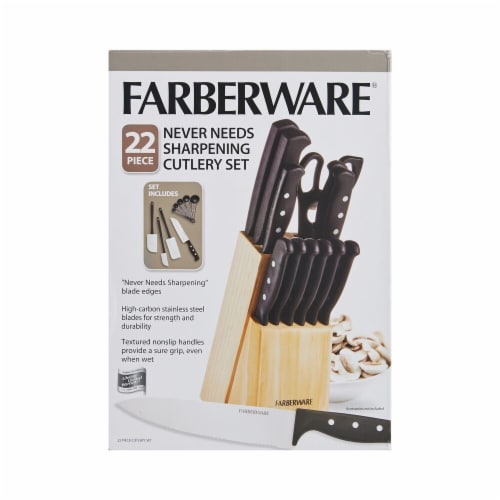
| Self-Sharpening | Medium | Medium | Rarely (auto) |
Ceramic and tungsten carbide knives last longer but are more fragile. Self-sharpening knives provide convenience but still need occasional attention.
Common Marketing Claims And Reality
Many brands advertise “ever-sharp” or “never sharpen” knives. These claims are not always true. Here’s what you should know:
- Hidden Fine Print: Most “never sharpen” knives last longer, but not forever.
- Coated Blades: Some knives use coatings for sharpness. These coatings wear off.
- Built-in Sharpeners: Knife blocks with sharpeners help, but they also grind away metal every use.
- Special Alloys: New alloys resist dulling, but every knife loses sharpness eventually.
A non-obvious insight: The best way to keep a knife sharp is to use it properly. Avoid cutting hard objects and store knives carefully. Many people damage their knives by cutting on glass, stone, or metal surfaces. Always use a wood or plastic cutting board.
Innovations In Knife Materials
Modern science is searching for better knife materials. Here are some recent innovations:
Powder Metallurgy Steels
Powder metallurgy creates steel with very fine particles, making blades harder and stronger. Examples include CPM S30V and S90V. These steels are used in high-end knives and offer excellent edge retention.
Nitrogen-based Steels
Nitrogen replaces some carbon in the steel, making it more corrosion resistant and tough. Brands like LC200N use this technology for knives that stay sharp longer and resist rust.
Diamond-edge Knives
Some knives use a diamond coating for extra sharpness. Diamond is the hardest material known. However, diamond coatings can wear off, and the knife still needs maintenance.

Credit: bpsknives.com
Practical Tips For Choosing A Long-lasting Knife
If you want a knife that stays sharp as long as possible, here’s how to choose wisely:
- Pick the Right Material: Ceramic and powder metallurgy steels last longer, but may cost more.
- Use for Intended Purpose: Don’t use kitchen knives for outdoor tasks or tough materials.
- Store Properly: Use blade guards or a knife block. Avoid leaving knives in a drawer.
- Clean Carefully: Wash knives by hand. Dishwashers can dull the blade.
- Use a Good Cutting Surface: Wood or plastic boards help keep the edge sharp.
A common mistake is buying the hardest knife available. Hard knives are sharp, but they can chip or break with rough use. Balance is key.
Maintenance Matters: The Role Of Sharpening
Even the best knife needs care. Here’s how to keep your knife sharp for years:
Honing Vs Sharpening
- Honing realigns the edge. Do it often to keep blades sharp.
- Sharpening removes material to create a new edge. Do it less often.
Many people confuse honing and sharpening. Honing can be done with a steel rod. Sharpening requires a stone or machine.
Frequency Of Maintenance
| Knife Type | Honing Frequency | Sharpening Frequency |
|---|---|---|
| Carbon Steel | Weekly | Monthly |
| Stainless Steel | Every 2 weeks | Every 2-3 months |
| Ceramic | Rarely | Yearly |
Proper maintenance can double the life of a blade. Many beginners miss this: Honing is as important as sharpening.
Non-obvious Insights For Beginners
- Edge Geometry Matters: The shape of the edge affects how long it stays sharp. Thicker edges last longer but are less sharp. If you want a knife that stays sharp, consider a less acute edge.
- Microchips and Rolls: Many knives look dull, but the edge has tiny chips or rolls. These are hard to see but affect cutting. A simple honing can fix some issues without full sharpening.
- Sharpening Angle: Using the correct angle is key. Most kitchen knives are sharpened at 15–20 degrees. Outdoor knives are at 20–25 degrees.
Many people sharpen at the wrong angle and make the knife dull faster. Always check your knife’s instructions.
Knife Brands And Their Ever-sharp Claims
Let’s look at some brands that claim “never sharpen” knives:
- Forever Sharp: Sells knives with serrated edges. Serrations stay sharp longer, but are hard to sharpen.
- Kyocera: Famous for ceramic knives. They stay sharp for years, but can chip.
- Cutco: Offers a “forever sharp” guarantee. You can send knives back for sharpening, but the blade does dull.
Always read the fine print. Guarantees often mean the company will sharpen the knife for you, not that the knife never needs sharpening.
Environmental Impact: Disposable Knives Vs Durable Knives
Some people buy cheap knives and replace them when dull. This creates waste and costs more over time. Durable knives with good maintenance last longer and are better for the environment.
A non-obvious insight: The production of ceramic and tungsten carbide knives uses more energy and resources. While they last longer, they may have a higher environmental footprint.
What About Outdoor And Survival Knives?
Outdoor knives face tougher conditions. They cut wood, rope, and even bone. Edge retention is critical.
- Fixed Blade Knives: More durable. Can be sharpened in the field.
- Folding Knives: Convenient, but may dull faster.
For survival, choose a tough steel like 1095 carbon or D2 tool steel. These can be sharpened easily and handle rough tasks.
Credit: www.reddit.com
The Role Of Serrated Knives
Serrated knives stay sharp longer because the points take most of the wear. Bread knives and some outdoor knives use serrated edges. However, they are harder to sharpen and may not cut smoothly.
- Bread Knife: Stays sharp for years.
- Utility Knife: Serrated edges last longer.
Real-world Examples: How Long Do Knives Stay Sharp?
- A ceramic knife used for fruits and vegetables can stay sharp for up to 2 years without sharpening.
- A carbon steel chef’s knife used daily may need sharpening every month.
- A tungsten carbide utility knife can last 1–2 years with light use.
Usage, maintenance, and cutting surfaces all affect edge life.
Credit: www.smithsfoodanddrug.com
Is A “never Sharpen” Knife Possible?
Based on science and real-world use, the answer is no. There is no knife that never needs sharpening. Even the best materials will dull over time with use. Claims of “forever sharp” knives are marketing, not reality.
However, you can pick knives that stay sharp longer and require less maintenance. Ceramic, powder metallurgy steel, and tungsten carbide knives offer the best edge retention. With proper care, you can minimize sharpening.
If you want to read more about blade materials and their properties, visit Wikipedia.
Frequently Asked Questions
Can Ceramic Knives Break Easily?
Yes, ceramic knives are brittle. They can chip or break if dropped or used on hard materials. Use them only for soft foods and handle with care.
How Often Should I Sharpen A Kitchen Knife?
It depends on the material and usage. Carbon steel knives may need monthly sharpening. Stainless steel knives can go 2–3 months. Ceramic knives often last a year or more.
Are Self-sharpening Knife Blocks Good?
Self-sharpening blocks are convenient. They keep knives sharp for daily use, but can wear out the blade over time. They don’t replace professional sharpening.
What Is The Best Material For A Knife That Stays Sharp Longest?
Tungsten carbide and ceramic offer the best edge retention. However, they are brittle. Powder metallurgy steels like S30V and S90V balance sharpness and toughness.
Is It Possible To Sharpen A Serrated Knife?
Yes, but it’s harder. You need special tools to sharpen each serration. Many people replace serrated knives instead of sharpening them.
A knife that never needs sharpening is not possible today. But with careful choice and proper maintenance, you can enjoy sharp knives for years. Know the limits of each material, avoid common mistakes, and take care of your blades. That’s the real secret to lasting sharpness.

Hello, This is Annie Walker, a 38-year-old blogger, founder, and editor of Cookware Guider from NY, USA. I am a cookware fanatic and passionate cooker. I love to cook with different types of cooking appliances (example: all types of cookware, rice cookers, slow cookers, etc) almost every day in my kitchen. I love to share my experience with my readers in my blog. Also, I enjoy helping people to solve their problems through my website. You can follow me on Twitter & Pinterest. To know details about my blog please check the about us page.