
Many people feel frustrated when their knife still seems dull after sharpening. You spend time with your sharpening stones, follow the steps, and expect a razor-sharp edge. But when you slice a tomato or try to prep vegetables, the blade drags or tears instead of slicing smoothly.
Why does this happen? The answer is more complex than you might think. Let’s explore the real reasons behind a dull knife after sharpening and how you can finally get that keen edge you want.
Understanding Knife Sharpness
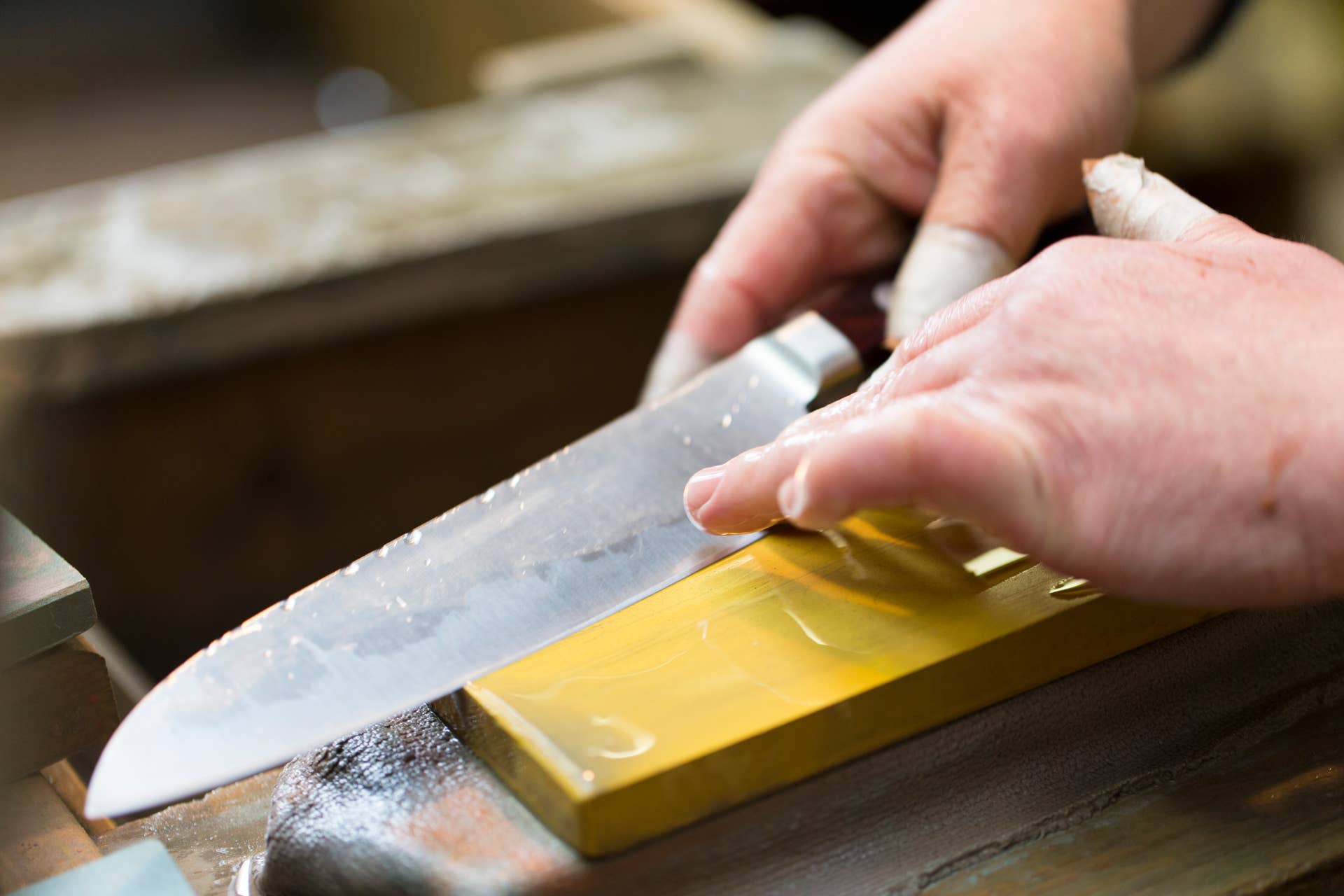
Sharpness is more than just the look of the blade. A truly sharp knife has a fine, even edge that can cut through food with little effort. Even a slight mistake during sharpening can lead to a dull feeling, even if the knife looks shiny.
A sharp edge means the blade comes to a very thin point. If that point is rounded, chipped, or uneven, the knife won’t cut well. It can help to imagine a knife edge under a microscope—tiny imperfections make a big difference.
Common Mistakes When Sharpening
Many people make similar errors that keep their knives dull, even after sharpening. Here are the most common issues:
- Wrong Sharpening Angle: Most kitchen knives are sharpened at an angle between 15 and 20 degrees. If you use a wider angle, the edge becomes thick and blunt. If the angle changes during sharpening, the edge won’t be consistent.
- Using the Wrong Grit: Starting with a fine stone on a very dull knife will not remove enough metal. You need a coarse grit to shape the edge, then progress to finer stones to polish it.
- Skipping Grits or Steps: Moving from a coarse stone straight to a fine one can leave a rough edge. Each step is needed for a smooth, sharp finish.
- Not Removing the Burr: A burr is a tiny fold of metal that forms on the edge during sharpening. If you don’t remove it, the knife will feel dull or catch during cutting.
- Uneven Pressure: Pressing too hard or not hard enough leads to an uneven edge. Consistency is key.
How Sharpening Tools Affect Your Knife
Not all sharpening tools are created equal. Let’s compare how different methods can impact your results.
| Tool | Pros | Cons |
|---|---|---|
| Whetstone | Precise, best results with practice | Requires skill and time |
| Pull-Through Sharpener | Quick, easy for beginners | Can remove too much metal, uneven angles |
| Electric Sharpener | Fast, consistent angle | May grind edge too aggressively, less control |
| Honing Rod | Realigns edge, quick maintenance | Does not sharpen, only maintains |
If you’re using a pull-through or electric sharpener, your knife may never become truly sharp if the tool is set to the wrong angle for your knife. Whetstones offer the best results but need practice to use well.
Burr Formation And Removal
A burr is a small, raised fold of metal that forms on the knife edge during sharpening. Feeling for the burr with your fingers is a key step. If you don’t remove the burr completely, it will bend back and forth, making the knife feel dull.
Here’s a simple process to check for and remove the burr:
- After sharpening one side, gently slide your finger from the spine toward the edge (be careful).
- Feel for a tiny roughness or catch along the edge. That’s the burr.
- Flip the knife and repeat the process on the other side.
- Use a finer stone or strop to gently polish away the burr for a smooth, sharp edge.
Many beginners skip this step, so the knife never reaches its full sharpness.
The Role Of Honing And Stropping
Honing and stropping are not the same as sharpening. Honing with a rod realigns the edge but doesn’t remove metal. Stropping (often using leather) polishes the edge and removes micro-burrs. After sharpening, a few passes on a strop can make a huge difference in sharpness.
A common insight: Many home cooks never strop their knives. This last step often takes the edge from “pretty good” to “razor sharp.”
Steel Quality And Knife Condition
Not all knives are made from the same steel. Softer steels get dull faster and may not take a fine edge, no matter how much you sharpen. Harder steels can be sharper but are harder to sharpen and may chip if not done correctly.
If your knife is very old, bent, or has visible damage, sharpening may not fix the problem. Check for chips, bends, or cracks in the edge. Sometimes, a professional repair is needed before sharpening will work.

Credit: www.sharpeningsupplies.com
Over-sharpening And Edge Fatigue
It’s possible to over-sharpen a knife, especially with aggressive tools or stones. Each time you sharpen, you remove metal. If you sharpen too often, you can wear away the edge, making it too thin and weak to hold sharpness. The edge may roll or dull quickly after minimal use.
A good rule is to sharpen only when the knife really needs it, and maintain the edge with regular honing.
Comparing Sharpness: How To Test Your Knife
There are several ways to check if your knife is truly sharp after sharpening:
| Test | What It Shows | How to Do It |
|---|---|---|
| Paper Test | Edge smoothness | Try slicing thin paper. A sharp knife slices easily without catching. |
| Tomato Test | Edge keenness | Try slicing a ripe tomato. The skin should cut without crushing. |
| Shaving Arm Hair | Extreme sharpness | Gently try to shave a small patch of hair. Only for advanced users! |
If your knife fails these tests after sharpening, go back and check your technique.
Credit: www.mensjournal.com
Real-world Example: Fixing A Dull Knife After Sharpening
Let’s say you sharpen your kitchen knife on a whetstone, but it still feels dull. What should you do?
- Check Your Angle: Are you maintaining a consistent 15-20 degree angle? Try marking the edge with a permanent marker. If the ink is not removed evenly, your angle is inconsistent.
- Feel for the Burr: After sharpening, gently feel for a burr along the edge. If you can’t find one, you may need to use a coarser stone.
- Use the Right Grit Sequence: Start with a coarse stone (around 400-800 grit), move to medium (1000-3000), and finish with fine (6000+). Skipping grits leaves roughness behind.
- Strop the Edge: Use a leather strop or even a piece of cardboard to polish the edge. This last step removes micro-burrs and gives a keen finish.
- Test the Edge: Try the paper or tomato test. If you still have trouble, repeat the process with attention to pressure and consistency.
Why Kitchen Knives Feel Dull Faster
Kitchen knives often dull quickly because of daily use, especially on hard cutting boards or with tough foods. Here’s a quick look at how cutting surfaces affect sharpness:
| Cutting Surface | Effect on Edge |
|---|---|
| Wood | Gentle on knife, keeps edge longer |
| Plastic | Moderate, better than glass |
| Glass/Ceramic | Very harsh, dulls knife quickly |
| Stone/Marble | Damages edge, never recommended |
Always use a wooden or soft plastic board to protect your knife’s edge.
Two Insights Many Miss
- Sharpening Is Not Always the Solution: If your knife is dull after sharpening, the problem might be the steel quality, edge damage, or poor maintenance. Sometimes, fixing the cause (like using a better cutting board or knife) is more effective than repeated sharpening.
- Edge Geometry Matters: Even if you make the edge “sharp,” if it’s too thick or the angle is too wide, it won’t feel sharp in use. Some knives are designed for durability, not razor sharpness. Thinning the edge by regrinding at a lower angle (carefully) can improve performance.
When To Seek Professional Help
If you’ve tried all the steps above and your knife is still dull, it may be time to visit a professional sharpener. They can fix edge geometry, remove chips, or reprofile the blade as needed. This is especially important for expensive or high-quality knives.
A professional can also help you understand if your sharpening tools or methods are right for your knife type. For more on different sharpening approaches, see this America.edu: Knife sharpening guide.

Credit: www.youtube.com
Frequently Asked Questions
Why Does My Knife Get Dull So Quickly Even After Sharpening?
The edge may be too thin, or you’re using a hard cutting surface. Also, some knives are made from soft steel that loses sharpness faster. Proper storage and using the right cutting board can help knives stay sharp longer.
Can A Knife Be Too Sharp?
In theory, yes—a very thin edge cuts well but can be fragile and dull fast. For most kitchen tasks, you want a balance between sharpness and durability.
How Often Should I Sharpen My Kitchen Knife?
For home cooks, sharpening every few months is enough. Hone the knife with a rod every week or two to keep the edge aligned.
What Is The Difference Between Honing And Sharpening?
Honing realigns the edge without removing metal, keeping the knife sharp between sharpenings. Sharpening removes metal to create a new edge.
Why Is Stropping Important After Sharpening?
Stropping removes tiny burrs and polishes the edge, giving you a smoother and sharper knife. Skipping this step often leaves the edge feeling dull or rough.
A sharp knife is more than just a tool—it’s a pleasure to use and safer, too. By understanding the reasons behind post-sharpening dullness and improving your technique, you can enjoy smooth, effortless cutting every time you step into the kitchen.

Hello, This is Annie Walker, a 38-year-old blogger, founder, and editor of Cookware Guider from NY, USA. I am a cookware fanatic and passionate cooker. I love to cook with different types of cooking appliances (example: all types of cookware, rice cookers, slow cookers, etc) almost every day in my kitchen. I love to share my experience with my readers in my blog. Also, I enjoy helping people to solve their problems through my website. You can follow me on Twitter & Pinterest. To know details about my blog please check the about us page.