
Have you ever cooked a meal only to find it stuck stubbornly to your stainless steel cookware? It’s frustrating, wastes food, and makes cleaning a nightmare.
But what if you could learn simple tricks to keep your food from sticking every time you cook? Imagine the satisfaction of perfectly cooked meals sliding off your pans with ease and your cleanup time cut in half. You’ll discover easy, practical tips that will transform how you use your stainless steel pots and pans.
Keep reading, and say goodbye to sticky messes for good.
Credit: www.foodnetwork.com
Choosing The Right Stainless Steel
Choosing the right stainless steel cookware helps prevent food from sticking. Different types of stainless steel affect cooking performance. Understanding grades and surface finishes guides you to better choices. This knowledge ensures a smoother cooking experience.
Grades And Quality
Stainless steel comes in different grades. The most common for cookware is 304 or 18/8. This means it has 18% chromium and 8% nickel. It resists rust and corrosion well. Another grade is 316, also called marine grade. It has more nickel and molybdenum for higher resistance. Higher grades often mean better durability and less food sticking. Choose grades with good corrosion resistance for long-lasting pans.
Surface Finish Types
The surface finish of stainless steel affects how food cooks. A smooth, polished finish is less likely to trap food. Brushed finishes have tiny lines and can hold food more. Mirror finishes reflect light and feel slick to touch. Some cookware has a slightly textured finish to improve heat flow. Avoid rough or matte finishes if you want less sticking. A shiny, smooth surface usually makes cooking and cleaning easier.
Proper Seasoning Techniques
Proper seasoning techniques help keep food from sticking to stainless steel pans. These methods create a smoother surface. They also improve cooking results and make cleaning easier. Seasoning involves heating and oiling the pan correctly. This forms a thin layer that prevents sticking.
Preheating The Pan
Start by heating the pan on medium heat. Let it warm for a few minutes. You want the pan hot but not smoking. Test by sprinkling a few drops of water. If they dance and evaporate, the pan is ready. Preheating helps close the metal pores. This stops food from sticking and burning.
Using Oil Effectively
After preheating, add a small amount of oil. Use oils with a high smoke point like canola or vegetable oil. Swirl the oil around to coat the surface evenly. Let the oil heat until it shimmers but does not smoke. This creates a non-stick layer. Add food only after oil is hot. This step reduces sticking and helps food cook evenly.
Controlling Heat Levels
Controlling heat levels is key to prevent food from sticking to stainless steel cookware. Stainless steel heats unevenly if the temperature is too high. Proper heat control creates a natural non-stick surface.
Optimal Temperature Range
Keep the heat medium to medium-high for best results. This range allows the pan to warm evenly. It helps form a thin layer of oil that stops food from sticking. Test the heat by sprinkling a few drops of water. If they dance or sizzle, the temperature is right.
Avoiding Overheating
High heat causes food to burn and stick to the pan. Overheating damages the cookware’s surface over time. It also wastes energy. Always start with medium heat and adjust as needed. Lower the heat when oil smokes or food cooks too fast.

Credit: www.youtube.com
Preparing Food Correctly
Preparing food correctly helps prevent sticking on stainless steel cookware. Simple steps before cooking make a big difference. These steps improve cooking results and keep your pans clean. Focus on drying ingredients and using the right oils for best results.
Drying Ingredients
Wet food causes steam and makes sticking worse. Always pat meat, fish, and vegetables dry with paper towels. Removing moisture helps create a good sear on the surface. Dry ingredients brown nicely and release easier from the pan.
Using Appropriate Cooking Oils
Choose oils with high smoke points like canola, vegetable, or grapeseed oil. These oils stay stable at high heat and prevent food from sticking. Avoid butter or olive oil alone because they burn quickly. Adding oil at the right temperature also helps create a non-stick surface.
Cooking Methods To Prevent Sticking
Preventing food from sticking to stainless steel cookware is possible with the right cooking methods. These methods help create a natural barrier between the food and the pan. Using proper heat and timing plays a big role. Understanding when to sear, brown, flip, or stir can make your cooking easier and your food tastier.
Searing And Browning Tips
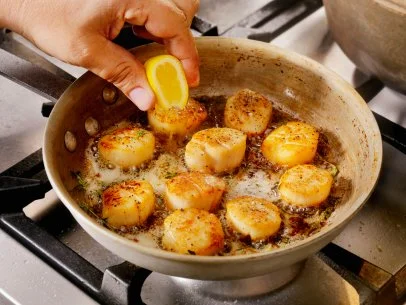
Preheat the pan before adding oil or food. Wait until the pan is hot but not smoking. Add a thin layer of oil to cover the surface. Let the oil heat until it shimmers. Place the food in the pan without crowding it. Avoid moving the food too soon. Let it form a brown crust naturally. This crust helps release the food from the pan easily.
When To Flip Or Stir
Let the food cook undisturbed for a few minutes. Check if the edges start to lift or brown. This means the food is ready to flip or stir. Flip only once to avoid breaking the crust. Stir gently to keep pieces separate and cook evenly. Stirring too often can cause sticking. Patience improves the cooking and reduces mess.
Credit: www.potsandpans.in
Cleaning And Maintenance
Cleaning and maintaining stainless steel cookware keeps it looking new and works well. Proper care stops food from sticking and helps the pan last longer.
Regular cleaning removes leftover food and oil. Good maintenance protects the surface from scratches and stains. Follow these tips to keep your cookware in great shape.
Removing Residue
Use warm water and mild dish soap to clean your pan after use. A soft sponge or cloth works best. Avoid steel wool or rough scrubbers that scratch the surface.
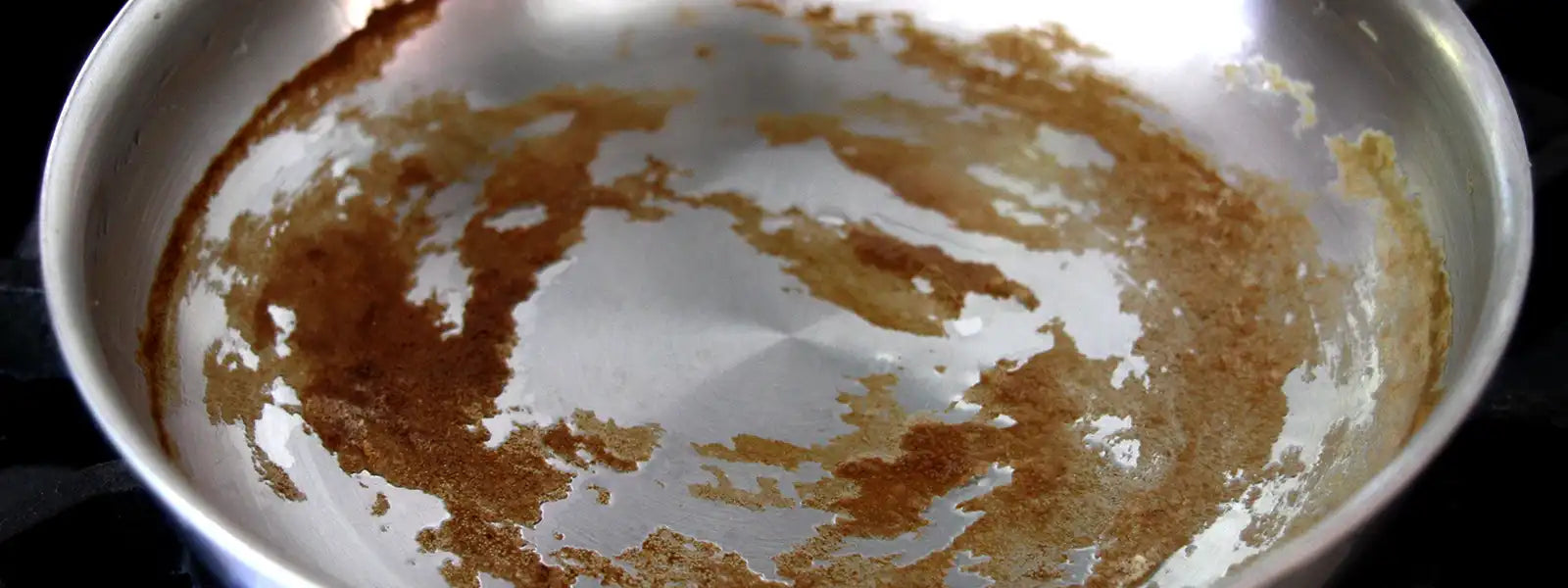
For stuck-on food, soak the pan in warm soapy water for a few minutes. Then, gently scrub with a non-abrasive sponge. Baking soda mixed with water can help remove tough stains.
Rinse well and dry the pan completely. Water spots can form if the pan is left wet.
Avoiding Damage To Surface
Heat your pan slowly to protect the surface. Avoid using high heat right away. Use wooden, silicone, or plastic utensils to prevent scratching.
Do not use harsh cleaners or bleach. These can damage the finish and make food stick more. Store pans with care, stacking them with soft cloth in between.
Keep your cookware dry and clean after every use. This simple habit stops rust and preserves the surface shine.
Frequently Asked Questions
How Do I Prevent Food From Sticking To Stainless Steel Pans?
Preheat your pan properly before adding oil or food. Use enough oil to create a non-stick layer. Avoid moving food too soon; let it form a natural release. These steps minimize sticking and ensure easy cooking and cleanup.
Why Does Food Stick To Stainless Steel Cookware?
Food sticks due to improper heating or insufficient oil. Cold pans cause proteins to bond with the surface. Overcrowding the pan traps moisture, increasing sticking. Correct heat and proper oil use prevent food from adhering.
Can I Use Oil To Stop Sticking On Stainless Steel?
Yes, using oil creates a barrier between food and pan. Heat the oil until it shimmers before adding food. This method reduces sticking and helps achieve even cooking on stainless steel.
Is It Better To Preheat Stainless Steel Pans?
Preheating is essential for stainless steel cookware. It allows the pan to reach an even temperature. This prevents food from sticking and promotes proper searing and cooking.
Conclusion
Keeping food from sticking to stainless steel cookware takes some practice. Heat the pan well before adding oil. Use enough oil or butter to create a barrier. Avoid moving food too soon; let it form a crust. Clean the pan properly after each use to keep it smooth.
These small steps make cooking easier and cleanup faster. Enjoy cooking with less frustration and better results every time. Simple habits lead to great meals and happy kitchens.

Hello, This is Annie Walker, a 38-year-old blogger, founder, and editor of Cookware Guider from NY, USA. I am a cookware fanatic and passionate cooker. I love to cook with different types of cooking appliances (example: all types of cookware, rice cookers, slow cookers, etc) almost every day in my kitchen. I love to share my experience with my readers in my blog. Also, I enjoy helping people to solve their problems through my website. You can follow me on Twitter & Pinterest. To know details about my blog please check the about us page.