
Are you worried about the safety of your cookware? Stainless steel pots and pans are a popular choice in many kitchens, but you might wonder if they’re truly safe for you and your family.
What if the very tools you use to prepare your meals could affect your health? You’ll discover the facts about stainless steel cookware—how it works, what risks (if any) it carries, and how to use it safely. By the end, you’ll feel confident about whether stainless steel belongs on your stove.
Keep reading to protect your health and make smart choices in your kitchen.
Health Benefits
Choosing the right cookware affects your health and cooking quality. Stainless steel cookware is popular for its health benefits. It offers a safe cooking surface that protects food from harmful substances. Many people trust it to keep meals healthy and flavorful. Understanding its health benefits helps make better kitchen choices.
Non-reactive Surface
Stainless steel has a non-reactive surface. This means it does not react with acidic or alkaline foods. Foods like tomatoes, vinegar, or citrus stay pure in flavor. The metal does not release any unwanted taste or chemicals into the food.
Benefits of a non-reactive surface:
- Preserves the natural taste of food
- Prevents discoloration of food
- Maintains food’s nutritional value
- Safe for cooking all types of ingredients
Other cookware materials, like aluminum or copper, can sometimes react with food. This can lead to metallic tastes or food contamination. Stainless steel avoids these risks. It keeps every meal safe and tasty.
No Harmful Chemicals
Stainless steel cookware does not contain harmful chemicals like PFOA or PTFE. These chemicals are often found in non-stick pans and can release toxic fumes at high heat. Using stainless steel means cooking without worrying about these toxins.
Key points about stainless steel safety:
- Made from iron, chromium, and nickel
- No coating that can peel or chip
- Does not emit harmful gases when heated
- Safe for high-temperature cooking
Many health experts recommend stainless steel for safer cooking. It avoids exposure to toxic substances linked to health problems. This cookware is ideal for families who want clean and safe meals.
Durability And Longevity
Stainless steel is strong and durable. It lasts many years with proper care. This durability means fewer replacements and less waste.
Advantages of stainless steel’s long life:
- Resists rust and corrosion
- Handles high heat without damage
- Does not warp or dent easily
- Maintains its shiny surface over time
Durability also supports health by avoiding cracks or damage where bacteria can grow. This cookware is easy to clean and maintain. Its long lifespan makes it a smart choice for healthy cooking and saving money.
Credit: thegoodlifedesigns.com
Potential Risks
Stainless steel cookware is popular for its durability and sleek look. Many trust it for daily cooking. Still, some potential risks exist. These risks relate to the metals used in stainless steel and how food interacts with it. Understanding these risks helps you use stainless steel safely and wisely.
Nickel And Chromium Leaching
Stainless steel contains metals like nickel and chromium. These metals can sometimes leach, or release, into food. This usually happens under certain conditions, such as high heat or cooking acidic foods. The amount of metal that leaches is generally small, but it may add up over time.
Factors that affect metal leaching include:
- Type of stainless steel (304, 316, etc.)
- Cooking temperature
- Duration of cooking
- Food acidity level
- Condition of the cookware (scratched or new)
Here is a simple table showing typical nickel and chromium content in common stainless steel types:
| Steel Grade | Nickel Content (%) | Chromium Content (%) |
|---|---|---|
| 304 | 8-10 | 18-20 |
| 316 | 10-14 | 16-18 |
Most people do not face issues from this leaching. Still, those with nickel sensitivity or high intake of acidic foods should be careful. Using well-seasoned or higher quality stainless steel can reduce leaching.
Allergic Reactions
Some people have allergies to metals like nickel. Stainless steel contains nickel, so it may cause reactions in sensitive individuals. Allergic reactions can appear as skin rashes or irritation after contact with the cookware.
Common signs of metal allergy include:
- Redness or itching on hands after touching cookware
- Blisters or dry patches on the skin
- Swelling or discomfort
These symptoms occur mainly when the skin touches the metal. Cooking food in stainless steel usually does not cause allergies. But, small metal particles in food might trigger reactions in rare cases.
People with known nickel allergies can:
- Use nickel-free cookware options, like ceramic or cast iron
- Choose high-grade stainless steel with low nickel content
- Test new cookware on a small skin area before regular use
Awareness and caution help manage allergic risks. Checking cookware labels and choosing trusted brands is important.
Effect Of Cooking Acidic Foods
Acidic foods like tomatoes, vinegar, and citrus can react with stainless steel. This reaction may increase metal leaching and change the food’s taste or color. Acidic ingredients break down the protective layer on stainless steel, exposing metals underneath.
Effects of cooking acidic foods in stainless steel:
- Metal ions may enter the food more easily
- Food might develop a metallic or bitter taste
- Cookware surface could discolor or stain
- Long cooking times increase these effects
To reduce risks, follow these tips:
- Cook acidic dishes for shorter times
- Avoid storing acidic food in stainless steel containers
- Use cookware with a higher grade (316) for better resistance
- Keep the cookware clean and free from scratches
Proper care and usage help maintain safety and food quality. Stainless steel remains a good choice, even for acidic cooking, with correct handling.
Comparing Cookware Materials
Choosing the right cookware affects cooking results and health safety. Comparing different materials helps find the best option for everyday use. Stainless steel, non-stick, cast iron, and aluminum are popular choices. Each has unique features, benefits, and drawbacks. Understanding these differences clarifies which cookware is safe and suits your kitchen needs.
Stainless Steel Vs Non-stick
Stainless steel cookware is durable and does not react with acidic or alkaline foods. It can handle high heat without damage. This makes it ideal for searing and browning. Non-stick pans have a coating that prevents food from sticking. They require less oil for cooking and are easy to clean.
- Durability: Stainless steel lasts longer and resists scratches.
- Heat tolerance: Stainless steel works on high heat; non-stick should avoid very high heat to prevent coating damage.
- Health safety: Stainless steel does not release harmful chemicals. Non-stick coatings may release toxins if overheated.
- Maintenance: Non-stick pans need gentle cleaning; stainless steel can handle scrubbing.
| Feature | Stainless Steel | Non-Stick |
|---|---|---|
| Heat Resistance | High heat safe | Low to medium heat |
| Durability | Very durable | Coating can wear off |
| Health Safety | Non-reactive | Possible toxins if overheated |
| Cleaning | Dishwasher safe | Hand wash recommended |
Stainless Steel Vs Cast Iron
Cast iron cookware is known for excellent heat retention and even cooking. It can last for generations if cared for properly. Stainless steel heats quickly and cools faster. It is lighter than cast iron, making it easier to handle.
- Weight: Cast iron is heavy; stainless steel is lighter and easier to lift.
- Heat distribution: Cast iron heats evenly but slowly; stainless steel heats fast but may have hotspots.
- Care: Cast iron needs seasoning to stay non-stick and rust-free. Stainless steel requires no special care.
- Versatility: Both can be used on various stovetops and ovens, but cast iron is better for slow cooking and frying.
| Feature | Stainless Steel | Cast Iron |
|---|---|---|
| Weight | Light to medium | Heavy |
| Heat Retention | Moderate | Excellent |
| Maintenance | Easy | Requires seasoning |
| Non-Stick | Not naturally non-stick | Becomes non-stick with seasoning |
Stainless Steel Vs Aluminum
Aluminum is lightweight and heats very quickly. It is a good conductor of heat but can react with acidic foods, changing the taste and color. Stainless steel does not react with food and is more durable. Aluminum cookware is often coated or anodized to prevent reactions.
- Weight: Aluminum is lighter than stainless steel.
- Heat conduction: Aluminum heats more evenly and faster.
- Reactivity: Aluminum can react with acidic or alkaline foods; stainless steel is non-reactive.
- Durability: Stainless steel is tougher and resists dents better.
| Feature | Stainless Steel | Aluminum |
|---|---|---|
| Weight | Heavier | Lightweight |
| Heat Conductivity | Good | Excellent |
| Food Reactivity | Non-reactive | Reactive unless coated |
| Durability | High | Lower |
Credit: www.pureandsimplenourishment.com
Care And Maintenance
Stainless steel cookware is popular for its durability and safe cooking surface. Proper care and maintenance keep it looking good and working well for years. Cleaning and handling it the right way helps avoid stains, rust, and scratches. Knowing when to replace your cookware ensures safe and healthy meals. This section covers easy tips to clean, protect, and maintain your stainless steel pots and pans.
Cleaning Tips
Cleaning stainless steel cookware is simple but requires some care. Avoid harsh chemicals that can damage the surface. Use warm water, mild dish soap, and a soft sponge or cloth. For stuck-on food, soak the cookware in warm soapy water for 10-15 minutes before scrubbing gently.
- Use non-abrasive scrubbers: Soft sponges or nylon scrubbers work best.
- Remove water spots: Wipe with a cloth dampened with white vinegar.
- Polish with baking soda: Make a paste of baking soda and water, apply it, then rinse well.
For tough stains, try this simple cleaning method:
- Fill the pan with water and add 1-2 tablespoons of baking soda.
- Bring to a boil and simmer for 15 minutes.
- Let it cool, then scrub gently and rinse.
| Cleaning Method | Best For | Notes |
|---|---|---|
| Warm Soapy Water | Daily cleaning | Gentle and safe |
| Baking Soda Paste | Stains and discoloration | Non-toxic and effective |
| Vinegar Wipe | Water spots and shine | Use diluted vinegar |
Avoiding Damage
Stainless steel cookware is tough but not indestructible. Avoid damage by following some simple rules. Never use steel wool or harsh scouring pads. These can scratch and ruin the finish. Avoid sudden temperature changes, such as placing hot cookware in cold water. This can warp the metal.
- Use wooden or silicone utensils: Metal tools can scratch the surface.
- Preheat gradually: Heat the pan on low or medium heat before increasing temperature.
- Do not overheat empty pans: High heat can cause discoloration and damage.
Store cookware properly to avoid dents and scratches. Stack pans with a soft cloth or paper towel between them. Avoid overcrowding in cabinets or drawers. Check lids and handles regularly for loose screws or damage. Fix any issues promptly to prevent accidents.
| Damage Type | Cause | Prevention |
|---|---|---|
| Scratches | Metal utensils, abrasive scrubbers | Use wooden/silicone utensils, soft sponges |
| Warping | Sudden temperature changes | Gradual heating, avoid cold water on hot pans |
| Discoloration | Overheating empty pans | Preheat gently, avoid high heat without food |
When To Replace Cookware
Stainless steel cookware lasts many years but not forever. Replace pans and pots if they show signs of serious damage. Deep scratches, cracks, or warping affect cooking quality and safety. Warped pans do not heat evenly, causing food to burn or cook unevenly.
Watch for loose handles or broken lids. These make handling unsafe. Rust spots that do not come off with cleaning are also a sign to replace cookware. Rust can affect food safety and taste.
Use this checklist to decide if replacement is needed:
- Severe warping causing uneven cooking
- Deep scratches or pits on the cooking surface
- Loose or broken handles and lids
- Persistent rust spots
- Cracks or holes in the cookware body
Proper care extends the life of stainless steel cookware. Replace only when safety or cooking quality is at risk. Well-maintained cookware provides safe, healthy meals for many years.
Choosing Safe Stainless Steel
Choosing safe stainless steel cookware is key to healthy cooking and long-lasting kitchen tools. Not all stainless steel is equal. Selecting the right type and quality ensures durability and safety. Understanding grades, quality markers, and official certifications helps pick the best cookware. This section guides through these important factors for safe stainless steel.
Grades And Types
Stainless steel cookware comes in different grades and types. These grades tell about the metal’s composition and quality. The most common types used in cookware are:
- 304 (18/8) Stainless Steel: Contains 18% chromium and 8% nickel. It is rust-resistant and very durable.
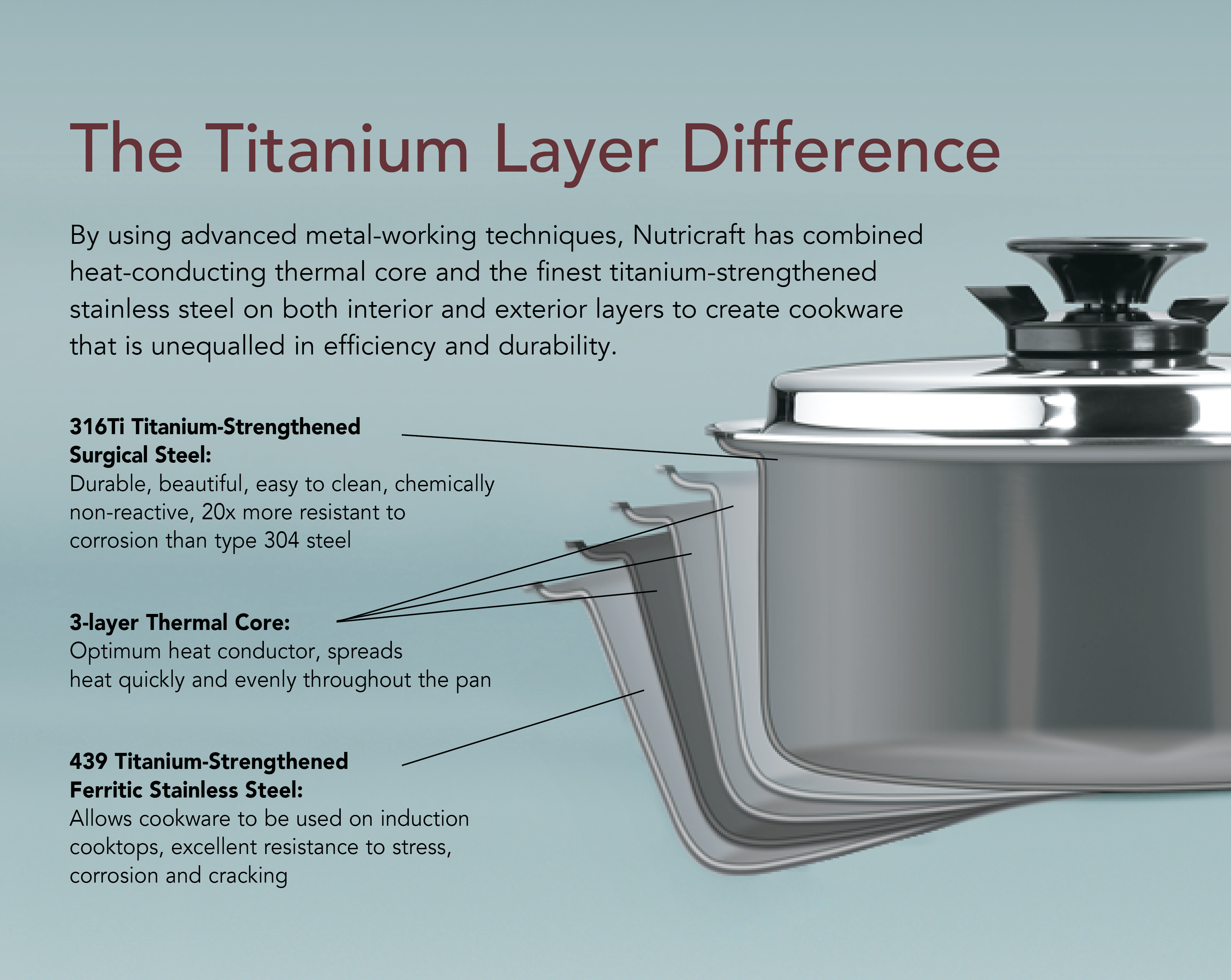
- 316 (18/10) Stainless Steel: Has 16% chromium, 10% nickel, and adds molybdenum. It is more resistant to corrosion and ideal for salty or acidic foods.
- 430 Stainless Steel: Contains 17% chromium but no nickel. It is magnetic and less resistant to corrosion than 304 and 316.
304 and 316 are the safest and most popular for cookware. They do not react with food and resist rust well.
| Grade | Chromium (%) | Nickel (%) | Use | Corrosion Resistance |
|---|---|---|---|---|
| 304 (18/8) | 18 | 8 | Cookware, kitchen appliances | High |
| 316 (18/10) | 16 | 10 | Cookware, medical tools | Very High |
| 430 | 17 | 0 | Cookware, automotive parts | Moderate |
Choosing 304 or 316 stainless steel cookware is safer for your health and lasts longer. Avoid lower grades that can rust or leach metals into food.
Identifying High-quality Sets
High-quality stainless steel cookware has clear signs. These signs help avoid cheap or unsafe products.
- Weight: Good stainless steel feels heavy for its size. Thin, light pans may warp and damage easily.
- Construction: Look for multi-ply or layered construction. It improves heat distribution and prevents hotspots.
- Finish: Smooth, polished surfaces show care in manufacturing. Rough or uneven finishes can trap food and cause corrosion.
- Handles: Sturdy, riveted handles ensure safety and durability. Welded or loose handles are less reliable.
Check the product description for terms like “tri-ply,” “clad,” or “bonded layers.” These indicate quality layers of stainless steel and aluminum for better cooking.
Brands with good reputation often provide clear details about materials and construction. Read customer reviews to see real experiences. Look for warranties that cover damage or defects.
Certifications And Standards
Certifications ensure stainless steel cookware meets safety and quality rules. They protect consumers from harmful materials or poor quality.
Important standards to check include:
- FDA Approval: Confirms materials are safe for food contact.
- NSF Certification: Ensures cookware is made to high health and sanitation standards.
- ISO Standards: Shows manufacturer follows international quality control processes.
Look for marks or labels on packaging or product descriptions. These certifications give confidence in the cookware’s safety.
Some cookware also meets European standards (LFGB) that test for harmful chemicals. This is common in high-end brands.
Certifications help avoid products containing lead, cadmium, or other toxins. They confirm stainless steel is pure and safe for cooking.
Credit: nutricraftcookware.com
Frequently Asked Questions
Is Stainless Steel Cookware Non-toxic And Safe?
Yes, stainless steel cookware is non-toxic and safe. It does not leach harmful chemicals into food. High-quality stainless steel contains no harmful coatings, making it ideal for everyday cooking.
Can Stainless Steel Cookware Cause Metal Poisoning?
No, stainless steel cookware does not cause metal poisoning. It is made from food-grade alloys that are stable and safe. Trace amounts of metals released during cooking are minimal and not harmful.
Does Stainless Steel Cookware React With Acidic Foods?
Stainless steel cookware is generally non-reactive with acidic foods. It resists corrosion and does not alter taste. However, low-quality steel may react slightly, so choose high-grade stainless steel for best results.
How To Maintain And Clean Stainless Steel Cookware?
Clean stainless steel cookware with warm soapy water after use. Avoid harsh abrasives to keep the surface smooth. Regular polishing helps maintain shine and prevents staining, ensuring durability and safety.
Conclusion
Stainless steel cookware is a safe choice for everyday cooking. It does not release harmful chemicals into your food. This material is strong and lasts a long time. Cleaning is easy and does not affect its safety. Proper care helps keep your cookware in good shape.
Using stainless steel means you cook healthy meals without worry. Choose quality brands and avoid scratches to stay safe. Overall, stainless steel offers peace of mind in your kitchen. Safe cooking is simple with the right cookware.

Hello, This is Annie Walker, a 38-year-old blogger, founder, and editor of Cookware Guider from NY, USA. I am a cookware fanatic and passionate cooker. I love to cook with different types of cooking appliances (example: all types of cookware, rice cookers, slow cookers, etc) almost every day in my kitchen. I love to share my experience with my readers in my blog. Also, I enjoy helping people to solve their problems through my website. You can follow me on Twitter & Pinterest. To know details about my blog please check the about us page.