
Choosing the best material for your bakeware can make all the difference in your baking results. Whether you’re a beginner or a seasoned baker, the right pan helps your cakes rise evenly, your cookies brown perfectly, and your breads develop the ideal crust.
But with so many options out there—like aluminum, silicone, glass, and more—how do you know which one is right for your kitchen? Keep reading to discover the pros and cons of each material, so you can bake with confidence and enjoy delicious treats every time.
Your perfect bakeware is closer than you think!
Types Of Bakeware Materials
Choosing the best material for bakeware plays a big role in baking success. Different materials affect heat distribution, cooking times, and the final texture of baked goods. Understanding the types of bakeware materials helps pick the right tool for each recipe. Each material offers unique benefits and some drawbacks. This guide covers metal, glass, ceramic, silicone, and stoneware to help find the perfect match for your kitchen.
Metal Bakeware
Metal bakeware is a popular choice in many kitchens. It heats up quickly and offers even heat distribution. This makes metal pans ideal for recipes that need a crisp crust, like cookies and pastries. Common metals used include aluminum and stainless steel.
- Aluminum: Lightweight, excellent heat conductor, but can react with acidic foods.
- Stainless Steel: Durable and non-reactive but heats less evenly than aluminum.
- Non-stick Coated Metals: Easy to clean and release food well but may wear off over time.
Metal pans come in many shapes and sizes, from cake pans to loaf pans. They are perfect for quick baking and roasting. However, they can cause baked goods to brown faster, so watch cooking times closely.
| Type | Pros | Cons |
|---|---|---|
| Aluminum | Fast heating, lightweight | Reacts with acid, can warp |
| Stainless Steel | Durable, non-reactive | Uneven heat, heavier |
| Non-stick Metal | Easy release, simple cleaning | Coating may wear off |
Glass Bakeware
Glass bakeware is known for even heat distribution and excellent heat retention. It heats slower than metal but holds heat well after removal from the oven. This quality helps keep food warm on the table.
Glass does not react with food, making it safe for acidic dishes. It also allows easy monitoring of the food’s progress because it is transparent. Common glass bakeware includes casserole dishes and pie plates.
- Heats evenly but slower than metal
- Retains heat longer after baking
- Non-reactive and dishwasher safe
- Can break if exposed to sudden temperature changes
Use glass for casseroles, brownies, and baked pasta. Avoid using glass for recipes requiring quick, high heat. Handle with care to avoid cracks or shattering.
Ceramic Bakeware
Ceramic bakeware combines beauty with function. It heats evenly and retains heat well, similar to glass. Ceramic pans often have colorful, glossy finishes that make them attractive for serving food directly.
Ceramic is non-reactive, meaning it won’t affect flavors or colors of food. It’s great for slow baking and dishes that need even cooking. However, ceramic takes longer to heat up compared to metal.
- Excellent heat retention
- Non-reactive and safe for all foods
- Often decorative for serving
- Can chip or crack if dropped
Ceramic bakeware works well for quiches, gratins, and baked desserts. Avoid sudden temperature shifts to prevent damage.
Silicone Bakeware
Silicone bakeware is flexible, non-stick, and lightweight. It can withstand a wide range of temperatures and is easy to clean. Silicone molds come in various shapes and sizes, perfect for muffins, cupcakes, and novelty shapes.
Heat transfer in silicone is slower than metal or glass. This means baking times may need adjustment. Silicone does not brown food as well as metal pans, but it is excellent for delicate items.
- Flexible and non-stick
- Easy to clean, dishwasher safe
- Heat resistant up to 450°F (232°C)
- May require longer baking times
Silicone is great for freezing and baking. Use a baking sheet underneath to support its shape during baking. Ideal for creative and small-batch baking.
Stoneware
Stoneware is a dense, heavy material that heats evenly and holds heat for a long time. It creates a natural non-stick surface after seasoning and repeated use. Stoneware is perfect for bread baking and roasting vegetables.
This material absorbs moisture, which helps produce a crispy crust. Stoneware requires careful handling to avoid cracks. It heats slower but maintains steady temperatures during cooking.
- Excellent heat retention
- Creates crispy crusts
- Natural non-stick with seasoning
- Heavy and fragile
Use stoneware for artisan bread, pizza, and slow-cooked meals. Avoid rapid temperature changes to protect the stone.

Credit: www.healthierhomes.com
Metal Bakeware Benefits And Drawbacks
Choosing the best material for bakeware affects cooking results and ease of use. Metal bakeware is popular for its durability and heat conduction. It offers quick, even heating, making it a favorite in many kitchens. Yet, metal bakeware has both benefits and drawbacks to consider before buying.
Aluminum
Aluminum is a top choice for many bakers. It heats up fast and spreads heat evenly, which helps food cook uniformly. This metal is lightweight, making it easy to handle and store. Aluminum bakeware is also usually less expensive than other metals, perfect for budget-conscious cooks.
Here are some benefits and drawbacks of aluminum bakeware:
- Benefits:
- Excellent heat conduction for even baking
- Lightweight and easy to handle
- Affordable price point
- Corrosion-resistant if anodized
- Drawbacks:
- Can react with acidic foods, causing discoloration
- Scratches and dents easily
- Not dishwasher safe unless anodized
Anodized aluminum has a hard, dark surface that resists scratches and prevents food from reacting with the metal. This type of aluminum is more durable and dishwasher safe. Plain aluminum, while cheaper, needs gentle care to avoid damage. Avoid using metal utensils to extend the life of your bakeware.
Stainless Steel
Stainless steel bakeware is known for its strength and resistance to rust. It does not react with any type of food, making it safe for all recipes. Stainless steel pans are heavier than aluminum, which means they hold heat well but take longer to warm up.
Benefits and drawbacks of stainless steel include:
| Benefits | Drawbacks |
|---|---|
| Non-reactive with food | Slower heat conduction |
| Very durable and long-lasting | Heavier to handle |
| Resistant to rust and stains | Can cause uneven baking without an aluminum or copper core |
| Easy to clean and dishwasher safe | More expensive than aluminum |
Many stainless steel pans have an aluminum or copper core at the base. This design improves heat distribution. Pure stainless steel bakeware may develop hot spots, which can cause uneven baking. Using parchment paper or silicone mats helps prevent sticking. Stainless steel is great for roasting and baking dishes that require slow, steady heat.
Non-stick Coatings
Non-stick coatings make baking and cleanup easier. These coatings stop food from sticking, reducing the need for extra butter or oil. They are usually applied on aluminum or steel bakeware to combine good heat conduction with easy release.
Here are key points about non-stick coated bakeware:
- Benefits:
- Food releases easily without sticking
- Simple to clean with just soap and water
- Reduces need for added fats
- Good for delicate baked goods like cakes and cookies
- Drawbacks:
- Coating can wear off over time
- Not safe for use with metal utensils
- May not tolerate very high oven temperatures
- Some coatings can release chemicals if scratched or overheated
To extend the life of non-stick bakeware:
- Use silicone, wooden, or plastic utensils only.
- Hand wash gently instead of using the dishwasher.
- Avoid cooking at temperatures above 450°F (232°C).
Non-stick bakeware suits beginners and those who want quick cleanup. It is less durable than plain metal but offers convenience and consistent baking results.
Glass And Ceramic Characteristics
Choosing the best material for bakeware can greatly affect baking results. Glass and ceramic bakeware are popular choices, known for their unique characteristics. Both materials offer even heat and can enhance the baking process. They differ from metal in how they cook food and how they look. Understanding these differences helps in picking the right bakeware for different recipes.
Heat Distribution
Glass and ceramic distribute heat differently than metal pans. They heat up slowly but keep heat steady. This slow heating helps food cook evenly without burning. Both materials hold heat well, which means food can stay warm longer after baking.
- Glass: Heats evenly but takes longer to warm up. It cools down slowly.
- Ceramic: Similar to glass but can sometimes heat more evenly due to thickness.
This heat behavior suits recipes needing gentle, steady cooking like casseroles and baked desserts. Glass can also show the browning of food, helping you judge doneness.
| Property | Glass | Ceramic |
|---|---|---|
| Heat Up Speed | Slow | Slow |
| Heat Retention | High | High |
| Even Heat Distribution | Good | Better |
Durability
Glass and ceramic bakeware are strong but need careful use. Both can crack or break if exposed to sudden temperature changes. Avoid putting cold bakeware directly into a hot oven or vice versa.
- Glass: Resistant to stains and odors. It is dishwasher safe but may chip if dropped.
- Ceramic: Usually thicker and heavier. It can chip or crack with impact but resists scratching well.
Both materials last long with proper care. Avoid metal utensils to prevent surface damage. Using silicone or wooden tools helps keep bakeware in good shape.
Table below compares durability factors:
| Durability Factor | Glass | Ceramic |
|---|---|---|
| Resistance to Thermal Shock | Low | Moderate |
| Scratch Resistance | Moderate | High |
| Chip Resistance | Moderate | Low |
Aesthetic Appeal
Glass and ceramic bakeware offer a visual charm that metal often lacks. Their clear or colorful surfaces add to kitchen decor. Glass bakeware is transparent, allowing you to see the food as it cooks.
- Glass: Classic look, easy to match with other kitchen items.
- Ceramic: Comes in many colors and designs, perfect for serving at the table.
Both types often move from oven to table. This convenience means less cleanup and more style. Ceramic pieces can be decorative, turning baking dishes into serving dishes. Glass keeps a clean, simple appearance that suits any kitchen style.
Key aesthetic features include:
- Variety of colors and patterns (ceramic)
- See-through baking process (glass)
- Matching kitchenware and dining sets
- Elegant presentation without extra dishes
Silicone Bakeware Features
Bakeware material plays a big role in cooking results. Silicone bakeware stands out for its unique features. It offers benefits that metal or glass can’t match. This section explores Silicone Bakeware Features to help choose the right bakeware.
Flexibility And Ease Of Use
Silicone bakeware is known for its flexibility. It bends easily without breaking. This makes removing baked goods simple and mess-free. Cakes, muffins, and breads pop out with a gentle push. No need to grease or use parchment paper.
- Non-stick surface: Reduces sticking and helps food release smoothly.
- Lightweight: Easy to handle and carry compared to heavy metal pans.
- Variety of shapes: Available in many fun and creative designs.
The soft material allows easy folding for storage. It fits well in small kitchen spaces. Unlike rigid pans, silicone doesn’t dent or warp. This durability adds to its ease of use over time.
| Feature | Benefit |
|---|---|
| Flexibility | Easy food release and storage |
| Lightweight | Comfortable handling |
| Non-stick | Less mess and easy cleaning |
Temperature Resistance
Silicone bakeware handles a wide range of temperatures. It works well in ovens, microwaves, and freezers. This versatility makes it a practical choice for many recipes. The material can resist heat up to 450°F (232°C) or more.
- Oven safe: Perfect for baking cakes, bread, and casseroles.
- Freezer safe: Ideal for chilling desserts or freezing dough.
- Microwave safe: Can heat food without damage.
Even with sudden temperature changes, silicone stays intact. It does not crack or melt under normal cooking conditions. This resistance protects your bakeware and food quality.
| Temperature Range | Use Case |
|---|---|
| -40°F to 450°F (-40°C to 232°C) | Safe for oven, freezer, and microwave |
| Under 450°F (232°C) | Maintains shape and strength |
Cleaning And Maintenance
Silicone bakeware is easy to clean and maintain. Its non-stick surface reduces baked-on food. Washing with warm soapy water removes most residues quickly. Many silicone items are also dishwasher safe.
- Dishwasher friendly: Saves time and effort.
- Odor resistant: Does not hold smells after cleaning.
- Stain resistant: Keeps looking new longer.
For tough spots, soaking in warm water helps. Avoid harsh scrubbers to prevent damage. Store silicone bakeware dry and flat or rolled to keep its shape.
| Cleaning Tip | Benefit |
|---|---|
| Use mild soap and soft sponge | Prevents surface damage |
| Dishwasher safe | Convenient cleaning |
| Air dry completely before storage | Prevents mold and odor |
Stoneware For Baking
Stoneware has earned a special place in kitchens for baking. It is a type of ceramic made from natural clay, fired at high temperatures. This process makes stoneware dense, durable, and able to withstand heat well. Bakers love stoneware because it heats evenly and keeps a consistent temperature. It works great for bread, cookies, casseroles, and many other dishes. Stoneware also adds a rustic and elegant look to the table, making it perfect for serving food straight from the oven.
Heat Retention
Stoneware is known for its excellent heat retention. It absorbs heat slowly and holds it for a long time. This helps food cook evenly and stay warm after baking. Unlike metal bakeware, stoneware does not have hot spots that can burn food. This steady heat means your baked goods have a better texture and color.
- Slow heating: Stoneware warms up gradually, avoiding sudden temperature changes.
- Even heat distribution: The surface heats uniformly, preventing uneven baking.
- Long-lasting warmth: Food stays warm longer when served directly on stoneware.
| Material | Heat Retention | Heat Distribution |
|---|---|---|
| Stoneware | High | Even |
| Metal | Low | Uneven |
| Glass | Medium | Moderate |
Stoneware’s ability to hold heat makes it ideal for recipes needing steady temperatures.
Cooking Performance
Stoneware performs well for many types of baking. Its thick walls help bake food evenly without burning the edges. This is perfect for bread and pizza, which need a crisp crust and soft inside. Stoneware is also non-reactive, meaning it won’t change the taste of acidic foods like tomato sauce or lemon-based dishes.
- Consistent results: Food cooks evenly from all sides.
- Crisp crusts: Ideal for bread, pizza, and cookies.
- Non-reactive surface: Keeps flavors pure without metallic taste.
- Versatile use: Works in ovens, microwaves, and some stoneware can go in the freezer.
Stoneware’s weight and thickness slow down cooking slightly. Plan for a few extra minutes in the oven. This material excels in baking recipes that need stable heat and moisture control.
Care Tips
Taking care of stoneware ensures it lasts a long time and stays safe for baking. Avoid sudden temperature changes that can cause cracks. For example, don’t put hot stoneware on a cold surface or into cold water right after use.
- Cleaning: Wash stoneware with warm water and mild soap. Avoid harsh detergents and metal scrubbers.
- Drying: Let stoneware air dry completely before storing to prevent mold or odors.
- Storage: Store stoneware in a dry place. Avoid stacking heavy items on top to prevent chips.
- Usage: Preheat stoneware with the oven to avoid shock. Do not use on stovetop or under a broiler unless marked safe.
Proper care keeps stoneware strong and beautiful. Treat it gently, and it will reward with years of baking success.
Choosing Bakeware By Recipe Type
Choosing the right bakeware for each recipe type makes a big difference in baking results. Different dishes need specific materials to get the best texture, color, and ease of cooking. Some materials hold heat well, while others provide even baking or easy release. Understanding which material suits cakes, bread, cookies, or roasting helps you bake like a pro. Below, learn the best bakeware materials based on your recipe type.
Cakes And Muffins
For cakes and muffins, the goal is even baking and easy release. Nonstick metal pans are popular because they heat quickly and prevent sticking. Aluminum pans are lightweight and conduct heat well, giving a nice rise and golden crust.
- Nonstick coated metal: Perfect for delicate cakes; requires gentle greasing.
- Aluminum: Great heat conductor; ideal for muffins and layer cakes.
- Glass: Slower to heat but provides even baking; good for moist cakes.
Silicone pans are flexible and nonstick but bake unevenly sometimes. Avoid dark pans for light cakes since they can brown too fast.
| Material | Heat Conductivity | Nonstick | Best For |
|---|---|---|---|
| Aluminum | High | Usually no | Muffins, layer cakes |
| Nonstick Metal | High | Yes | Delicate cakes, muffins |
| Glass | Medium | No | Moist cakes |
| Silicone | Low | Yes | Small cakes, muffins |
Bread And Loaves
Bread and loaves need bakeware that promotes a crispy crust and even baking. Heavy-gauge metal pans are common because they conduct heat evenly and create a nice crust. Cast iron loaf pans hold heat well and give a deep crust, perfect for artisan bread.
Glass pans are suitable for quick breads and loaf cakes but may brown slower. Ceramic pans add visual appeal and retain heat but bake slower than metal. Avoid thin pans that create uneven browning.
- Heavy-gauge metal: Best for uniform crust and crumb.
- Cast iron: Holds heat well; ideal for crusty bread.
- Glass and ceramic: Good for moist loaves and visual serving.
For bread baking, preheating cast iron or metal pans helps improve crust texture.
Cookies And Pastries
Cookies and pastries need bakeware that promotes even browning and crisp edges. Light-colored, heavy-gauge metal baking sheets work best. They prevent overbrowning on the bottom while providing good heat transfer.
Nonstick cookie sheets simplify cleanup but may bake cookies faster, so watch baking times. Silicone mats on metal sheets offer nonstick benefits without darkening the baking surface.
- Heavy-gauge aluminum or steel sheets: Even heat, crisp edges.
- Nonstick sheets: Easy release, watch baking times.
- Silicone mats: Nonstick, reusable, keep bottoms light.
Avoid glass or ceramic for cookies, as they bake unevenly and slow heat transfer.
Roasting And Casseroles
Roasting and casseroles require sturdy, heat-retentive bakeware that can withstand high temperatures. Stainless steel and cast iron pans are excellent for roasting meats and vegetables. They provide even heat and develop rich browning.
Ceramic and glass dishes hold heat well, making them perfect for casseroles and slow cooking. They also look attractive for serving. Avoid thin metal pans that warp under high heat.
- Cast iron: Superior heat retention, ideal for roasting.
- Stainless steel: Durable, resists warping.
- Ceramic and glass: Great for casseroles, even cooking.
Use roasting pans with racks to allow air circulation and crisping. Deep ceramic dishes hold sauces and toppings well for baked casseroles.
Factors To Consider When Selecting Bakeware
Choosing the best material for bakeware makes a big difference in baking results. Different materials affect how heat spreads, how easy the pans clean, and how long they last. Some bakeware is cheaper but wears out fast, while others cost more but perform better. Knowing which features matter most helps pick the right bakeware for your kitchen.
Heat Conductivity
Heat conductivity is how well a material spreads heat during baking. Good heat conductivity means the bakeware heats evenly. This prevents burnt edges and undercooked centers.
Here are key points about heat conductivity:
- Metal bakeware like aluminum and steel heats up quickly and evenly.
- Ceramic and glass heat slower but keep heat longer, which is good for slow baking.
- Nonstick coatings may affect heat transfer, sometimes slowing it down slightly.
| Material | Heat Conductivity | Best For |
|---|---|---|
| Aluminum | High | Cookies, quick breads |
| Stainless Steel | Medium | Cakes, roasting |
| Glass | Low | Casseroles, slow baking |
| Ceramic | Low to Medium | Breads, pies |
Choose bakeware with good heat conductivity for even baking. For fast, even heat, metal pans work best. For dishes that need slow, steady heat, glass or ceramic suits well.
Ease Of Cleaning
Cleaning bakeware affects how often you use it. Some materials stick more, making cleaning harder. Others wipe clean quickly.
Important cleaning factors include:
- Nonstick surfaces are easiest to clean but can scratch easily.
- Glass and ceramic often need soaking but do not scratch easily.
- Metal pans without coating may require scrubbing to remove stuck food.
Here is a simple cleaning guide:
- Let bakeware cool before washing.
- Use warm water and mild detergent.
- Avoid metal scrubbers on nonstick surfaces.
- For stuck-on food, soak for 10-15 minutes.
Some pans are dishwasher safe, but hand washing keeps them longer. Choose bakeware that fits your cleaning habits and kitchen routine.
Durability And Maintenance
Durability means how long bakeware lasts under regular use. Maintenance involves the care needed to keep it in good shape.
Consider these points:
- Aluminum pans can warp or dent easily but last if handled carefully.
- Stainless steel is strong, resists rust, and needs less maintenance.
- Glass and ceramic break or chip if dropped but resist scratches.
- Nonstick coatings wear off over time and need gentle care.
Simple maintenance tips:
- Do not use metal utensils on nonstick surfaces.
- Avoid sudden temperature changes to prevent warping or cracking.
- Store bakeware carefully to avoid dents or chips.
Durable bakeware saves money over time. Choose materials that match your care style and baking frequency.
Price And Availability
Price often guides bakeware choices. Some materials cost more but last longer, while others are cheap but replace quickly.
Availability also matters. Common materials are easy to find. Specialty materials may require searching online or in specialty stores.
Typical price ranges:
| Material | Price Range | Availability |
|---|---|---|
| Aluminum | $10 – $30 | Widely available |
| Stainless Steel | $20 – $50 | Common in most stores |
| Glass | $15 – $40 | Easy to find |
| Ceramic | $20 – $60 | Available in kitchen stores |
| Nonstick | $15 – $50 | Common but varies by brand |
Set a budget before buying. Check local stores and online shops. Balance cost with durability and performance for the best value.
Credit: www.tramontina.com
Tips For Maintaining Bakeware
Choosing the best material for bakeware is important for baking success. Maintaining your bakeware extends its life and keeps it performing well. Proper care helps avoid damage and keeps your baked goods perfect. Follow these simple tips to keep your bakeware in top shape for years.
Cleaning Techniques
Clean bakeware carefully to protect its surface and materials. Avoid harsh scrubbing, which can scratch or remove non-stick coatings. Use warm water and mild dish soap for most materials.
- Let bakeware cool before washing to prevent warping.
- Use a soft sponge or cloth for cleaning.
- For stuck-on food, soak in warm soapy water for 15-30 minutes.
- Avoid metal scrubbers or abrasive cleaners.
- For non-stick pans, use plastic or silicone utensils and avoid abrasive cleaning.
Here is a simple cleaning guide for common bakeware materials:
| Material | Cleaning Tips | What to Avoid |
|---|---|---|
| Aluminum | Hand wash with mild soap and warm water. | Avoid dishwasher and harsh scrubbing. |
| Glass | Use warm water and gentle dish soap. | Avoid sudden temperature changes. |
| Non-stick | Clean with soft sponge and mild detergent. | No metal scrubbers or high heat. |
| Cast Iron | Rinse with hot water, dry immediately, oil lightly. | No soap or soaking. |
Storage Advice
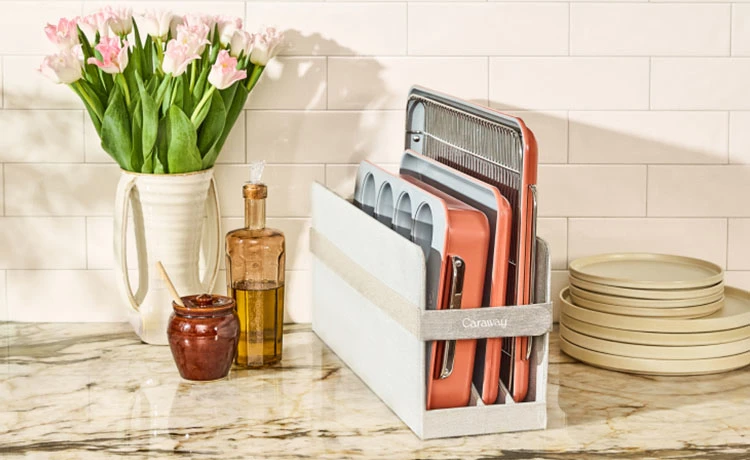
Store bakeware properly to prevent scratches, dents, and warping. Keep your kitchen organized to avoid damage.
- Stack similar items carefully with a soft cloth or paper towel between.
- Use racks or shelves to keep pans upright and separated.
- Store lids separately or upside down to save space.
- Keep bakeware in a dry place to prevent rust or mold.
- Avoid overcrowding shelves to prevent bending or scratching.
Proper storage tips:
- Clean and dry bakeware completely before storing.
- Use protective liners between stacked pans.
- Store heavy items at the bottom to avoid crushing lighter ones.
- Keep delicate materials like glass or ceramic in padded areas.
Avoiding Common Damages
Prevent common issues like warping, rust, and coating damage by handling bakeware carefully.
- Don’t expose bakeware to sudden temperature changes.
- Never use metal tools on non-stick surfaces.
- Avoid overheating pans beyond recommended temperatures.
- Dry bakeware thoroughly to prevent rust, especially cast iron and steel.
- Use oven mitts or pads to avoid dropping or bumping pans.
Damage prevention checklist:
| Damage Type | Cause | Prevention |
|---|---|---|
| Warping | Rapid temperature changes or uneven heat. | Preheat oven fully, avoid cold water on hot pans. |
| Rust | Moisture left on metal surfaces. | Dry completely, oil cast iron after cleaning. |
| Scratches | Using metal utensils or abrasive cleaners. | Use silicone or wooden utensils, gentle cleaning. |
| Coating Damage | High heat or harsh scrubbers. | Follow temperature limits, avoid abrasive pads. |
Credit: www.carawayhome.com
Frequently Asked Questions
What Is The Best Material For Non-stick Bakeware?
Non-stick bakeware usually features coatings like Teflon or ceramic. These materials ensure easy food release and simple cleanup. They are ideal for delicate baked goods like cakes and cookies. However, avoid metal utensils to preserve the coating’s lifespan.
Is Glass Or Metal Better For Baking?
Glass bakeware heats evenly and retains heat well. Metal pans, especially aluminum, conduct heat faster, promoting browning. Choose glass for casseroles and metal for cookies or bread. Both materials have unique advantages depending on your baking needs.
Are Silicone Bakeware Materials Safe And Effective?
Silicone bakeware is flexible, non-stick, and heat-resistant up to 450°F. It’s safe for most ovens and microwaves. Silicone promotes even baking and easy food release. However, it may not brown baked goods as well as metal or glass.
How Does Cast Iron Perform In Bakeware?
Cast iron provides excellent heat retention and even cooking. It’s ideal for deep-dish recipes and rustic bread. Cast iron requires seasoning to maintain its non-stick surface. It’s durable but heavy, making it less convenient for some bakers.
Conclusion
Choosing the right bakeware material makes baking easier and better. Each material offers unique benefits for your cooking needs. Metal heats quickly and browns food nicely. Glass shows your food as it cooks. Ceramic holds heat well and looks pretty on the table.
Think about what you bake most often. Then pick a material that fits your style and oven. Good bakeware helps you create tasty treats every time. Enjoy baking with confidence and fun!

Hello, This is Annie Walker, a 38-year-old blogger, founder, and editor of Cookware Guider from NY, USA. I am a cookware fanatic and passionate cooker. I love to cook with different types of cooking appliances (example: all types of cookware, rice cookers, slow cookers, etc) almost every day in my kitchen. I love to share my experience with my readers in my blog. Also, I enjoy helping people to solve their problems through my website. You can follow me on Twitter & Pinterest. To know details about my blog please check the about us page.