
Frying fish in a pan is a skill anyone can master, whether you’re cooking for yourself or a group. The process seems simple, but there are important details that make the difference between soggy, greasy fish and a crisp, flavorful meal.
Many home cooks worry about fish sticking, uneven cooking, or losing flavor. With the right technique, you can fry fish perfectly every time, enjoying tender flesh and a golden crust.
This guide explains how to fry fish in a frying pan, step by step. You’ll learn how to choose the best fish, prepare it for frying, select the right oil, and use the pan correctly. The article shares practical tips, common mistakes, and expert advice, so you can cook with confidence.
By the end, you’ll know not just the basic steps, but also the small details that help you succeed. Let’s get started and unlock delicious, crispy fish at home.
Choosing The Right Fish
The first step to frying fish is selecting a suitable type. Not all fish behave the same in a pan. Some have firm flesh that holds together, while others may fall apart or become mushy.
Best Fish For Pan Frying
Fish with medium to firm flesh are ideal. Here are some popular choices:
- Tilapia: Affordable, mild flavor, easy to cook.
- Cod: Flaky but holds together well.
- Catfish: Firm and flavorful, often used in Southern cooking.
- Salmon: Rich taste, stays together.
- Snapper: Slightly sweet, firm texture.
- Halibut: Thick fillets, mild flavor.
- Trout: Thin fillets, but pan-frying works well.
Avoid very oily fish like mackerel or sardines for basic frying, unless you prefer strong flavors. Very delicate fish, such as sole or flounder, can break easily, so handle with care.
Fresh Vs. Frozen Fish
Fresh fish often tastes better and fries more evenly. If using frozen fish, thaw it fully and pat dry. Excess moisture causes splattering and prevents browning.
Comparing Fresh And Frozen Fish
Here’s a quick comparison:
| Feature | Fresh Fish | Frozen Fish |
|---|---|---|
| Flavor | Richer, more natural | Milder, sometimes bland |
| Texture | Firm, less water | Softer, can be mushy |
| Availability | Seasonal, local | Year-round, everywhere |
| Preparation | Minimal | Requires thawing |
For best results, buy fish from a trusted source. Look for clear eyes, firm flesh, and no strong smell.
Preparing The Fish
Proper preparation is vital. Even the freshest fish can fail if you skip key steps.
Cleaning And Cutting
If your fish isn’t already cleaned, remove any scales, bones, and skin (unless you prefer skin-on). Rinse under cold water and pat dry with paper towels. Cutting into even-sized pieces ensures they cook at the same speed.
Seasoning
Seasoning builds flavor. At a minimum, use salt and pepper. For extra taste, try:
- Paprika
- Garlic powder
- Lemon zest
- Cayenne pepper
- Dried herbs (thyme, dill, parsley)
Rub seasoning gently on all sides. Let the fish sit for a few minutes so flavors penetrate.
Breading Or Batter
There are three main ways to coat fish for frying:
- Plain: Only seasoned fish, no coating.
- Floured: Dredge fish in flour for a thin crust.
- Battered: Dip in egg, then breadcrumbs or cornmeal for a crunchy layer.
Breading helps prevent sticking and adds crispiness. For extra crunch, use panko breadcrumbs. If you like lighter crusts, just dust with flour.
Common Breadings Compared
| Coating | Texture | Flavor | Best For |
|---|---|---|---|
| Flour | Light, soft | Mild | Delicate fish |
| Bread crumbs | Crispy | Rich | Firm fish |
| Cornmeal | Crunchy, rustic | Earthy | Southern style |
| Panko | Extra crispy | Neutral | Any fish |
Don’t bread fish too far ahead. Moisture makes the coating soggy.
Credit: www.youtube.com
Choosing The Right Oil
The oil you use affects the flavor, crispiness, and healthiness of your fish.
Best Oils For Frying Fish
Pick an oil with high smoke point and neutral taste. Good choices:
- Canola oil
- Vegetable oil
- Sunflower oil
- Peanut oil
Olive oil works, but it’s expensive and can burn at high heat. Avoid butter alone—it browns fast and burns easily.
Comparing Frying Oils
| Oil | Smoke Point (°F) | Flavor | Cost |
|---|---|---|---|
| Canola | 400 | Neutral | Low |
| Vegetable | 400 | Neutral | Low |
| Sunflower | 440 | Neutral | Medium |
| Peanut | 450 | Nutty | Medium |
| Olive | 375 | Rich | High |
You need enough oil to cover the bottom of the pan, usually about 1/4 inch deep.
Selecting And Preparing The Frying Pan
The pan you use matters. It affects sticking, heat distribution, and browning.
Types Of Pans
Nonstick pans are safest for beginners. They prevent sticking and are easy to clean. Cast iron pans hold heat well and produce a deep crust. Stainless steel pans can work, but fish may stick if not preheated and oiled correctly.
Prepping The Pan
Before adding oil, make sure the pan is clean and dry. Preheat the pan over medium-high heat for 2-3 minutes. Then add oil and let it heat until shimmering. A hot pan helps fish cook quickly and evenly.

Credit: www.recipetineats.com
Step-by-step Frying Process
Now, let’s walk through frying fish in a pan.
Ingredients
- 1 lb (450 g) fish fillets (tilapia, cod, or your choice)
- 1/2 cup flour or breadcrumbs
- 2 eggs (optional, for batter)
- Salt and pepper
- 1/4 cup oil (canola, vegetable, or sunflower)
Serves: 2-3 People
Cooking Time: 12-18 Minutes
Instructions
- Pat dry the fish: Removes moisture for crispiness.
- Season: Sprinkle salt, pepper, and other spices.
- Coat: Dredge in flour or dip in egg, then breadcrumbs.
- Preheat pan: Medium-high heat, add oil.
- Test oil: Drop a small piece of bread. If it sizzles, oil is ready.
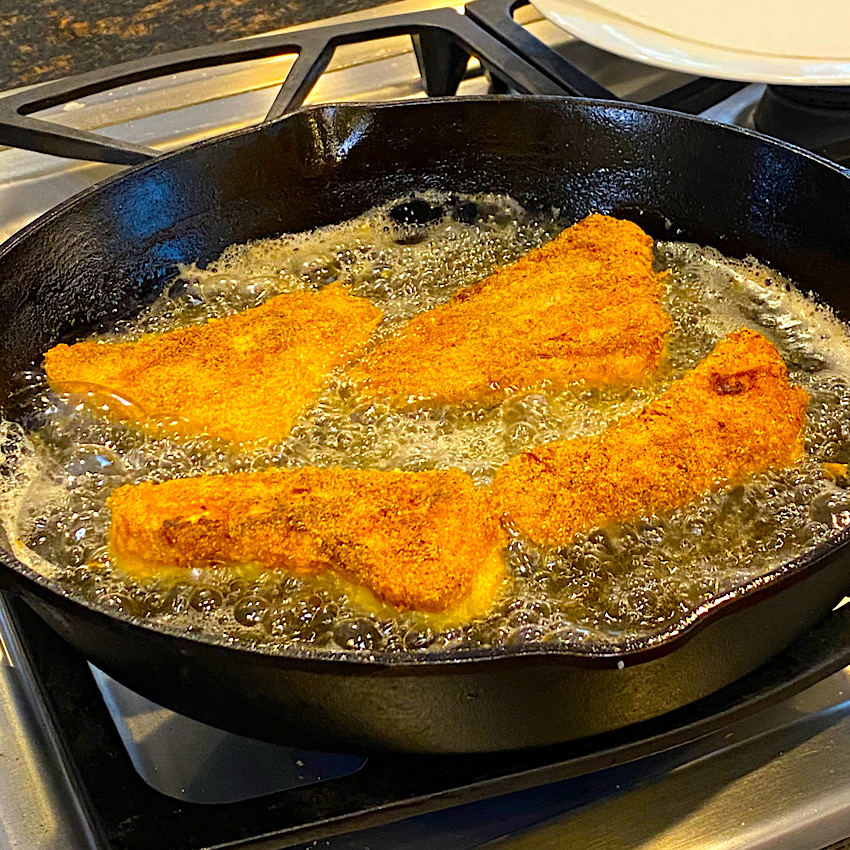
- Add fish: Place fillets gently in pan. Don’t crowd—leave space between pieces.
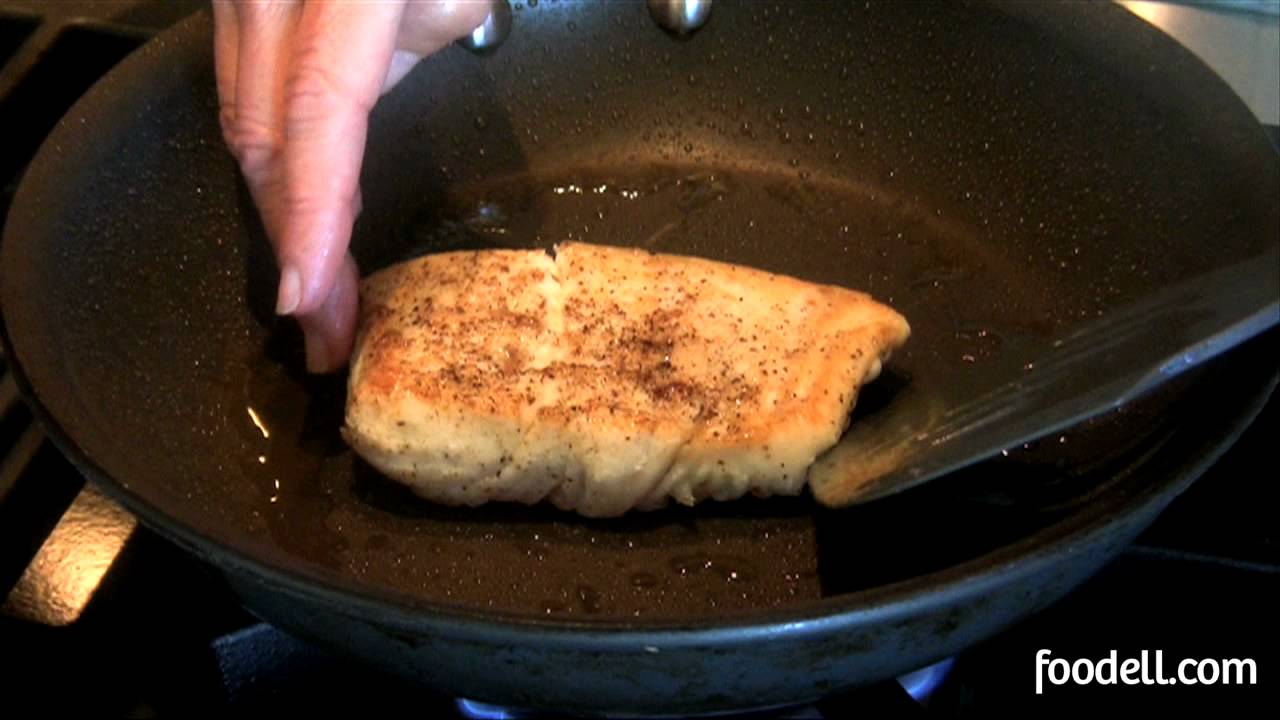
- Fry first side: 3-5 minutes. Don’t move fish too soon.
- Flip: Use a spatula. Cook other side 2-4 minutes.
- Check for doneness: Fish flakes easily with a fork and is golden brown.
- Drain: Remove fish and place on paper towels to absorb excess oil.
- Serve: Enjoy hot, with lemon or sauce.
Practical Tips
- If fish sticks, let it cook longer before flipping. It releases naturally as it browns.
- Thin fillets cook fast; thick pieces need more time.
- For deep flavor, squeeze lemon juice over fish right after frying.
Common Mistakes And How To Avoid Them
Beginners often run into problems. Here are some frequent mistakes—and ways to fix them.
1. Fish Sticking To The Pan
This is usually caused by a pan that’s not hot enough or not enough oil. Always preheat and use enough oil to coat the surface. Don’t flip fish too soon.
2. Uneven Browning
Crowding the pan lowers oil temperature. Fry in batches if needed. Use consistent heat, and don’t cover the pan—it traps steam and softens the crust.
3. Soggy Crust
Moisture is the enemy. Pat fish dry, and don’t bread fish in advance. Drain fried fish on paper towels.
4. Overcooking
Fish cooks quickly. Watch for color changes and check with a fork. Overcooked fish is dry and tough.
5. Greasy Fish
Oil that’s too cool soaks into the crust. Heat oil to proper temperature (about 350°F). Use a thermometer or test with bread.
6. Fish Falling Apart
Use firm fish and handle gently. Flip only once, and use a wide spatula.
Serving Suggestions
Fried fish is versatile. Here are ways to serve it:
- With lemon wedges
- Topped with herbs like parsley
- Alongside coleslaw
- With fries or potato salad
- In a sandwich with tartar sauce
Try different sauces: tartar, remoulade, or simple mayonnaise. For a lighter meal, serve with a fresh salad.
Cleaning Up After Frying
Frying leaves oil and crumbs in the pan. Let the pan cool fully before cleaning. Wipe out excess oil with paper towels, then wash with warm soapy water. For cast iron pans, avoid soap—just rinse and dry, then oil lightly.
Dispose of used oil safely. Never pour hot oil down the sink. Cool, strain, and store for reuse, or discard in a sealed container.
Health And Nutrition
Frying fish can be healthy if done right. Fish is a good source of protein, omega-3 fatty acids, and vitamins. The coating adds calories, but you can use whole-wheat breading or cornmeal for more fiber.
Choose oils low in saturated fat. Avoid deep frying—pan frying uses less oil. For fewer calories, skip breading or use a light flour dusting.
Nutritional Data Example
A 4-ounce fried cod fillet (with light flour coating and canola oil) contains:
- Calories: 210
- Protein: 22g
- Fat: 8g
- Carbs: 11g
Using heavier breading or more oil increases calories.
Expert Insights: What Most Beginners Miss
Two non-obvious details make a big difference:
- Letting breaded fish rest before frying: After coating, let fish sit for 5 minutes. This helps the coating stick and prevents it from falling off in the pan.
- Using a wire rack for draining: Instead of paper towels, place fried fish on a wire rack over a baking sheet. This keeps the crust crisp by allowing air to circulate.
Most beginners skip these steps, but they help produce restaurant-quality results.
Variations And Advanced Tips
Try these ideas for more flavor and fun:
- Add grated Parmesan to breadcrumbs for cheesy crust.
- Mix spices like cumin or smoked paprika into flour.
- Use beer or soda water in batter for extra lightness.
- Fry small pieces for fish nuggets—great for kids.
If you want to experiment, try frying fish with skin on. The skin crisps up and adds extra texture. Just score the skin gently to prevent curling.
Safety Precautions
Hot oil can cause burns and fires. Always keep a lid nearby. Never add wet fish to hot oil—it splatters. Use long-handled spatulas and oven mitts if needed. If oil smokes, reduce heat or remove pan from burner.
Storing Leftover Fried Fish
Fried fish tastes best fresh, but you can store leftovers. Cool completely, then refrigerate in a sealed container for up to 2 days. To reheat, place fish on a baking sheet in the oven at 350°F for 10 minutes. Avoid microwaving—it softens the crust.
Cooking For A Crowd
If making fried fish for a group, fry in batches. Keep cooked fish warm in a 200°F oven on a wire rack. This prevents sogginess and keeps the crust crisp. Plan for about 6 ounces of fish per person.
Credit: atlarastable.com
Environmental Considerations
Fish populations are declining in many areas. Whenever possible, buy sustainable fish. Look for labels like MSC (Marine Stewardship Council) or ask your fishmonger about sourcing. Sustainable choices help protect oceans and future food supplies. You can learn more from the Marine Stewardship Council.
Frequently Asked Questions
Can I Fry Fish Without Breading?
Yes, you can fry fish plain or just with salt and pepper. The crust will be lighter, but flavor comes from the fish itself. Using flour or breading helps prevent sticking and adds crunch.
How Do I Know When Fish Is Cooked?
Fish is done when it turns opaque and flakes easily with a fork. Internal temperature should be 145°F. Avoid overcooking—fish cooks quickly, usually in 6-10 minutes.
What Is The Best Pan For Frying Fish?
Nonstick pans are easiest for beginners. Cast iron is great for crispiness, but requires more skill. Stainless steel works if preheated and oiled well.
Can I Reuse Frying Oil?
Yes, if you strain out crumbs and store it in a cool, dark place. Use oil only a few times, as it breaks down and develops off flavors. Discard oil if it smells bad or turns dark.
How Do I Make Fried Fish Less Greasy?
Make sure oil is hot enough (about 350°F). Drain fish on a wire rack or paper towels. Avoid crowding the pan, and use firm fish with a dry coating.
Frying fish in a pan is simple, but skill comes from paying attention to details. With these tips, you can enjoy crisp, tasty fish every time. Try different coatings, oils, and fish types until you find your favorite. Remember, practice makes perfect—and every meal is a chance to improve.
Happy cooking!

Hello, This is Annie Walker, a 38-year-old blogger, founder, and editor of Cookware Guider from NY, USA. I am a cookware fanatic and passionate cooker. I love to cook with different types of cooking appliances (example: all types of cookware, rice cookers, slow cookers, etc) almost every day in my kitchen. I love to share my experience with my readers in my blog. Also, I enjoy helping people to solve their problems through my website. You can follow me on Twitter & Pinterest. To know details about my blog please check the about us page.