
If you want to cook pork chops that are juicy, flavorful, and have a crisp golden crust, pan frying is a smart choice. Many people worry about dry or tough pork, but with the right steps, you can make restaurant-quality pork chops at home.
Whether you’re new to cooking or have tried before and struggled, this guide will walk you through every detail, from choosing the right chop to the final sizzle in the pan. You’ll learn the secrets chefs use, discover mistakes most people make, and pick up smart tips that make a real difference.
What Makes Pan Fried Pork Chops So Good?
Pan frying brings out the best in pork chops. Unlike baking or grilling, pan frying gives you a fast, high heat that creates a crispy crust while keeping the inside moist. The direct contact with the hot pan lets you build flavor quickly. Plus, you can add seasonings, herbs, or a finishing sauce right in the skillet for extra taste.
People often choose pan frying because:
- It’s quick—cooking takes under 15 minutes for most chops.
- You get control over the crust and doneness.
- It works for both thin and thick chops.
- Clean-up is usually easy with just one pan.
But to get the best results, you need to pick the right meat and prepare it well.
Choosing The Best Pork Chops For Pan Frying
Not all pork chops are equal. The cut, thickness, and even the color of the pork can affect your results.
Types Of Pork Chops
Here are the main types you’ll find in stores:
| Type of Chop | Bone | Fat Content | Best For |
|---|---|---|---|
| Rib Chop | Bone-in | Moderate | Juicy, classic flavor |
| Loin Chop | Bone-in/Boneless | Lean | Lean meals, quick cooking |
| Shoulder Chop | Bone-in | High | Braising, slow cooking |
| Sirloin Chop | Bone-in | Moderate | Grilling, frying |
Rib chops and loin chops are best for pan frying. Shoulder and sirloin chops have more connective tissue and can be tough if cooked quickly.
Bone-in Vs Boneless
- Bone-in chops give more flavor and help keep the meat moist.
- Boneless chops cook faster but can dry out if you’re not careful.
For beginners, bone-in rib chops about 1 inch thick are easiest to manage.
How To Pick Good Pork
- Look for pinkish-red color (not pale or gray).
- There should be some marbling (thin lines of fat) for juiciness.
- Avoid chops with a lot of liquid in the package.
A common beginner mistake is choosing very lean or thin chops. These dry out fast and are harder to cook well.
What You Need: Ingredients And Equipment
Great pork chops need only a few ingredients, but quality matters.
Ingredients
For 2 servings (easily adjusted):
- 2 pork chops (bone-in, about 1 inch thick, 6-8 oz each)
- 1 teaspoon kosher salt
- ½ teaspoon black pepper
- 1 tablespoon vegetable oil or canola oil (for high smoke point)
- 1 tablespoon butter (for finishing)
- Optional: 1 garlic clove (smashed), 2-3 sprigs fresh thyme or rosemary
You can add extra spices like smoked paprika, garlic powder, or cayenne if you want more flavor.
Equipment
- Heavy skillet (cast iron or stainless steel works best)
- Tongs (for turning chops)
- Instant-read thermometer (helps avoid overcooking)
- Paper towels (for drying the meat)
- Small plate for resting meat
A nonstick pan is not ideal for high-heat searing, but it’s better than nothing.
Preparing Pork Chops For The Pan
Proper prep is the key to juicy, evenly cooked pork.
1. Bring To Room Temperature
Take the chops out of the fridge 20-30 minutes before cooking. Cold meat cooks unevenly and can become tough. Letting the pork warm up a bit helps it cook faster and stay tender.
2. Pat Dry
Use paper towels to dry the surface. Removing moisture gives you a better crust. Even a little water will steam the meat instead of letting it brown.
3. Season Generously
Sprinkle both sides with salt and black pepper. Don’t be shy—seasoning is what brings out the pork’s flavor. If you want extra taste, add your spices now.
4. Optional: Tenderize
If your chops are thicker than 1 inch or seem tough, you can use a meat mallet to gently pound them to an even thickness. This helps them cook evenly. But for most store-bought chops, this is not required.
5. Optional: Brining
For extra juicy pork, soak the chops in a simple brine for 30 minutes to 2 hours. A basic brine is 1/4 cup salt to 4 cups water. Rinse and dry well before cooking. Many restaurants use this trick for better results.
Step-by-step: How To Pan Fry Pork Chops
Now comes the main event. Here’s how to pan fry pork chops for the best texture and taste.
1. Heat The Pan
Set your skillet over medium-high heat. Let it get hot—this takes about 2-3 minutes. A drop of water should sizzle and evaporate quickly.
Why is this important? A hot pan means instant searing, which creates a crisp crust and seals in juices.
2. Add Oil
Pour in enough oil to coat the bottom of the pan. Swirl to cover. Use a high-smoke-point oil like canola or vegetable oil. Avoid butter at this stage—it burns at high heat.
3. Sear The Pork Chops
Place the pork chops in the pan. They should sizzle loudly. Don’t crowd the pan—if your skillet is small, cook one at a time.
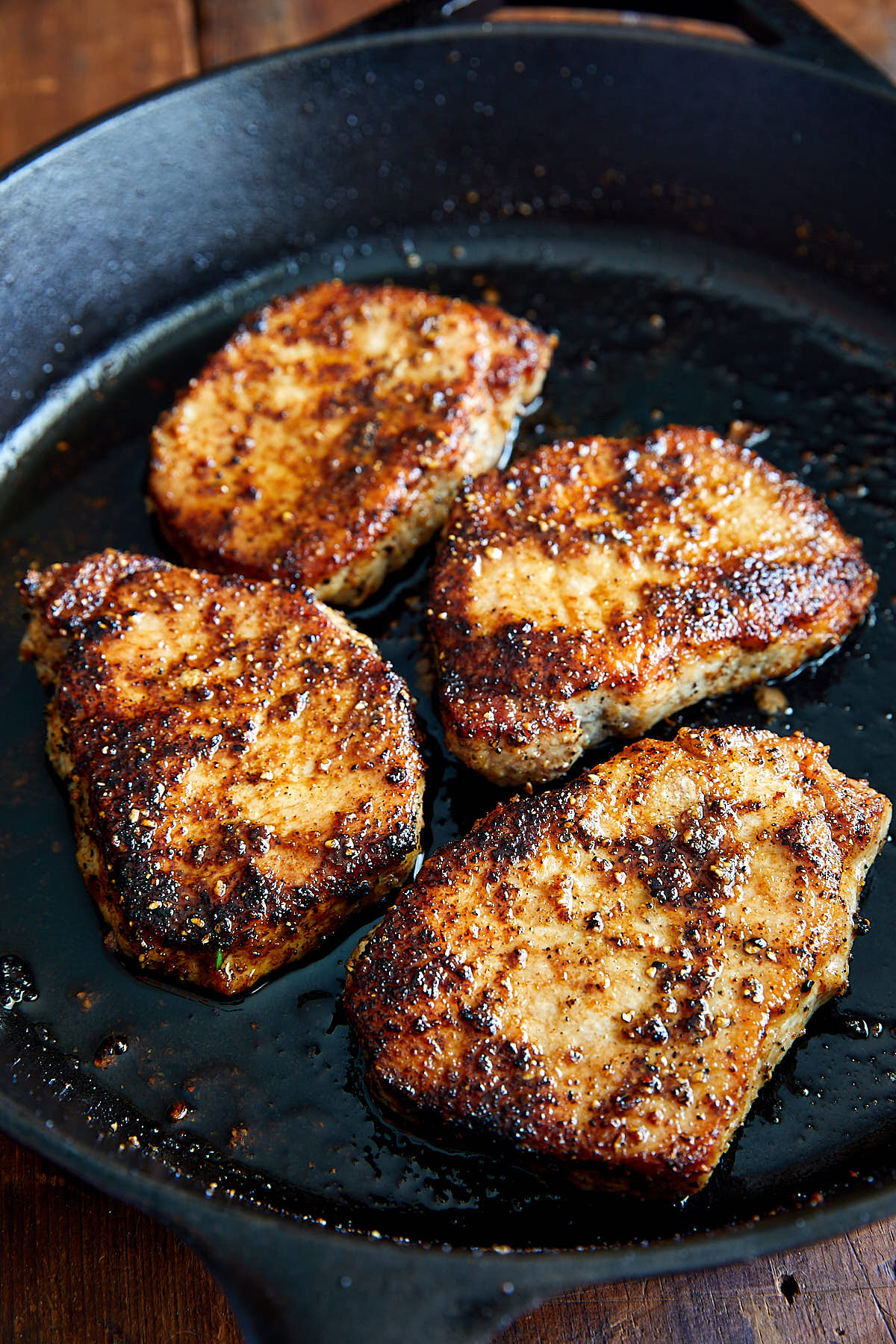
Let the chops cook undisturbed for 3-5 minutes (for 1-inch chops). You want a deep golden-brown crust. If you move them too soon, the crust will tear.
4. Flip And Cook The Other Side
Use tongs to flip each chop. Sear the second side for another 3-5 minutes.
5. Lower Heat And Add Butter (optional)
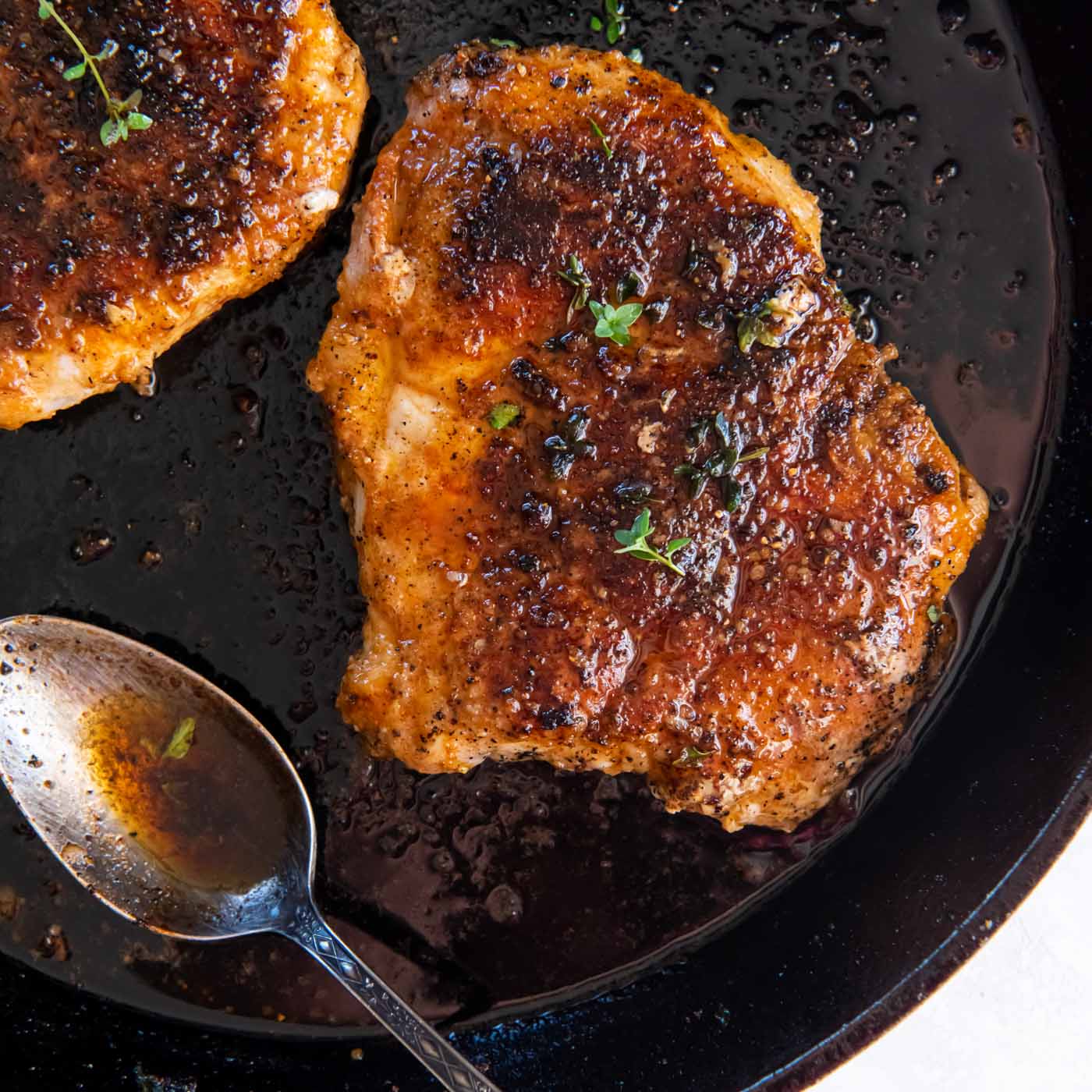
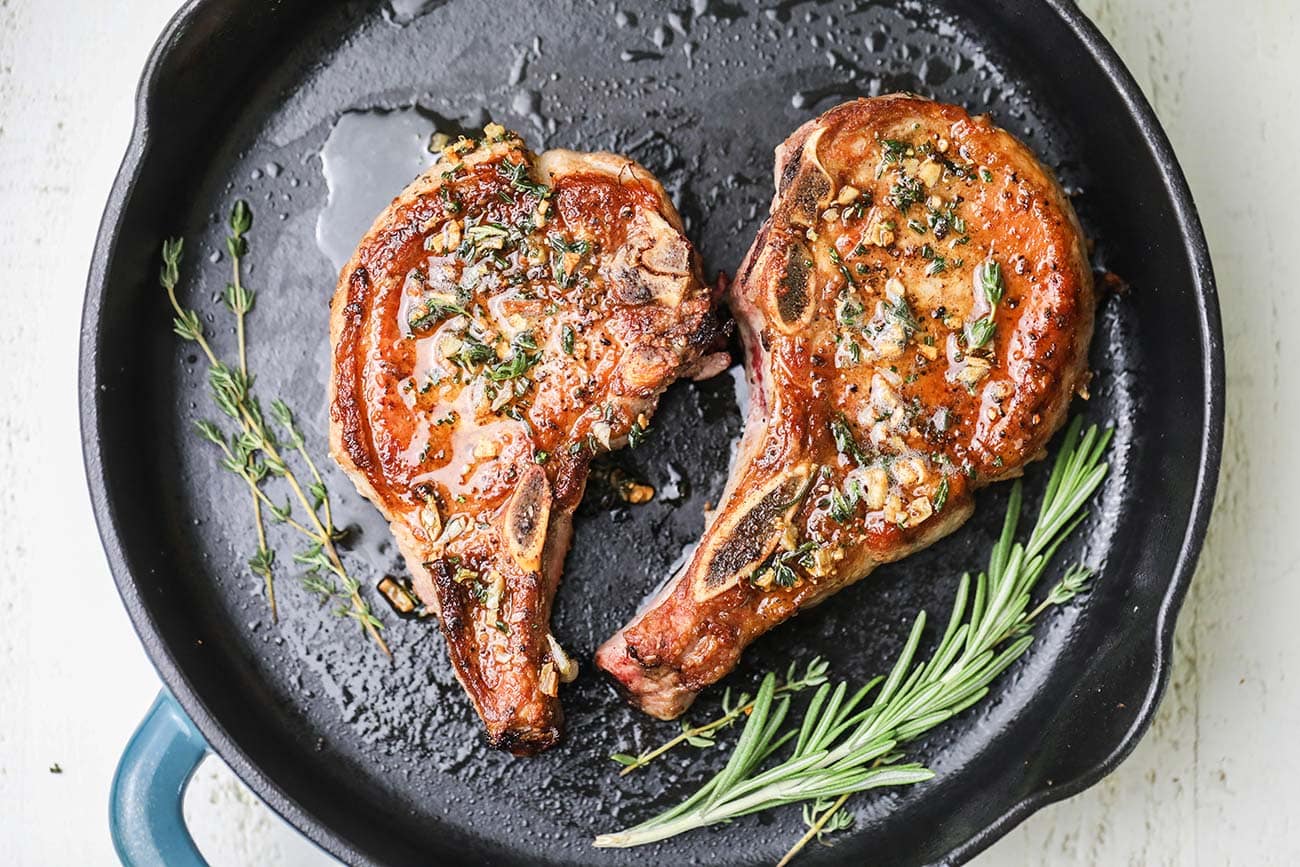
When both sides are golden, lower the heat to medium. Add the butter, smashed garlic, and herbs if using. Tilt the pan and spoon the melted butter over the chops (this is called basting). It adds flavor and helps finish cooking gently.
6. Check Internal Temperature
Pork is safe at 145°F (63°C) with a 3-minute rest. Use an instant-read thermometer in the thickest part. If the temp is below 140°F, cover the pan and cook for 1-2 more minutes. Don’t go above 150°F or the pork will dry out.
7. Rest Before Serving
Move the chops to a plate and tent loosely with foil. Rest for 3-5 minutes. This lets the juices settle, making the meat more tender.
8. Serve
Slice and serve while warm. Pour any pan juices over the top.
How Long To Pan Fry Pork Chops?
Cooking time depends on chop thickness and whether it’s bone-in or boneless.
Here’s a quick reference:
| Chop Type | Thickness | Cook Time (Per Side) | Total Cook Time | Rest Time |
|---|---|---|---|---|
| Bone-in | 1 inch | 3-5 min | 7-10 min | 3 min |
| Boneless | 1 inch | 2-3 min | 5-7 min | 3 min |
| Thin cut | ½ inch | 1-2 min | 3-4 min | 2 min |
Always rely on a thermometer if possible. Visual cues can be misleading.
Credit: cravingtasty.com
Tips For Juicy And Flavorful Pork Chops
Cooking pork chops well is about details. Here are tips that make a real difference:
- Do not overcook. Overcooked pork is dry and tough. Remove from heat at 140-145°F; carryover cooking will raise it to a safe temp as it rests.
- Let them rest. This step is key for juicy meat.
- Use enough oil. A thin layer prevents sticking and gives a crisp crust.
- Don’t use high heat all the way. Sear first, then lower heat to finish gently.
- Season well. Pork is mild—good seasoning is essential.
- Try a brine if you have time. Even 30 minutes improves moisture.
- Avoid flipping too soon. Let the crust form before turning.
Many beginners forget that resting is as important as searing. Skipping the rest leads to dry meat, even if you cooked it perfectly.
Common Mistakes And How To Avoid Them
Even experienced cooks can make errors. Here are some classic mistakes:
Cooking Straight From The Fridge
Cold pork cooks unevenly and can get tough. Always bring to room temperature before frying.
Not Patting Dry
Wet pork will steam, not sear. Always dry thoroughly before seasoning.
Using Low Heat
Low heat prevents crust formation and can make chops greasy.
Overcrowding The Pan
Too many chops at once cool the pan and cause steaming. Cook in batches if needed.
Ignoring Resting Time
Slicing pork too soon lets juices run out, making the meat dry.
Skipping The Thermometer
Guessing doneness can lead to overcooked (dry) or undercooked (unsafe) pork. A thermometer is a small investment for much better results.
Credit: kristineskitchenblog.com
Simple Variations And Flavor Ideas
Pan fried pork chops are a blank canvas. Here are easy ways to change up the flavor:
- Spicy: Add cayenne, chili powder, or hot paprika to the seasoning.
- Herby: Mix fresh thyme, rosemary, or sage into the butter at the end.
- Garlic-Lemon: Add a squeeze of fresh lemon juice and a minced garlic clove to the pan at the end.
- Honey Mustard Glaze: Brush chops with a mix of honey and Dijon in the last minute of cooking.
- Smoky: Use smoked paprika or chipotle powder for a deeper flavor.
For a complete meal, serve with mashed potatoes, roasted vegetables, or a simple salad.
How Does Pan Frying Compare To Other Methods?
You might wonder how pan frying stacks up against baking, grilling, or air frying. Here’s a quick comparison:
| Method | Texture | Flavor | Cook Time | Difficulty |
|---|---|---|---|---|
| Pan Fry | Crispy outside, juicy inside | Rich, caramelized | Fast | Easy-Moderate |
| Bake | Softer crust | Milder | Slower | Easy |
| Grill | Charred edges | Smoky | Medium | Moderate |
| Air Fry | Crisp, less oil | Good, but lighter | Fast | Easy |
Pan frying offers the most control over crust and moisture, making it a favorite for many home cooks.
Credit: sunkissedkitchen.com
Safety And Nutrition Facts
Modern pork is safe to eat at 145°F with a short rest, according to the USDA. This means your pork can be slightly pink and still be safe. Overcooking, once common, is no longer needed and only harms flavor and texture.
A 6-ounce pan fried pork chop (without added sauces) has about:
- 250-300 calories
- 25-30 grams protein
- 10-15 grams fat
- Less than 1 gram carbohydrate
Pork chops are a great source of protein, B vitamins, and minerals like zinc and selenium.
Practical Cooking Insights Most People Miss
Two details often make or break your pork chops:
- Use a heavy pan. Cast iron or thick stainless steel holds heat well and gives better browning. Thin pans lose heat fast, leading to uneven cooking.
- Let fat render. If your chops have a fat cap, try holding the chop upright (with tongs) to sear the fat for 30-60 seconds. This crisps the fat and adds flavor.
Many home cooks rush these steps or don’t use the right tools. Investing in a good skillet and thermometer can take your pork chops from average to outstanding.
Frequently Asked Questions
How Do I Keep Pork Chops From Drying Out?
The main cause of dry pork chops is overcooking. Use a thermometer and remove the pork from the pan at 140-145°F. Letting it rest for a few minutes allows juices to redistribute, keeping the meat moist.
Can I Pan Fry Frozen Pork Chops?
It’s best to thaw pork chops before pan frying. Frozen pork cooks unevenly and can burn on the outside while staying raw inside. If you must cook from frozen, use a lower heat and cover the pan, but the results are not as good.
What Oil Is Best For Pan Frying Pork Chops?
Use oils with a high smoke point like canola, vegetable, sunflower, or peanut oil. Olive oil can work, but it may burn at high heat. Butter adds flavor but burns easily, so add it near the end.
Is It Safe To Eat Pork With A Little Pink Inside?
Yes, as long as the internal temperature reaches 145°F and the pork rests for at least 3 minutes, it is safe to eat, according to the USDA. A little pink is fine and means the meat is juicy.
Can I Make A Pan Sauce With The Drippings?
Absolutely! After removing the pork, add a splash of broth, wine, or water to the pan. Scrape up brown bits and simmer for 2-3 minutes. Whisk in a pat of butter for a simple, delicious sauce.
Cooking pork chops doesn’t have to be a gamble. With these tips, a good pan, and a little patience, you can serve up juicy, golden pork chops that impress anyone—yourself included. The more you practice, the easier it becomes, and soon pan fried pork chops will be a regular, reliable favorite in your kitchen.

Hello, This is Annie Walker, a 38-year-old blogger, founder, and editor of Cookware Guider from NY, USA. I am a cookware fanatic and passionate cooker. I love to cook with different types of cooking appliances (example: all types of cookware, rice cookers, slow cookers, etc) almost every day in my kitchen. I love to share my experience with my readers in my blog. Also, I enjoy helping people to solve their problems through my website. You can follow me on Twitter & Pinterest. To know details about my blog please check the about us page.