
Cooking steak in a frying pan is one of the simplest ways to enjoy a juicy, flavorful meal at home. But getting the timing right can feel confusing, especially if you want your steak cooked perfectly every time. Overcooking leads to dryness, while undercooking can make it tough or unsafe.
In this guide, you’ll discover exactly how long to cook steak in a frying pan, plus practical tips to get the results you want—whether you like it rare, medium, or well done.
Why Pan-frying Steak Is So Popular
Pan-frying is favored by both home cooks and chefs for a few reasons. First, it’s fast. You don’t need to heat up an oven or fire up a grill. Second, you have more control over the temperature and the crust that forms on the steak.
Finally, you can cook all year round, regardless of the weather.
Another big advantage is flexibility. You can use different cuts, from ribeye to sirloin to filet mignon, and adjust the cooking time to suit your preferences. Pan-frying also lets you add extra flavors, like butter, garlic, or herbs, right in the pan as the steak cooks.
What Affects Steak Cooking Time?
Many factors impact how long to cook steak in a frying pan. Here are the most important ones:
- Steak thickness: Thicker steaks take longer to cook.
- Cut of steak: Different cuts have different fat content and tenderness.
- Level of doneness: Rare, medium, and well done require different times.
- Starting temperature: A cold steak from the fridge takes longer.
- Pan temperature: High heat sears the outside quickly, while medium heat cooks more slowly.
Understanding these factors helps you make small adjustments for perfect results.
How Long To Cook Steak In A Frying Pan: Quick Reference
Here’s a general reference for cooking an average 1-inch thick steak in a hot frying pan:
| Doneness | Time Per Side | Internal Temp |
|---|---|---|
| Rare | 2-3 minutes | 120-125°F (49-52°C) |
| Medium Rare | 3-4 minutes | 130-135°F (54-57°C) |
| Medium | 4-5 minutes | 140-145°F (60-63°C) |
| Medium Well | 5-6 minutes | 150-155°F (66-68°C) |
| Well Done | 6-7 minutes | 160°F+ (71°C+) |
These times are for steaks about 1 inch thick. If your steak is thicker or thinner, you’ll need to adjust up or down. A meat thermometer helps ensure you hit the right temperature.
Choosing The Right Steak And Pan
Not all steaks cook the same. Here are the most common cuts for pan-frying and how they compare:
| Cut | Tenderness | Fat Content | Flavor |
|---|---|---|---|
| Ribeye | Very tender | High | Rich, beefy |
| Sirloin | Moderately tender | Medium | Beefy, lean |
| Filet Mignon | Extremely tender | Low | Mild |
| New York Strip | Tender | Medium | Bold, meaty |
| Flank | Less tender | Low | Strong, beefy |
For pan-frying, a cast iron or heavy stainless steel pan works best. These pans retain heat well and help create a tasty crust.
:max_bytes(150000):strip_icc()/perfect-pan-seared-steaks-recipe-step-beauty-c7a9ca69ad9e4d4cb783f845fd429251.JPG)
Credit: www.seriouseats.com
Step-by-step: Cooking Steak In A Frying Pan
Getting the timing right is easier when you follow a clear process. Here’s a step-by-step method for a classic pan-fried steak:
- Bring steak to room temperature: Take your steak out of the fridge 20-30 minutes before cooking. This helps it cook more evenly.
- Season generously: Pat steak dry with paper towels. Season both sides with salt and pepper. Add other spices if you like.
- Preheat your pan: Heat your frying pan over medium-high heat for 2-3 minutes. The pan should be hot but not smoking.
- Add oil: Use a high-smoke-point oil like canola or avocado oil. Swirl to coat the pan.
- Sear the steak: Place the steak in the pan. Don’t move it for the first minute—this helps form a crust.
- Flip once: After the first side has a deep brown crust, flip the steak with tongs. Cook the second side for the recommended time.
- Check for doneness: Use a meat thermometer to check the thickest part.
- Add flavor (optional): In the last minute, add a tablespoon of butter, garlic, and fresh herbs like rosemary or thyme.
- Rest the steak: Transfer to a cutting board, tent with foil, and let rest for 5-10 minutes before slicing.
Example Cooking Times For A 1-inch Steak
- Rare: 2–3 minutes per side
- Medium rare: 3–4 minutes per side
- Medium: 4–5 minutes per side
- Medium well: 5–6 minutes per side
- Well done: 6–7 minutes per side
Remember, the steak will continue to cook slightly after you remove it from the pan. This is called carryover cooking.
Common Mistakes To Avoid
Even experienced cooks make errors when pan-frying steak. Here are mistakes to watch out for:
- Cooking straight from the fridge: Cold steak cooks unevenly. Let it sit at room temperature first.
- Overcrowding the pan: Too many steaks at once lowers the pan temperature. Cook one or two at a time for best results.
- Not drying the steak: Moisture on the surface stops a crust from forming. Always pat dry with paper towels.
- Constant flipping: Flip only once. This allows a deep crust to develop.
- Skipping the rest: Cutting too soon lets juices escape, making steak less juicy.

Credit: www.onceuponachef.com
How Thickness Changes Cooking Time
Steak thickness is often overlooked but is critical for timing. A thin steak (½ inch) can cook in as little as 1–2 minutes per side, while a thick steak (1½–2 inches) may need 6–8 minutes per side plus extra resting time.
Here’s a quick comparison for a medium-rare result:
| Thickness | Time Per Side |
|---|---|
| ½ inch | 1–2 minutes |
| 1 inch | 3–4 minutes |
| 1½ inches | 5–6 minutes |
| 2 inches | 6–8 minutes + oven finish* |
*For steaks over 1½ inches, some cooks sear in the pan, then finish in a 400°F oven for even doneness.
How To Know When Steak Is Done
Visual clues help, but a meat thermometer is the most reliable way. Insert it into the thickest part, not touching bone or fat. Here are the standard temperatures:
- Rare: 120–125°F (49–52°C)
- Medium rare: 130–135°F (54–57°C)
- Medium: 140–145°F (60–63°C)
- Medium well: 150–155°F (66–68°C)
- Well done: 160°F+ (71°C+)
If you don’t have a thermometer, use the “finger test.” Press the steak gently: rare feels soft, medium feels springy, and well done feels firm.
Tips For Even Better Pan-fried Steaks
- Use room-temperature butter for basting; it melts evenly.
- Let the pan heat fully before adding steak. A too-cool pan leads to poor browning.
- Don’t press down on the steak with a spatula. This squeezes out juices and dries it out.
- Try finishing with a splash of lemon juice or vinegar for brightness.
- Slice against the grain after resting for maximum tenderness.
When To Use A Lid
Most steaks don’t need a lid during pan-frying. However, if cooking a very thick steak or if the outside browns before the inside is done, you can cover the pan briefly. This traps heat and helps the steak cook through without burning.
Should You Marinate Steak Before Frying?
Marinating is not required for tender cuts like ribeye or filet mignon. For leaner or tougher cuts (like flank or sirloin), a marinade can add flavor and help tenderize. If you marinate, pat the steak dry before cooking to avoid steaming.
Butter Basting: The Restaurant Secret
Many restaurants finish their steak with butter basting. Here’s how:
- In the last 1–2 minutes of cooking, add a tablespoon of butter to the pan.
- Toss in a crushed garlic clove and a sprig of rosemary or thyme.
- Tilt the pan slightly and use a spoon to scoop the melted butter over the steak repeatedly.
This technique adds flavor and a beautiful glossy finish. It’s a simple way to make your home-cooked steak taste like it came from a steakhouse.
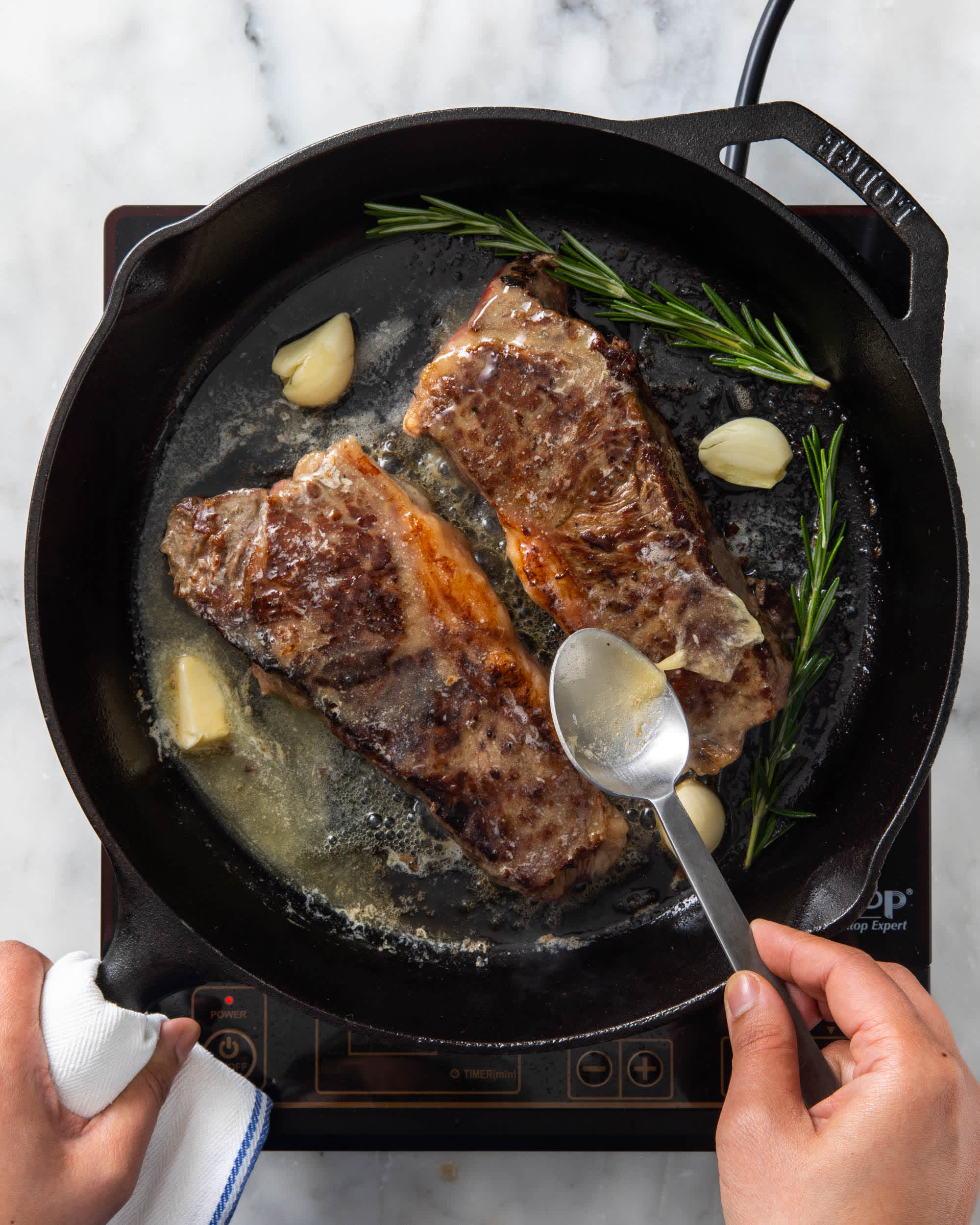
Credit: antillespr.edu
Cleaning Up: Care For Your Pan
After cooking, let the pan cool slightly. For cast iron, wipe out excess grease with paper towels. Rinse with hot water and scrub with a brush—no soap needed. Dry thoroughly, then rub lightly with oil to prevent rust.
For stainless steel, deglaze the pan with a splash of water or wine while still warm. This loosens any stuck bits and makes cleaning easier.
More Resources For Steak Lovers
For more detailed information about steak doneness and safety, the USDA Food Safety and Inspection Service offers helpful guidelines.
Frequently Asked Questions
How Long Should I Cook A 1-inch Steak For Medium Rare?
For a 1-inch thick steak, cook about 3–4 minutes per side in a hot frying pan. The internal temperature should reach 130–135°F (54–57°C). Always let the steak rest for 5–10 minutes after cooking.
Can I Cook Frozen Steak Directly In A Frying Pan?
It’s possible, but not recommended for best results. Frozen steak will cook unevenly and may steam instead of sear. If you must, use lower heat and cook longer, but thawing before cooking is safer and tastier.
What Oil Is Best For Frying Steak?
Choose an oil with a high smoke point, like canola, avocado, or grapeseed oil. Avoid butter alone, as it can burn quickly. You can add butter near the end for extra flavor.
Why Does My Steak Stick To The Pan?
Steak sticks when the pan isn’t hot enough or if the surface is wet. Make sure your pan is properly preheated and the steak is dry before adding it. Also, don’t move the steak immediately—let it form a crust first.
How Do I Keep Steak Juicy?
Let the steak rest after cooking. This allows juices to redistribute. Avoid overcooking, and don’t press down on the steak while it cooks. Using a thermometer is the best way to prevent dryness.
Cooking steak in a frying pan is simple with the right timing and a few good techniques. With practice, you’ll find your favorite doneness and enjoy a restaurant-quality meal right at home.

Hello, This is Annie Walker, a 38-year-old blogger, founder, and editor of Cookware Guider from NY, USA. I am a cookware fanatic and passionate cooker. I love to cook with different types of cooking appliances (example: all types of cookware, rice cookers, slow cookers, etc) almost every day in my kitchen. I love to share my experience with my readers in my blog. Also, I enjoy helping people to solve their problems through my website. You can follow me on Twitter & Pinterest. To know details about my blog please check the about us page.