
Cleaning bakeware may seem simple, but there’s more to it than just soap and water. Whether you bake often or only for special occasions, keeping your bakeware in good shape will help your food taste better and prevent stains and odors. Many people struggle with burnt spots, stuck-on grease, and strange smells. If you’ve noticed your cookie sheets looking brown or your cake pans feeling sticky, you’re not alone. Let’s explore how to clean bakeware easily, avoid common mistakes, and make your kitchen routine smoother.
Types Of Bakeware And Their Cleaning Challenges
Bakeware comes in different materials, and each has its own cleaning needs. Understanding these differences will help you clean smarter and avoid damaging your pans.
Glass Bakeware
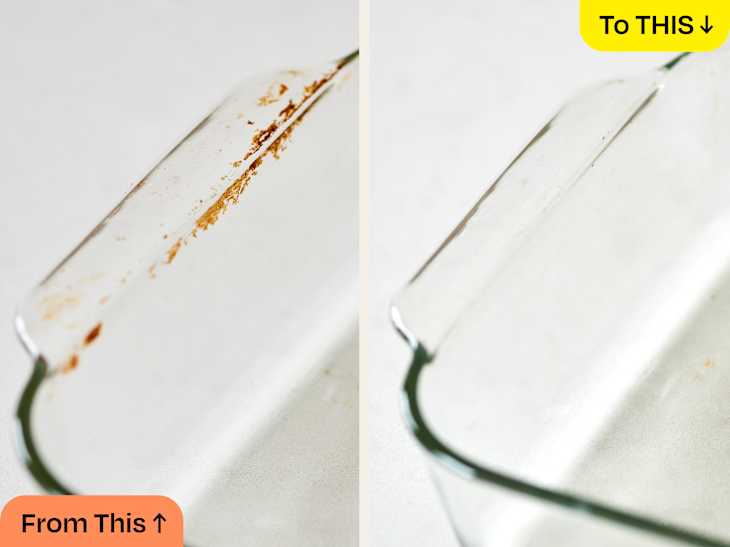
Glass pans are popular for casseroles and desserts. They’re easy to clean but can get cloudy or stained.
- Cloudiness: Often caused by hard water.
- Stains: Usually from burnt-on food or oil.
Metal Bakeware
Aluminum and stainless steel pans are used for cookies, cakes, and roasting.
- Aluminum: Soft, scratches easily, reacts to acidic foods.
- Stainless Steel: Durable, but tough stains can build up.
Nonstick Bakeware
Nonstick pans have a special coating. They need gentle cleaning to keep the coating safe.
- Avoid harsh scrubbers.
- Don’t use metal tools.
Silicone Bakeware
Silicone pans are flexible and nonstick, but can hold odors.
- Wash well after baking.
- Dry fully to avoid stickiness.
Ceramic Bakeware
Ceramic dishes look nice but chip easily.
- Avoid sudden temperature changes.
- Clean with soft cloths.
Here’s a quick comparison of cleaning difficulty for each material:
| Bakeware Material | Cleaning Difficulty | Common Issues |
|---|---|---|
| Glass | Easy | Cloudy film, stains |
| Aluminum | Moderate | Scratches, discoloration |
| Stainless Steel | Hard | Burnt-on stains |
| Nonstick | Easy | Coating damage |
| Silicone | Easy | Odors, stickiness |
| Ceramic | Moderate | Chipping, stains |
Basic Cleaning Steps For Bakeware
No matter the material, these steps will help keep bakeware in good condition. Always check the manufacturer’s instructions for special care.
- Let the bakeware cool before cleaning. Sudden changes in temperature can cause glass or ceramic to crack.
- Remove loose food debris with a soft cloth or paper towel.
- Wash with warm soapy water. Use a mild dish soap and a soft sponge.
- Rinse thoroughly to remove all soap.
- Dry completely with a towel or air dry.
For most bakeware, this routine is enough. But tough stains and burnt-on food need extra care.
Removing Tough Stains And Burnt-on Food
Sometimes, regular cleaning won’t remove stains or burnt spots. Here’s how to tackle these stubborn areas:
Baking Soda And Vinegar Method
- Sprinkle baking soda over the stained area.
- Add a small amount of white vinegar. The mixture will fizz.
- Let it sit for 15 minutes.
- Scrub gently with a soft sponge.
- Rinse and dry.
Soaking
- Fill the pan with warm water and a few drops of dish soap.
- Let it soak for 30–60 minutes.
- Scrape off food with a plastic scraper.
Hydrogen Peroxide For Metal Bakeware
- Mix baking soda and hydrogen peroxide into a paste.
- Spread over burnt areas.
- Let sit for 1–2 hours.
- Wipe clean and rinse.
Avoiding Common Mistakes
Many beginners make these mistakes:
- Using steel wool on nonstick pans (damages coating).
- Soaking aluminum pans too long (causes discoloration).
- Using sharp tools to scrape glass or ceramic (causes scratches).
Always use the right tools for each material.
Special Cleaning For Nonstick And Silicone Bakeware
Nonstick and silicone bakeware need gentle care to prevent damage and odors.
Nonstick Bakeware Tips
- Don’t use abrasive cleaners.
- Avoid soaking for long periods.
- Clean with a soft sponge.
- Dry immediately to prevent rust on edges.
Silicone Bakeware Tips
- Wash with warm, soapy water.
- If odors remain, soak in a solution of baking soda and water for 30 minutes.
- Dry fully before storing.
Here’s a comparison of safe cleaning tools for each bakeware type:
| Bakeware Type | Safe Cleaning Tools | Tools to Avoid |
|---|---|---|
| Glass | Soft sponge, cloth | Metal scrapers |
| Aluminum | Plastic scraper, soft sponge | Steel wool |
| Nonstick | Soft sponge | Anything abrasive |
| Silicone | Soft brush, sponge | Sharp tools |
| Ceramic | Soft cloth, sponge | Metal utensils |
Credit: www.thekitchn.com
Deep Cleaning Methods For Old Or Heavily Used Bakeware
If you have bakeware that looks worn or has years of stains, deep cleaning can restore its shine.
Oven Cleaner (for Metal Only)
- Use oven cleaner on metal pans, but avoid nonstick or aluminum.
- Spray the cleaner, let sit as directed, then rinse well.
Lemon And Salt Scrub
- Cut a lemon in half and sprinkle salt on the cut side.
- Rub over stains on glass or ceramic.
- Rinse and dry.
Dishwasher Tips
- Most glass, silicone, and ceramic bakeware are dishwasher safe.
- Aluminum and nonstick pans should be washed by hand.
- Check the manufacturer’s label.
Preventing Bakeware Damage
Proper cleaning is not just about removing stains. It’s also about keeping your pans strong and safe for baking.
- Never use harsh chemicals on nonstick or aluminum pans.
- Avoid stacking pans unless you use protective liners.
- Don’t let bakeware soak too long, especially aluminum.
- Dry bakeware completely before storing to prevent rust.
Here’s a quick table showing which bakeware types are safe for the dishwasher:
| Bakeware Material | Dishwasher Safe? |
|---|---|
| Glass | Yes |
| Aluminum | No |
| Stainless Steel | Yes |
| Nonstick | No |
| Silicone | Yes |
| Ceramic | Yes |
Credit: www.thekitchn.com
How Often Should You Clean Bakeware?
For best results:
- After every use: Wash bakeware to remove food and grease.
- Monthly: Deep clean pans, especially if you bake often.
- Before storing: Make sure bakeware is dry and clean.
Two Insights Beginners Often Miss
- The importance of drying: Many people leave bakeware to air dry but forget that moisture causes rust, especially on metal pans. Always dry with a towel, especially around edges and seams.
- Odor control for silicone: Washing does not always remove odors from silicone. Soaking in baking soda and water is effective, but it must be done regularly, not just when the odor is strong.
When To Replace Bakeware
Sometimes, cleaning isn’t enough. If your bakeware has deep cracks, chipped coatings, or rust that won’t go away, it’s time to replace it. Using damaged bakeware can affect food taste and may be unsafe.
Eco-friendly Cleaning Solutions
You can clean bakeware without harsh chemicals. Try these natural options:
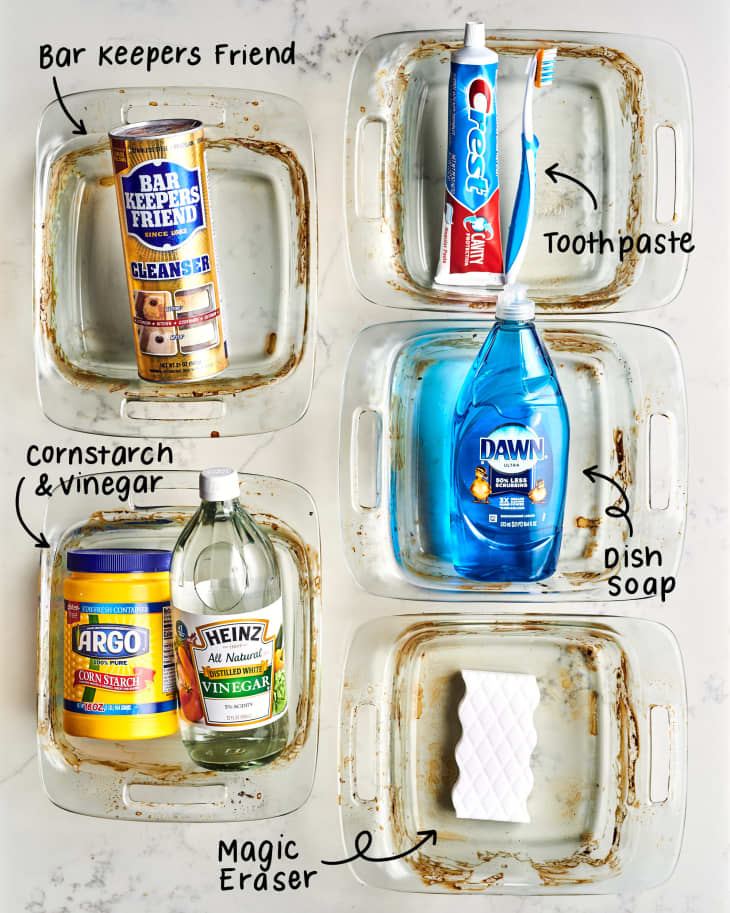
- Baking soda and vinegar: Removes stains and odors.
- Lemon juice: Cuts grease and adds freshness.
- Salt: Scrubs off burnt spots gently.
These methods are safe for most bakeware and better for your health.
Professional Cleaning Services
If you have expensive or antique bakeware, consider professional cleaning. Some companies use special tools and chemicals to restore old pans. This is helpful for items you don’t want to risk damaging.
For more details on safe cleaning methods and materials, visit EPA Safer Choice.
Frequently Asked Questions
How Do I Remove Burnt Food From Glass Bakeware?
Let the glass pan soak in warm, soapy water for at least 30 minutes. Sprinkle baking soda on tough spots and scrub gently with a soft sponge. Avoid metal tools to prevent scratches.
Can I Use Bleach To Clean Bakeware?
It’s best not to use bleach on bakeware. Bleach can damage coatings and leave harmful residues. Use baking soda, vinegar, or lemon juice instead.
Why Does My Silicone Bakeware Smell After Washing?
Silicone can absorb odors, especially from oily foods. Soak the bakeware in a mixture of baking soda and water for 30 minutes, then rinse and dry fully.
Are All Bakeware Types Dishwasher Safe?
No. Glass, ceramic, and silicone are usually safe. Aluminum and nonstick pans should be washed by hand, as dishwasher detergents can cause discoloration and damage coatings.
What Is The Best Way To Clean Nonstick Bakeware?
Use a soft sponge, warm water, and mild soap. Avoid anything abrasive. Dry immediately after washing to prevent rust and keep the coating strong.
Cleaning bakeware doesn’t have to be hard. With the right methods and tools, your pans will last longer and your baked goods will taste better. Remember to check the material, avoid common mistakes, and use natural solutions when possible. If you care for your bakeware regularly, you’ll enjoy baking without the stress of stains and odors.
:max_bytes(150000):strip_icc()/Simply-Recipes-PYREX-LEAD-01-2-9a0acc7db7b64e30b4ed32bfb471adae.jpg)
Credit: www.simplyrecipes.com

Hello, This is Annie Walker, a 38-year-old blogger, founder, and editor of Cookware Guider from NY, USA. I am a cookware fanatic and passionate cooker. I love to cook with different types of cooking appliances (example: all types of cookware, rice cookers, slow cookers, etc) almost every day in my kitchen. I love to share my experience with my readers in my blog. Also, I enjoy helping people to solve their problems through my website. You can follow me on Twitter & Pinterest. To know details about my blog please check the about us page.