
Cooking a hamburger on a frying pan is a skill almost anyone can master, but doing it well takes a bit of know-how. Many people think making a burger is simple—just throw a patty on the pan and wait. But a great hamburger is more than that.
You need the right meat, good seasoning, proper cooking technique, and a bit of patience. In this article, you’ll learn everything you need to cook a juicy, flavorful hamburger on your frying pan at home. Whether you’re a beginner or someone looking to improve your burger game, you’ll find practical tips, step-by-step instructions, and answers to common questions.
Let’s get started!
Choosing The Right Meat For Your Hamburger
The foundation of a delicious hamburger is the ground beef. Choosing the right type will affect the taste, juiciness, and texture. Most grocery stores offer several options, but not all are equal.
Fat Content
Ground beef comes with different fat percentages. The most common types are:
- 80/20: 80% lean, 20% fat
- 85/15: 85% lean, 15% fat
- 90/10: 90% lean, 10% fat
Fat gives your burger moisture and flavor. For frying pan burgers, 80/20 is ideal. It balances juiciness and taste without being too greasy. Leaner meat (like 90/10) can become dry and tough.
Fresh Vs. Frozen
Freshly ground beef creates a better burger. Frozen patties can work, but they often lose flavor and texture. If you can, buy fresh ground beef from a butcher or the meat section.
Other Meat Options
You can experiment with:
- Ground turkey: Leaner, less juicy
- Ground chicken: Mild flavor
- Vegetarian patties: Beans, lentils, or soy-based
But for a classic hamburger, stick with beef.
Preparing Hamburger Patties
Before you start cooking, you need to make the patties. This is where many beginners make mistakes, like overworking the meat or using too much seasoning.
How Much Meat?
A standard hamburger patty weighs about 4-6 ounces (113-170 grams). This makes a burger that fits most buns and is easy to cook evenly.
Shaping The Patties
- Take the ground beef and divide it into equal portions.
- Gently form each portion into a ball, then flatten into a disk about 3/4 inch thick. Do not press too hard.
- Make a small indentation in the center of each patty with your thumb. This helps the burger cook evenly and prevents bulging.
Seasoning
Simple seasoning is best. Sprinkle both sides with salt and black pepper just before cooking. You can add a bit of garlic powder or onion powder if you like, but avoid mixing too many spices into the meat. Over-seasoning can hide the beef’s natural flavor.
Common Mistakes
- Handling the meat too much makes it dense.
- Adding salt before shaping the patties can dry them out.
- Making patties too thin or thick leads to uneven cooking.
Credit: www.youtube.com
Setting Up Your Frying Pan
The pan you use affects how your burger cooks. Not all frying pans are the same.
Best Types Of Frying Pans
| Pan Type | Advantages | Disadvantages |
|---|---|---|
| Cast Iron | Even heat, great sear, retains heat | Heavy, needs seasoning |
| Non-stick | Easy to clean, less oil needed | Doesn’t brown as well |
| Stainless Steel | Durable, good browning | Can stick, needs oil |
A cast iron pan is best for hamburgers because it creates a deep brown crust. If you don’t have one, a non-stick or stainless steel pan works too.
Preheating
Preheat your pan over medium-high heat for at least 3–5 minutes. A hot pan is key to getting a nice sear on your burger.
Adding Oil
Use a small amount of neutral oil (like canola or vegetable oil). About 1 tablespoon is enough. Swirl it to coat the pan.
Cooking The Hamburger Patties
Now it’s time to cook. This is where technique matters most. Follow these steps for perfect results.
Step-by-step Cooking Instructions
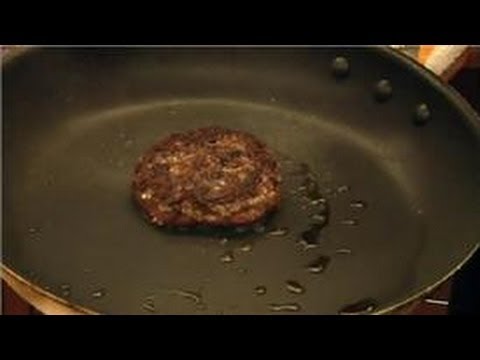
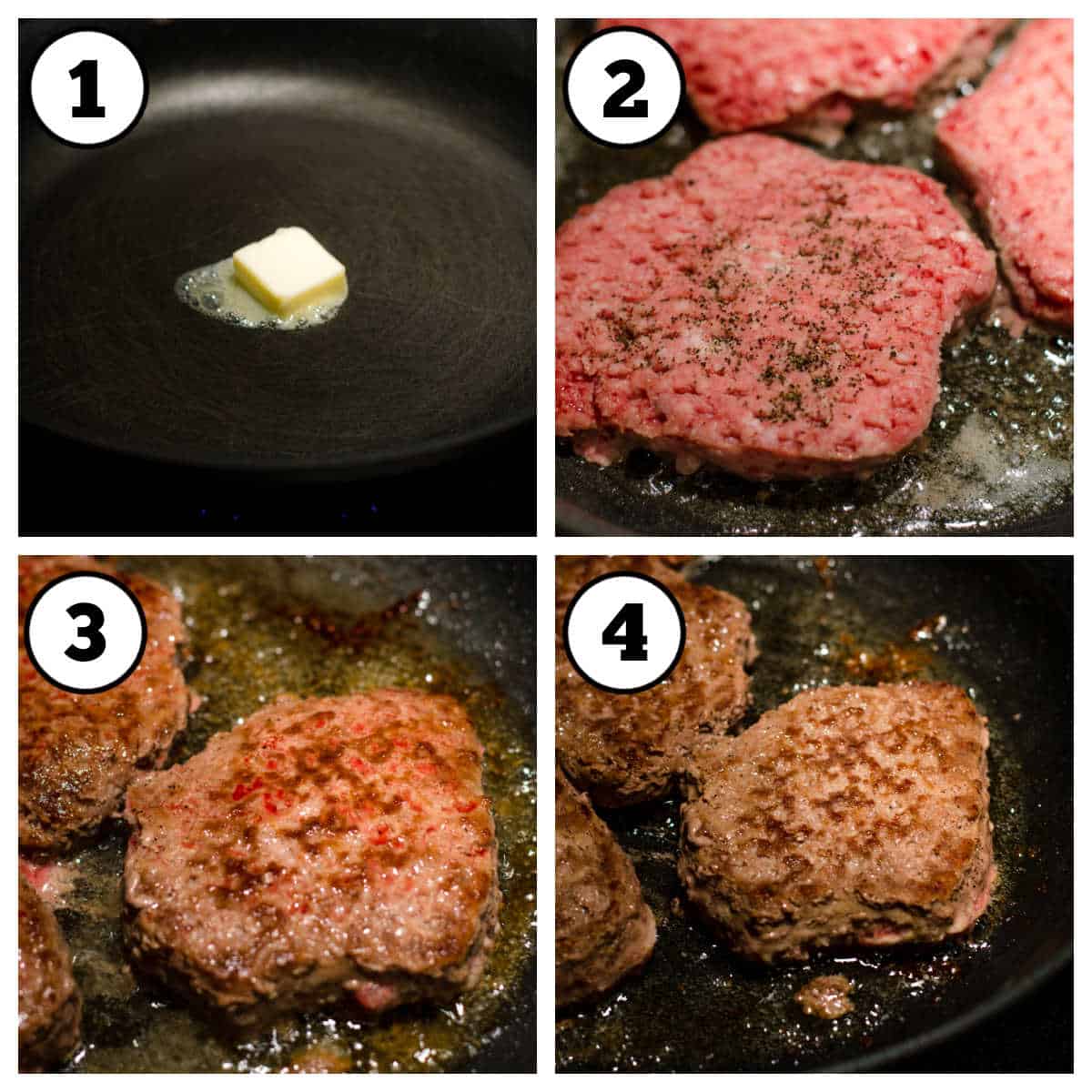
- Place the patties in the hot pan. Leave space between each so they cook evenly.
- Cook without moving them for 3–5 minutes. You’ll see juices start to rise and the edges turn brown.
- Flip the patties using a spatula. Be gentle, so the patty doesn’t fall apart.
- Cook for another 3–5 minutes on the other side. The burger should be nicely browned.
Checking Doneness
Use a meat thermometer if you have one. The USDA recommends hamburgers reach 160°F (71°C) for safety.
- Rare: 120–125°F
- Medium Rare: 130–135°F
- Medium: 140–145°F
- Medium Well: 150–155°F
- Well Done: 160°F and above
If you don’t have a thermometer, cut into the burger to check color. For safety, burgers should not be pink in the middle.
Adding Cheese
If you want a cheeseburger, add a slice of cheese during the last minute of cooking. Cover the pan with a lid to help the cheese melt.
Resting
Let your burgers rest on a plate for 2–3 minutes after cooking. This lets juices settle and keeps the burger moist.
Building Your Hamburger
Once your patties are ready, it’s time to assemble. This is where you add personality to your burger.
Choosing The Right Bun
Not all buns are equal. Here’s a quick comparison:
| Bun Type | Texture | Best For |
|---|---|---|
| Sesame Seed | Soft, slightly sweet | Classic burgers |
| Brioche | Rich, buttery | Gourmet burgers |
| Potato Bun | Dense, moist | Juicy burgers |
| Whole Wheat | Nutty, firm | Health-focused burgers |
A brioche bun or potato bun adds richness and holds up well to juicy patties.
Toasting The Bun
Toast your bun in the pan for 1–2 minutes. This gives it a crisp texture and keeps it from getting soggy.
Condiments And Toppings
Here are classic and creative options:
- Lettuce
- Tomato slices
- Onion (raw or grilled)
- Pickles
- Ketchup
- Mustard
- Mayonnaise
- Cheese (American, cheddar, Swiss)
- Bacon
- Avocado
- Fried egg
Layer your toppings so they don’t slide off. Start with condiments, then veggies, then the patty.
Assembly Tips
- Don’t overload your burger.
- Place heavier toppings (like tomato) under the patty.
- Spread sauces evenly.
Practical Tips For Better Burgers
The difference between a good burger and a great one is in the details. Here are tips that even experienced cooks sometimes miss:
- Don’t press down on the patty while cooking. This squeezes out juices, making the burger dry.
- Let the meat come to room temperature before cooking. Cold patties can cook unevenly.
- Use fresh buns and toppings. Old bread or wilted vegetables ruin the burger experience.
- Try buttering the bun before toasting. This adds flavor and helps the bun crisp up.
- Experiment with sauces. Sriracha mayo or barbecue sauce can add a unique twist.
- Use a lid when melting cheese. The steam helps the cheese melt faster.
- Clean your pan between batches. Burnt bits can stick to new patties.
Cooking Time And Serving Size
A standard hamburger takes about 8–10 minutes to cook on the frying pan. This includes both sides and time for cheese melting. For a meal, plan on one burger per person. If you’re serving children or people with smaller appetites, make smaller patties (about 3 ounces).
Common Mistakes And How To Avoid Them
Even skilled cooks make mistakes. Here’s what to watch out for:
Overcooking
Cooking too long dries out the burger. Set a timer or watch carefully.
Crowding The Pan
Too many patties at once lowers the pan’s temperature. Cook in batches if needed.
Using Cold Meat
Cold meat doesn’t cook evenly. Let the beef sit out for 15–20 minutes before making patties.
Over-seasoning
Too much salt or spices can overpower the meat’s flavor.
Using Thin Patties
Thin patties cook too fast and become dry. Stick to about 3/4 inch thick.
Credit: fantabulosity.com
Cleaning Up After Cooking
Hamburger cooking can leave your pan greasy. Here’s how to clean up easily:
- Let the pan cool before cleaning.
- Wipe away excess fat with a paper towel.
- Wash with warm water and dish soap.
- For cast iron, avoid soap. Use hot water and scrub with a brush.
Proper cleaning keeps your pan in good shape and ready for next time.
Nutritional Facts
Hamburgers are tasty, but it’s good to know what you’re eating. Here’s a breakdown for a standard hamburger patty (4 ounces, 80/20 beef):
| Nutrient | Amount per Serving |
|---|---|
| Calories | 290 |
| Protein | 19g |
| Fat | 23g |
| Saturated Fat | 9g |
| Iron | 2.5mg |
| Cholesterol | 75mg |
Adding cheese, sauces, and buns will increase calories and fat. If you want a lighter burger, use leaner beef or turkey, skip the cheese, and choose a whole wheat bun.
Step-by-step Summary
For quick reference, here’s a concise summary of the key steps:
- Choose 80/20 ground beef for best flavor.
- Divide into equal portions; gently shape into patties with a thumb indentation.
- Season just before cooking.
- Preheat pan and add oil.
- Cook patties for 3–5 minutes per side; don’t press down.
- Add cheese last minute if desired.
- Toast buns in the pan.
- Assemble with fresh toppings and condiments.
- Let burgers rest before serving.
Extra Tips For Frying Pan Hamburgers
There are a few advanced tricks you might want to try:
- Add a splash of water to the pan and cover for 30 seconds after adding cheese. This melts the cheese perfectly.
- If your patties stick, use a thin metal spatula for easier flipping.
- For more flavor, rub the pan with a cut onion before cooking.
- Mix a small amount of Worcestershire sauce into the meat for a deeper taste.
Why Frying Pan Burgers Stand Out
You might wonder why not just grill burgers. While grilling is great, frying pan burgers offer:
- Better control of temperature
- Consistent browning
- Juicy texture
- Year-round cooking
You don’t need special equipment, and even a small kitchen can produce restaurant-quality burgers.
Hamburger Variations
Once you master the basic hamburger, you can try variations:
- Double patty burgers: Two thin patties stacked for extra flavor.
- Stuffed burgers: Cheese or mushrooms inside the patty.
- Spicy burgers: Add jalapeños or chili flakes.
- Breakfast burgers: Top with fried egg and bacon.
Experimenting keeps things interesting and lets you find your favorite style.

Credit: www.omahasteaks.com
Safety Tips
Food safety is important. Always:
- Wash hands before and after handling raw meat.
- Clean surfaces and utensils used with raw beef.
- Cook burgers to at least 160°F to prevent foodborne illness.
Sourcing Quality Ingredients
Better ingredients make better burgers. Look for:
- Local beef from trusted sources.
- Fresh vegetables: Crisp lettuce, ripe tomatoes.
- Artisan buns from a bakery.
If you want to learn more about ingredient sourcing and food safety, visit USDA Food Safety.
Frequently Asked Questions
How Do I Prevent My Hamburger From Shrinking?
Burgers shrink because fat melts and meat contracts. Make patties slightly larger than the bun and use a thumb indentation in the middle. Avoid cooking at very high heat; medium-high is best.
Can I Cook Frozen Hamburger Patties In A Frying Pan?
Yes, but it will take longer. Cook over medium heat for 5–6 minutes per side. Cover the pan to help the middle cook through. Season after flipping.
What Is The Best Way To Melt Cheese On A Frying Pan Burger?
Add cheese during the last minute of cooking. Cover the pan with a lid or foil. The steam will melt the cheese smoothly without overcooking the burger.
How Do I Know When My Burger Is Fully Cooked?
Use a meat thermometer for accuracy. The safe internal temperature is 160°F (71°C). If you don’t have a thermometer, cut into the center; there should be no pink.
Can I Use Butter Instead Of Oil For Frying?
Butter adds flavor but burns easily. If you want butter’s taste, use a mix of oil and butter. Start with oil for cooking, then add butter during the last minute for flavor.
Cooking a hamburger on a frying pan is simple but rewarding. With the right meat, proper shaping, good seasoning, and careful cooking, you can make burgers that rival your favorite restaurant. Remember to experiment with toppings, buns, and sauces to find your perfect combination.
Whether you’re cooking for yourself or friends, homemade hamburgers are sure to impress. Enjoy your meal and happy cooking!

Hello, This is Annie Walker, a 38-year-old blogger, founder, and editor of Cookware Guider from NY, USA. I am a cookware fanatic and passionate cooker. I love to cook with different types of cooking appliances (example: all types of cookware, rice cookers, slow cookers, etc) almost every day in my kitchen. I love to share my experience with my readers in my blog. Also, I enjoy helping people to solve their problems through my website. You can follow me on Twitter & Pinterest. To know details about my blog please check the about us page.