
Cooking with a cast iron frying pan is both an art and a science. If you’ve ever wondered why chefs and home cooks love these heavy pans, there’s a good reason. Cast iron frying pans bring out flavors, last for generations, and handle high heat better than almost any other cookware. But, using them well takes a bit of knowledge. If you’re new to cast iron, or want to get more out of your pan, this guide will show you everything you need to know. From seasoning and cleaning to cooking tips and common mistakes, you’ll learn how to make cast iron your kitchen hero.
Why Cast Iron Frying Pans Are Special
Cast iron frying pans are famous for their durability and heat retention. Unlike many modern pans, cast iron can be used on the stove, in the oven, or even over a campfire. The surface builds up a natural non-stick layer, called a seasoning, which improves with use. This is why some cast iron pans can last 50 years or more.
A well-seasoned cast iron pan can cook eggs, sear steaks, and bake cornbread. It also adds a unique flavor to food, known as “cast iron taste. ” Many cooks prefer cast iron for its ability to cook evenly and produce crisp, golden textures.
Key Advantages
- Even heating: Cast iron spreads heat smoothly across the surface.
- Long lifespan: With proper care, pans last decades.
- Versatile use: Works on gas, electric, induction, and in ovens.
- Natural non-stick: Seasoning helps food release easily.
- Affordable: Quality pans cost less than many premium brands.
Getting Started: Choosing Your Cast Iron Pan
Not all cast iron frying pans are the same. Before you start cooking, it’s important to pick the right one for your needs.
| Feature | Traditional Cast Iron | Enameled Cast Iron |
|---|---|---|
| Surface | Needs seasoning | No seasoning needed |
| Care | Hand wash only | Dishwasher safe |
| Cooking style | Best for searing, frying | Good for stews, acidic foods |
| Price | Usually less expensive | Usually more expensive |
For most cooks, a traditional cast iron pan is the best choice for frying and searing. Enameled pans are easier to care for but don’t build up the same seasoning.
Size Matters
Cast iron frying pans usually come in sizes from 6 to 12 inches. A 10-inch pan is perfect for most families. Smaller pans are good for eggs or single servings, while larger pans suit big meals.
:max_bytes(150000):strip_icc()/__opt__aboutcom__coeus__resources__content_migration__serious_eats__seriouseats.com__recipes__images__2017__03__20170210-creamy-kale-eggs-emily-matt-clifton-3-9d39be6b3f614c388faa9633b67711fa.jpg)
Credit: www.seriouseats.com
How To Season Your Cast Iron Frying Pan
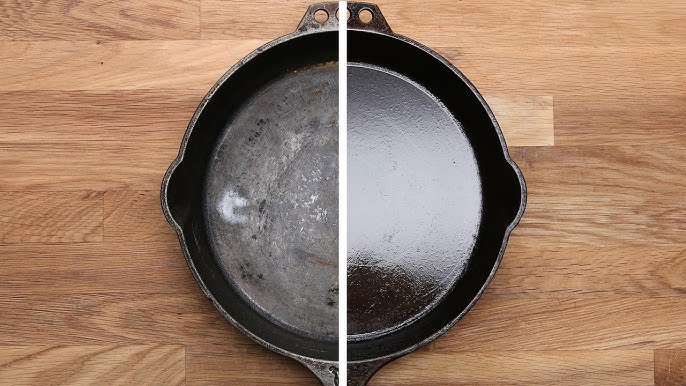
Seasoning is the process that makes your pan non-stick and rust-resistant. If your pan is brand new or looks dull, seasoning is essential.
- Wash and dry: Clean the pan with warm water and a brush. Dry completely.
- Apply oil: Use a thin layer of cooking oil (like vegetable oil or flaxseed oil).
- Bake: Place upside-down in a 450°F oven for 1 hour. Put foil underneath to catch drips.
- Cool: Let the pan cool in the oven.
Repeat the process 2–3 times for a strong seasoning. Over time, seasoning gets darker and smoother.
Non-obvious Tip
Many beginners use too much oil. This causes sticky residue. Always wipe off extra oil before baking.
Cooking Techniques With Cast Iron
Cast iron is famous for searing, but it’s also great for frying, baking, roasting, and sautéing. Here are tips for each technique:
Searing Meats
Heat the pan until it’s very hot. Add a thin layer of oil and place your meat. Don’t move it until a crust forms. Cast iron’s heat retention helps create a perfect brown crust.
Frying Eggs
Let the pan heat for 2–3 minutes. Add oil or butter. Crack the egg and let it sit. Use a spatula to gently lift the egg when the edges are crisp.
Baking
Cast iron pans can go in the oven. Bake cornbread, cakes, or even pizza. The pan gives a golden bottom and adds flavor.
Roasting Vegetables
Spread vegetables in a single layer. Toss with oil, salt, and pepper. Roast in a hot oven for crisp, caramelized edges.
Sautéing
Use medium heat and a bit of oil. Stir often. Cast iron helps keep a steady temperature, which prevents burning.
Credit: www.youtube.com
Cleaning And Caring For Cast Iron
Cleaning cast iron is different from regular pans. The wrong cleaning can ruin your seasoning.
- Let it cool: Never put a hot pan in cold water.
- Scrub gently: Use a stiff brush or sponge. Avoid soap unless necessary.
- Dry fully: Water causes rust. Dry with a towel and heat for a few minutes.
- Oil after cleaning: Rub a thin layer of oil on the pan. Store in a dry place.
| Do | Don’t |
|---|---|
| Use a brush | Soak in water |
| Dry with heat | Use harsh soap |
| Oil after use | Store wet |
Common Mistake
Some people use steel wool or dishwasher on cast iron. This removes the seasoning and can cause rust.
Cooking Tips For Perfect Results
- Preheat thoroughly: Cast iron needs a few minutes to heat evenly. Don’t rush.
- Use enough oil: This helps food release and prevents sticking.
- Don’t cook acidic foods often: Tomato sauce or vinegar can damage seasoning.
- Avoid sudden temperature changes: Going from hot to cold can crack the pan.
- Store with paper towel: Place a paper towel inside the pan to absorb moisture.
Non-obvious Insight
If your pan is sticky or uneven, cook fatty foods like bacon or fried chicken. This helps build seasoning faster.

Credit: www.bbcgoodfood.com
Cast Iron Vs. Other Frying Pans
It’s useful to compare cast iron to other materials. Here’s a quick look:
| Type | Heat Retention | Non-Stick | Care | Price |
|---|---|---|---|---|
| Cast Iron | Excellent | Builds over time | Special care | Affordable |
| Non-Stick | Good | Immediate | Easy | Moderate |
| Stainless Steel | Fair | No | Easy | Moderate |
| Copper | Poor | No | High maintenance | Expensive |
Cast iron stands out for heat retention and value, but needs more care than most pans.
Troubleshooting: Fixing Common Cast Iron Problems
Even experienced cooks run into issues. Here’s how to solve them:
Rust
If your pan gets rusty, scrub with salt and oil, rinse, and dry. Then re-season.
Sticky Surface
Sticky pans usually have too much oil or not enough heat. Clean and re-season.
Food Sticking
If food sticks, your seasoning might be thin. Cook fatty foods for a few uses or repeat seasoning.
Uneven Heating
Preheat longer. Cast iron needs time to reach even temperature.
Smells
Lingering smells happen if oil burns. Clean and re-season.
Health Benefits And Safety
Cooking with cast iron can add a small amount of iron to your food. This is helpful for people who need more iron in their diet. Studies show that acidic foods absorb more iron from the pan, but you should avoid cooking them too often to protect seasoning.
Cast iron is safe for most people. However, those with iron overload conditions should limit use.
Recipes You Can Try With Cast Iron Frying Pan
Here are three simple recipes for beginners:
- Cast Iron Skillet Cornbread
- 1 cup cornmeal, 1 cup flour, 1 cup milk, 1 egg, 1/4 cup melted butter, 1/4 cup sugar, 1 tbsp baking powder, 1/2 tsp salt.
- Preheat oven to 400°F. Mix ingredients, pour into oiled pan, bake 20–25 minutes.
- Pan-Seared Steak
- 1 steak (1 inch thick), salt, pepper, 1 tbsp oil, 1 tbsp butter.
- Heat pan, add oil. Season steak, cook 2–3 minutes per side. Add butter, rest steak for 5 minutes.
- Fried Eggs
- 2 eggs, 1 tbsp butter or oil.
- Heat pan, add butter. Crack eggs, cook until whites set. Lift gently.
Frequently Asked Questions
How Often Should I Season My Cast Iron Frying Pan?
You should season your pan whenever it looks dull or food starts sticking. For most home cooks, seasoning every few months is enough. Cooking fatty foods also helps build seasoning naturally.
Can I Use Soap To Clean My Cast Iron Pan?
A small amount of mild soap is safe sometimes, but avoid harsh detergents. Soap can remove seasoning. If you need to clean tough stains, use salt and oil.
Why Does My Cast Iron Pan Rust?
Rust happens when water sits on the pan. Always dry it fully after washing and rub with oil. If rust appears, scrub and re-season.
Is Cast Iron Good For Induction Cooktops?
Yes, cast iron works well on induction cooktops. It is magnetic and heats evenly. But be careful with heavy pans—don’t drop them on glass surfaces.
What Oils Are Best For Seasoning Cast Iron?
Oils with high smoke points are best. Flaxseed oil, canola oil, and vegetable oil are popular choices. Avoid olive oil for seasoning, as it burns at lower temperatures.
Cooking with a cast iron frying pan can transform your kitchen. With proper care, your pan will improve with every use, making meals tastier and healthier. Take your time to learn seasoning, cleaning, and cooking techniques. Soon, you’ll discover why so many cooks refuse to use anything else. If you want more tips or deep background on cast iron, visit Wikipedia for expert insights. Start small, enjoy the journey, and let your cast iron pan become your most trusted cooking tool.

Hello, This is Annie Walker, a 38-year-old blogger, founder, and editor of Cookware Guider from NY, USA. I am a cookware fanatic and passionate cooker. I love to cook with different types of cooking appliances (example: all types of cookware, rice cookers, slow cookers, etc) almost every day in my kitchen. I love to share my experience with my readers in my blog. Also, I enjoy helping people to solve their problems through my website. You can follow me on Twitter & Pinterest. To know details about my blog please check the about us page.