
Have you ever wondered what to do with your old nonstick cookware once it’s worn out or scratched? Tossing it in the trash might seem like the easiest choice, but it can harm the environment and waste valuable materials.
You probably want a simple, safe way to get rid of these pans without adding to landfill problems. You’ll discover clear, practical steps to dispose of your old nonstick cookware responsibly. Keep reading to learn how you can make a positive impact while clearing out your kitchen.
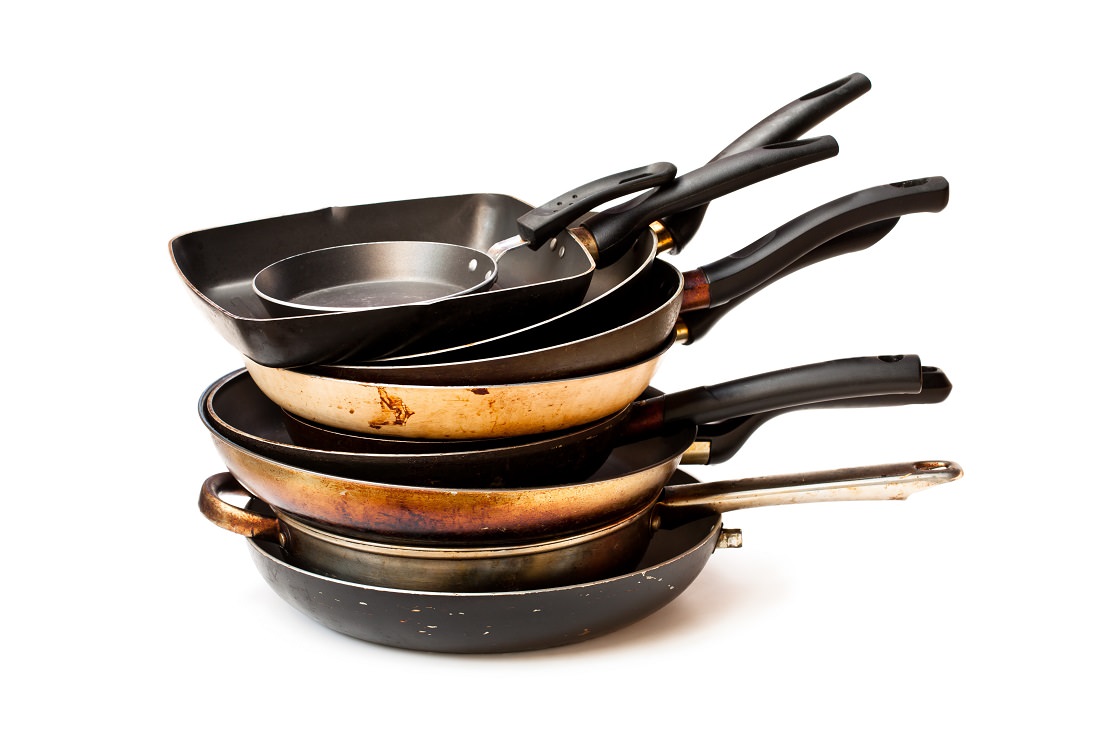
Credit: earth911.com
Signs To Replace Nonstick Cookware
Nonstick cookware makes cooking and cleaning easy. But these pans do not last forever. Knowing when to replace them helps keep your kitchen safe and your food healthy. Here are key signs that show it is time to say goodbye to your old nonstick cookware.
Wear And Tear Indicators
Scratches and peeling are clear signs of wear. The nonstick coating may chip off over time. Food might start to stick more often. The surface may look dull or rough. Warped pans will not heat evenly. These signs mean the cookware is losing its quality.
Health And Safety Concerns
Damaged nonstick coatings can release harmful chemicals. These chemicals may get into your food. Old cookware might also develop rust or stains. Using damaged pans can cause health risks. It is safer to replace old cookware to avoid these dangers.
Preparing Cookware For Disposal
Preparing old nonstick cookware for disposal helps reduce waste and keeps the environment safe. Proper preparation ensures the items are ready for recycling or trash collection. It also prevents any leftover food or chemicals from causing problems. Follow simple steps to make your cookware safe and clean before disposal.
Cleaning Before Disposal
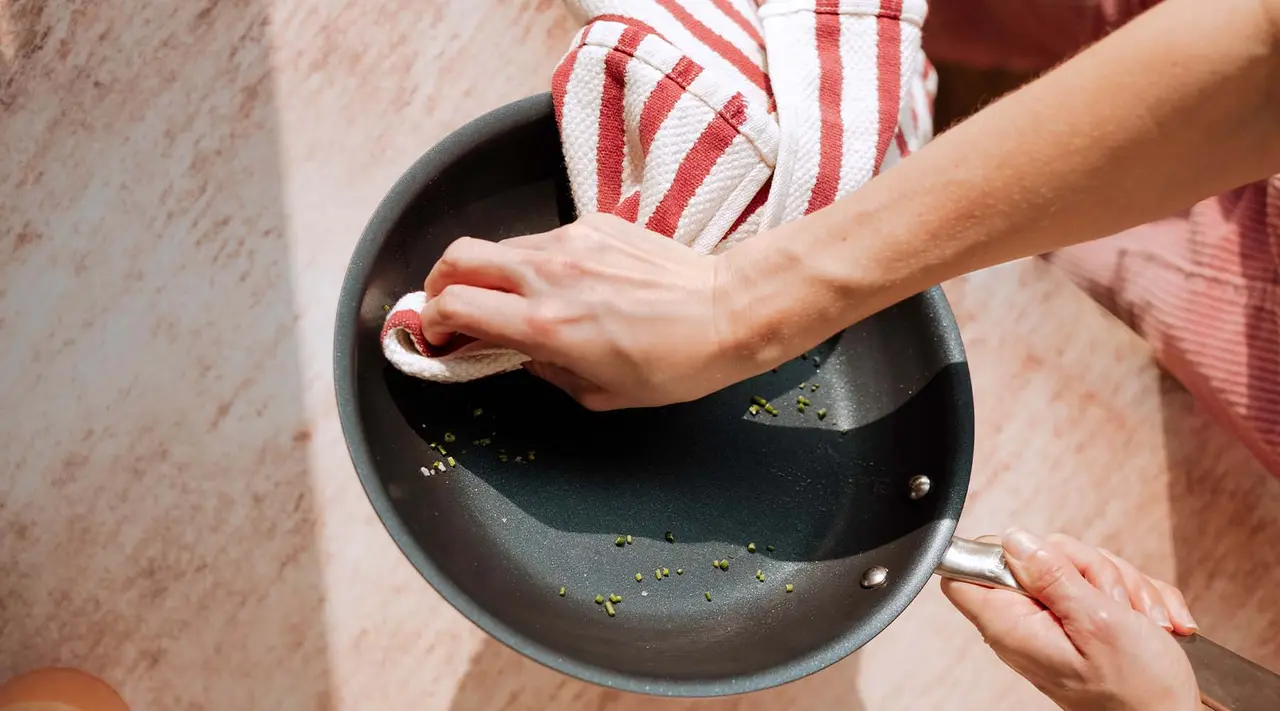
Start by washing the cookware with warm water and soap. Remove all food residue and grease thoroughly. Use a scrub brush or sponge to clean hard spots. Dry the cookware completely to avoid mold or odors. Clean cookware is easier to recycle and less harmful for waste handlers.
Removing Nonstick Coating
Nonstick coatings can harm the environment if not handled properly. Scrape off the coating with a plastic scraper or fine sandpaper. Wear gloves to protect your hands during this process. Removing the coating helps recyclers separate materials better. It also reduces the chance of toxic chemicals leaking from the cookware.
Eco-friendly Disposal Options
Old nonstick cookware should not go to the landfill. These pans contain materials that can harm the environment. Choosing eco-friendly disposal options helps reduce waste and protect nature. Let’s explore practical ways to dispose of old nonstick pans responsibly.
Recycling Programs
Some recycling centers accept nonstick cookware. They separate metal from non-stick coatings to recycle parts safely. Check your local recycling facility for rules about cookware. Some programs require dropping off pans at special collection points. Recycling helps recover valuable metals and reduces landfill waste.
Donation And Reuse
Nonstick pans with minor damage can still serve others. Donate old cookware to thrift stores, shelters, or community kitchens. Others may repair or reuse these pans instead of buying new ones. This extends the life of your cookware and reduces waste. Always clean and check the pan before donating.
Creative Upcycling Ideas
Old nonstick cookware does not have to go to waste. Creative upcycling gives these items a new life. It helps reduce trash and saves money. These ideas transform pots and pans into useful objects. They fit well in homes and gardens. Try some simple projects to reuse old cookware today.
Garden And Outdoor Uses
Old pans make great garden containers. Use them as planters for flowers or herbs. The metal holds soil well and looks unique. Pans can also serve as bird feeders. Fill them with seeds and hang from trees. Use lids as trays to hold water for birds. Metal pans resist weather and last long outside.
Diy Home Projects
Nonstick pans can become creative home items. Turn a pan into a wall clock by adding a clock kit. Use the smooth surface as a chalkboard with chalk paint. Make a stylish tray for keys or jewelry. Stack smaller pans to create a tiered storage unit. These projects add charm and function to your space.
Avoiding Landfill Waste
Avoiding landfill waste is important when disposing of old nonstick cookware. These pans often contain materials that do not break down easily. Throwing them in the trash adds to pollution and harms the environment.
Finding better disposal methods helps reduce waste and protect nature. Recycling or repurposing old cookware keeps harmful chemicals out of landfills. It also saves resources and energy that new products need.
Hazards Of Improper Disposal
Nonstick cookware contains chemicals that can leak into soil and water. These chemicals may harm animals and plants near landfill sites. Burning old pans releases toxic fumes that pollute the air. Landfills fill up faster with items that do not decompose. This creates more waste problems for communities and wildlife.
Benefits Of Eco-friendly Choices
Choosing eco-friendly disposal methods helps keep the planet clean. Recycling nonstick cookware recovers metals and materials for new products. Donating old pans allows others to reuse them instead of buying new ones. Repairing or repurposing cookware extends its life and reduces waste. These choices save energy and reduce pollution from manufacturing.
Credit: madeincookware.com
Choosing Sustainable Cookware Next Time
Choosing sustainable cookware next time helps protect the planet and your health. It reduces waste and lowers harmful chemical use. Sustainable options last longer and work well for cooking. Choosing right cookware benefits your kitchen and the environment.
Materials To Consider
Look for cookware made of stainless steel, cast iron, or ceramic. These materials do not release harmful chemicals. They are durable and can handle high heat. Ceramic cookware is non-toxic and easy to clean. Cast iron improves with use and adds iron to food. Stainless steel resists rust and lasts many years. Avoid cheap nonstick coatings that can peel and harm health.
Long-lasting Cookware Tips
Buy cookware that is thick and heavy for even heating. Use wooden or silicone utensils to avoid scratches. Clean gently with soft sponges to protect surfaces. Avoid overheating pans to keep coatings intact. Store cookware carefully to prevent dents and chips. Proper care extends the life of your pots and pans. This saves money and reduces waste over time.
:strip_icc()/old-pots-pans-hanging-on-white-kitchen-wall-b0c5b01cd8d14b7e9fd53f737681a3bd.jpg)
Credit: www.bhg.com
Frequently Asked Questions
How To Safely Dispose Of Nonstick Cookware?
To dispose of nonstick cookware safely, check local recycling rules. Many places don’t accept nonstick pans in curbside recycling. Consider donating if usable, or take to a metal recycling facility. Avoid landfill if possible to reduce environmental impact.
Can You Recycle Old Nonstick Pans?
Most nonstick pans are not accepted in regular recycling programs. The nonstick coating complicates recycling processes. Specialized metal recycling centers may accept them. Always confirm with local facilities before disposal to ensure proper recycling.
Is It Safe To Throw Nonstick Cookware In Trash?
Throwing nonstick cookware in the trash is generally allowed but not eco-friendly. Nonstick coatings can release toxins when incinerated or buried. Opt for recycling or donation to minimize environmental harm and promote sustainability.
How To Repurpose Old Nonstick Cookware?
Old nonstick cookware can be repurposed as storage containers, plant trays, or organizers. This extends their life and reduces waste. Ensure the pan is clean and free from toxic residues before reuse.
Conclusion
Properly disposing of old nonstick cookware keeps your home safe. Avoid throwing it in regular trash to protect the environment. Check local recycling programs that accept cookware materials. Donate usable pieces to reduce waste and help others. Small steps make a big difference for our planet.
Take care when handling worn cookware to avoid health risks. Remember, responsible disposal benefits both you and nature. Keep these tips in mind for your next cookware upgrade. Simple actions can lead to a cleaner, greener world.

Hello, This is Annie Walker, a 38-year-old blogger, founder, and editor of Cookware Guider from NY, USA. I am a cookware fanatic and passionate cooker. I love to cook with different types of cooking appliances (example: all types of cookware, rice cookers, slow cookers, etc) almost every day in my kitchen. I love to share my experience with my readers in my blog. Also, I enjoy helping people to solve their problems through my website. You can follow me on Twitter & Pinterest. To know details about my blog please check the about us page.